Fukui
Fukui, a historic castle town on the Sea of Japan coast, blends samurai heritage and traditional crafts with a relaxed pace, distinctive local cuisine and easy access to scenic coastal areas.
Passengers
Luggage
About Fukui
Fukui is the capital of Fukui Prefecture, set on the Sea of Japan side of central Honshu in the Hokuriku region. A compact, unhurried castle town, it blends Zen Buddhist heritage, samurai-era history and a strong local food culture with a modern regional economy.
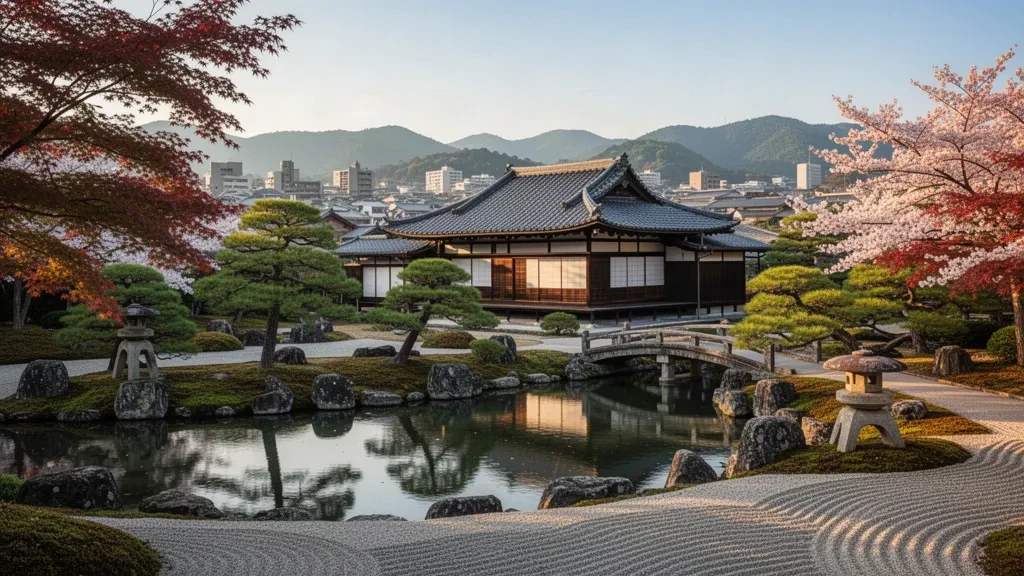
The city grew up around Fukui Castle, built in the early 1600s for the Echizen-Matsudaira clan, whose former residence is now preserved as Yokokan Garden. Nearby, Eiheiji Temple is the head temple of the Soto Zen school, while the Ichijodani Asakura Clan Ruins preserve the excavated and partly rebuilt streets of a 16th-century castle town.
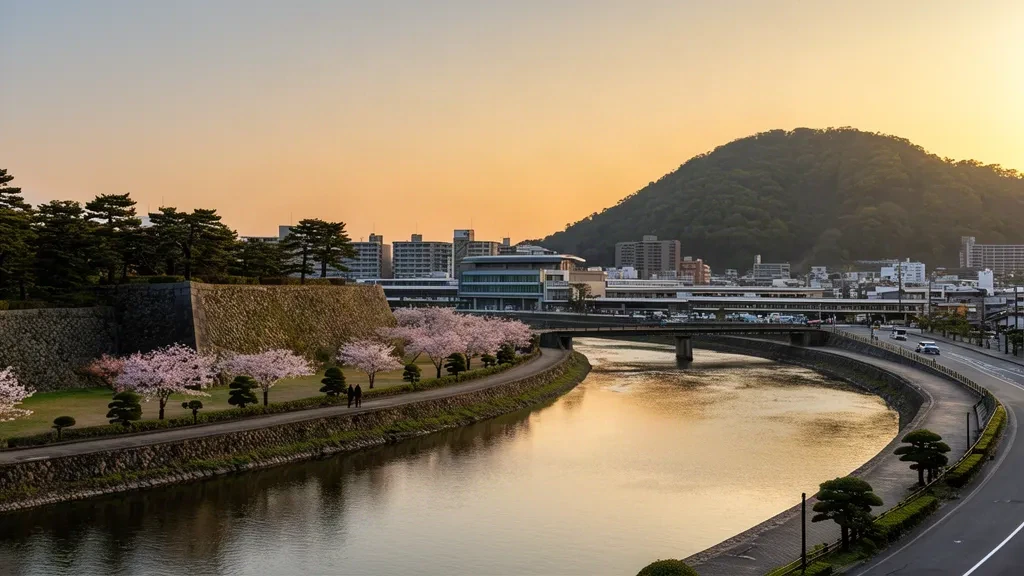
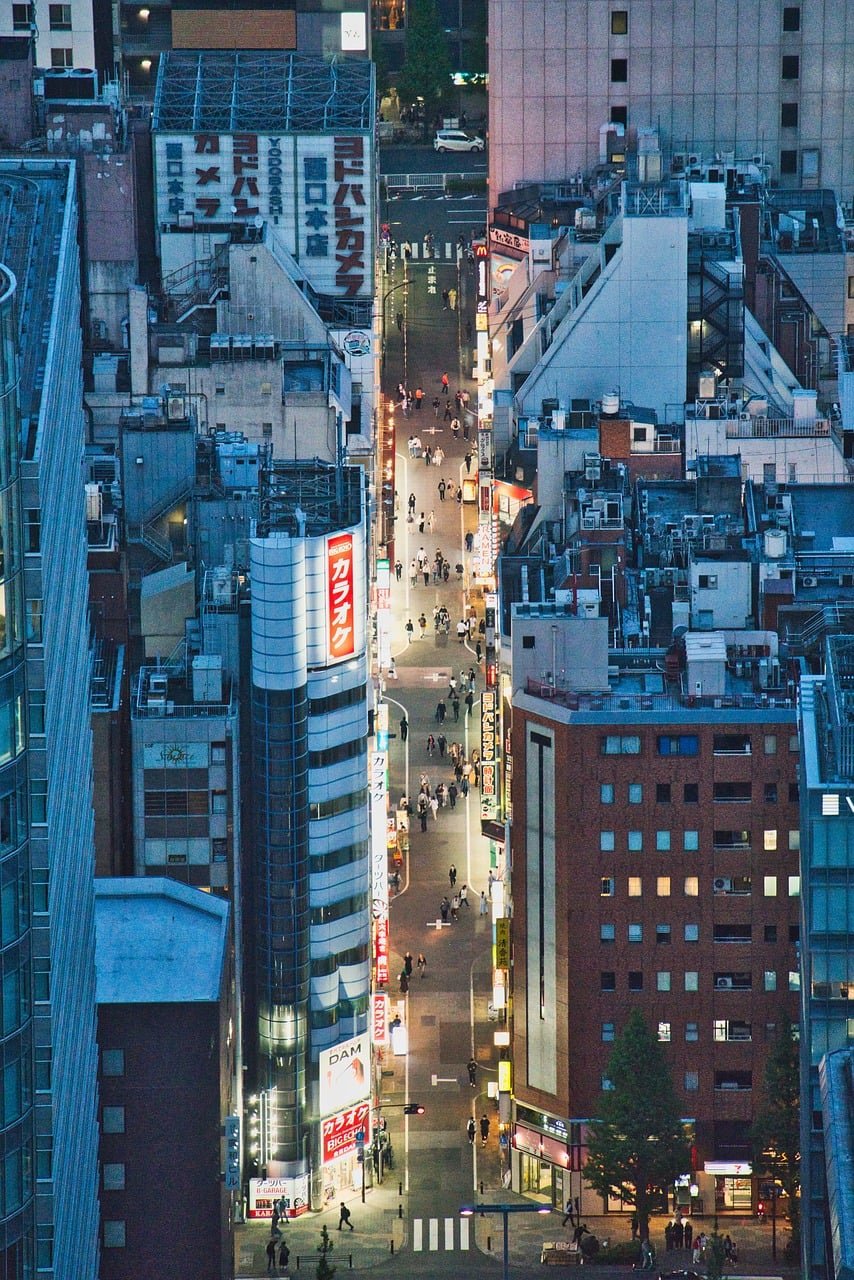
Around central Fukui, the Asuwa River is lined with cherry trees that form a celebrated spring blossom tunnel, and landmarks such as the Fukui Castle ruins and city history museum sit close to Fukui Station. The Katamachi district provides the main concentration of restaurants, bars and nightlife.
Fukui is also a centre for textile manufacturing, machinery and precision industries, with the neighbouring Sabae area known for eyewear frame production. The opening of the Hokuriku Shinkansen extension in 2024 linked the city directly to Tokyo, strengthening its appeal for both business travel and tourism.
For visitors, Fukui works well as a base for regional day trips, from Maruoka Castle, one of Japan's twelve surviving original castle keeps, to the Fukui Prefectural Dinosaur Museum and the coastal scenery around Tojinbo. Its food scene, built on Echizen crab, oroshi soba, sauce katsudon and local sake, gives the city a distinctly local character.
Fukui Travel Guide
Best Time to Visit
Spring is the standout season, especially early to mid April, when the Asuwa River's cherry blossom tunnel is in bloom. Autumn brings comfortable weather and colourful foliage, while winter offers snow-dusted temples and the peak season for Echizen crab.
How to Get Around
Fukui Station is the central hub, served by the Hokuriku Shinkansen and local lines. The city and surrounding areas are covered by JR and Echizen Railway trains, Fukui Railway light rail, buses and taxis, while rental cars are useful for reaching Eiheiji, Ichijodani and other rural sights.
Where to Stay
The area around Fukui Station is the most convenient base, with hotels, restaurants and direct transport links. Staying near the Asuwa River or in the central Katamachi district puts nightlife and local dining within walking distance, and traditional ryokan provide a quieter alternative.
Food & Drink
Local specialities include Echizen crab in winter, oroshi soba topped with grated daikon, and sauce katsudon, a pork cutlet rice bowl served with a savoury sauce. The city also produces sake, and cafés, izakaya and seafood restaurants are concentrated around Fukui Station and Katamachi.
Ground Transportation Services in Fukui
Airport Transfers
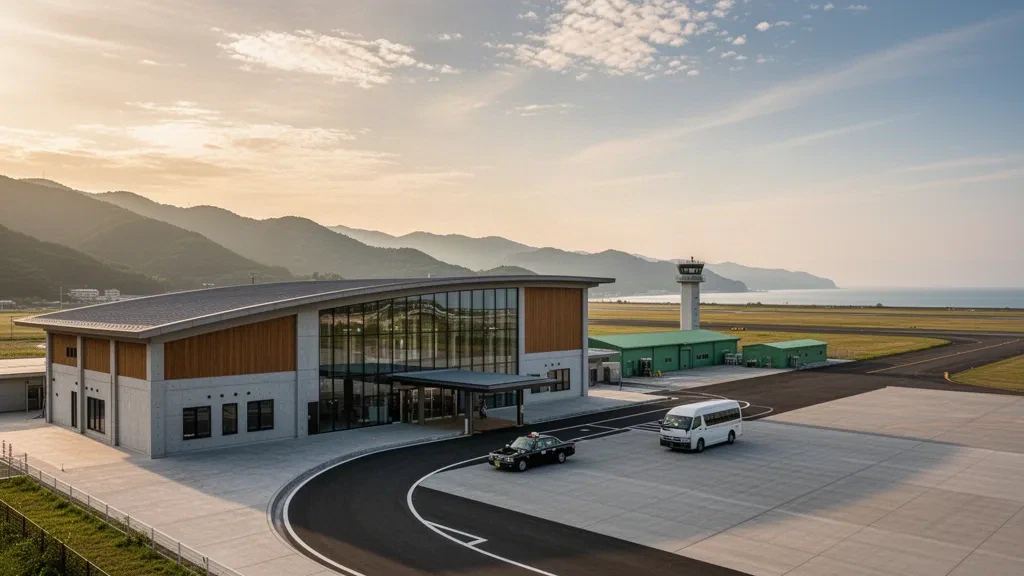
Travel between Komatsu Airport and hotels, stations, business districts and attractions in and around Fukui with a pre-booked private transfer.
Hourly Chauffeur
Use an hourly chauffeur for business meetings, station pick-ups, sightseeing at Eiheiji Temple, Ichijodani and other regional sites, or flexible travel around Fukui.
Car Rental
Rent a car in Fukui for independent travel around the city and convenient access to nearby castles, temples, coastal areas and mountain destinations.
Bus & Group Transfers
Arrange minibuses or charter coaches for groups travelling to conferences, events, tours, airport transfers and attractions in Fukui and the wider prefecture.
Frequently Asked Questions
Related Cities in Japan
View all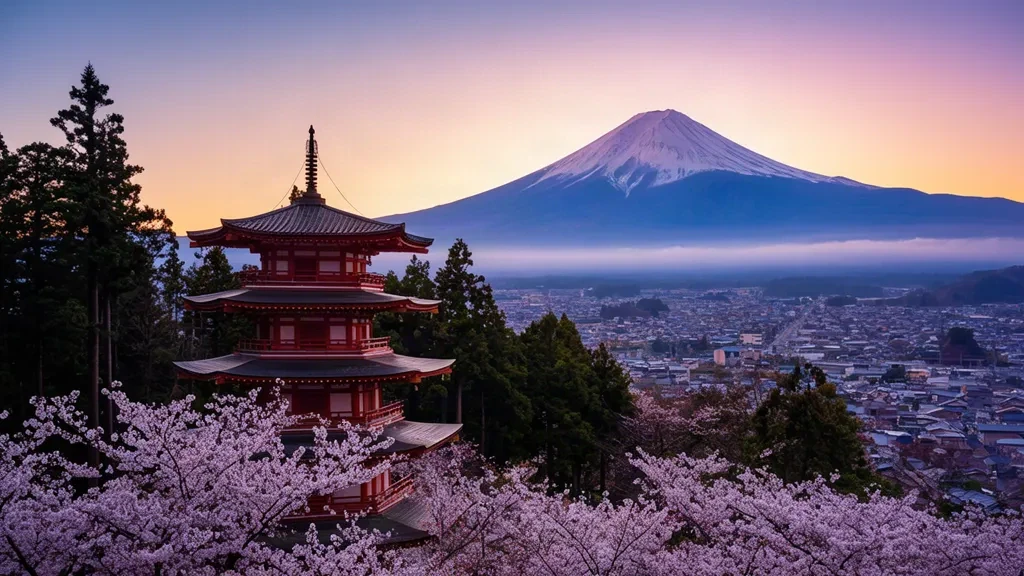
Yamanashi
Yamanashi, a quiet city in central Japan, sits in a mountain-ringed basin known for orchards, vineyards and a relaxed rural pace.
Yamaguchi
Yamaguchi, the capital of Yamaguchi Prefecture, is often called the Kyoto of the West for its samurai heritage, historic temples and tranquil gardens.
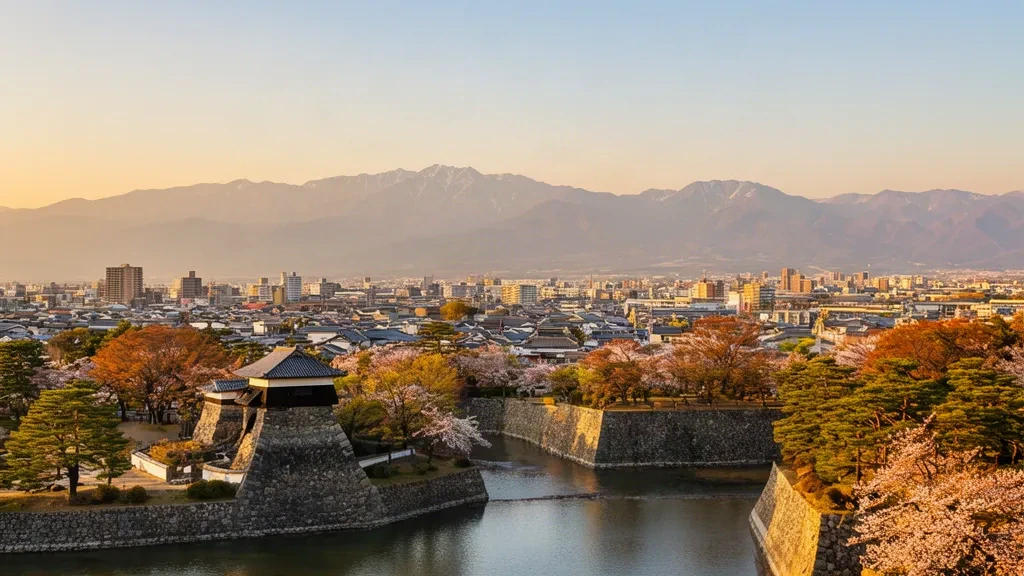
Yamagata
Yamagata is a calm city in northern Japan where castle ruins, hot springs, temple heritage and mountain scenery meet seasonal festivals and regional culture.