Akita
Akita, in northern Japan's Tohoku region, blends castle ruins and hot spring traditions with the lively Kanto Festival, local sake culture and access to Lake Tazawa and the Oga Peninsula.
Passengers
Luggage
About Akita
Akita is the capital of Akita Prefecture, sitting on the Sea of Japan coast of northern Honshu in the Tōhoku region. The city pairs a compact, walkable centre with snow-country culture, a strong food and sake tradition, and a character shaped by its history as a castle town.
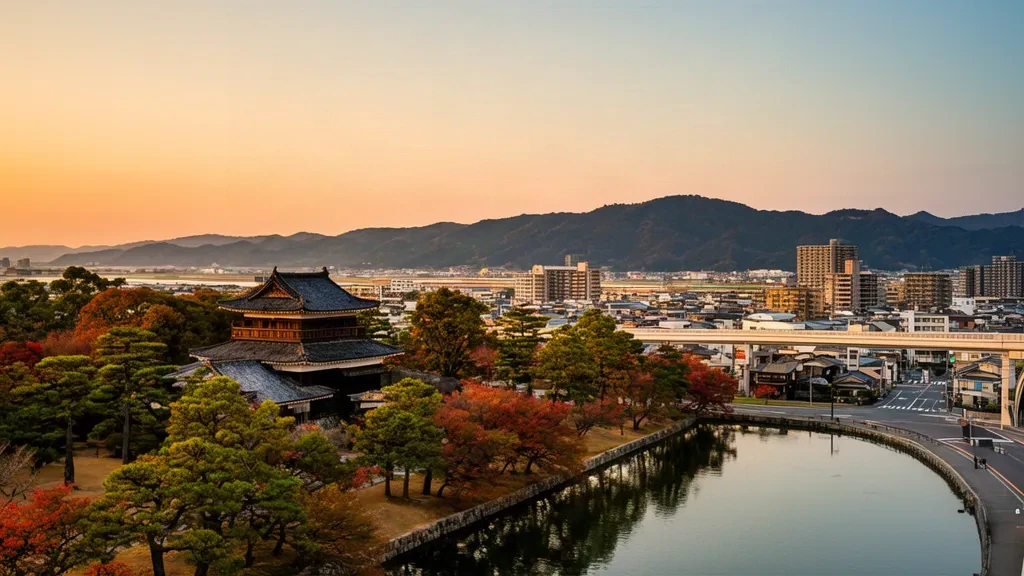
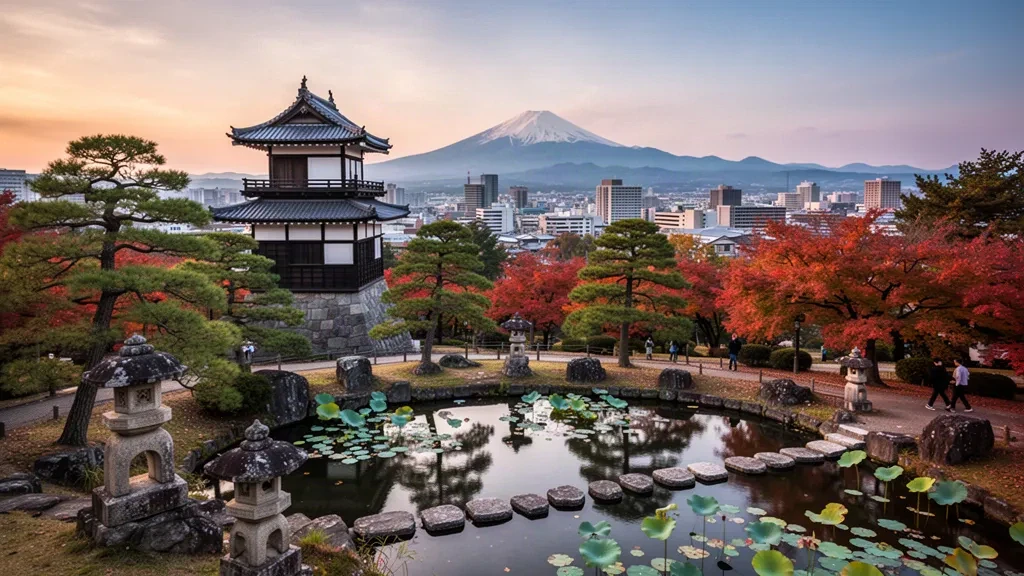
Once the seat of the Satake clan, Akita grew around Kubota Castle, whose grounds are now preserved as Senshu Park with a moat, reconstructed gate and seasonal cherry blossoms, lotus and autumn maple. Each August, the Kanto Festival transforms the city as performers balance towering lantern poles along Chuo Dori.
The Akita Museum of Art, designed by Tadao Ando, anchors the cultural side of the city and is known for its extensive collection of works by Fujita Tsuguharu, also called Léonard Foujita. Akita City Port Tower Selion offers a panoramic view toward the Sea of Japan and Oga Peninsula.
Local food is a major draw, from kiritanpo nabe and hatahata sandfish to Inaniwa udon and iburi-gakko smoked radish, often paired with Akita's well-regarded sake. The city is also a practical base for day trips to Lake Tazawa, Kakunodate and the Nyuto Onsen hot spring area.
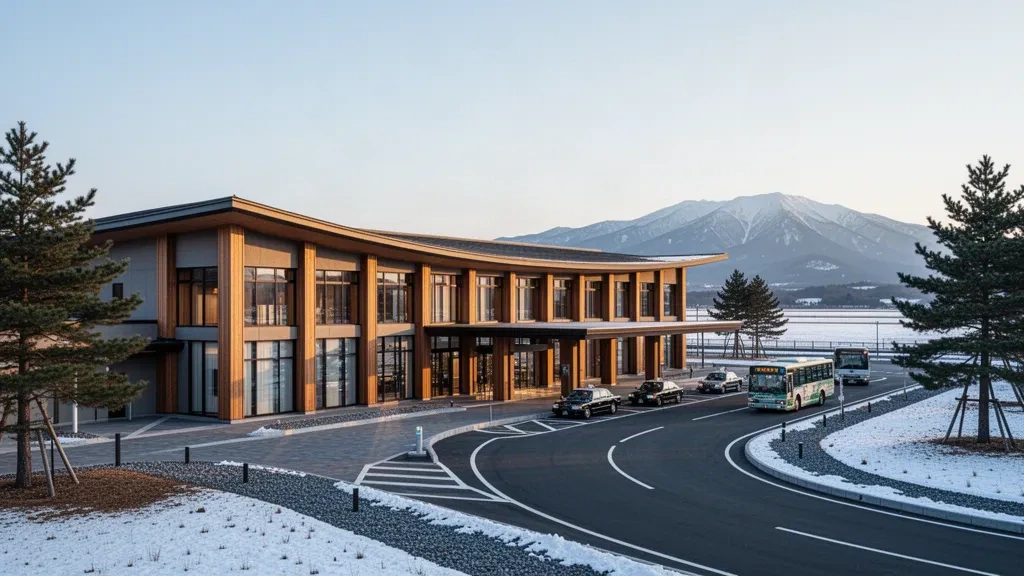
For travellers, Akita is well connected by the Akita Shinkansen and Akita Airport, with hotels clustered around the station and easy access to both business facilities and the wider Tōhoku region.
Akita Travel Guide
Best Time to Visit
Summer is the season for Akita's Kanto Festival in early August, when balanced lantern poles fill Chuo Dori. Spring brings cherry blossoms to Senshu Park, autumn offers colorful maple foliage, and winter is a snowy period suited to hot pots and local sake.
How to Get Around
Central Akita is compact and walkable, with JR Akita Station as the main hub for shinkansen, local trains and buses. A circular city bus known as Gururu links major sights, while taxis and rental cars are useful for reaching the coast and surrounding attractions.
Where to Stay
Hotels around JR Akita Station offer convenient access to transport, restaurants and shopping. The Senshu Park area is quieter and close to the former castle grounds and Akita Museum of Art, with options ranging from business hotels to larger full-service properties.
Food & Drink
Akita's cuisine includes kiritanpo nabe, a rice-stick hot pot, hatahata sandfish, Inaniwa udon and iburi-gakko smoked radish pickles. Izakayas near Akita Station and in the Kawabata district serve local dishes with the prefecture's well-regarded sake.
Ground Transportation Services in Akita
Airport Transfers
Arrange private transfers between Akita Airport and hotels, business locations, event venues and Akita Station for arrival and departure travel.
Hourly Chauffeur
Book a private chauffeur by the hour for business meetings, sightseeing to Senshu Park, the Akita Museum of Art and Port Tower Selion, or flexible travel around the city.
Car Rental
Rent a car in Akita for independent travel through the city and convenient day trips to Lake Tazawa, Kakunodate, Oga Peninsula and the Nyuto Onsen area.
Bus & Group Transfers
Arrange minibuses or charter buses for groups, festival visits, corporate travel, events, airport transfers and sightseeing tours in and around Akita.
Frequently Asked Questions
Related Cities in Japan
View all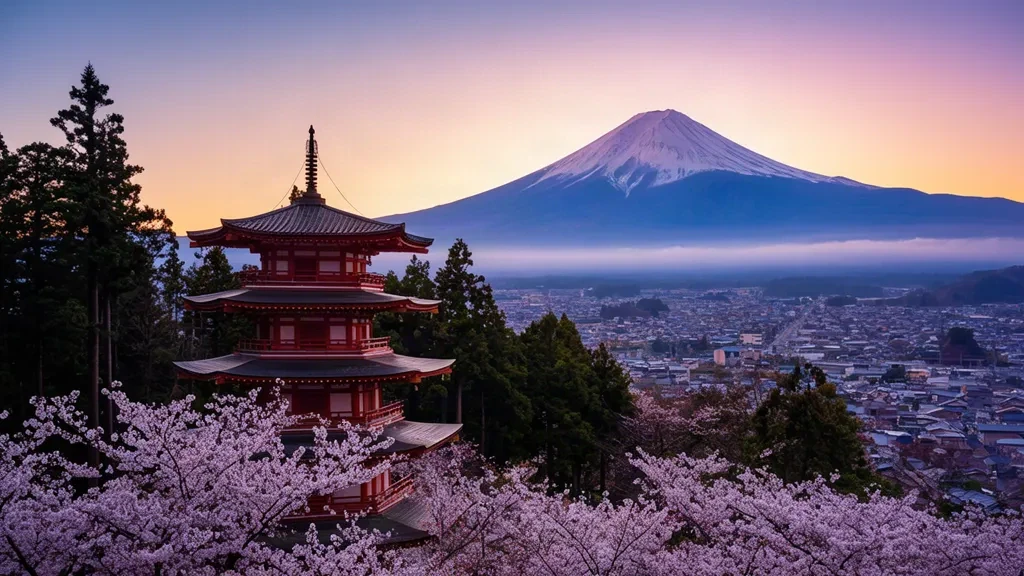
Yamanashi
Yamanashi, a quiet city in central Japan, sits in a mountain-ringed basin known for orchards, vineyards and a relaxed rural pace.
Yamaguchi
Yamaguchi, the capital of Yamaguchi Prefecture, is often called the Kyoto of the West for its samurai heritage, historic temples and tranquil gardens.
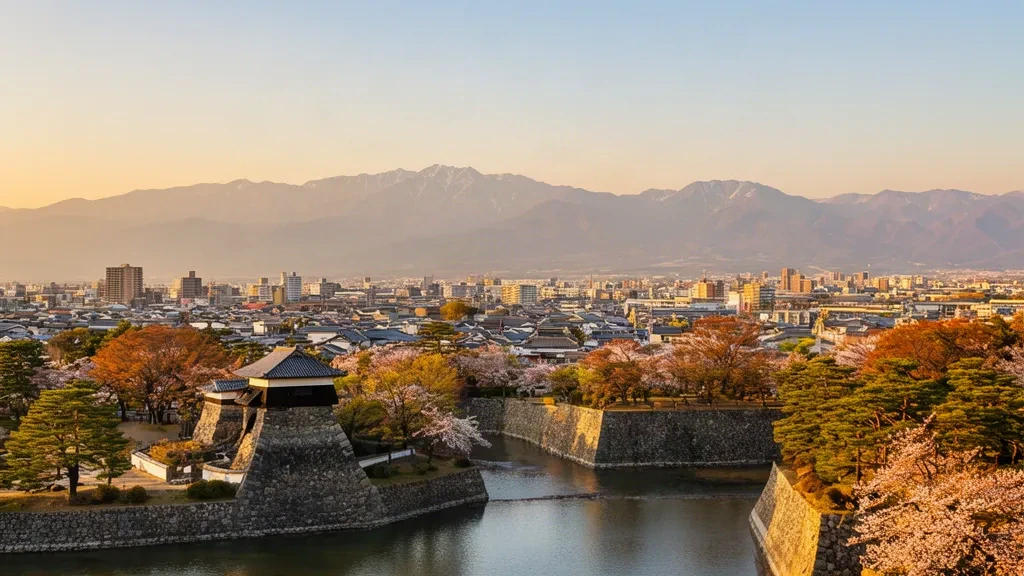
Yamagata
Yamagata is a calm city in northern Japan where castle ruins, hot springs, temple heritage and mountain scenery meet seasonal festivals and regional culture.