Cork
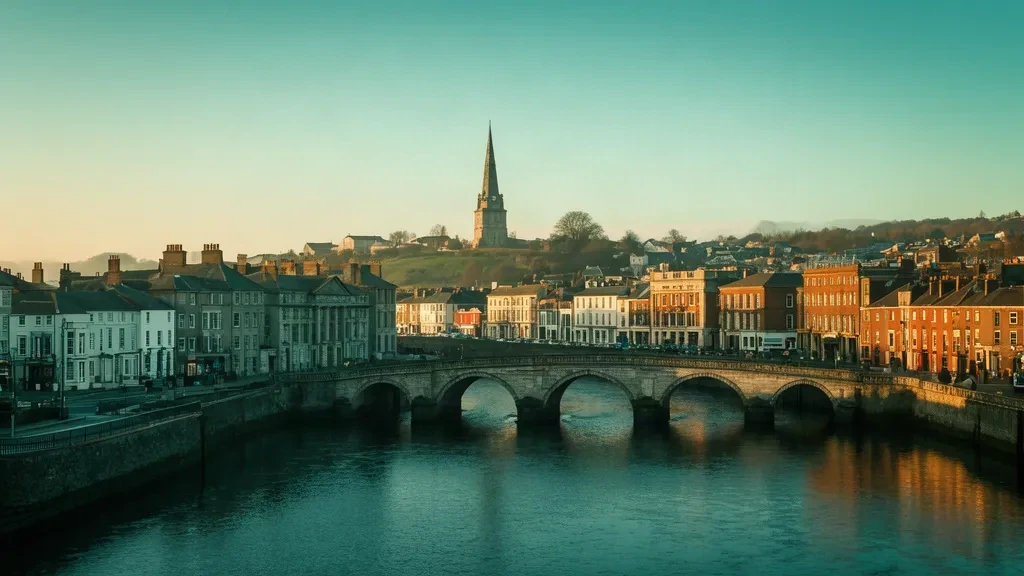
Cork, Ireland's second city, combines a rich maritime history and celebrated food culture with Georgian streets, lively markets and a welcoming riverfront atmosphere.
Passengers
Luggage
About Cork
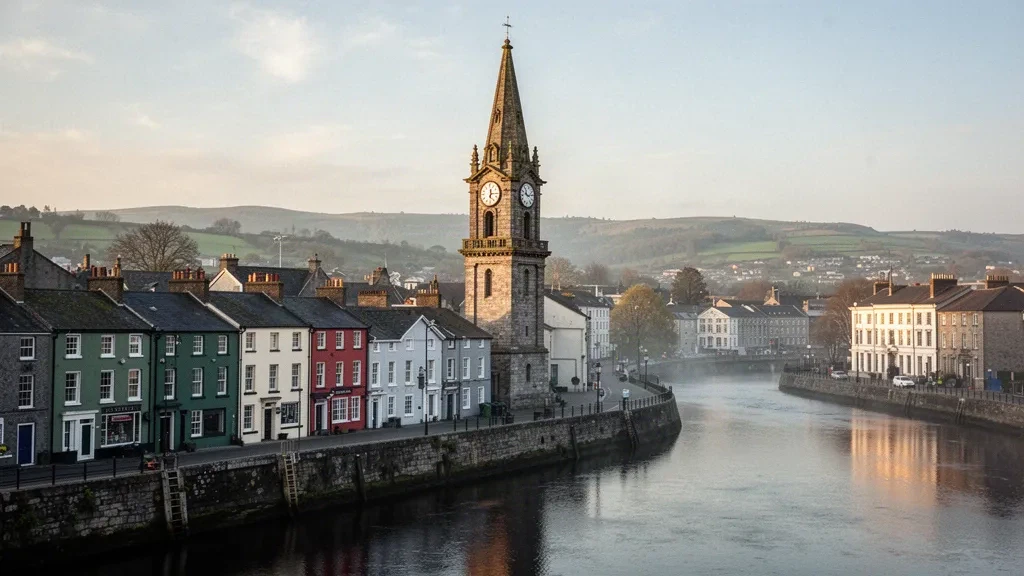
Cork is Ireland's second city, set on the River Lee near the south coast and surrounded by the green landscapes of County Cork. Its compact, walkable centre mixes Georgian streets, Victorian terraces, busy bridges and a strong independent food culture, giving the city a relaxed but energetic character. The city grew from a 6th-century monastic settlement founded by Saint Finbarr and developed through Viking and medieval periods into a major Atlantic port. Landmarks include the French Gothic Saint Fin Barre's Cathedral, the 18th-century English Market, the Shandon Bells of Saint Anne's Church and Cork City Gaol, which together trace the city's religious, commercial and maritime past. Central areas such as St Patrick's Street, Oliver Plunkett Street and the Victorian Quarter around MacCurtain Street are known for shopping, cafés, pubs and restaurants. University College Cork, the Crawford Art Gallery, Fitzgerald Park and Blackrock Castle add green spaces and cultural stops, while nearby Blarney Castle, Cobh and Kinsale are popular day trips. Cork is also a base for international business, particularly in pharmaceuticals, technology and food production, and hosts events including the Guinness Cork Jazz Festival, Cork Midsummer Festival and Cork International Film Festival. The English Market and a wide network of independent restaurants, bakeries and food producers make dining a central part of any visit. Leisure travellers come for the history, food and access to the south-west coast, while business visitors benefit from a compact centre, good airport links and a growing conference and event scene.
Cork Travel Guide
Best Time to Visit
Late spring through early autumn brings Cork's mildest weather and liveliest outdoor atmosphere, with long evenings and a full festival calendar. Autumn is known for the Guinness Cork Jazz Festival, while winter is quieter and well suited to indoor attractions, cosy pubs and seasonal markets.
How to Get Around
Cork's compact centre is easy to explore on foot, and local city buses connect the centre with suburbs and nearby towns. Taxis, private transfers and rental cars are useful for reaching the airport, hillside neighbourhoods and destinations around County Cork.
Where to Stay
The city centre and Victorian Quarter suit first-time visitors wanting shops, restaurants and landmarks within walking distance. Quieter bases such as Douglas, Ballincollig or the Lee-side suburbs offer more space while remaining a short drive or bus ride from the centre.
Food & Drink
The English Market is the best-known food stop, with local cheeses, seafood and artisan produce alongside casual cafés. Cork's dining ranges from traditional pubs and seafood restaurants to modern Irish cooking, with craft breweries, distilleries and bakeries spread across the city.
Ground Transportation Services in Cork
Airport Transfers
Travel between Cork Airport and hotels, the city centre, business parks and destinations across Cork and the surrounding county.
Hourly Chauffeur
Book a private chauffeur by the hour for business meetings, events, sightseeing and flexible journeys around Cork and nearby towns.
Car Rental
Rent a car at Cork Airport or in the city for independent travel around Cork and convenient trips to Kinsale, Cobh, Blarney and the south-west coast.
Bus & Group Transfers
Arrange minibuses or charter buses for groups, corporate travel, events, airport transfers and tours in Cork and the wider region.
Frequently Asked Questions
Related Cities in Ireland
View all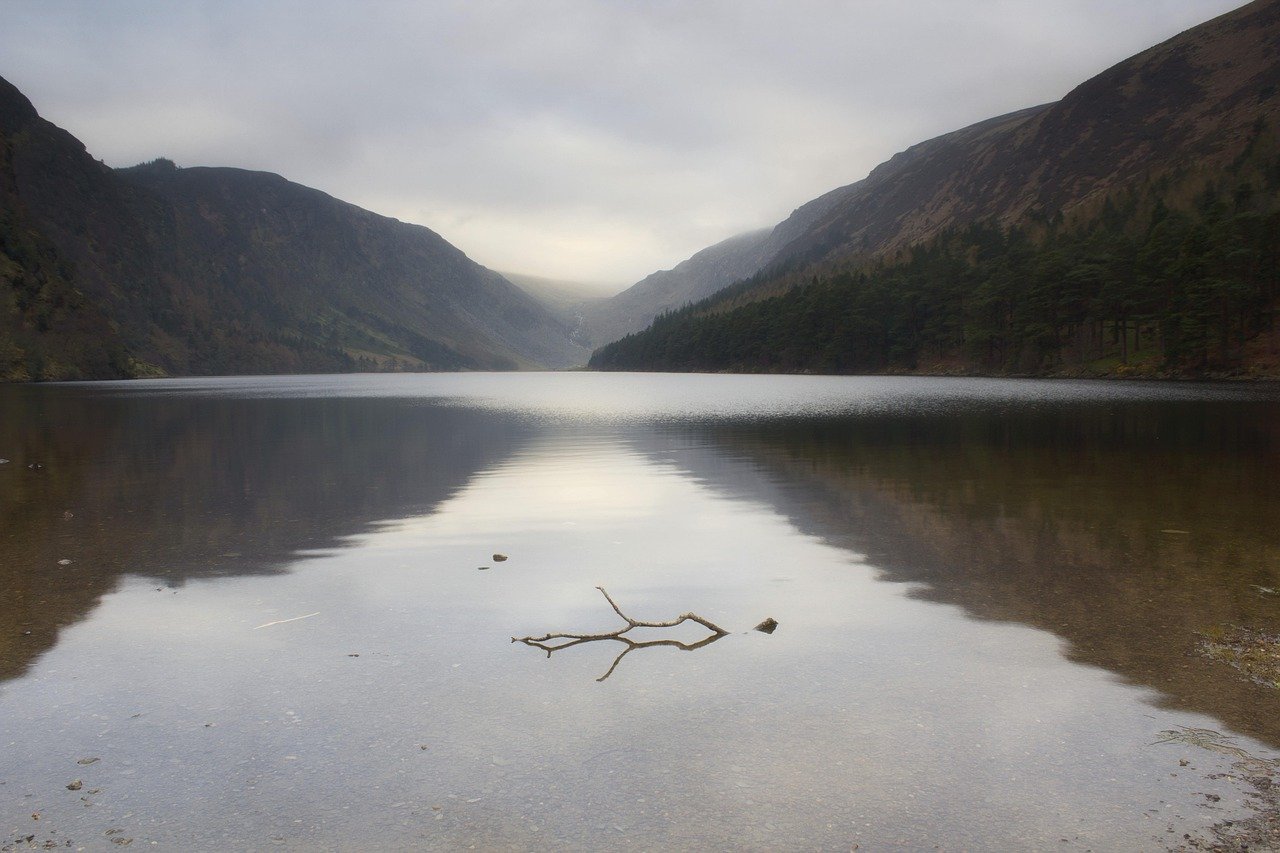
Wicklow
Set where the Vartry river meets the Irish Sea, Wicklow town pairs a Norman-era past and the granite walls of its old gaol with a working harbour, a growing food scene and quick access to the Wicklow Mountains.
Wexford
Wexford, a historic harbour town in Ireland's southeast, blends Viking and Norman heritage with a lively arts scene, narrow streets and the renowned Wexford Festival Opera.
Westmeath
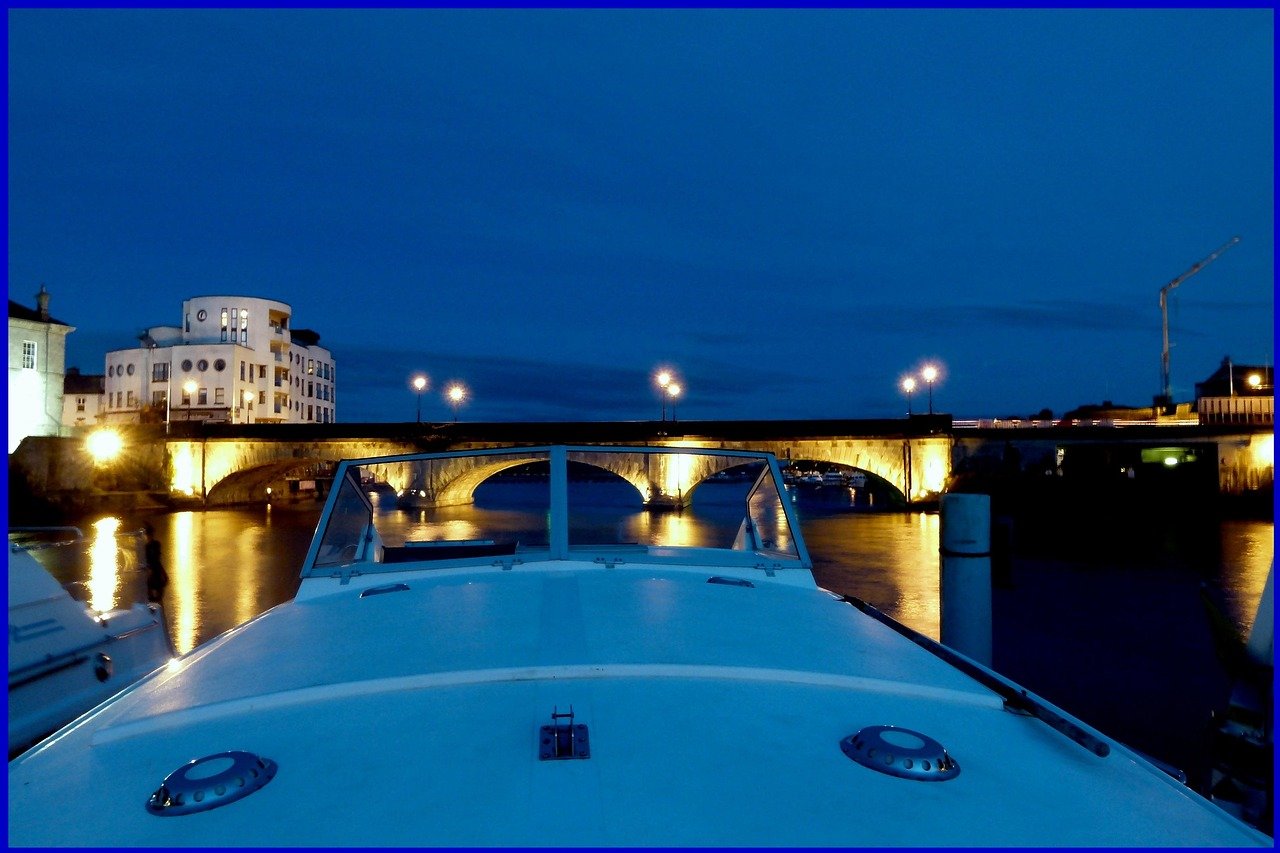
Westmeath, in Ireland's midlands, is known for its lakes, historic towns such as Mullingar and Athlone, and a relaxed rural pace.