Gangtok
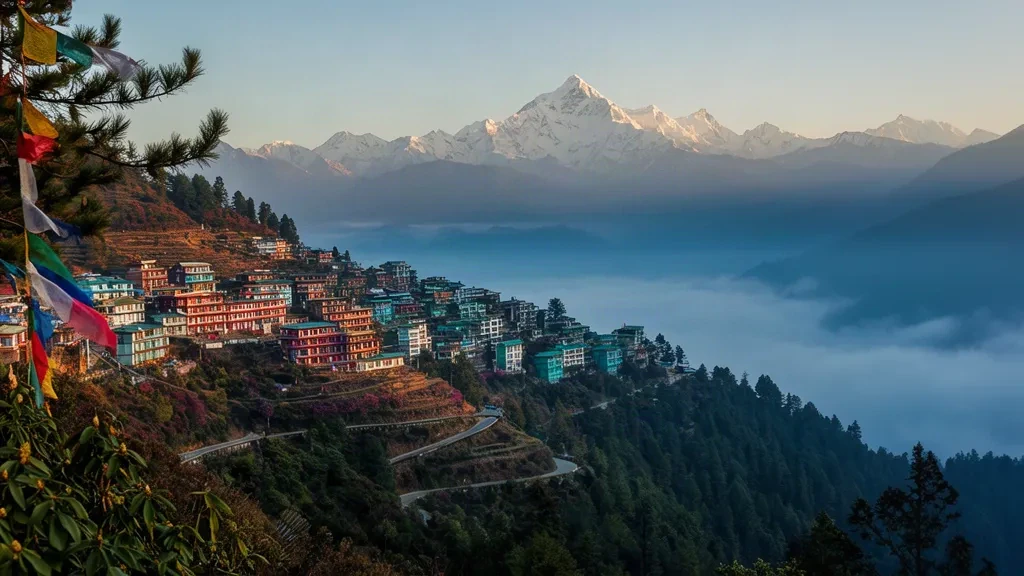
Gangtok, the capital of Sikkim, pairs deep Buddhist heritage with a lively hill-town atmosphere, where monasteries, markets and sweeping Himalayan views define daily life.
Passengers
Luggage
About Sikkim
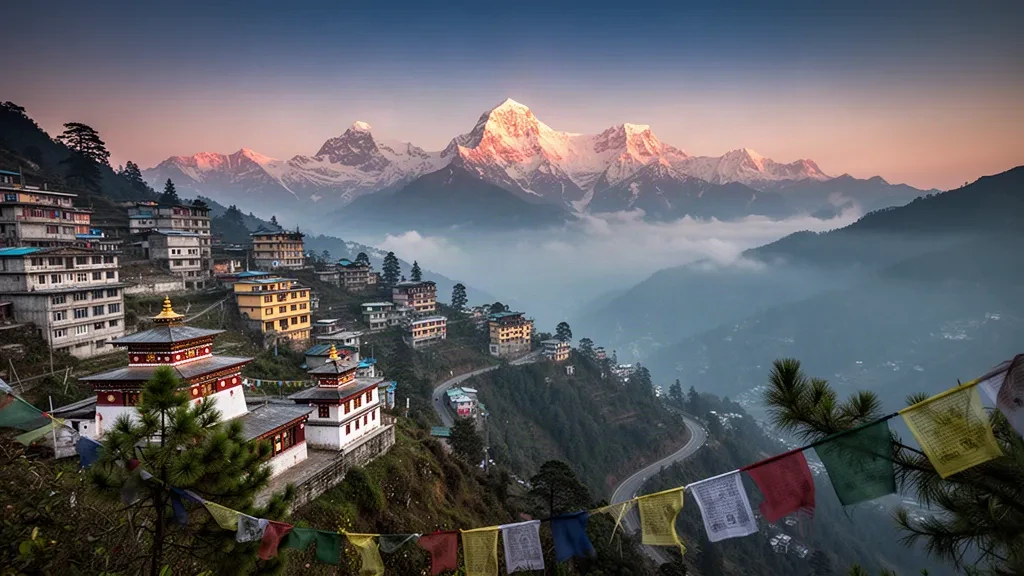
Sikkim is a small Himalayan state in northeastern India, wedged between Nepal, Tibet (China) and Bhutan and overlooked by Kanchenjunga, the world's third-highest mountain. Its capital, Gangtok, is the main gateway, and the state is widely known for dramatic mountain scenery, Buddhist monasteries and its status as India's first fully organic state.
Sikkim's history as the former Namgyal kingdom still shapes its identity today. Tibetan Buddhist heritage is visible at monasteries such as Rumtek, Pemayangtse and Tashiding, while Lepcha, Bhutia and Nepali communities add layers of language, festivals and everyday culture to towns and villages.
Most visitors begin in Gangtok, where MG Marg offers a pedestrian-friendly hub of cafés, shops and viewpoints, and nearby sights include Enchey Monastery and the Rumtek complex. Farther out, Tsomgo Lake, Nathu La, the flower-filled Yumthang Valley, Gurudongmar Lake and the Kanchenjunga-facing town of Pelling are among the most popular stops.
Tourism is the main economic driver alongside organic agriculture, hydropower and a growing pharmaceutical sector. Festivals such as Losar, Saga Dawa, Pang Lhabsol and Dasain mark the calendar, while local food centres on momos, thukpa, phagshapa and the warm millet drink tongba.
For travellers, Sikkim combines eco-tourism, trekking and Buddhist culture with a manageable mountain road network. It appeals to leisure visitors seeking scenery and monasteries as much as to business and small-group travellers attending meetings, events or field trips in and around Gangtok.
Sikkim Travel Guide
Best Time to Visit
October to December and March to May offer clear mountain views and comfortable weather for sightseeing and trekking. The June-to-September monsoon brings heavy rain and landslide risk, while winter brings snow to higher elevations.
How to Get Around
Shared taxis and private jeeps are the main way to travel between Gangtok, Pelling, Lachung, Lachen and other towns, as Sikkim has no railway network. Permits are required for some protected and border areas such as Nathu La and Tsomgo Lake.
Where to Stay
Gangtok is the main base, with hotels and homestays around MG Marg and nearby hillsides. Pelling offers Kanchenjunga views, while Lachung and Lachen are convenient overnight stops for North Sikkim journeys.
Food & Drink
Sikkimese food blends Nepali, Tibetan and Lepcha influences, with momos, thukpa, phagshapa, gundruk and sel roti widely available. Try tongba, a warm fermented millet drink, and visit the cafés and bakeries along Gangtok's MG Marg.
Ground Transportation Services in Sikkim
Airport Transfers
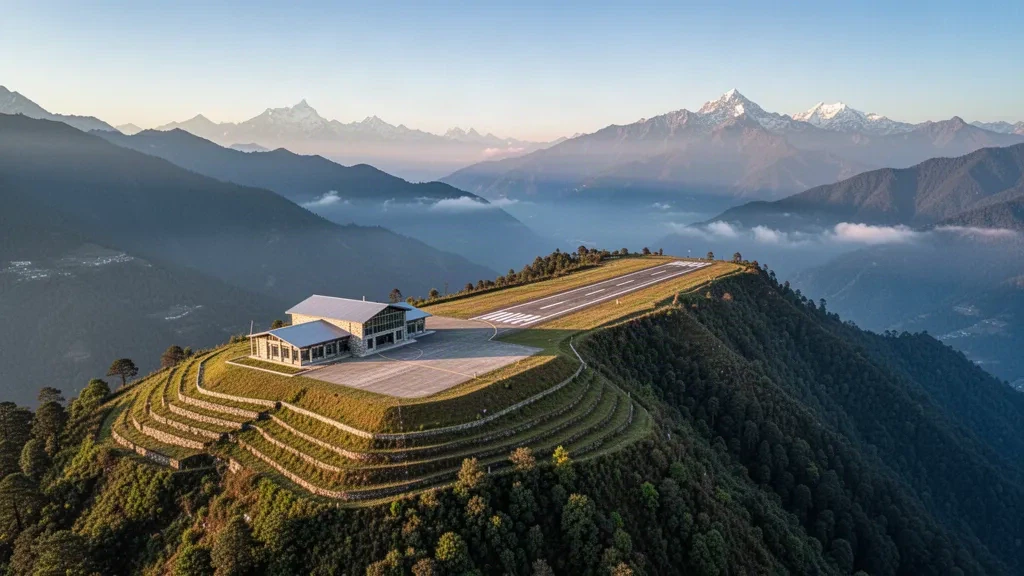
Travel between Pakyong Airport or Bagdogra Airport and Gangtok, Pelling, Lachung, Lachen and other destinations across Sikkim.
Hourly Chauffeur
Book a private chauffeur by the hour for Gangtok sightseeing, monastery visits, North Sikkim excursions and flexible mountain-road travel.
Car Rental
Rent a car or SUV with a driver for exploring Sikkim's hill towns, viewpoints and valleys at your own pace.
Bus & Group Transfers
Arrange minibuses or charter buses for groups, corporate trips, treks, monastery tours and transfers between Gangtok, airports and North Sikkim.
Frequently Asked Questions
Related Cities in India
View all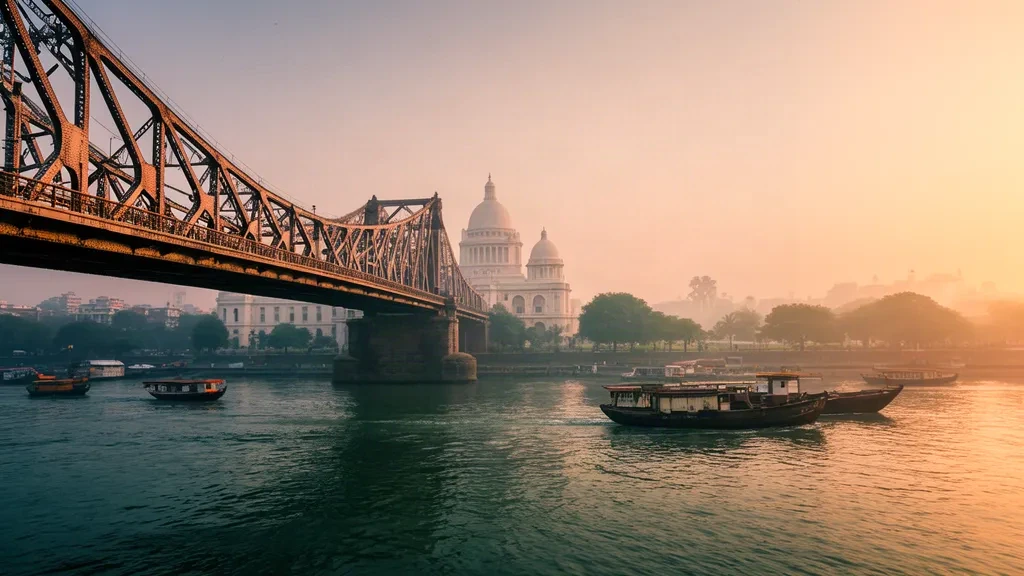
Kolkata
Kolkata, West Bengal's capital, is a storied city on the Hooghly River, known for colonial-era architecture, vibrant neighbourhoods, literary and artistic heritage, Durga Puja festivities and a distinctive culinary scene.
Dehradun
Dehradun, the capital of Uttarakhand, sits in the Doon Valley between the Himalayan foothills and the Shivalik range, known for its colonial-era architecture, lush sal forests and gateway access to Mussoorie and Rishikesh.
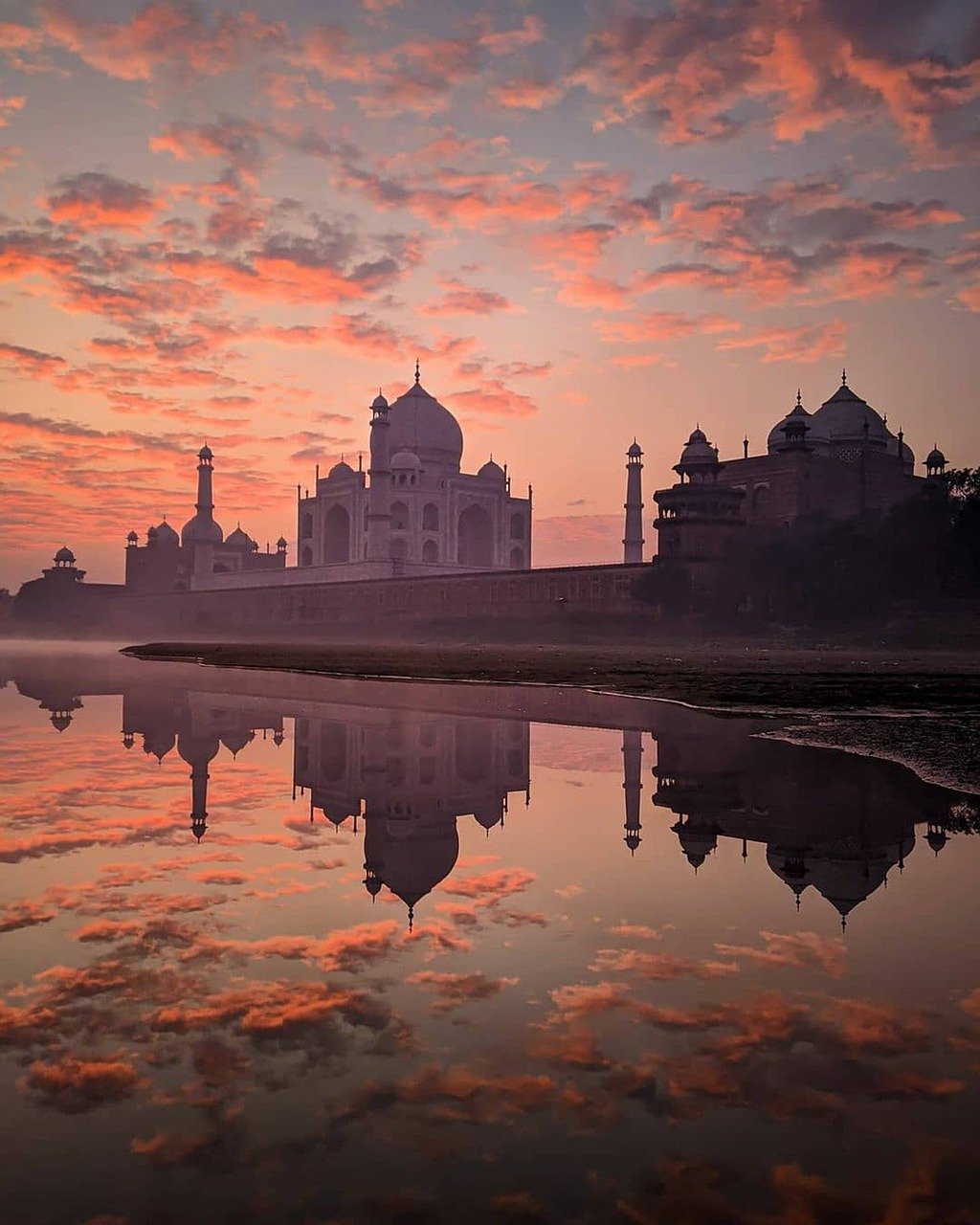
Lucknow
Lucknow, the capital of Uttar Pradesh, is known for its refined Nawabi heritage, ornate architecture, chikankari embroidery and lively culinary traditions. Its historic monuments, gardens and bustling bazaars give the city a distinctive old-world charm.