Gracias a Dios
Gracias a Dios, Honduras, is a remote Caribbean destination where rainforest, rivers and Miskito communities shape one of the country's most isolated corners. Puerto Lempira serves as the main hub for exploring its lagoons, coastline and dense tropical interior.
Passengers
Luggage
About Gracias a Dios
Puerto Lempira is the capital of the Gracias a Dios department in northeastern Honduras and the main town of the remote La Mosquitia region. It stands on the shore of the Caratasca Lagoon and serves as a regional centre for government, trade, healthcare and transport in one of the least densely populated parts of the country.
The town takes its name from Lempira, the 16th-century indigenous leader who resisted Spanish forces, and has been the departmental capital since 1975. Much of the local population is Miskito, and Spanish and Miskito are both part of daily life, giving Puerto Lempira a distinctive cultural character shaped by Caribbean and indigenous traditions.
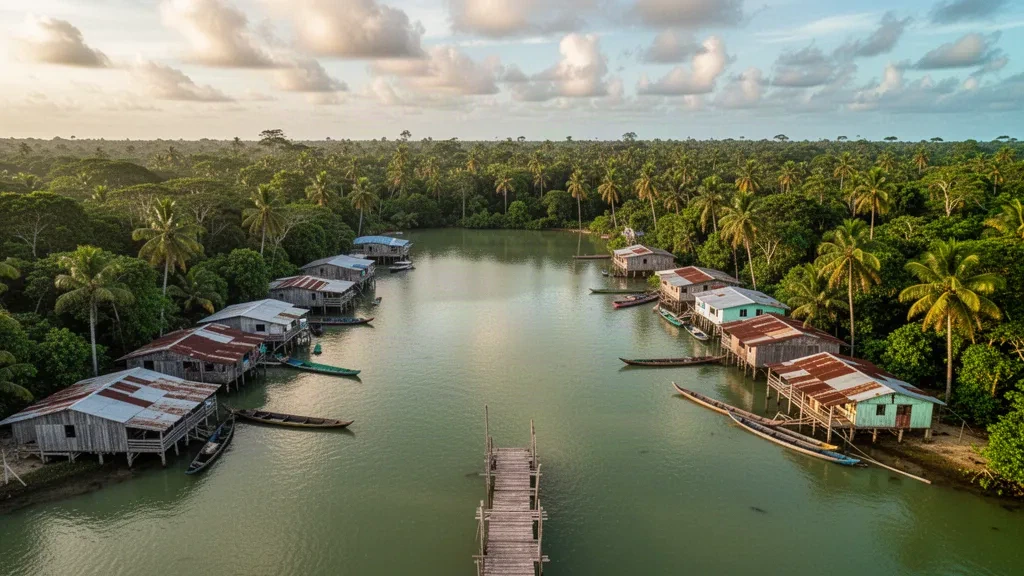
Around the town, the Caratasca Lagoon opens into a network of mangroves, wetlands and coastal waterways used by fishing communities. Visitors come here for boat trips, fishing, birdlife and contact with Miskito villages, while the lagoon shore and the municipal dock offer a glimpse of everyday regional life.
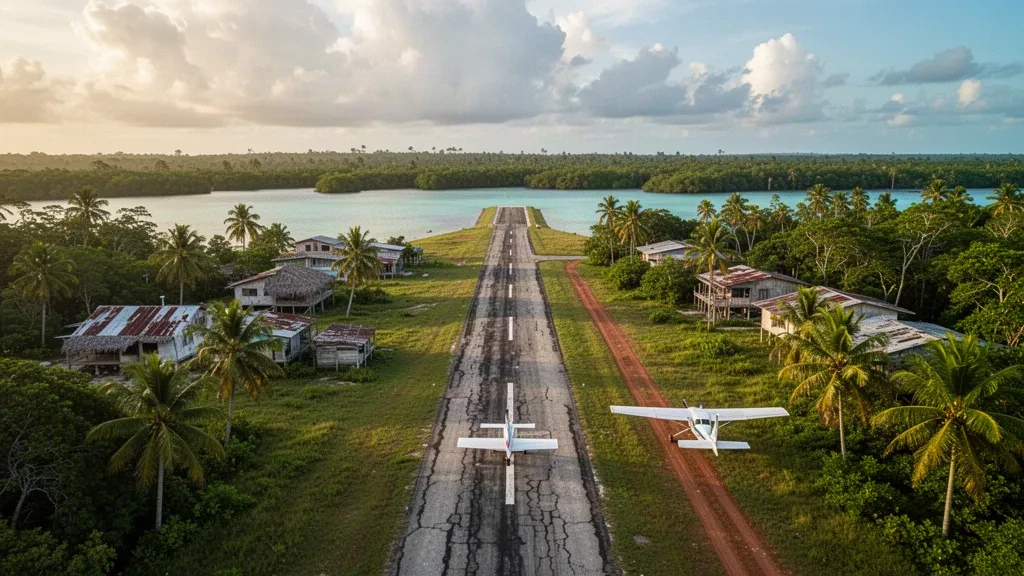
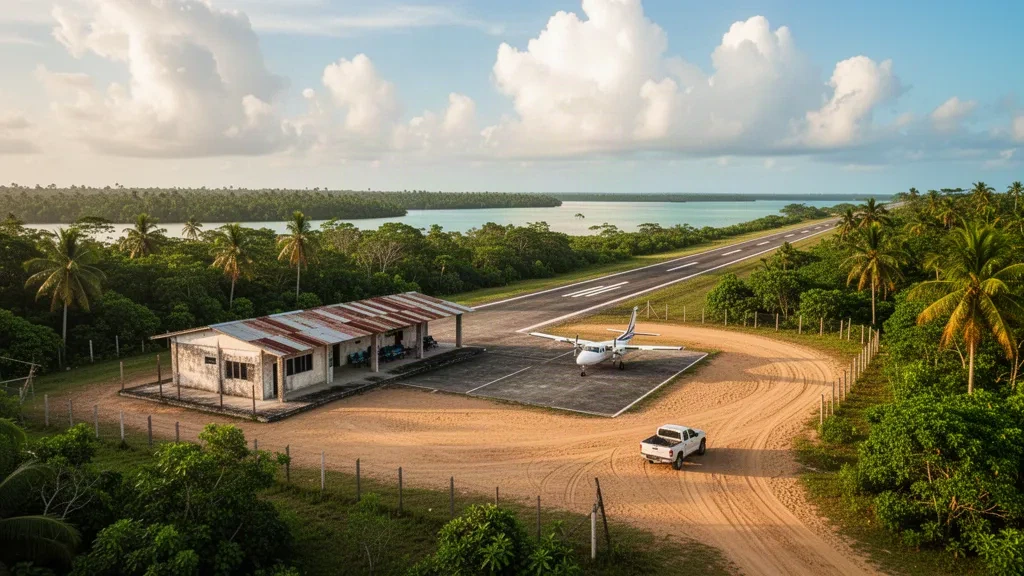
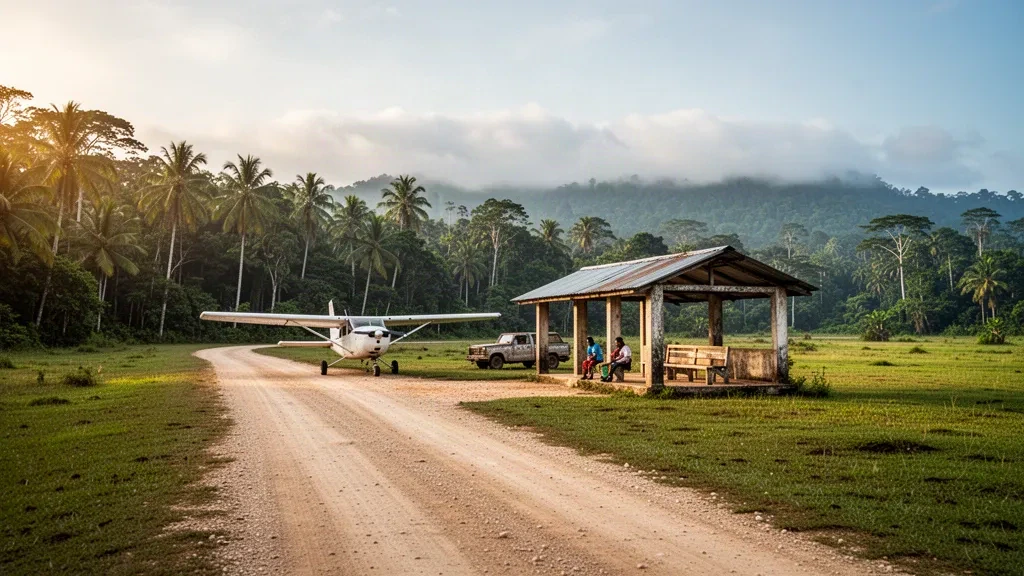
As a service centre, Puerto Lempira has a small airport, basic hotels, guesthouses, shops and a market, but infrastructure remains limited compared with mainland Honduran cities. Most arrivals are by air, and boats remain essential for reaching villages and protected areas across La Mosquitia.
For travellers, Puerto Lempira is a practical base and gateway rather than a conventional sightseeing destination. It appeals mainly to adventurous visitors, researchers, NGOs and business travellers working in the region, all drawn by its lagoon landscapes, indigenous culture and role as the administrative heart of Gracias a Dios.
Gracias a Dios Travel Guide
Best Time to Visit
The drier months from roughly January to May offer more reliable conditions for flights, boats and outdoor travel around the Caratasca Lagoon. Rainfall is heavier from June to December, when muddy tracks and rough water can disrupt journeys.
How to Get Around
Puerto Lempira is small enough to explore on foot, while shared or chartered boats are the main way to reach lagoon villages, coastal communities and fishing areas.
Where to Stay
Accommodation is limited and generally simple, with small guesthouses, cabañas and family-run hotels concentrated near the town centre and lagoon. Some travellers also arrange homestays in Miskito communities when heading into La Mosquitia.
Food & Drink
Local food is built around fresh fish, shellfish, plantains, cassava, beans and coconut, served in small comedores and family restaurants. Dining options are modest, and many remote trips include meals provided by communities or guides.
Ground Transportation Services in Gracias a Dios
Airport Transfers
Travel between Puerto Lempira Airport and the town centre, guesthouses, hotels and boat landings with a pre-arranged local vehicle.
Hourly Chauffeur
Book a private driver by the hour for business meetings, community visits, government or NGO appointments and flexible travel around Puerto Lempira.
Car Rental
For travellers who need independent road access, a 4x4 rental can be useful on local tracks around Puerto Lempira, though air and boat transport remain essential for most of La Mosquitia.
Bus & Group Transfers
Arrange group transport for teams, delegations and community visits, or combine minibus transfers with chartered boats for travel to lagoon and coastal areas.
Airports in Gracias a Dios
Frequently Asked Questions
Related Cities in Honduras
View all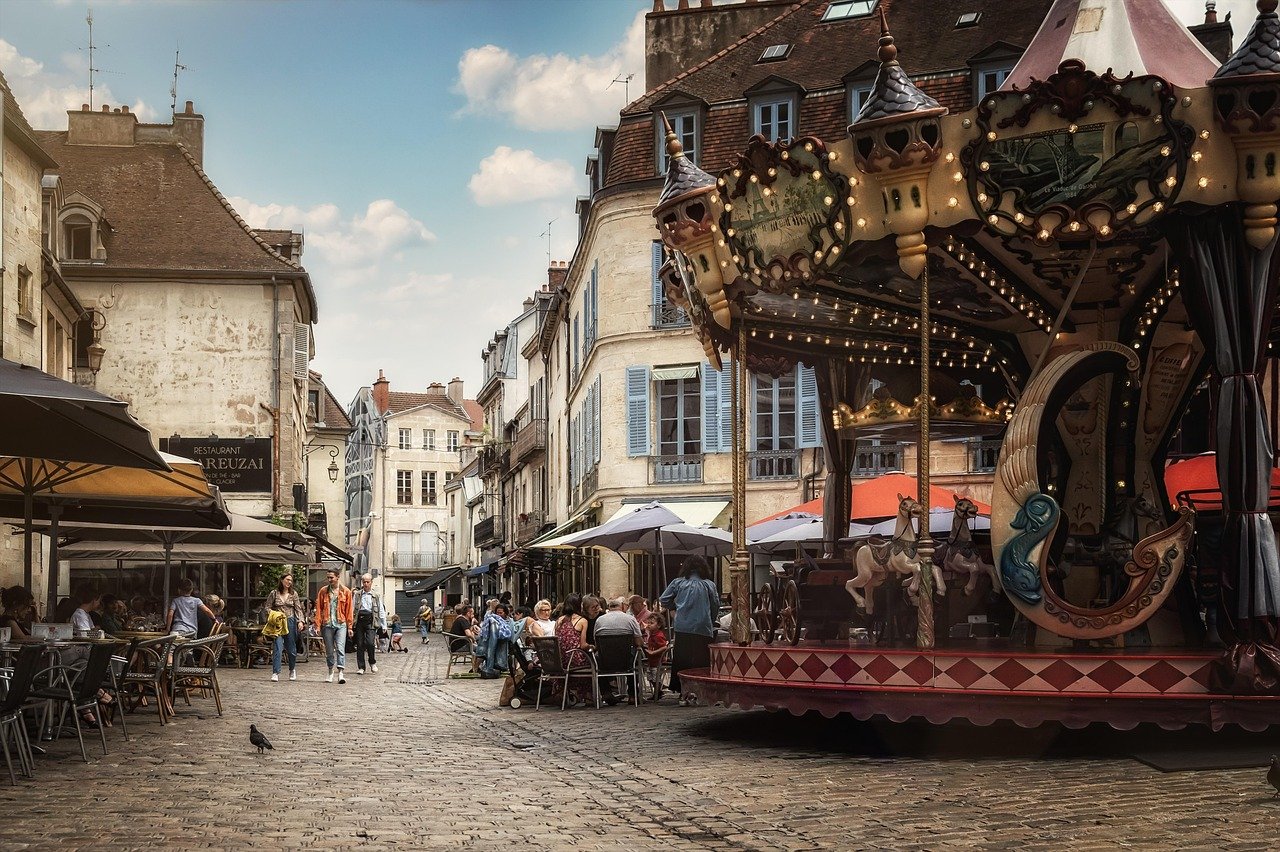
Yoro
Yoro, a highland city in Honduras, blends small-town daily life with distinctive local folklore, most famously the annual Rain of Fish tradition that draws visitors to the area.
Valle
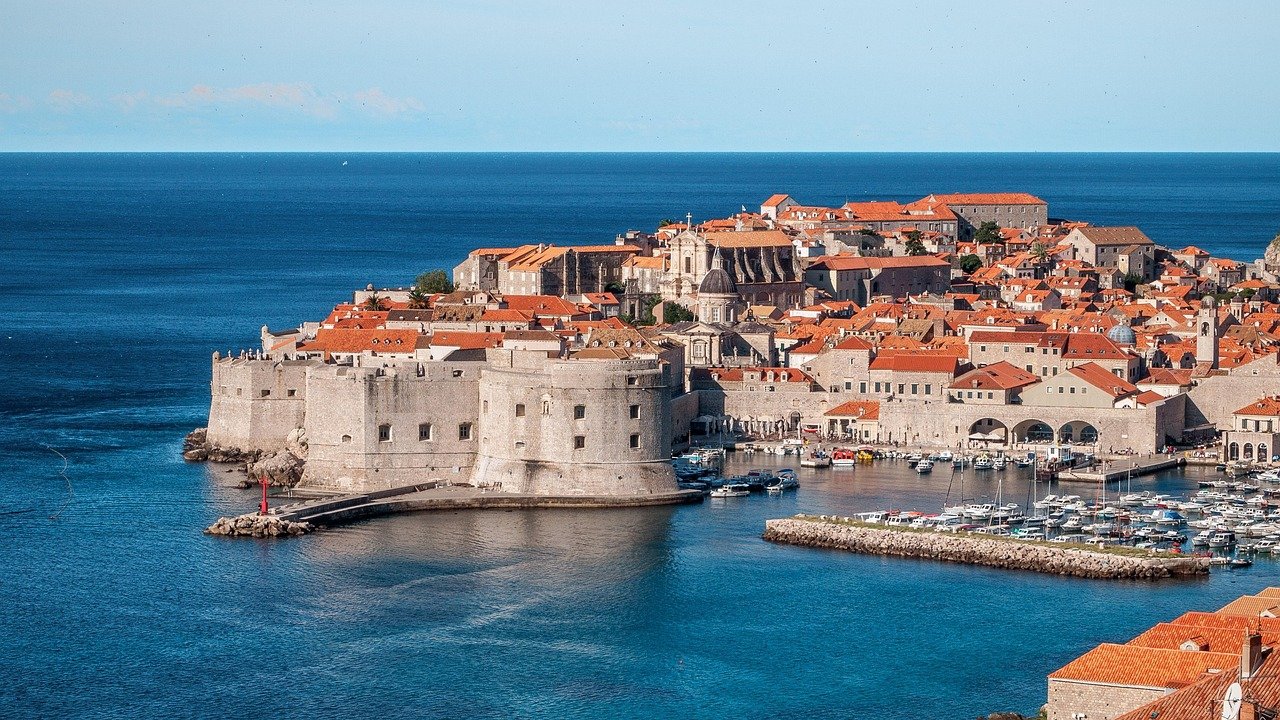
Valle, in southern Honduras, is a quiet destination shaped by Pacific coast landscapes, local traditions and a slower pace of life.
Santa Bárbara
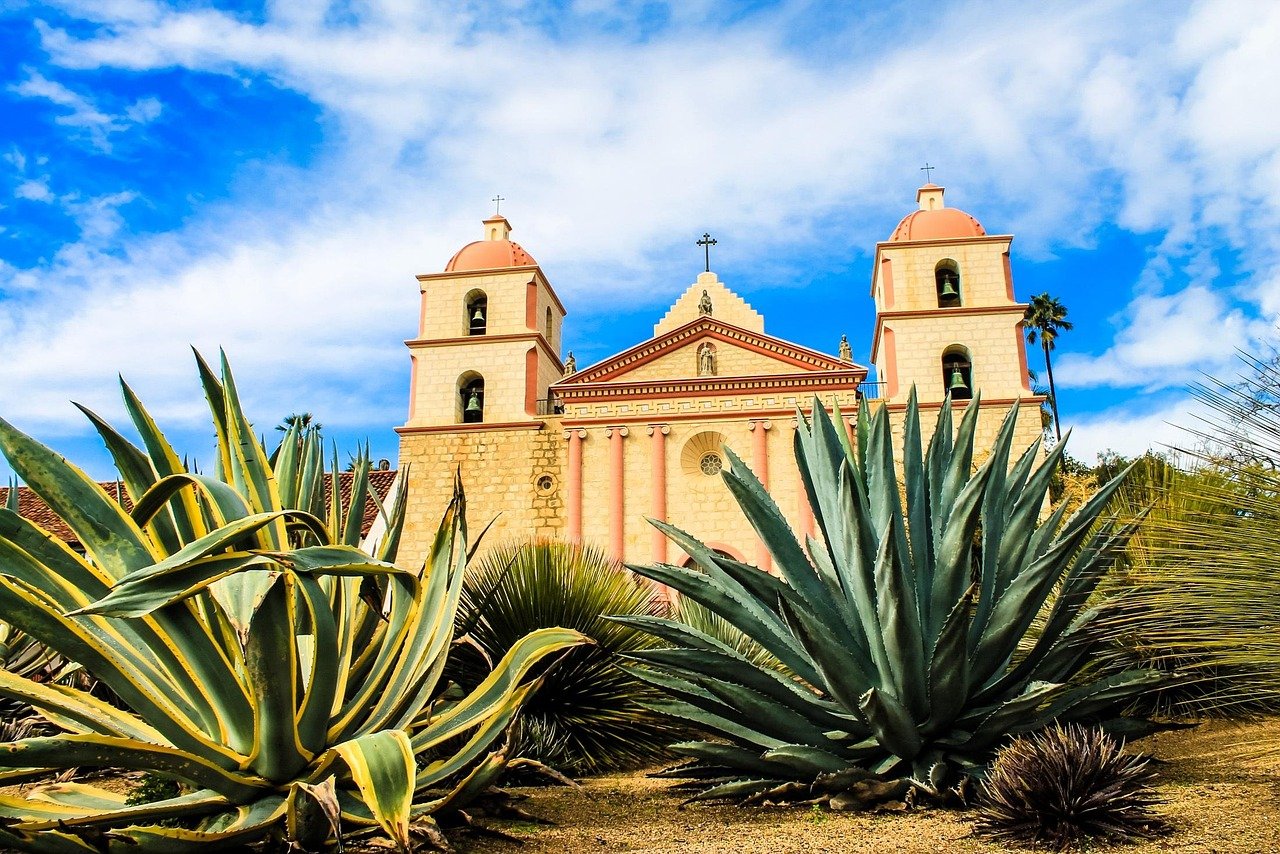
Santa Bárbara is a western Honduran city known for its coffee-growing surroundings, mountain landscapes and unhurried local life, with a historic centre that reflects the region's colonial past.