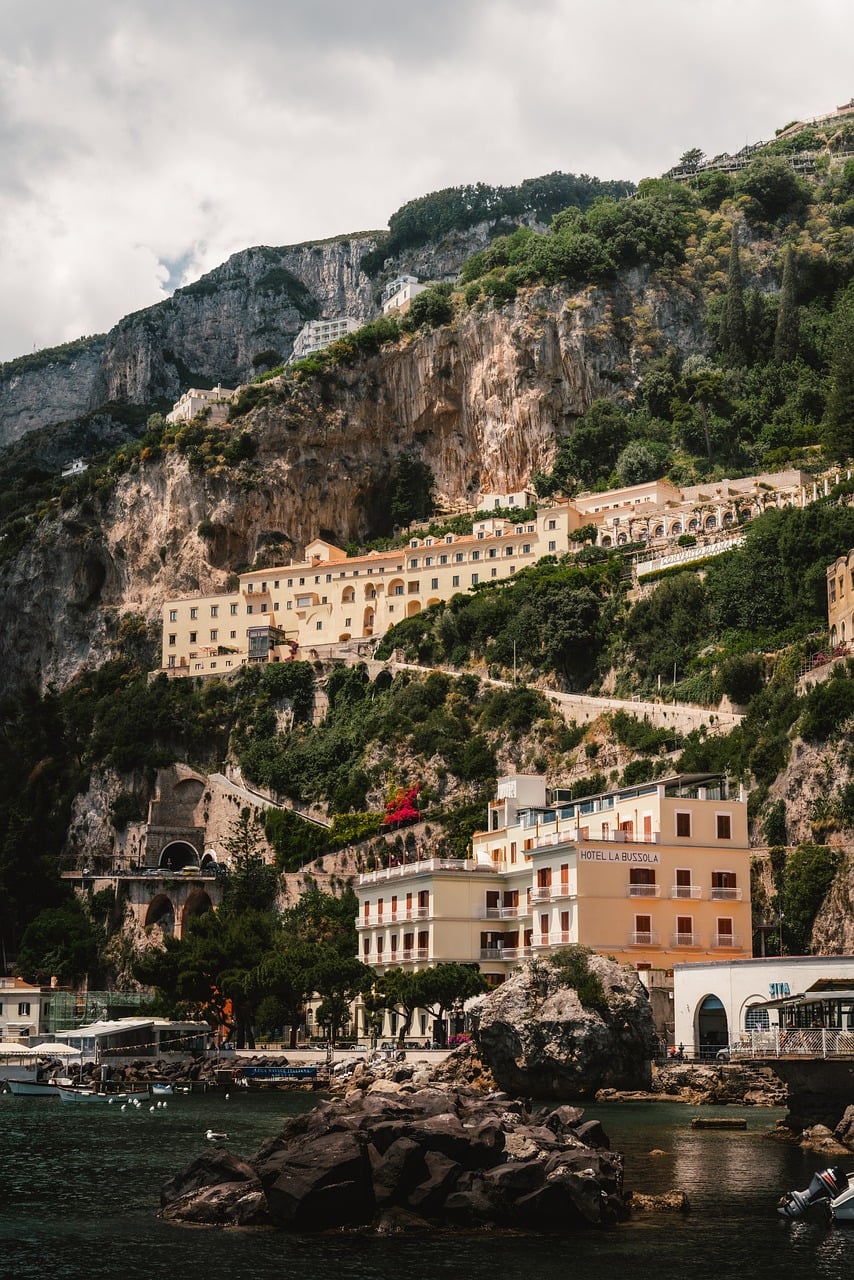
Jacmel
Jacmel is a historic coastal city in southern Haiti, known for its French colonial architecture, vibrant art scene, and lively Carnival celebrations by the Caribbean Sea.
Passengers
Luggage
About Sud-Est
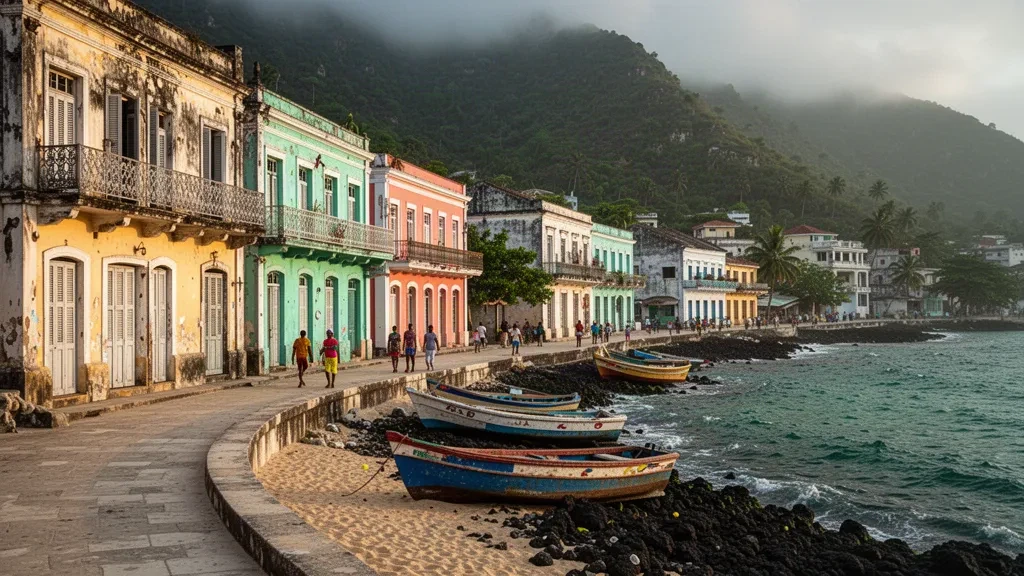
Jacmel is the capital of Haiti's Sud-Est department and one of the country's most distinctive coastal towns. Set on the Baie de Jacmel, it combines a working port, a well-preserved historic core and a lively arts scene built around painting, craft and hand-painted papier-mâché.
Founded in 1698, Jacmel grew rich in the 18th and 19th centuries as a coffee-exporting port. That wealth survives in the arcaded houses and lacy wrought-iron balconies of the historic center, which is on Haiti's tentative list for UNESCO World Heritage status. Landmarks such as Manoir Alexandra, the Cathedral of St. Philip and St. James and Place Toussaint Louverture sit among former merchants' warehouses and colonial-era residences.
The old town centers on Rue du Commerce and Rue Sainte-Anne, where galleries, craft studios and papier-mâché workshops invite unhurried wandering. Outside the center, the turquoise pools of Bassin Bleu lie in the hills north of town, while Raymond-les-Bains and Kabic draw beachgoers and surfers along the coast.
Jacmel is best known abroad for its February Carnival, when the streets fill with giant handmade masks and costumes, and for the Jacmel Film Festival. Its Creole cooking, coffee and cacao traditions, guesthouses and easy access to the southern coast make it a rewarding stop for cultural travelers, artists and small-business visitors exploring southeast Haiti.
Sud-Est Travel Guide
Best Time to Visit
The dry season from November to April offers the most reliable weather for exploring the historic center, beaches and Bassin Bleu. February is a highlight because of Jacmel Carnival, while August to October can bring heavy rain and hurricane risk.
How to Get Around
The historic center is compact and easy to walk, while moto-taxis and shared taxis connect neighborhoods and nearby beaches. A 4x4 or experienced local driver is useful for Bassin Bleu and mountain roads; most international visitors arrive overland from Port-au-Prince.
Where to Stay
The historic center has character hotels and guesthouses near Rue du Commerce, while the seafront and Raymond-les-Bains offer beach lodges. Cayes-Jacmel and the hills above town suit travelers looking for quieter, greener settings.
Food & Drink
Jacmel's food scene centers on Creole staples such as griot, rice with djon-djon, grilled fish and fresh seafood at beachfront restaurants. Local cafés, bakeries and rum-based drinks round out the options in the old town.
Ground Transportation Services in Sud-Est
Airport Transfers
Travel between Toussaint Louverture International Airport in Port-au-Prince and Jacmel by private road transfer, or use Jacmel Airport for local flights and onward connections to hotels and beaches.
Hourly Chauffeur
Book a private chauffeur by the hour for trips to Bassin Bleu, the beaches around Raymond-les-Bains, business meetings and events in and around Jacmel.
Car Rental
Rent a car, often with a driver, for flexible travel around Jacmel and the southern coast; a 4x4 is recommended for mountain roads and rural areas.
Bus & Group Transfers
Arrange minibuses or charter buses for groups attending Jacmel Carnival, the film festival, conferences, airport transfers and tours along the Sud-Est coast.
Frequently Asked Questions
Related Cities in Haiti
View all
Les Cayes
Les Cayes, a historic port city on Haiti's southern coast, blends colonial heritage, lively markets and easy access to nearby beaches and the Caribbean Sea.
Port-au-Prince
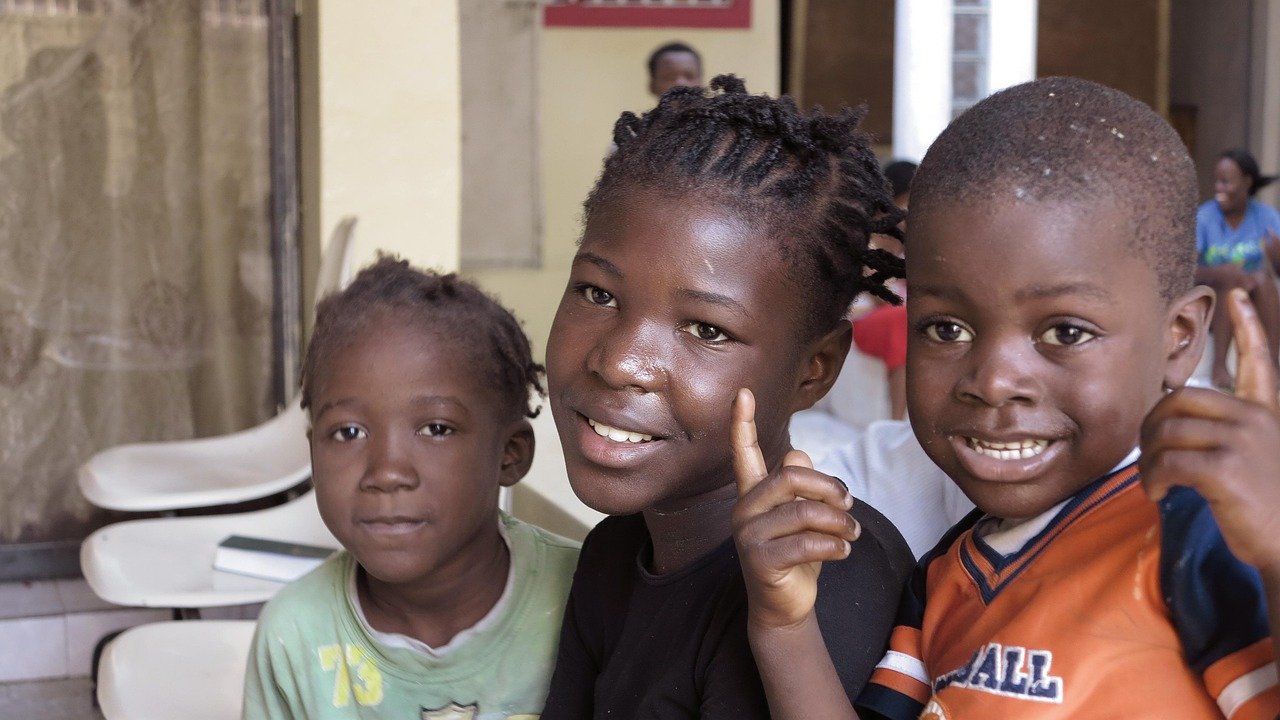
Port-au-Prince, Haiti's lively capital, blends a storied past with vibrant Caribbean culture, colourful architecture, bustling markets and a resilient artistic community.
Port-de-Paix
Port-de-Paix, the capital of Haiti's Nord-Ouest department, is a coastal port city with Creole character, colonial-era roots and a setting that serves as a gateway to Ile de la Tortue.