Faranah
Faranah, a historic town in Upper Guinea, serves as a regional administrative and market center and is known as the birthplace of Guinea's first president, Ahmed Sékou Touré.
Passengers
Luggage
About Faranah
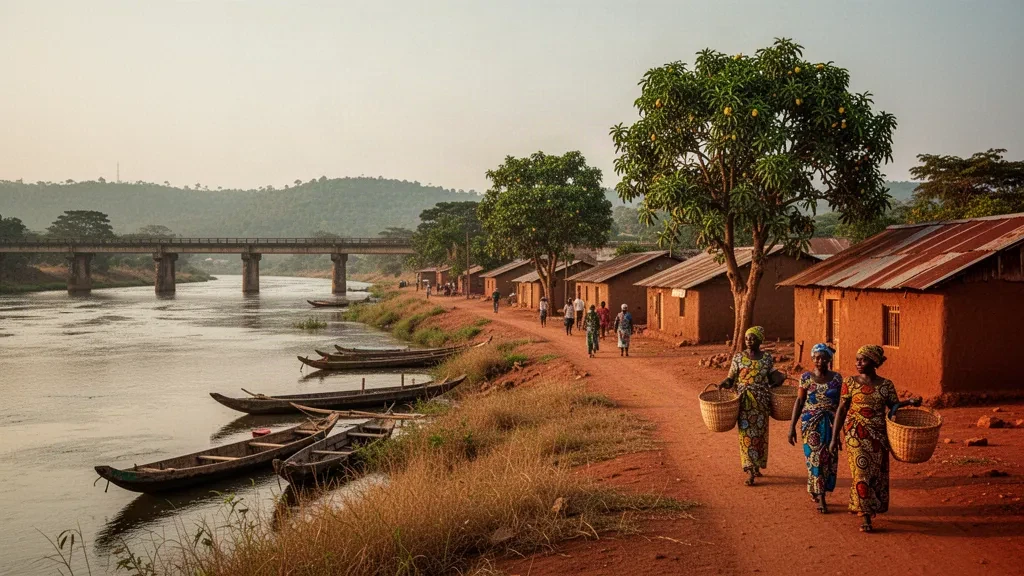
Faranah is a town in central Guinea, set on the banks of the Niger River and serving as the capital of Faranah Region. Its population is mainly Malinke (Maninka), and the town functions as a trading and transport crossroads on the main road between Conakry and Kissidougou.
The town was founded in the 1890s as a French outpost during the campaign against Samory Touré, the Malinke warrior-leader. Faranah is also known as the birthplace of Sékou Touré, Guinea's first president, who later developed his home town with a mosque, a palace and a conference centre.
Faranah lies immediately southwest of Haut Niger National Park, a protected area of savanna, gallery forest and river habitats known for chimpanzees, hippopotamuses, crocodiles and a wide range of birds. The Niger River itself is a central feature of local life, while the Mafou forest core and a chimpanzee conservation centre offer wildlife-focused excursions.
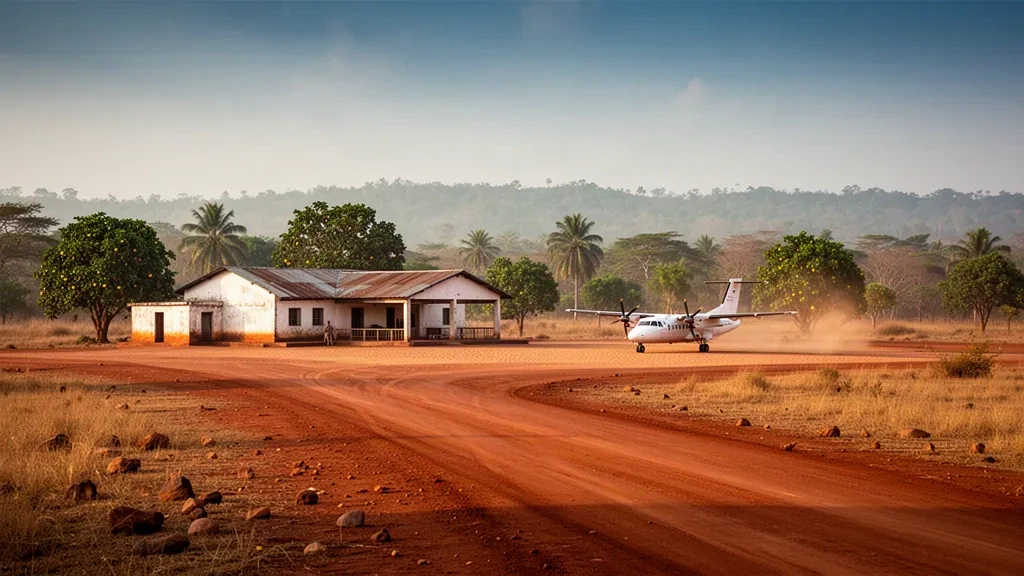
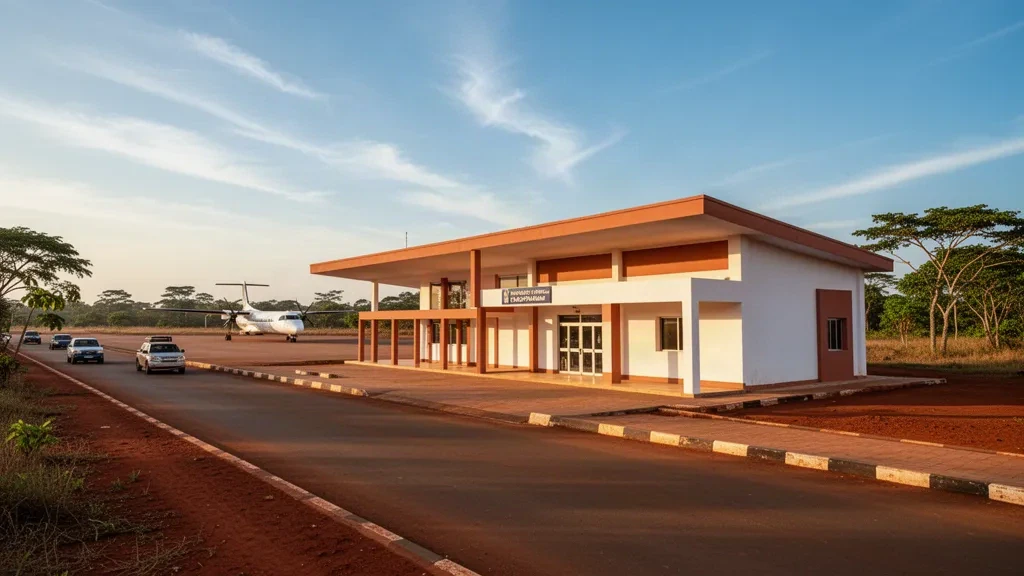
As a regional trade centre, Faranah handles rice, cattle, palm oil and palm kernels, with a lively market, a hospital and a Roman Catholic mission. The town's compact centre is easy to explore, and Faranah Airport provides domestic air access for travellers arriving by road or air.
For visitors, Faranah is a practical base for exploring the Haut Niger National Park, following the upper Niger River and experiencing everyday life in inland Guinea. Business travellers also use the town as a stop on regional routes through central Guinea.
Faranah Travel Guide
Best Time to Visit
The dry season from November to April is the most practical time to visit Faranah, with drier roads and easier access to Haut Niger National Park. The wet season from May to October brings heavy rain and can make regional routes muddy and harder to travel.
How to Get Around
Faranah's compact centre can be explored on foot, while moto-taxis and local taxis cover short trips around town. Shared taxis and bush taxis connect Faranah with nearby towns such as Dabola and Kissidougou, and a private vehicle is useful for reaching the national park.
Where to Stay
Accommodation in Faranah is limited and concentrated in simple guesthouses and small hotels in and around the town centre. Travellers visiting Haut Niger National Park often use Faranah as an overnight base and arrange local guidance for excursions.
Food & Drink
Local dining centres on Guinean staples such as rice, sauces, grilled meat, fish from the Niger and dishes made with palm oil. Small restaurants, cafés and market stalls in Faranah offer everyday Malinke and national dishes at modest prices.
Ground Transportation Services in Faranah
Airport Transfers
Travel between Faranah Airport and hotels, guesthouses, the town centre and other destinations around Faranah with a pre-arranged vehicle.
Hourly Chauffeur
Book a private driver by the hour for business meetings, market visits, sightseeing and flexible trips around Faranah or toward Haut Niger National Park.
Car Rental
Rent a vehicle in Faranah for independent travel through central Guinea and more convenient access to regional roads and natural sites.
Bus & Group Transfers
Arrange a minibus or charter bus for groups, corporate travel, events, airport collections and excursions in the Faranah area.
Airports in Faranah
Frequently Asked Questions
Related Cities in Guinea
View all
Yomou
Yomou is a lively town in southeastern Guinea, set in the Forest Guinea region and shaped by local markets, diverse cultural traditions and the green landscapes that surround it.
Tougué
Tougué is a highland town in Guinea's Fouta Djallon region, with a local market, surrounding plateaus and a strong Fulani cultural heritage.
Télimélé
Télimélé, a town in Guinea's Fouta Djallon highlands, is a local market and administrative centre. Its rural setting and surrounding hills give it a quiet, authentic character.