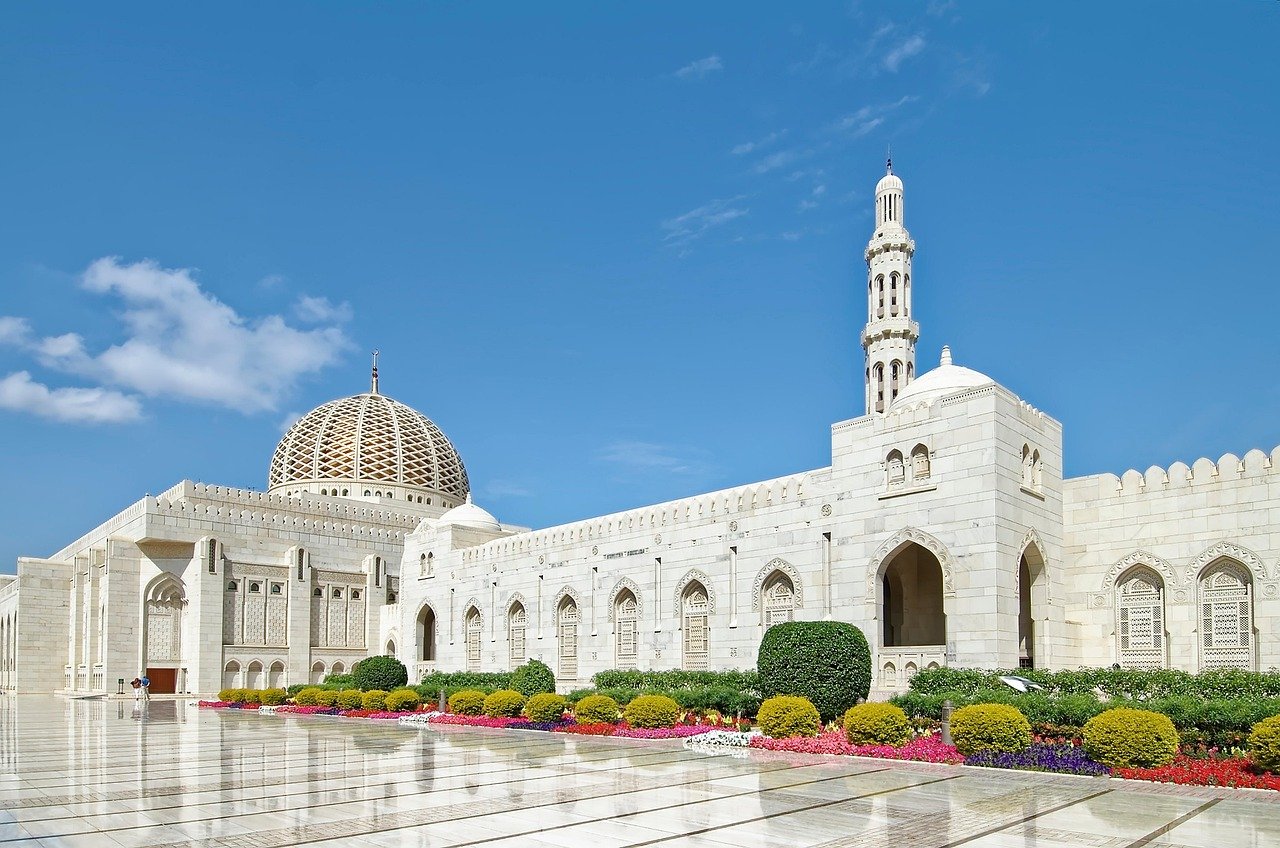
Conakry
Conakry, Guinea's Atlantic capital, pairs a busy port and modern government district with lively markets, Creole music and the Grand Mosque, plus island escapes offshore.
Passengers
Luggage
About Conakry
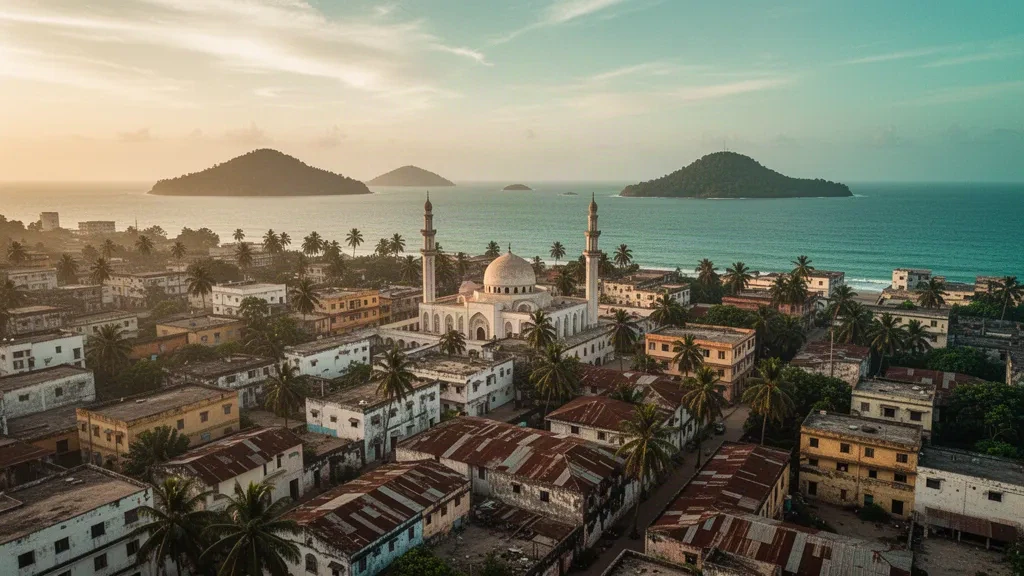
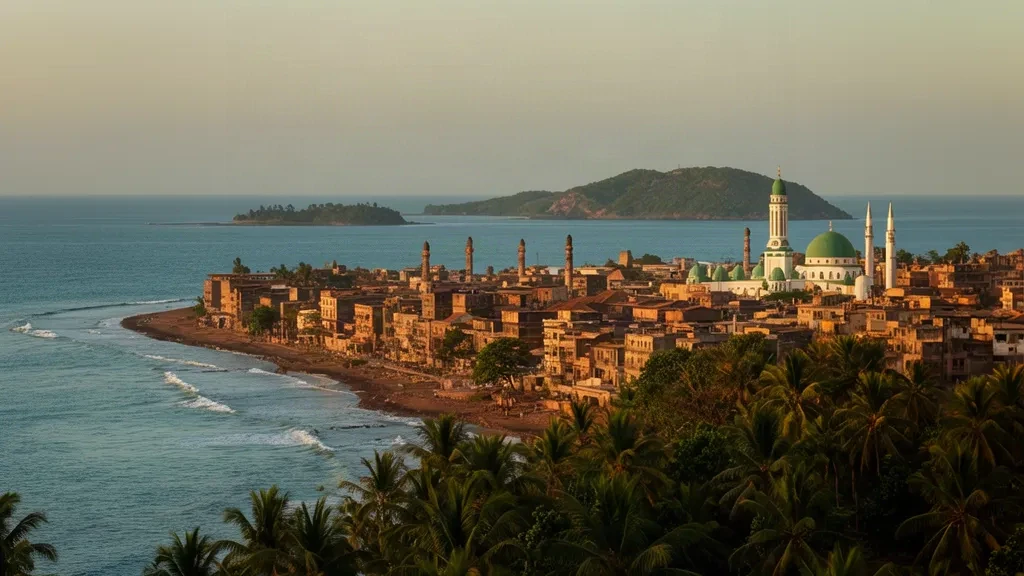
Conakry is Guinea's capital and largest city, stretched along the Atlantic coast and the Kaloum Peninsula. Originally built on Tombo Island, it has grown into a long, narrow urban strip known for its busy port, tropical climate and role as the country's political and economic centre.
The city's history is visible in landmarks such as the People's Palace, the Conakry Grand Mosque and the National Museum of Guinea in the Sandervalia district, which holds archaeological and ethnographic collections. The Presidential Palace and the Mausoleum of Camayenne, where independence leader Ahmed Sékou Touré is buried, add to the city's layered heritage.
Conakry's five communes give the city distinct characters. Kaloum is the downtown core with the port, government offices and the commercial quarter; Dixinn is home to the university and embassies; Ratoma and Matoto hold fast-growing residential and commercial areas; and Matam mixes older neighbourhoods with newer development. Markets such as Madina and Niger are colourful hubs for trade, textiles and local life.
Conakry is the gateway for Guinea's mining and trade economy, with the port handling bauxite and alumina exports and international business concentrated around the peninsula. Festivals, live music and a strong West African arts scene add energy, while the Îles de Los beaches and the botanical garden offer easy escapes.
For leisure and business travellers alike, Conakry serves as the entry point to Guinea and a base for coastal trips and meetings. Visitors can combine urban landmarks, markets and local music with day trips to the islands, making it a distinctive West African destination despite its compressed geography.
Conakry Travel Guide
Best Time to Visit
The dry season from November to April offers the most reliable weather for exploring Conakry, with less rain and lower humidity than the June-to-October rainy season. December to February is especially comfortable, while heavy rains can make roads and neighbourhoods harder to navigate between July and September.
How to Get Around
Conakry's streets are served by shared taxis, minibuses known as magbanas and motorcycle taxis, though routes can be crowded and informal. For greater comfort and reliability, visitors often use private drivers, hotel cars or pre-arranged transfers, especially between the airport, Kaloum and outlying communes.
Where to Stay
Kaloum is the most convenient base for the port, government offices and the business district, while Dixinn and Ratoma offer a wider mix of hotels, restaurants and embassies. Coastal areas near Camayenne and Taouyah provide a quieter setting with easier access to the beach road and dining.
Food & Drink
Guinean cooking in Conakry centres on rice, grilled fish, peanut-based sauces and dishes such as mafé and fouti, often served with plantains or cassava. Madina and Niger markets are lively spots for street food and fresh produce, while beachside restaurants and cafés serve grilled seafood and local juices.
Ground Transportation Services in Conakry
Airport Transfers
Travel between Ahmed Sékou Touré International Airport and hotels, the Kaloum business district, the port and other destinations across Conakry.
Hourly Chauffeur
Book a private chauffeur by the hour for business meetings, events, embassy visits and flexible sightseeing around Conakry.
Car Rental
Rent a car in Conakry for independent travel around the peninsula and convenient day trips to nearby coastal or inland destinations.
Bus & Group Transfers
Arrange minibuses or charter buses for groups, corporate travel, events, airport transfers and organised tours in Conakry.

Frequently Asked Questions
Related Cities in Guinea
View all
Yomou
Yomou is a lively town in southeastern Guinea, set in the Forest Guinea region and shaped by local markets, diverse cultural traditions and the green landscapes that surround it.
Tougué
Tougué is a highland town in Guinea's Fouta Djallon region, with a local market, surrounding plateaus and a strong Fulani cultural heritage.
Télimélé
Télimélé, a town in Guinea's Fouta Djallon highlands, is a local market and administrative centre. Its rural setting and surrounding hills give it a quiet, authentic character.