Totonicapán
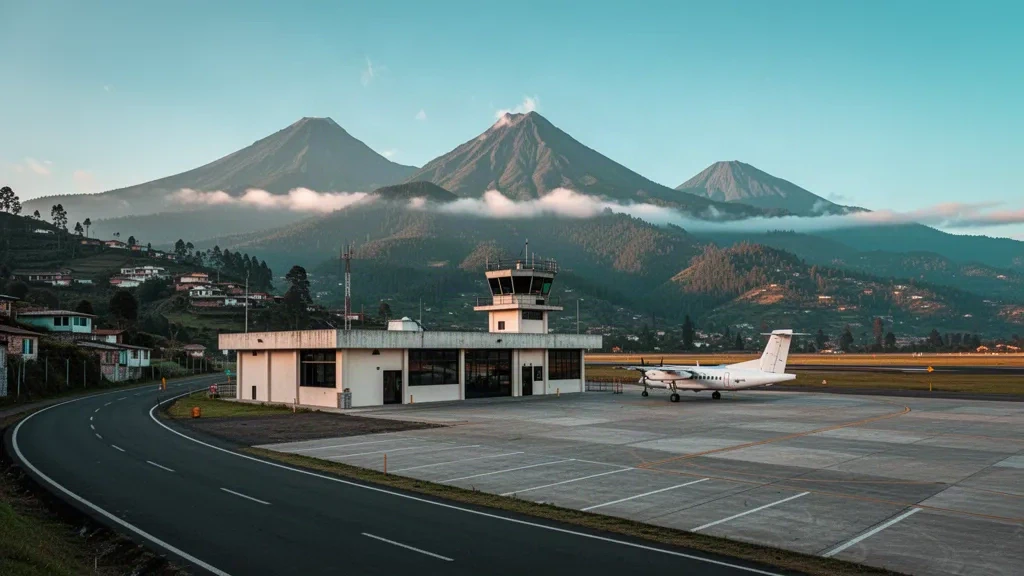
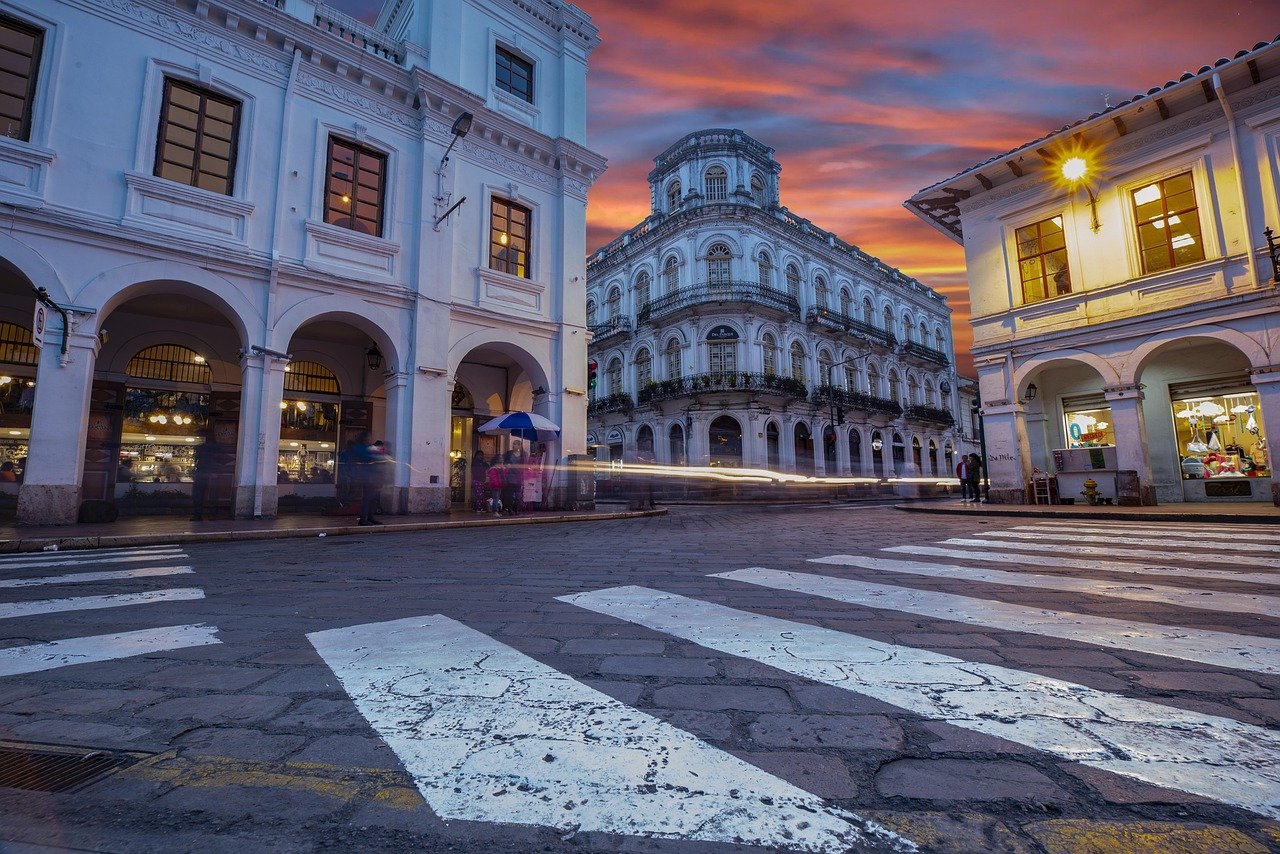
Totonicapán, a highland city in Guatemala's western highlands, is known for its K'iche' Maya heritage, vibrant markets, traditional weaving, and surrounding mountain landscapes.
Passengers
Luggage
About Totonicapán
Totonicapán is a highland city in western Guatemala and the capital of the department of the same name, set at roughly 2,500 metres above sea level on the route between Guatemala City and the western highlands. Its cool mountain climate, strong K'iche' Maya identity and busy trading tradition give the city a distinctive, unhurried character.
The city has deep roots in K'iche' Maya history and was an important centre before and after the Spanish arrival. In 1820, local leaders Atanasio Tzul and Lucas Aguilar headed a rebellion against Spanish tribute demands, an event still remembered in the city's monuments and civic identity. The co-cathedral of San Miguel Arcángel, founded in 1545, anchors the historic centre and reflects centuries of colonial and religious heritage.
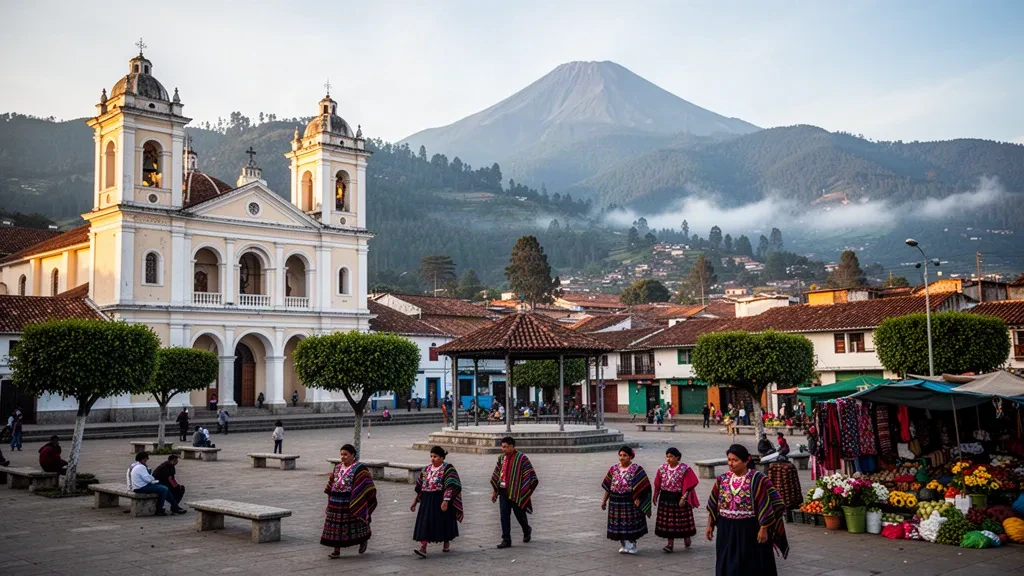
Around the central plaza, visitors find the co-cathedral, municipal buildings and the monument to Atanasio Tzul, while the newer Paseo Chimorral adds an urban art walk through the city. Totonicapán is also known for its community organisation through the 48 cantons, for K'iche' language and dress, and for crafts such as wool textiles, woodwork and pottery.
The surrounding department is rich in highland destinations. San Francisco El Alto, about 17 km away, hosts one of Guatemala's largest open-air markets each Friday, while San Cristóbal Totonicapán and San Andrés Xecul are known for colonial churches with elaborate facades. Momostenango is famous for wool ponchos and the eroded rock landscapes of Riscos de Momostenango, and the Cuxliquel volcano reserve protects pine forest close to the city.
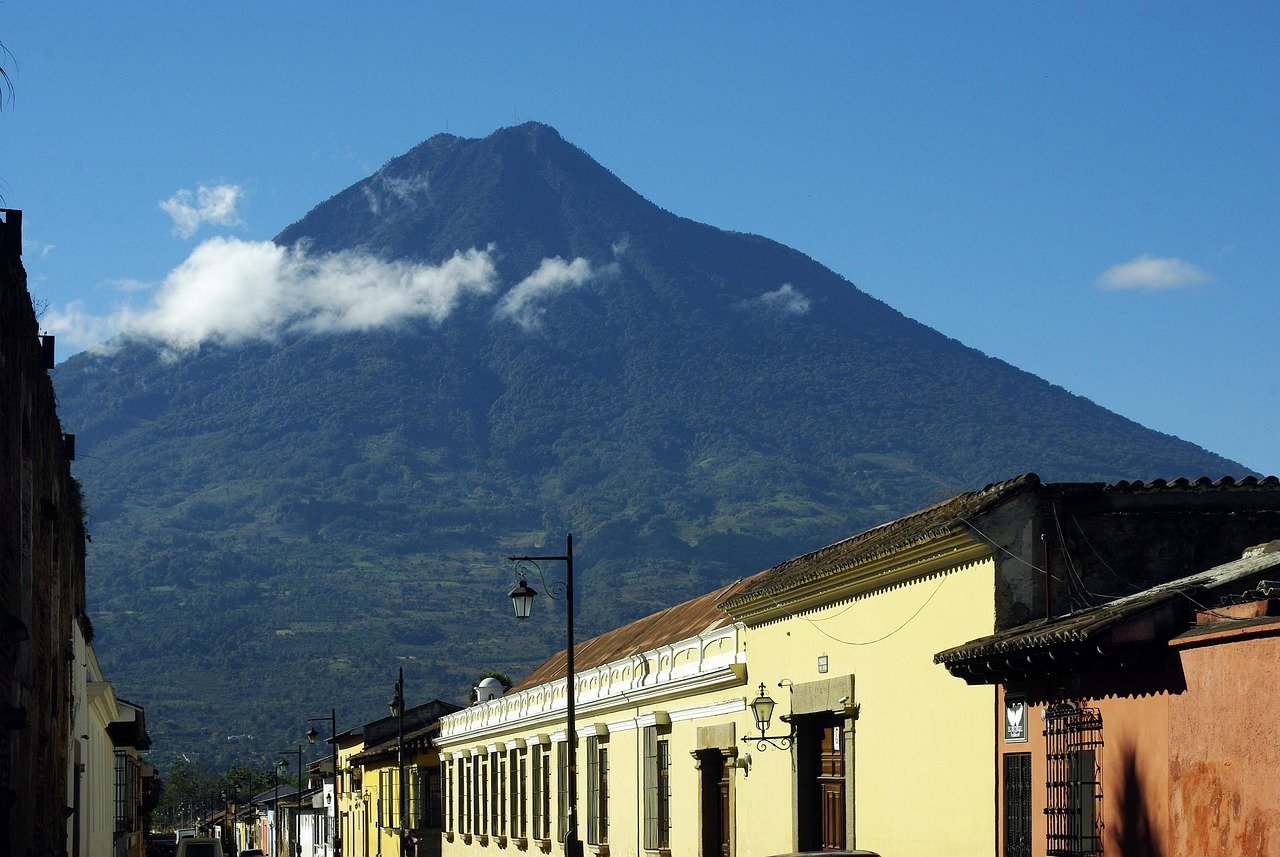
For travellers, Totonicapán works well as a base for market days, church and weaving routes, and excursions to nearby Quetzaltenango. Its altitude and cooler temperatures offer a contrast to lowland Guatemala, while the Inter-American Highway keeps the city connected to the rest of the western highlands.
Totonicapán Travel Guide
Best Time to Visit
The dry season from November to April is the most comfortable time to visit, with clearer highland days and cooler nights. Friday is market day in nearby San Francisco El Alto, and the city's patron fair for San Miguel Arcángel takes place in late September.
How to Get Around
The compact centre of Totonicapán is easy to explore on foot, while mototaxis and microbuses handle short trips around the city. Regular buses connect the town with Quetzaltenango, San Francisco El Alto and Guatemala City, and a rental car is useful for visiting the wider highland area.
Where to Stay
Most lodging options in Totonicapán are simple guesthouses and small hotels near the central plaza, suiting travellers who want to stay close to the market atmosphere. Quetzaltenango, about 25 km away, offers a wider range of hotels and makes a practical alternative base.
Food & Drink
Local food centres on maize-based dishes such as tamales, chuchitos and atol de elote, with market stalls and small comedores serving traditional highland meals. Friday market days and the central area also offer bakeries, hot drinks and fresh produce from the surrounding region.
Ground Transportation Services in Totonicapán
Airport Transfers
Travel between La Aurora International Airport in Guatemala City and Totonicapán by private transfer, covering the roughly 200-km route through the western highlands.
Hourly Chauffeur
Book a private chauffeur by the hour for flexible visits to San Francisco El Alto's Friday market, nearby churches, Quetzaltenango and other highland destinations.
Car Rental
Rent a car in Totonicapán or Guatemala City for independent travel through the western highlands and convenient trips to surrounding market towns.
Bus & Group Transfers
Arrange minibuses or charter buses for group travel to markets, events, church visits and transfers between Totonicapán and nearby highland destinations.
Frequently Asked Questions
Related Cities in Guatemala
View all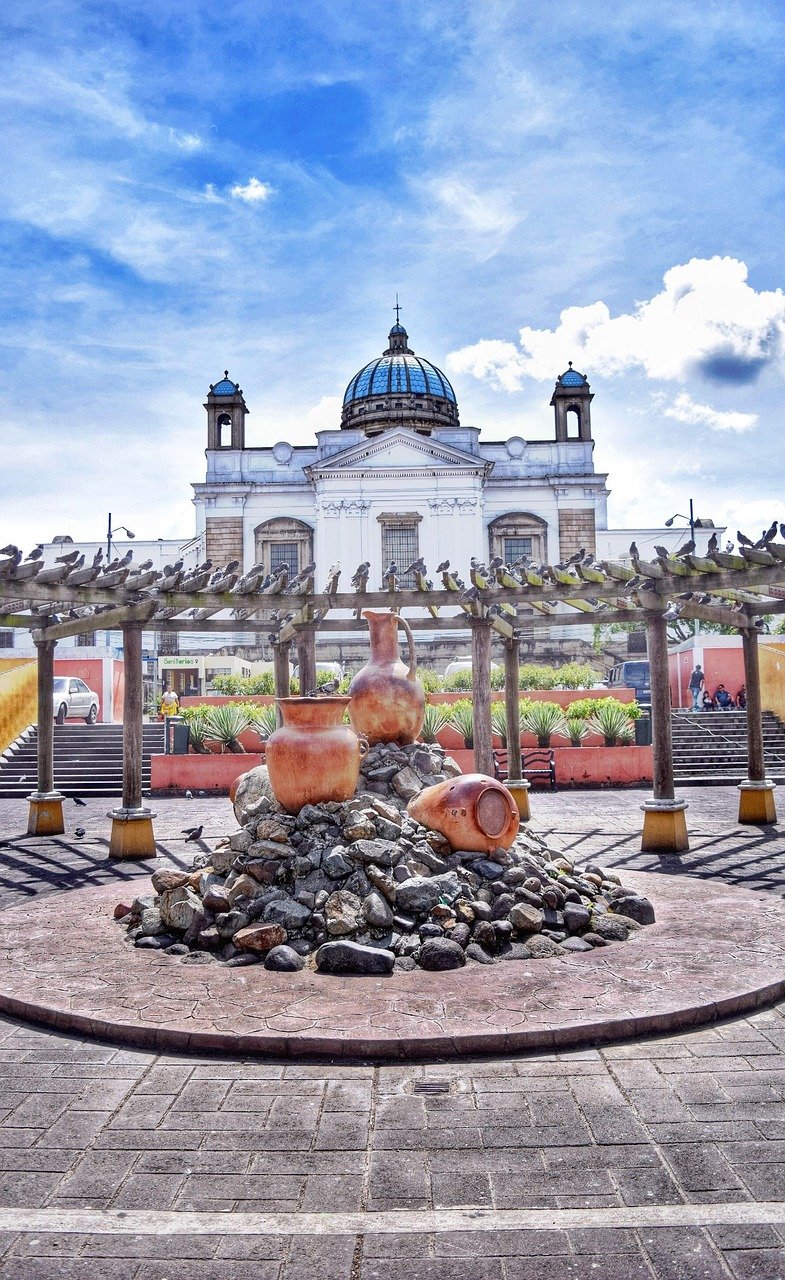
Zacapa
Zacapa is a warm, bustling city in eastern Guatemala, known as a commercial hub for the surrounding sugar cane and tobacco farms. Its central park, lively markets and proximity to the Sierra de las Minas mountains give it a distinct regional character.
Suchitepéquez
Suchitepéquez, in southwestern Guatemala, is known for its fertile coffee and sugar plantations, warm coastal lowlands and highland towns set against volcanic scenery.
Sololá
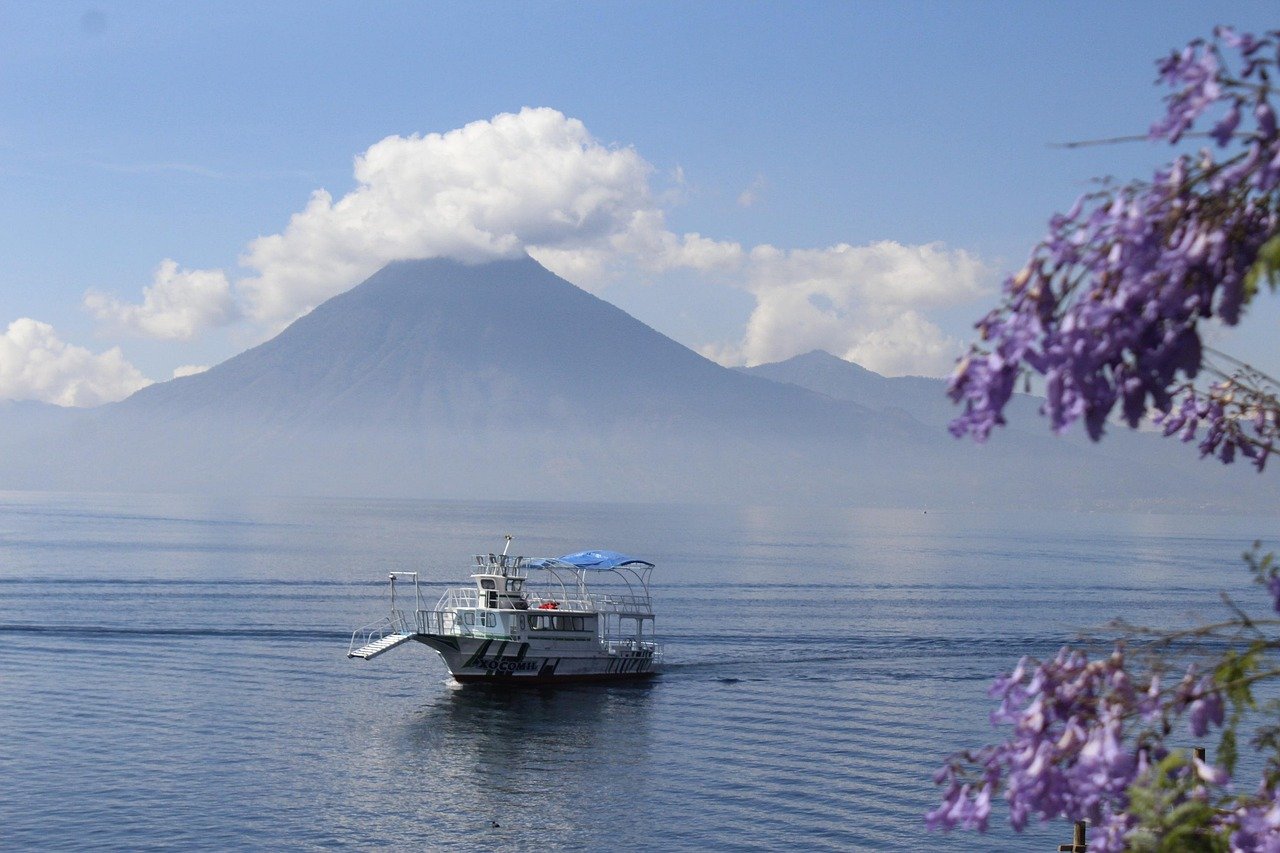
Sololá, a highland city in Guatemala, blends Maya traditions, a bustling market and colonial architecture with sweeping views over Lake Atitlán and its volcanoes.