Saint-Martin
Saint-Martin, the French side of a Caribbean island shared with Sint Maarten, combines lively Creole culture and Marigot's waterfront with palm-fringed beaches and sheltered coves.
Passengers
Luggage
About Saint-Martin
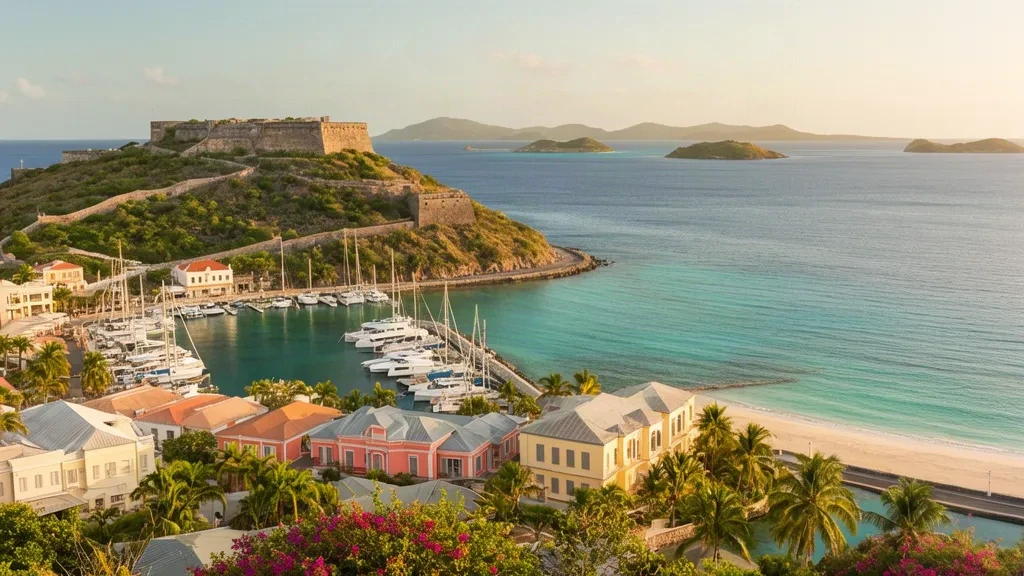
Saint-Martin is the French overseas collectivity occupying the northern part of the Caribbean island of Saint Martin. Its capital, Marigot, is a waterfront town with a marina, open-air market and ferry connections. The French side is known for a quieter, more food-focused and beach-centred atmosphere than the neighbouring Dutch side.
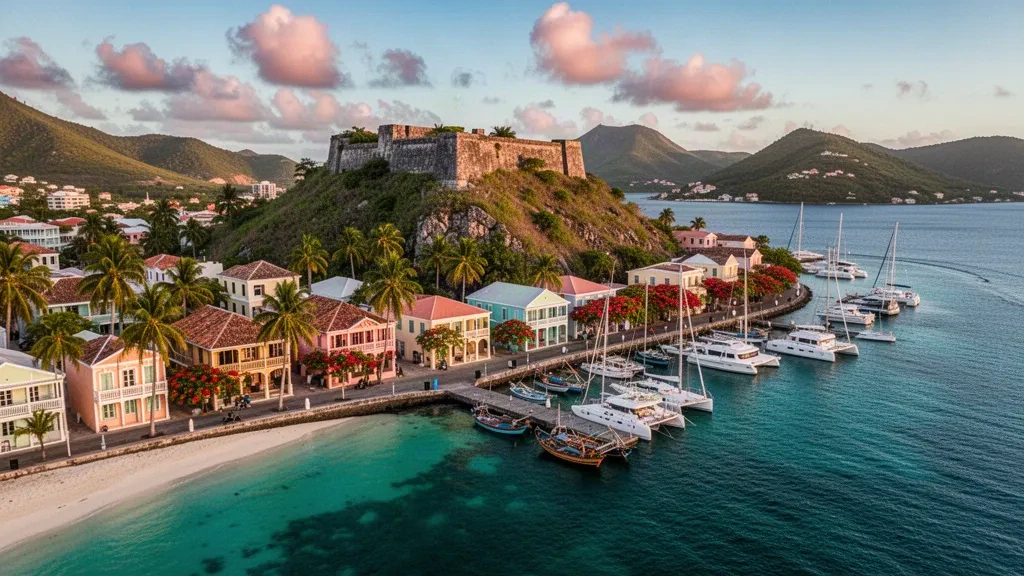
The island has been divided between France and the Netherlands since the 1648 Treaty of Concordia, and Saint-Martin became a separate French overseas collectivity in 2007. Fort Louis, built in 1789 above Marigot, and the Creole-style houses of Grand Case reflect that layered history. French administrative life, Caribbean Creole culture and English-speaking island influences all shape daily life.
Orient Bay on the east coast is the best-known beach area, with beach clubs, sailing and water sports, while Grand Case is regarded as one of the Caribbean's leading dining destinations. Other attractions include Loterie Farm, Pinel Island, Happy Bay, the Tintamarre nature reserve and Marigot's market, duty-free shops and marina.
Tourism is the main economic driver, supported by yachting, construction and services. Saint-Martin hosts Carnival, music festivals and regatta events, and much of its hotel and visitor infrastructure has been rebuilt and modernised after Hurricane Irma in 2017. Marigot and the Simpson Bay Lagoon area also attract business, marine and event travel.
For leisure travellers, the French side offers beaches, sailing, fine dining and easy day trips to nearby islands, while business visitors benefit from French services, the euro currency and a range of resorts and meeting venues. Its mix of French Caribbean identity, relaxed beaches and gastronomy makes Saint-Martin a distinctive destination.
Saint-Martin Travel Guide
Best Time to Visit
December to April is the dry, peak season with reliable beach weather and lively events. May and June are quieter shoulder months, while hurricane season runs from June to November with the highest risk between August and October.
How to Get Around
Renting a car is the most practical way to explore Marigot, Grand Case, Orient Bay and the wider island. Taxis and local minibuses serve main routes, and central Marigot and Grand Case are compact enough to explore on foot. Small ferries also run to Pinel Island.
Where to Stay
Orient Bay and Grand Case offer beach hotels, villas and guesthouses close to dining and swimming. Marigot is convenient for the marina, market and shopping, while Anse Marcel and Terres Basses provide quieter resorts and private villa settings.
Food & Drink
Grand Case is known for its restaurant scene, from fine French-Caribbean dining to casual lolos serving grilled fish, ribs and johnnycakes. French bakeries, fresh seafood, local fruit juices and rum-based cocktails are widely available across the French side.
Ground Transportation Services in Saint-Martin
Airport Transfers
Pre-booked transfers connect Princess Juliana International Airport (SXM) or Grand Case-Espérance Airport (SFG) with Marigot, Grand Case, Orient Bay and resorts across the French side.
Hourly Chauffeur
Book a private chauffeur by the hour for beach hopping, dining in Grand Case, shopping in Marigot and flexible business travel around Saint-Martin.
Car Rental
Rent a car in Saint-Martin for independent access to Orient Bay, Grand Case, Marigot and day trips around the island, including the Dutch side.
Bus & Group Transfers
Arrange minibuses or charter buses for group airport transfers, weddings, corporate events, sightseeing and island tours on the French side of Saint-Martin.