Lubombo
Lubombo, in eastern Eswatini, is known for its lowveld landscapes, nature reserves and relaxed rural pace, offering travellers a quieter side of the country.
Passengers
Luggage
About Lubombo
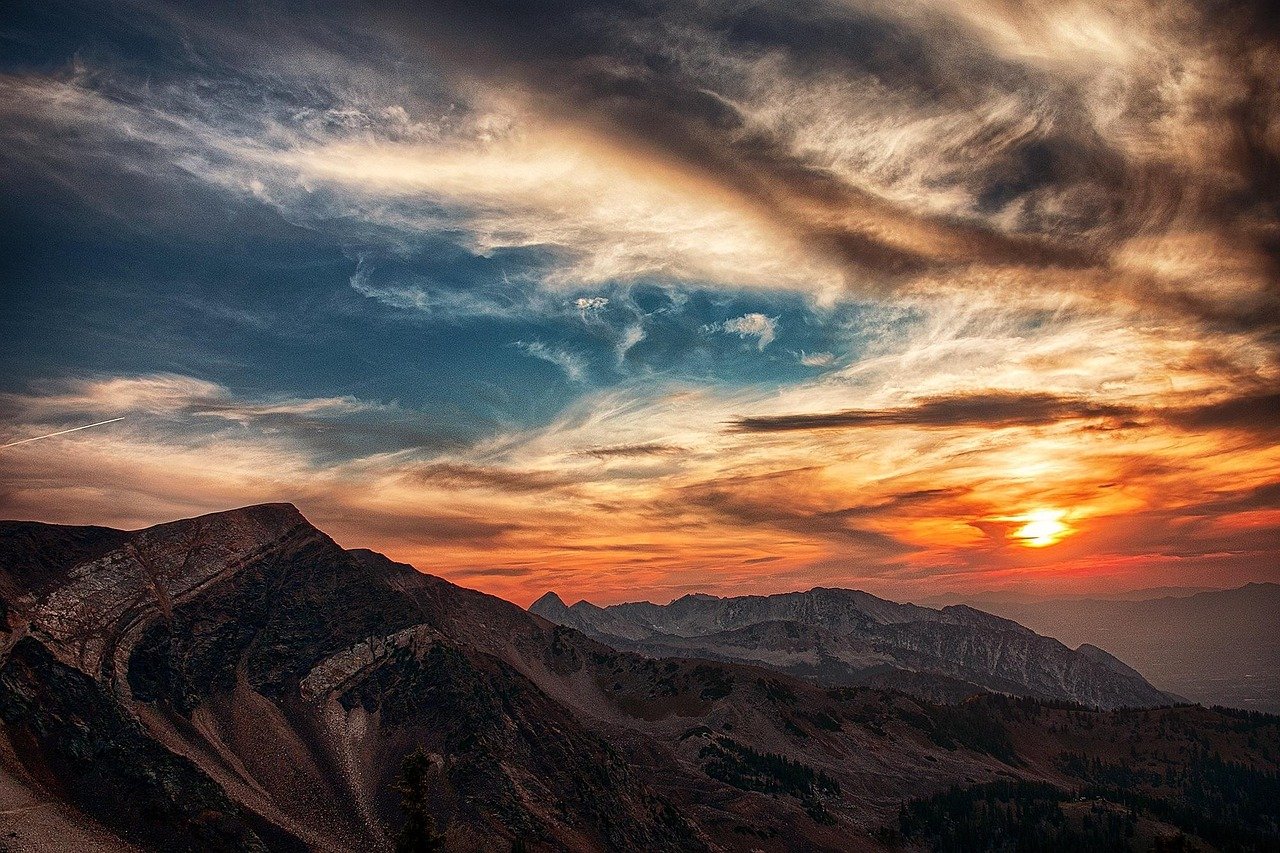
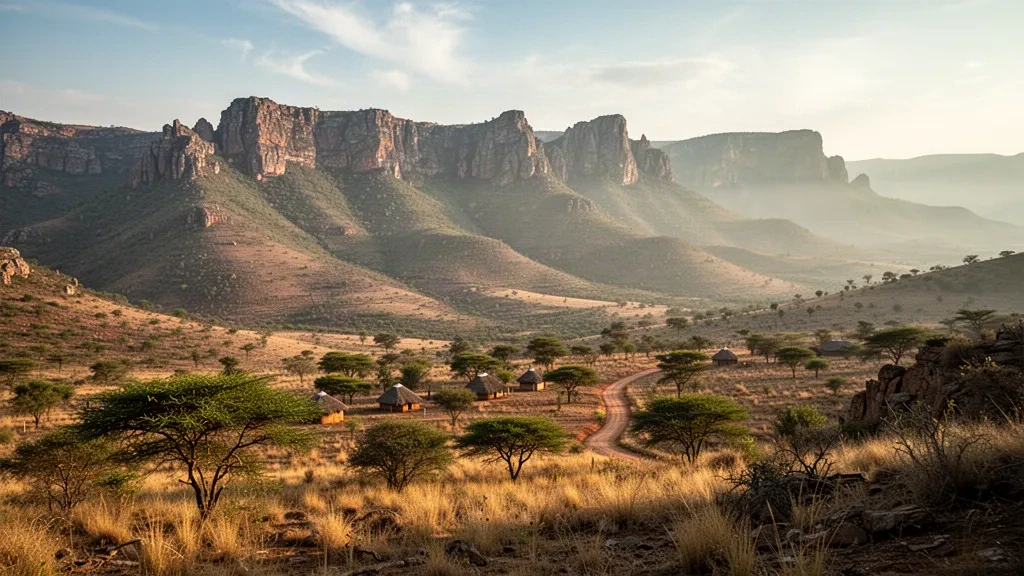
Lubombo is Eswatini's easternmost region, stretching from the Lubombo Mountains down to the lowveld and the border with Mozambique. It is a rural and sparsely settled destination known for open savanna, sugarcane estates and some of the country's most important protected wilderness areas.
Conservation is central to Lubombo's identity. Hlane Royal National Park, Eswatini's largest protected area, is home to lion, elephant, rhino and a rich variety of birds. Together with Mlawula Nature Reserve, Mbuluzi Game Reserve and the community-run Shewula Nature Reserve, these areas form the Lubombo Conservancy, a major wildlife corridor in the east of the country.
The administrative centre of the region is Siteki, a small town on the edge of the Lubombo plateau with views over the lowveld. Larger settlements such as Simunye and Big Bend grew around the sugar industry, and the landscape is shaped by irrigated cane fields, rivers and forested hills. The Lubombo Mountains themselves offer scenic drives, hiking and cultural encounters in nearby rural communities.
Lubombo also plays a practical role in Eswatini's connections to the wider world. King Mswati III International Airport, located near Sikhuphe in the west of the region, links the area with Johannesburg and other regional destinations, making Lubombo a convenient gateway for travellers arriving in Eswatini.
For visitors, Lubombo suits those interested in wildlife, birding, low-key eco-tourism and rural Eswatini rather than a busy urban centre. It is equally relevant for business travellers involved in agriculture, conservation, logistics and regional trade, offering lodges, game drives and open landscapes within easy reach of the airport.
Lubombo Travel Guide
Best Time to Visit
The dry winter months from May to September are the best time for wildlife viewing in Lubombo, with cooler days and animals concentrated near water sources. Summer from October to April brings heat, rainfall, lush greenery and good birding.
How to Get Around
A rental car or 4x4 is the most practical way to explore Lubombo's reserves and rural roads. Public minibus taxis link towns such as Siteki, Simunye and Big Bend, while private transfers and chauffeur services are useful for lodges and airport journeys.
Where to Stay
Accommodation ranges from camps and self-catering cottages to game lodges in and around Hlane Royal National Park, Mlawula, Mbuluzi and Shewula. Simunye, Big Bend and Siteki offer a smaller number of guesthouses and hotels for travellers.
Food & Drink
Local food in Lubombo centres on maize meal, stews, grilled meat and fresh seasonal produce, with lodge restaurants serving both local and international dishes. Sugar-producing towns and rural markets add to the region's everyday food culture.
Ground Transportation Services in Lubombo
Airport Transfers
Arrange transfers between King Mswati III International Airport and Siteki, Simunye, Big Bend, lodges, game reserves and other destinations across the Lubombo region.
Hourly Chauffeur
Book a private chauffeur by the hour for game reserve visits, business trips, events and flexible sightseeing around Lubombo and eastern Eswatini.
Car Rental
Rent a car in Lubombo for independent travel, self-drive safaris and convenient access to Hlane, Mlawula, Mbuluzi and nearby towns.
Bus & Group Transfers
Arrange minibuses or charter buses for group safaris, corporate travel, events, airport transfers and tours across the Lubombo region.
Frequently Asked Questions
Related Cities in Eswatini
View all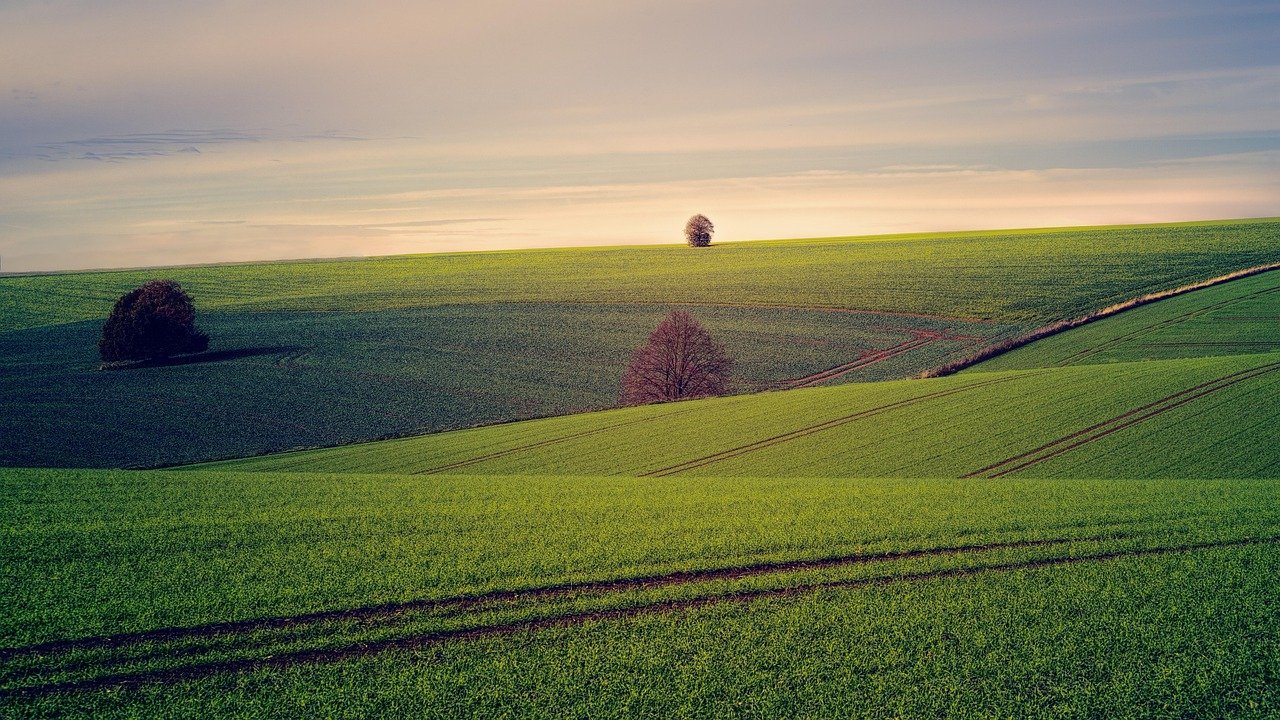
Shiselweni
Shiselweni, in southern Eswatini, combines rolling hills and rural landscapes with the lively markets and community spirit of Nhlangano.
Manzini
Manzini, Eswatini's largest city and commercial hub, pairs a lively market atmosphere and busy business district with easy access to nearby cultural and natural attractions.
Hhohho
Hhohho, home to Eswatini's capital Mbabane, blends highveld scenery, royal landmarks and a mix of urban and rural life.