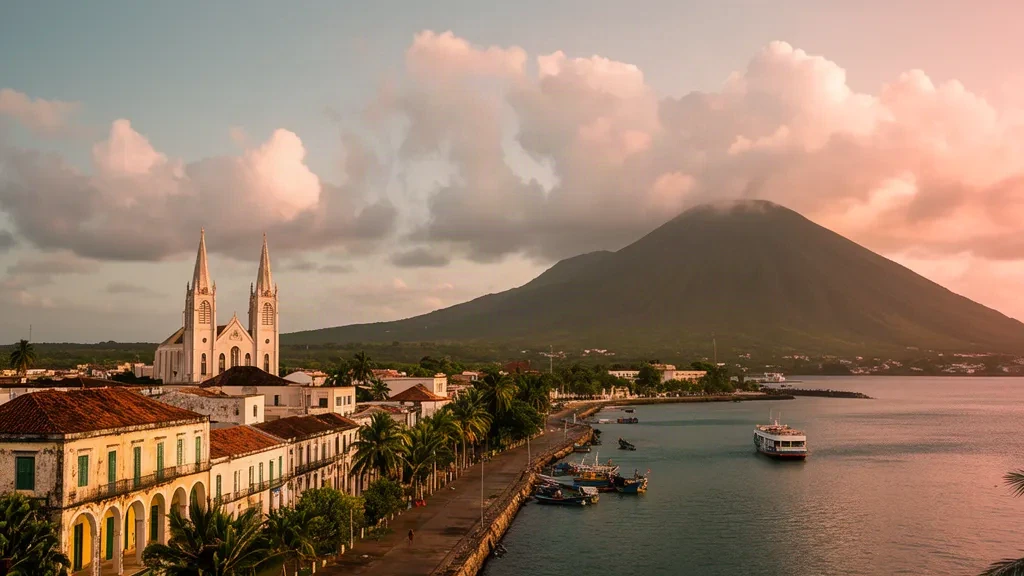
Malabo
Malabo, Equatorial Guinea's capital on Bioko Island, pairs colonial-era architecture and lively markets with volcanic scenery, a busy port and a growing diplomatic and business scene.
Passengers
Luggage
About Bioko Norte
Malabo is the capital of Equatorial Guinea and the seat of Bioko Norte province, set on the northern coast of Bioko Island. It combines a Spanish-influenced historic centre with government institutions, an active port and a tropical island backdrop.
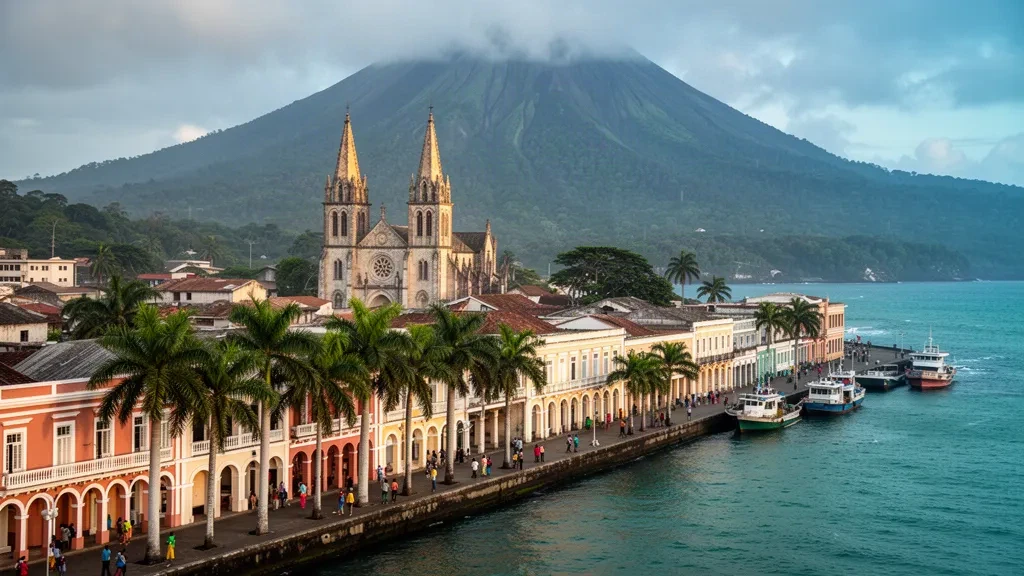
Founded as Port Clarence by the British in 1827, the city was renamed Santa Isabel under Spanish rule and became Malabo after independence in 1968. Its colonial past remains visible in buildings around the Plaza de la Independencia, including the neogothic Santa Isabel Cathedral.
The compact centre is easy to explore on foot, with landmarks such as the Presidential Palace, the Mercado Central market and cultural venues like the Centro Cultural Español. Outside the centre, neighbourhoods such as Ela Nguema and Malabo II house hotels, offices and residential areas, while Pico Basilé and the island's volcanic coastline offer nature excursions.
Malabo is a regional hub for government, trade and Equatorial Guinea's oil and gas industry, and it hosts business visitors, international meetings and diplomatic activity. Evening life centres on restaurants, bars and cafés serving local and Spanish-influenced food, from grilled fish and plantains to cassava-based dishes.
For leisure travellers, Malabo provides an introduction to Bioko Island's culture, history and coastal landscapes; for business travellers, it is the practical gateway to government offices, energy companies and conference venues.
Bioko Norte Travel Guide
Best Time to Visit
Malabo is warm and humid year-round, with the driest months generally from December to February. The long rainy season from March to November brings frequent downpours, so drier months are more comfortable for sightseeing and outdoor trips on Bioko Island.
How to Get Around
Malabo is compact and its central streets can be explored on foot. Shared and private taxis are common, minibuses serve some routes, and rental cars with drivers are widely used for business travel and trips to Pico Basilé and other parts of the island.
Where to Stay
Central Malabo near the Plaza de la Independencia is convenient for landmarks, restaurants and government offices. Ela Nguema and Malabo II offer a range of hotels and apartments, while the airport area suits short business stays.
Food & Drink
Malabo's food scene mixes Equatoguinean staples with Spanish influence. Try grilled fish, plantains, cassava, peanut-based stews and palm wine, and look for cafés, seafood restaurants and local markets in the city centre.
Ground Transportation Services in Bioko Norte
Airport Transfers
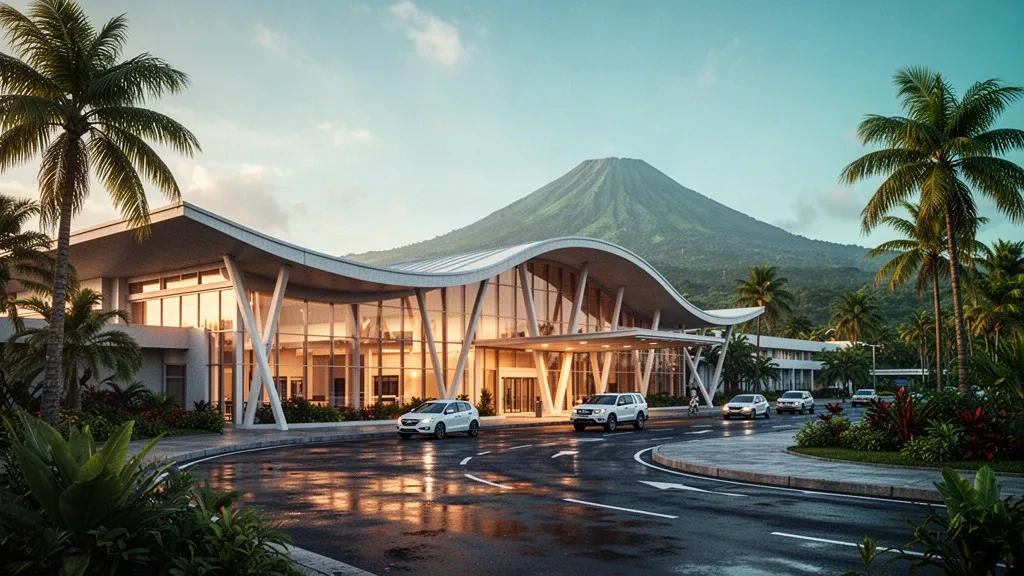
Arrange transport between Malabo International Airport and hotels, business districts, the port area and other locations in Malabo.
Hourly Chauffeur
Book a private chauffeur by the hour for business meetings, government appointments, events and flexible sightseeing around Malabo.
Car Rental
Rent a car for independent travel in Malabo and trips across Bioko Island, including Pico Basilé and coastal towns.
Bus & Group Transfers
Organise minibuses or charter buses for groups, corporate travel, events, airport transfers and sightseeing tours in Malabo.
Frequently Asked Questions
Related Cities in Equatorial Guinea
View all
Mongomo
Mongomo, the administrative capital of Wele-Nzas, is a lively eastern Equatorial Guinean city where modern government buildings and a landmark cathedral sit alongside bustling markets and traditional Fang culture. Its position near the Gabon border gives it a distinct frontier character and makes it a natural base for exploring the province.
Bata
Bata, the main city of Equatorial Guinea's Río Muni mainland, sits on the Atlantic coast and blends port life and busy markets with a growing role as the country's economic hub.
Ebebiyín
Ebebiyín, the capital of Kié-Ntem in northeastern Equatorial Guinea, is a lively border city whose markets and forested surroundings reflect its position near Cameroon and Gabon.