Annobón
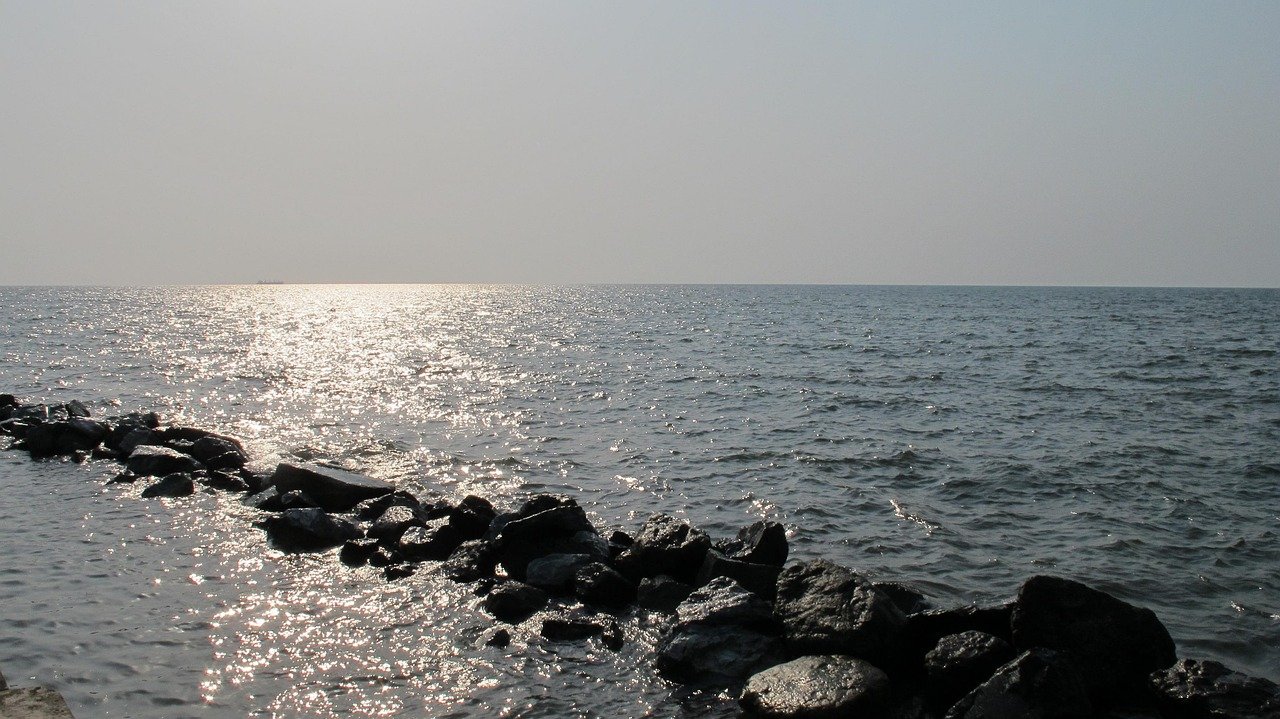
Annobón, a remote volcanic island in Equatorial Guinea, is known for its lush forests, rugged coastline and quiet Creole-influenced culture. Its secluded beaches, historic settlements and slow-paced way of life make it a distinctive travel destination.
Passengers
Luggage
About Annobón
Annobón is a remote volcanic island and the smallest province of Equatorial Guinea, lying about 350 km off the country's coast in the Gulf of Guinea. Its main settlement, San Antonio de Palé, sits on the northern coast, but the island's identity is shaped more by its isolated Atlantic setting, steep green slopes and quiet fishing communities than by any urban centre.
First sighted by Portuguese navigators on New Year's Day 1473, the island was named Ano Bom, or 'Good Year,' and later came under Spanish control before becoming part of Equatorial Guinea. That layered past survives in Annobonese Creole, or Fa d'Ambô, a Portuguese-based language spoken alongside Spanish, and in traditions rooted in fishing, farming and village life.
The island's volcanic landscape rises to Quioveo peak at 598 metres and includes the central crater lake Lago A Pot, palm forest, cliffs and small beaches. The entire island and its surrounding marine belt form a protected nature reserve and a Ramsar wetland, valued for seabirds, sea turtles, coral reefs and endemic plants.
Tourism here is small-scale and nature-focused, built around hiking, birdwatching, boat trips and visits to coastal communities. Access is mainly by air through Annobón Airport, with limited connections from Malabo and Bata, so travellers should confirm schedules and supplies in advance.
Annobón is not a conventional business destination, but it matters to visitors seeking one of West-Central Africa's least developed and most distinctive island environments. For leisure travellers it offers seclusion and unspoiled nature, while researchers, conservation workers and small-scale operators value its rare ecological setting.

Annobón Travel Guide
Best Time to Visit
The dry season from roughly June to September offers calmer seas, clearer skies and easier conditions for hiking and boat trips. The rest of the year is wetter and more humid, which can make trails and small-aircraft schedules less predictable.
How to Get Around
Annobón has no formal public transport network. Travellers generally move on foot along village paths, use motorbikes or arrange local boats and vehicles through guesthouses or community contacts.
Where to Stay
Accommodation is limited and concentrated in and around San Antonio de Palé, with small guesthouses and simple lodgings. Staying near the main settlement gives easier access to the airport, harbour and basic services.
Food & Drink
Meals are built around fresh fish, octopus, plantain, coconut and local staples, often prepared simply in homes and small eateries. Supplies are limited on the island, so visitors usually eat where they stay or through local arrangements.
Ground Transportation Services in Annobón
Airport Transfers
Meet travellers at Annobón Airport and transfer them to San Antonio de Palé or other points on the island by pre-arranged 4x4.
Hourly Chauffeur
Book a private driver by the hour for flexible island travel, including village visits, harbour runs and guided sightseeing around Annobón.
Car Rental
Rent a 4x4 with a local driver for independent exploration of Annobón's limited road network and coastal tracks.
Bus & Group Transfers
Arrange 4x4 or minibus transfers for small groups arriving at Annobón Airport or moving between the harbour and San Antonio de Palé.

Frequently Asked Questions
Related Cities in Equatorial Guinea
View all
Mongomo
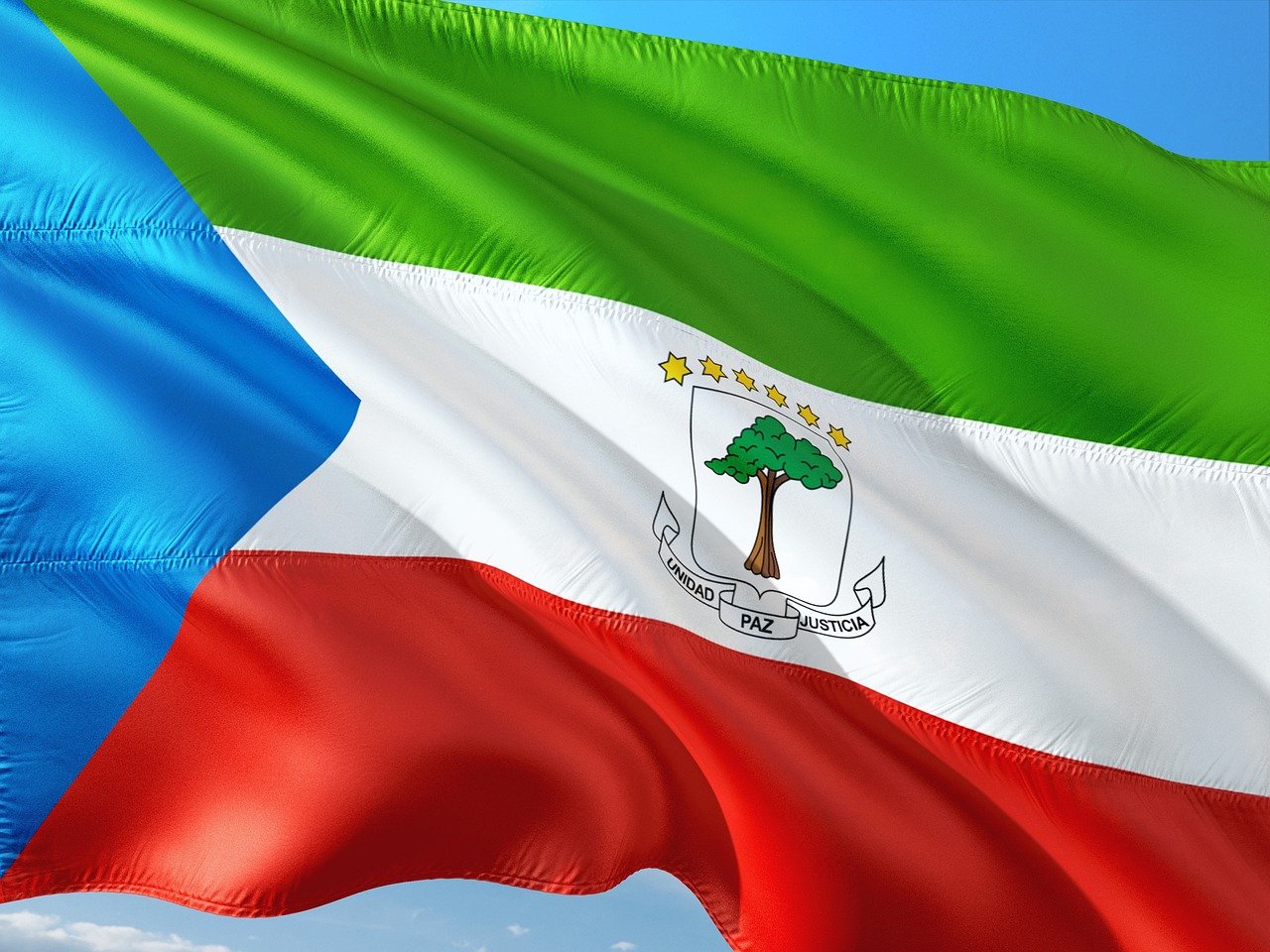
Mongomo, the administrative capital of Wele-Nzas, is a lively eastern Equatorial Guinean city where modern government buildings and a landmark cathedral sit alongside bustling markets and traditional Fang culture. Its position near the Gabon border gives it a distinct frontier character and makes it a natural base for exploring the province.
Bata
Bata, the main city of Equatorial Guinea's Río Muni mainland, sits on the Atlantic coast and blends port life and busy markets with a growing role as the country's economic hub.

Ebebiyín
Ebebiyín, the capital of Kié-Ntem in northeastern Equatorial Guinea, is a lively border city whose markets and forested surroundings reflect its position near Cameroon and Gabon.