La Guajira
La Guajira forms Colombia's northernmost tip, a windswept peninsula of desert, salt flats and Caribbean coastline shaped by the Wayuu people. Riohacha, its capital, is the gateway to Cabo de la Vela, Punta Gallinas and the region's remote beaches.
Passengers
Luggage
About La Guajira
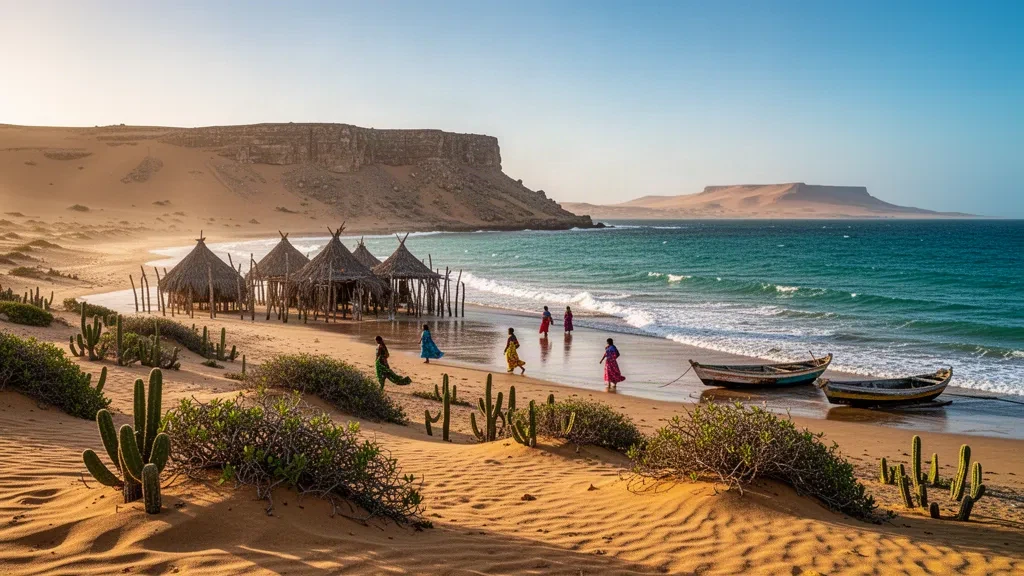
La Guajira is Colombia's northernmost department, a desert peninsula where the Caribbean Sea meets wind-swept dunes and cacti-covered plains. The region is known for its Wayuu indigenous culture, remote coastal landscapes and strong trade winds, giving it a character unlike anywhere else in Colombia.
Wayuu traditions shape daily life through weaving, language and community rancherías, while the capital Riohacha retains a historic Caribbean port atmosphere with its beachfront malecón and colonial-era centre. Salt flats at Manaure and the large open-pit coal operations at Cerrejón reflect the region's long economic links to mining and salt production.
Visitors travel north to Cabo de la Vela, a windswept beach village known for kitesurfing and the sacred Pilón de Azúcar hill, and onward to Punta Gallinas, the northernmost point of continental South America with its Taroa dunes and lighthouse. Inland, Macuira National Natural Park shelters a rare cloud forest oasis within the desert, while the Los Flamencos Sanctuary protects flamingos near Camarones.
Riohacha functions as the region's gateway, with hotels, restaurants, markets and the airport, while smaller communities offer simple ranchería stays and hammock lodgings. The local food scene centres on goat dishes such as friche, fresh seafood, arepas de huevo and coconut rice, often served in family-run eateries.
For travellers, La Guajira combines adventure, indigenous heritage and Caribbean coastline, appealing to those seeking desert landscapes and cultural immersion. The region is also relevant for business linked to mining, energy and logistics, making it a distinctive destination for both leisure and work-related visits.
La Guajira Travel Guide
Best Time to Visit
December to early April is the most reliable season, with dry weather, clear skies and strong trade winds that are ideal for kitesurfing at Cabo de la Vela and desert excursions. The wetter months from September to November can make remote tracks harder to navigate.
How to Get Around
Riohacha is the main transport hub, with local buses, shared taxis and moto-taxis for short trips around the capital. For the Alta Guajira routes to Cabo de la Vela and Punta Gallinas, a 4x4 vehicle or organized tour is recommended because road conditions are rough and fuel stops are limited.
Where to Stay
Riohacha offers the widest choice of hotels and easy access to the airport and restaurants. Cabo de la Vela is popular for beachfront rancherías and hammock stays, while Punta Gallinas has basic eco-lodges run with local Wayuu communities.
Food & Drink
La Guajira's food is built around goat dishes such as friche, fresh fish and lobster along the coast, arepas de huevo, coconut rice and sweet fruit juices. Meals are often served in family-run eateries and rancherías, especially in Riohacha and Cabo de la Vela.
Ground Transportation Services in La Guajira
Airport Transfers
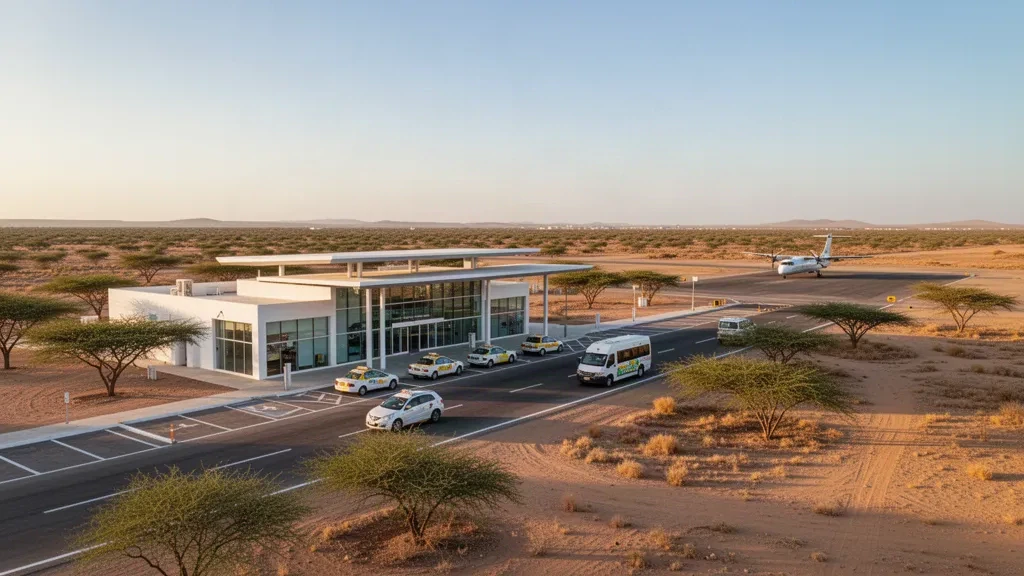
Travel between Almirante Padilla Airport in Riohacha and hotels, the city centre, Cabo de la Vela and other destinations across La Guajira.
Hourly Chauffeur
Book a private chauffeur by the hour for business meetings, coastal sightseeing and flexible travel around Riohacha and the wider La Guajira region.
Car Rental
Rent a car in Riohacha for independent travel along the coast and into the desert; a 4x4 is recommended for remote routes to Cabo de la Vela and Punta Gallinas.
Bus & Group Transfers
Arrange minibuses or charter buses for groups, corporate travel, events and tours between Riohacha, Cabo de la Vela and other La Guajira destinations.
Frequently Asked Questions
Related Cities in Colombia
View all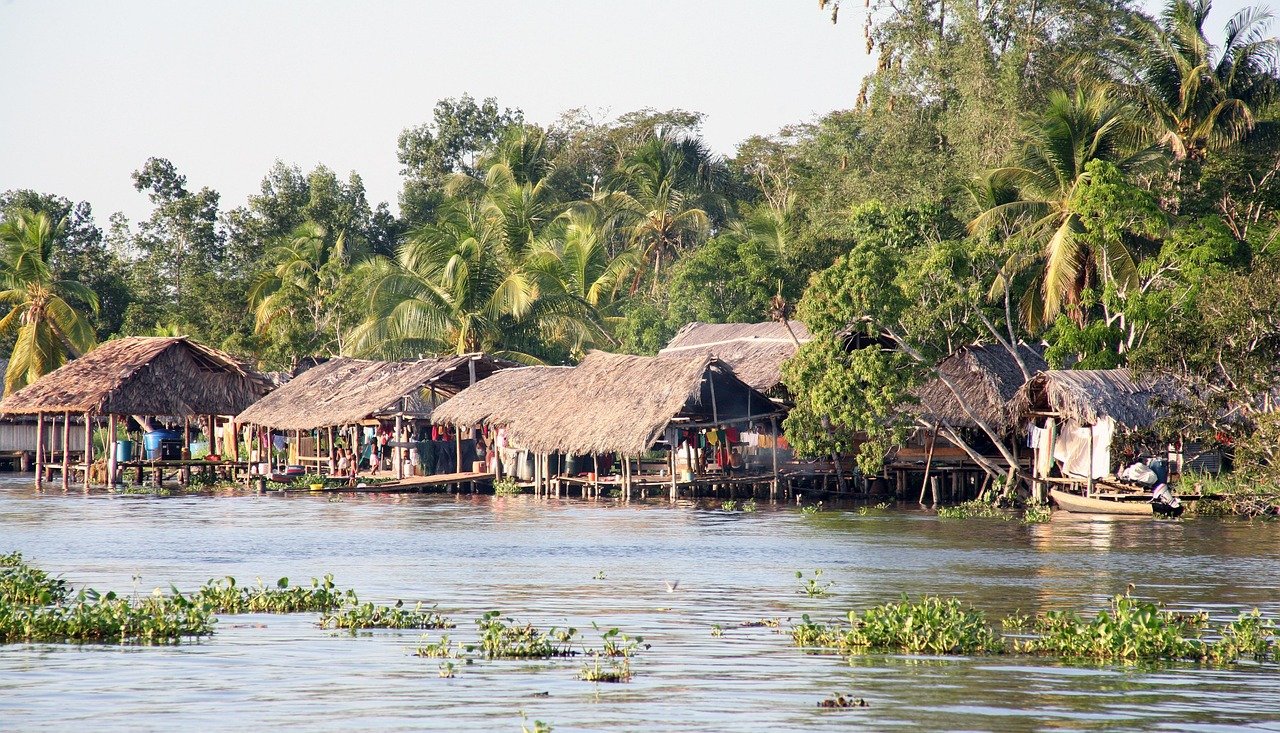
Vichada
Vichada, in eastern Colombia, is a vast landscape of savannas, rivers and forests where the Orinoco and Meta rivers meet, known for its rich wildlife and Indigenous heritage.
Vaupés
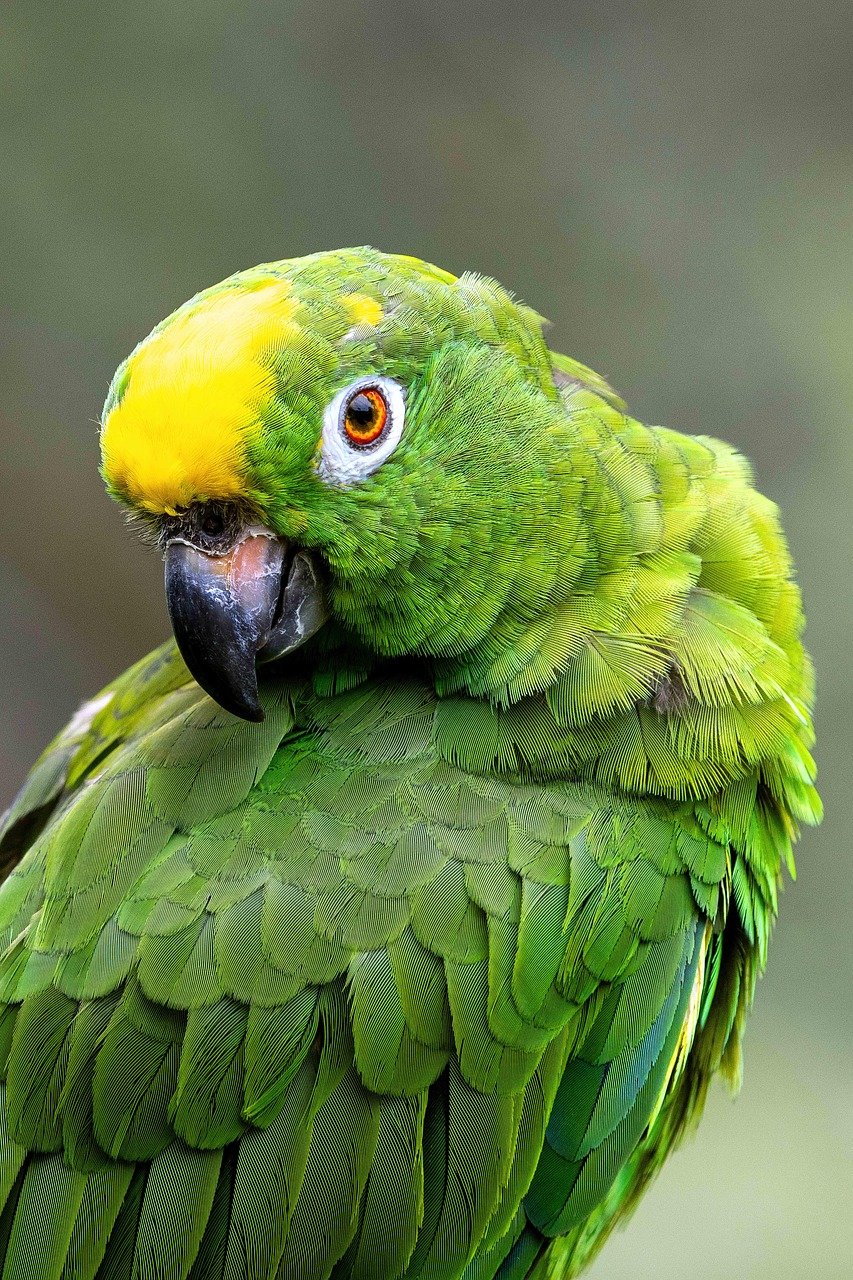
Vaupés, in Colombia's Amazon rainforest, is a land of winding rivers, dense jungle and vibrant Indigenous cultures.

Cali
Cali, capital of Valle del Cauca, blends colonial landmarks, a renowned salsa tradition and warm Pacific-influenced energy with a modern urban pulse that draws travelers year-round.