Inírida
Inírida, the capital of Colombia's Guainía Department, sits where the Inírida and Guaviare rivers meet, surrounded by rainforest and Indigenous territories. Its riverside pace, small-town warmth and gateway role to remote Amazonian landscapes give it a distinct frontier character.
Passengers
Luggage
About Guainía
Inírida is the capital of Colombia's Guainía department, a small riverside city in the country's far east where the Orinoco and Amazon basins meet. Known as the gateway to the Colombian Amazon-Orinoco region, it is the starting point for trips to the dramatic Cerros de Mavecure and the Estrella Fluvial del Oriente, where the dark Inírida, Guaviare and Atabapo rivers flow alongside one another in distinct colours.
The town grew from a trading and missionary settlement on the banks of the Inírida River and became a municipality in 1974. Today it is home to diverse indigenous communities, including Puinave, Curripaco, Piapoco and Sikuani peoples, whose fishing, cassava farming and craft traditions remain central to local life.
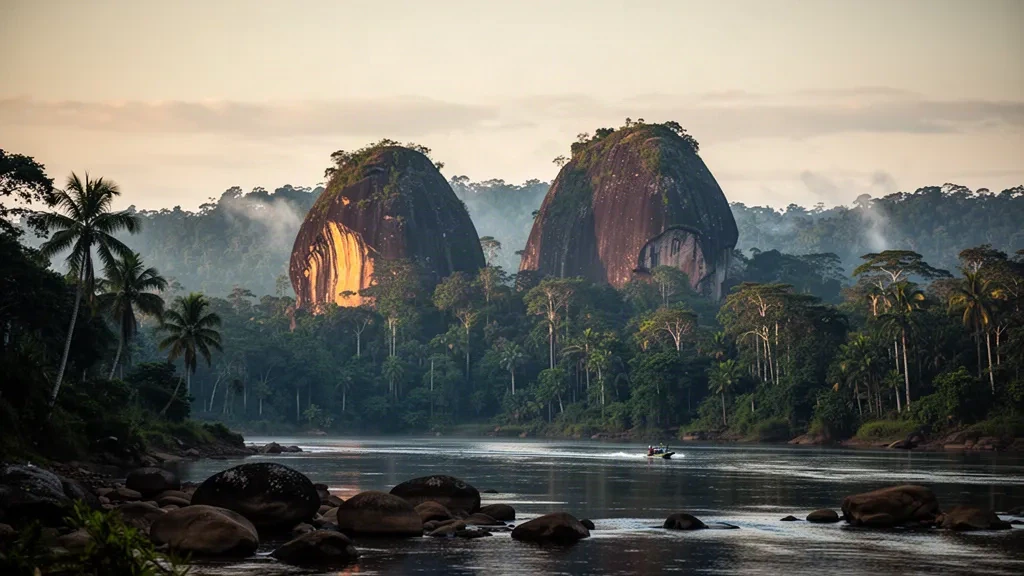
The main attractions lie beyond the urban centre. The granite monoliths of Mavecure, Mono and Pajarito rise several hundred metres above the jungle and are reached by motorised lancha along the Inírida River. Visitors climb Pajarito for panoramic views, visit communities such as El Remanso, swim in Caño San Joaquín and look for pink river dolphins and seasonal beaches in the Estrella Fluvial.
Inírida is a practical base for both nature travellers and a smaller business community tied to regional government, mining, fisheries and conservation work. The town offers riverside hotels, simple restaurants, a small malecón and artisan shops, but has no road connection to central Colombia, so all arrivals and departures depend on flights and river transport.
Guainía Travel Guide
Best Time to Visit
The driest months from December to March are the most comfortable for visiting Inírida, with lower river levels that reveal sandy beaches and make boat travel to the Cerros de Mavecure easier. Rainy-season months bring higher water and greener landscapes but can complicate some river routes.
How to Get Around
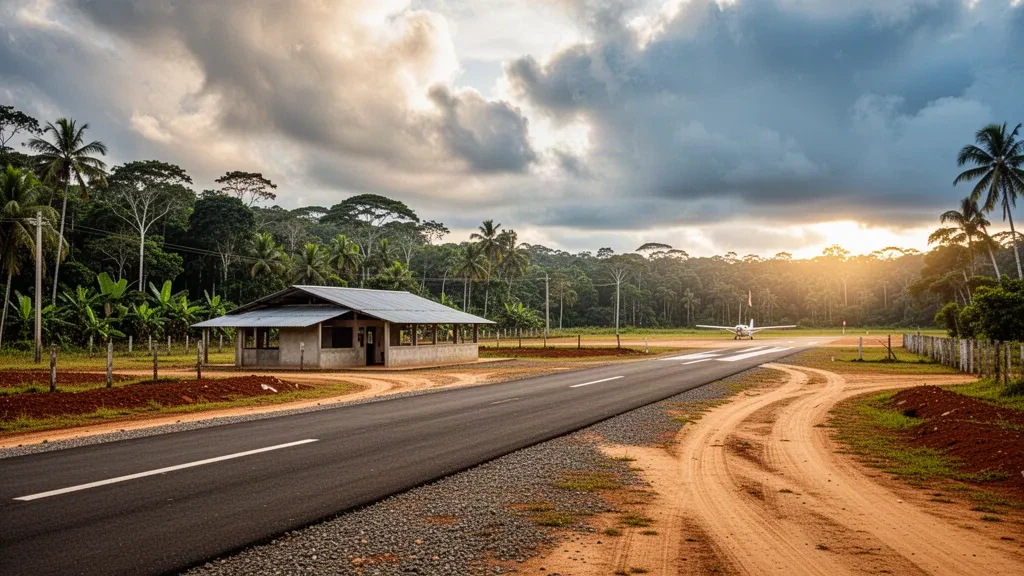
Inírida has no road link to the rest of Colombia, so visitors arrive by air and move around town by moto-taxi, taxi or on foot. Motorised lanchas carry travellers along the rivers to the Cerros de Mavecure, indigenous communities and the Estrella Fluvial del Oriente.
Where to Stay
Most hotels and guesthouses are clustered in central Inírida near the airport, the malecón and the river port, offering simple comfort and local hospitality. Basic community and eco-lodges near the Mavecure area suit travellers who want to stay close to nature.
Food & Drink
Local food centres on river fish such as pavón, dorado and bocachico, often served with mañoco or casabe made from cassava. Try ajicero, a spicy fish broth, and fresh Amazonian fruit juices like copoazú and arazá in riverside restaurants and markets.
Ground Transportation Services in Guainía
Airport Transfers
Travel between César Gaviria Trujillo Airport and hotels, the river port and other points across Inírida with a pre-arranged vehicle.
Hourly Chauffeur
Book a private driver by the hour for meetings, site visits, shopping and flexible travel around Inírida's compact urban area.
Car Rental
Use a rented vehicle for independent trips around town and nearby roads, with a driver recommended for unpaved routes and river access points.
Bus & Group Transfers
Arrange minibuses or charter vehicles for groups travelling between the airport, hotels and the river docks before boat excursions in and around Inírida.
Frequently Asked Questions
Related Cities in Colombia
View all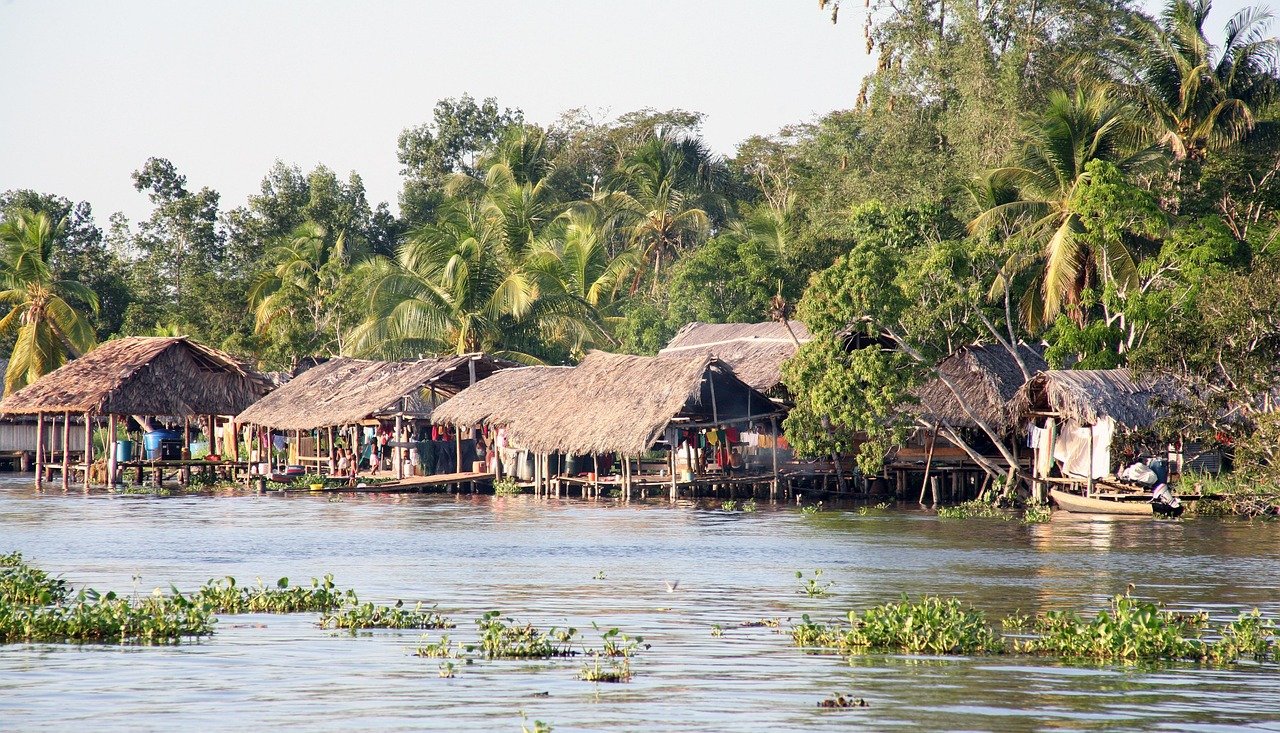
Vichada
Vichada, in eastern Colombia, is a vast landscape of savannas, rivers and forests where the Orinoco and Meta rivers meet, known for its rich wildlife and Indigenous heritage.
Vaupés
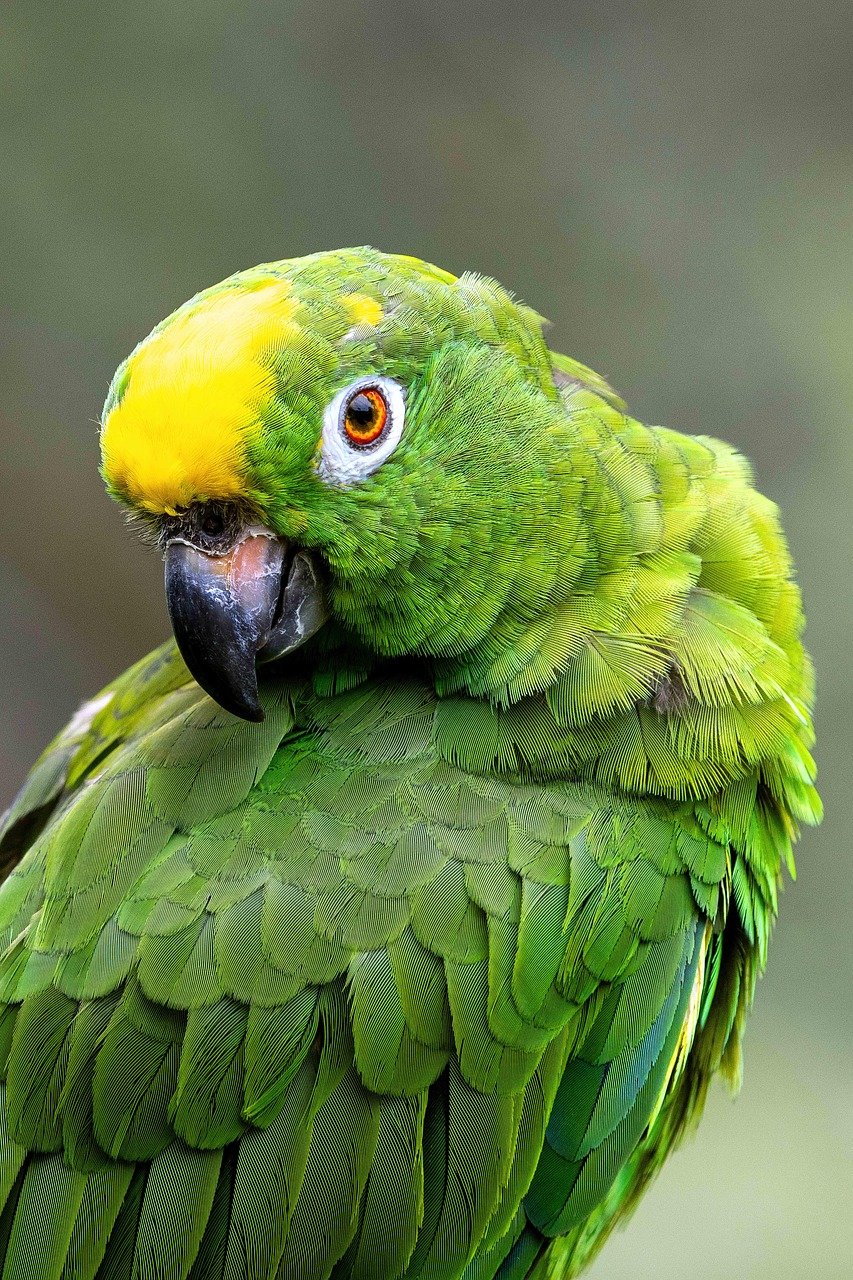
Vaupés, in Colombia's Amazon rainforest, is a land of winding rivers, dense jungle and vibrant Indigenous cultures.
Cali
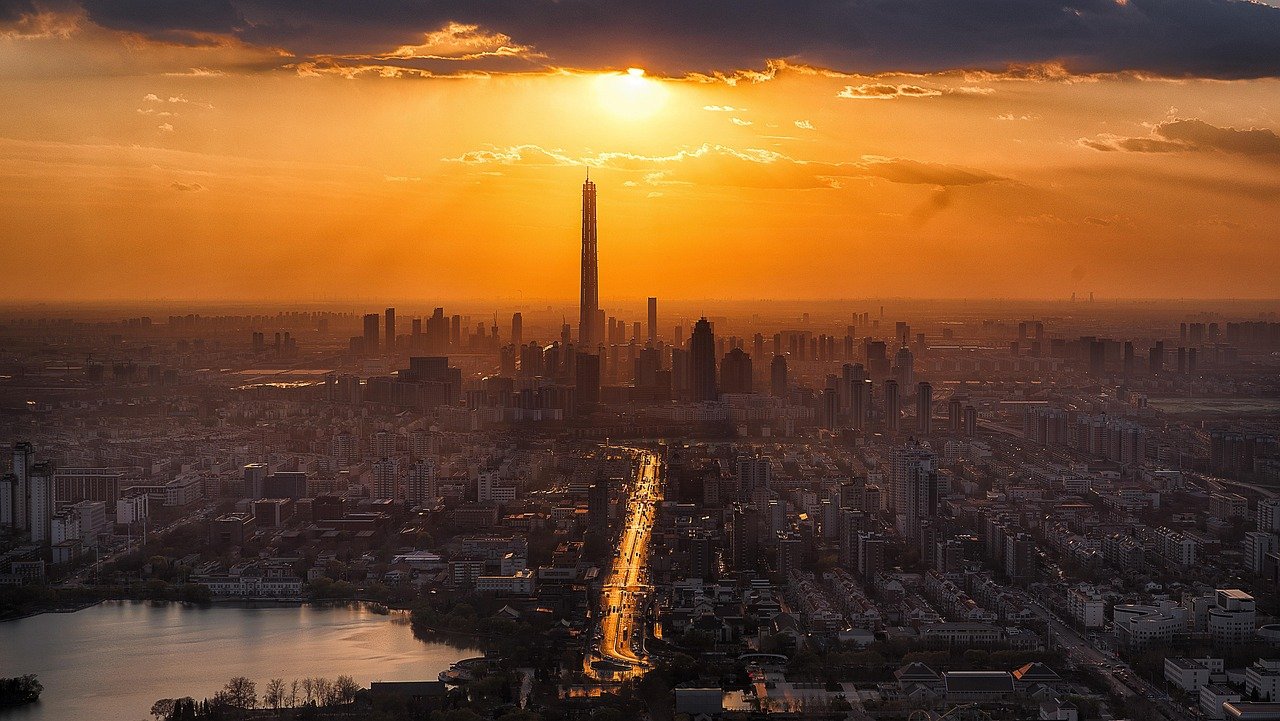
Cali, capital of Valle del Cauca, blends colonial landmarks, a renowned salsa tradition and warm Pacific-influenced energy with a modern urban pulse that draws travelers year-round.