Taiyuan
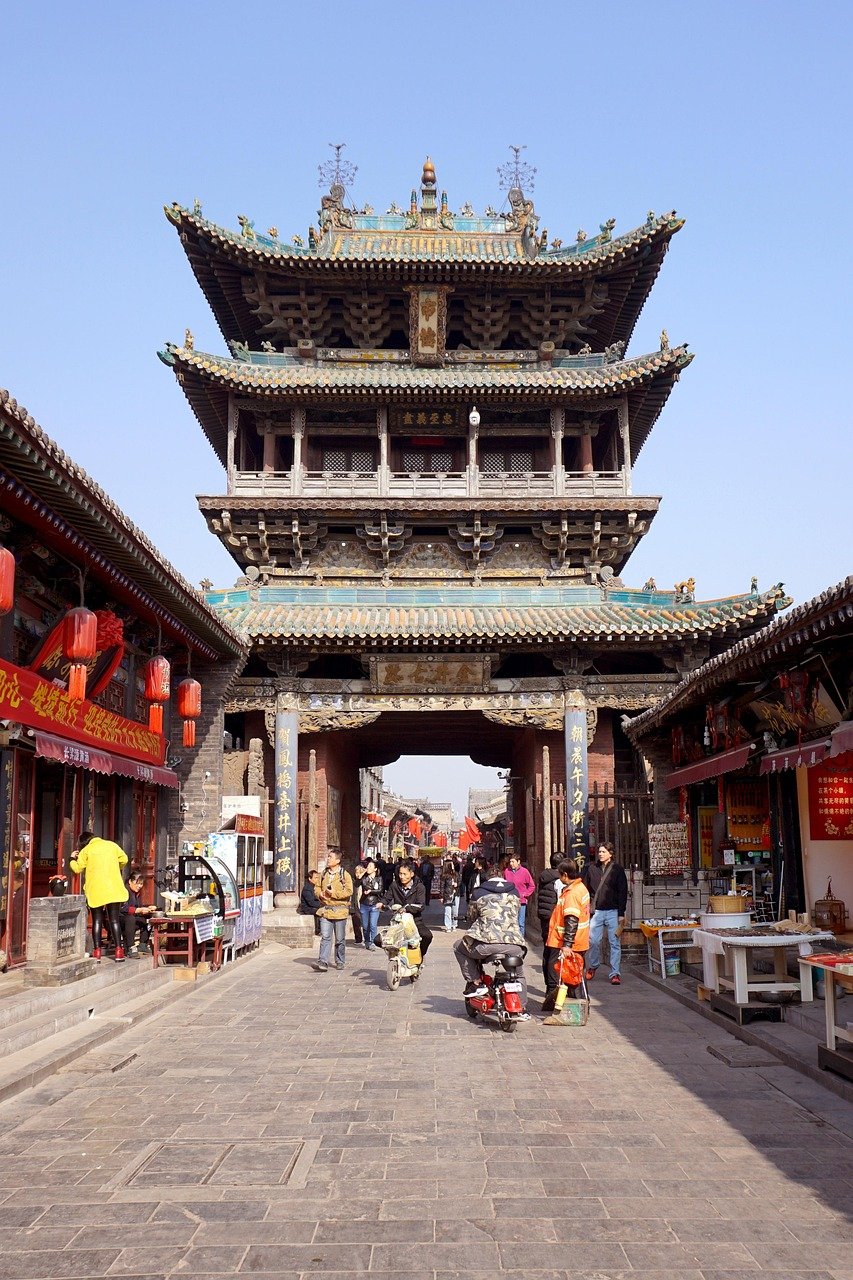
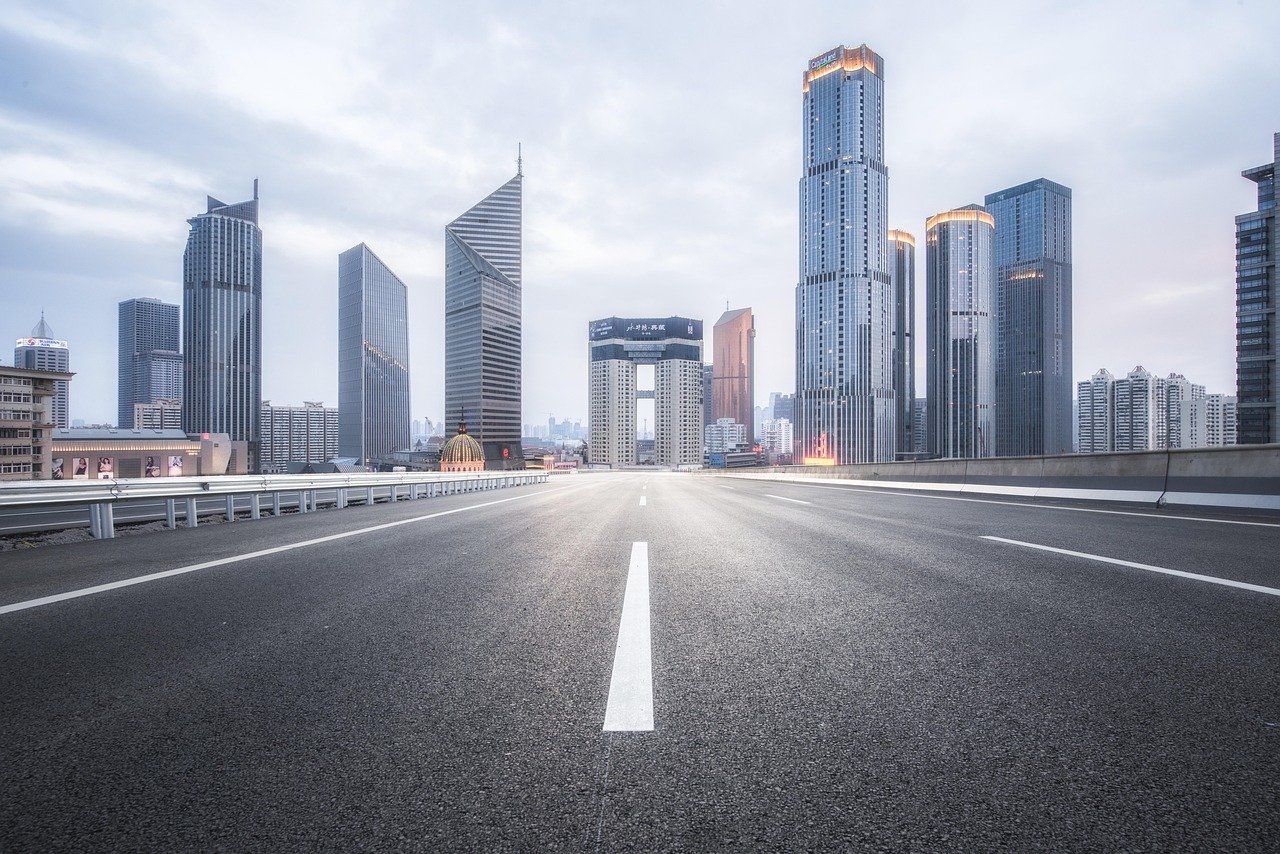
Taiyuan, the capital of Shanxi, blends a long imperial history with a modern urban edge, where ancient temples, lively noodle shops and mountain views reveal a distinct northern Chinese character.
Passengers
Luggage
About Shanxi
Shanxi is a landlocked province in northern China and one of the cradles of Chinese civilization. Its capital, Taiyuan, and historic centres such as Datong and Pingyao connect visitors to ancient temples, cave art, merchant houses and mountain landscapes that are far less crowded than China's coastal megacities.
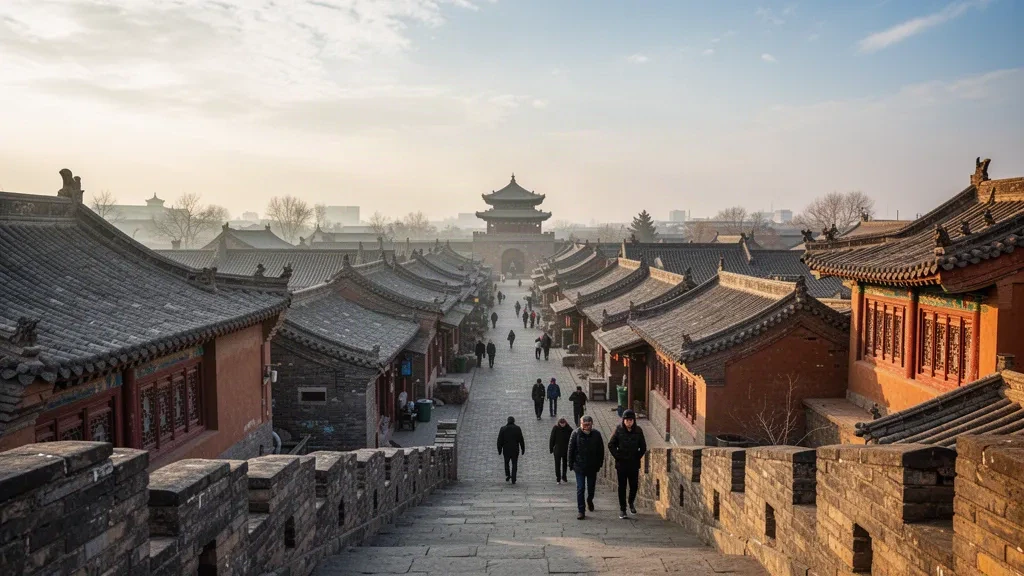
The province holds three UNESCO World Heritage Sites: the Buddhist cave complex of the Yungang Grottoes near Datong, the sacred peak of Mount Wutai, and the walled old town of Pingyao, once a major banking centre. Landmarks such as the Hanging Temple, Yingxian Wooden Pagoda and Jinci Temple reflect Shanxi's deep architectural heritage.
Shanxi's character is shaped by its position along the Yellow River and between the Taihang and Lüliang mountain ranges. The province has long been an energy and industrial base, and its historic Jin merchant families played a major role in Chinese trade and finance.
Taiyuan is the main transport gateway, with high-speed rail links to Beijing and a growing metro, while Datong, Pingyao and Yuncheng serve as useful bases for exploring different regions. Local food is known for wheat noodles such as knife-cut noodles and the province's famously aged mature vinegar.
For travellers, Shanxi combines ancient history with practical access, making it relevant for culture-focused leisure trips, group tours and business travel tied to the province's energy, manufacturing and exhibition sectors.
Shanxi Travel Guide
Best Time to Visit
Spring (April–May) and autumn (September–October) offer the most comfortable weather for visiting Shanxi's temples, old towns and mountain sites. Summer can be hot and busier with domestic visitors, while winter brings cold conditions but fewer crowds.
How to Get Around
High-speed rail connects Taiyuan with Beijing, Datong, Pingyao and other cities, while buses, taxis and the Taiyuan metro serve urban areas. Private transfers or rental cars are useful for reaching dispersed sites such as the Yungang Grottoes, Mount Wutai and Pingyao.
Where to Stay
Taiyuan is the most convenient base for transport and city facilities, with hotels near the railway station and business districts. Pingyao's old town offers traditional courtyard guesthouses, while Datong is a practical base for the Yungang Grottoes and Hanging Temple.
Food & Drink
Shanxi cuisine centres on wheat-based dishes, especially knife-cut noodles, cat's ear noodles and steamed buns, often seasoned with the province's mature vinegar. Local noodle shops, markets and restaurants in Taiyuan and Pingyao offer an affordable way to try regional flavours.
Ground Transportation Services in Shanxi
Airport Transfers
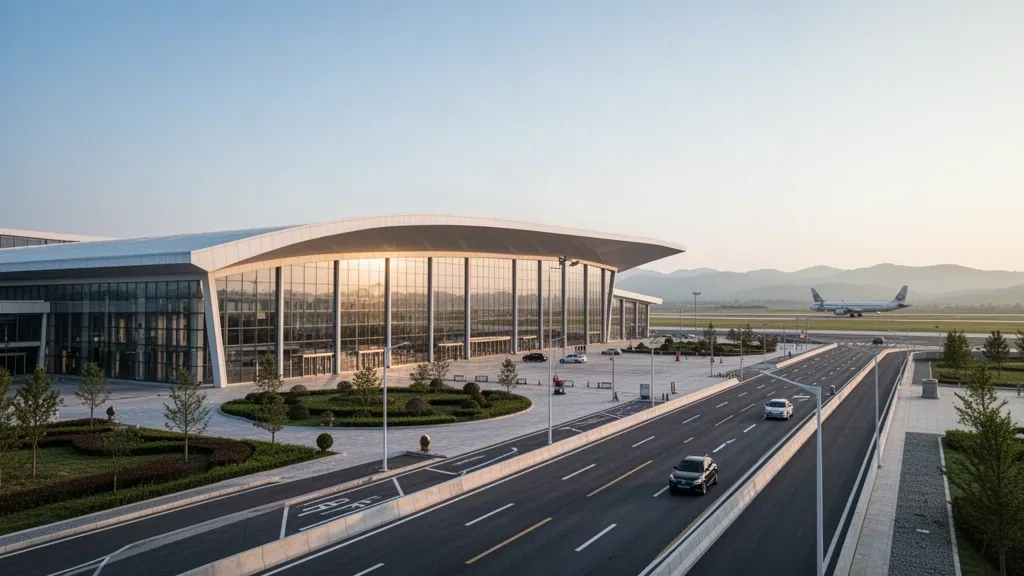
Travel between Taiyuan Wusu International Airport and hotels, railway stations, business districts and destinations across Shanxi.
Hourly Chauffeur
Book a private chauffeur by the hour for business meetings, factory visits, events and flexible sightseeing in Taiyuan and across Shanxi.
Car Rental
Rent a car in Taiyuan for independent travel between Pingyao, Datong, Mount Wutai and other attractions across Shanxi.
Bus & Group Transfers
Arrange minibuses or charter buses for tour groups, corporate travel, conferences and transfers between Shanxi's airports, rail stations and key sites.
Frequently Asked Questions
Related Cities in China
View all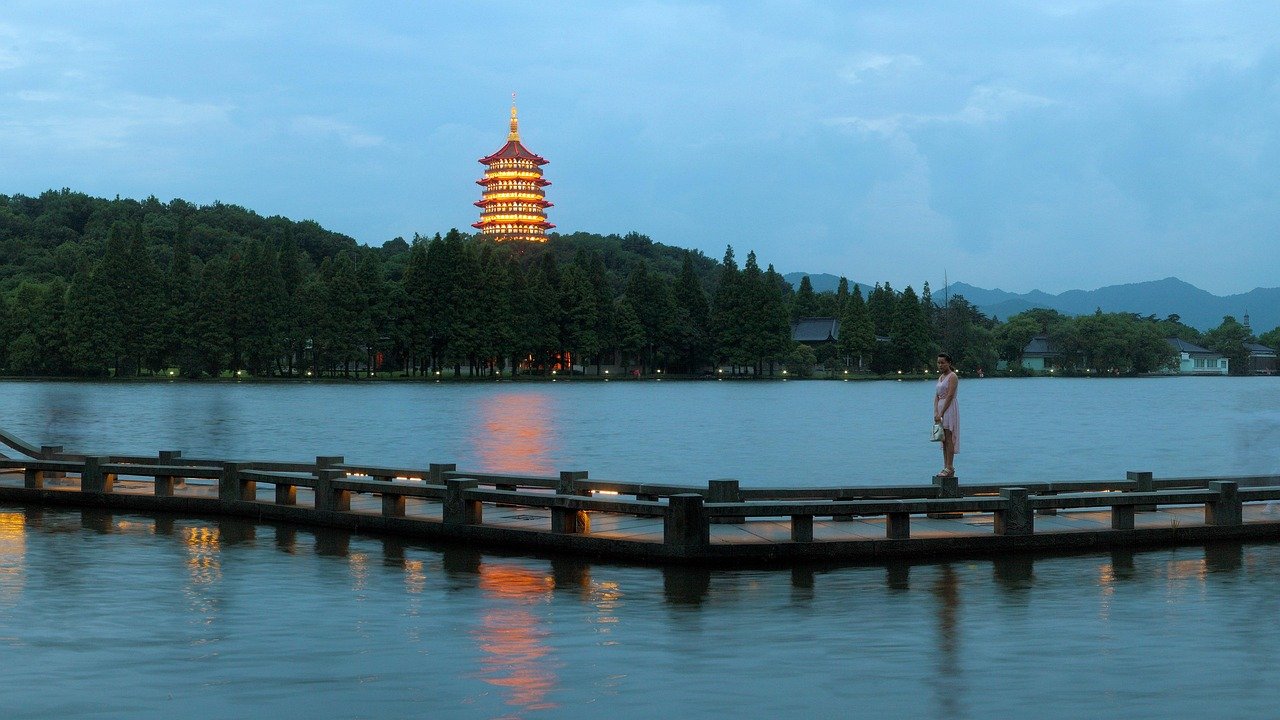
Hangzhou
Hangzhou, capital of Zhejiang province, pairs the classical beauty of West Lake with ancient temples, tea hills and a modern tech-driven economy.
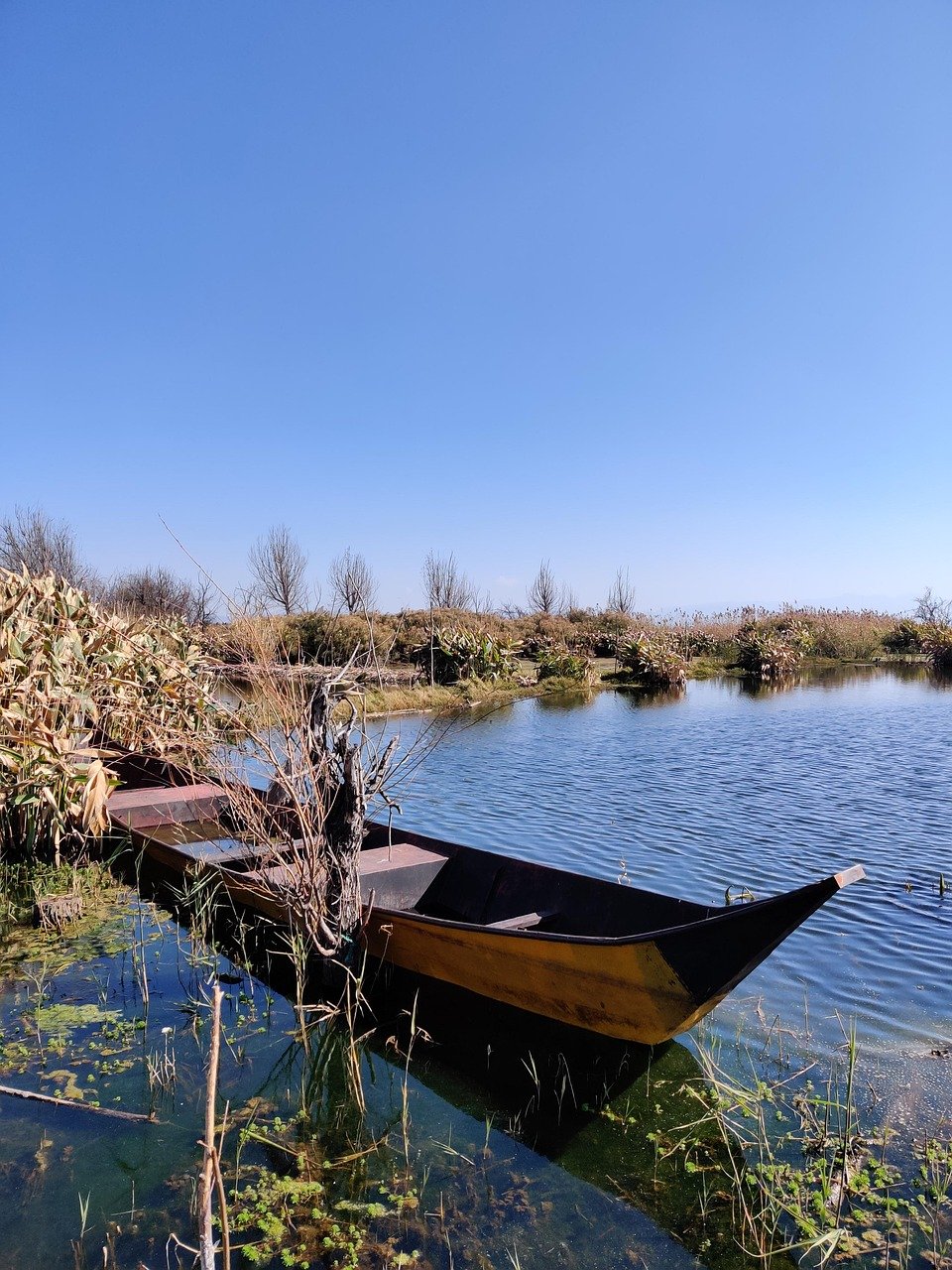
Kunming
Kunming, the capital of Yunnan, pairs a mild highland climate with historic temples, lively markets and modern districts, and its blend of ethnic cultures and nearby natural landmarks makes it a distinctive gateway to southwest China.
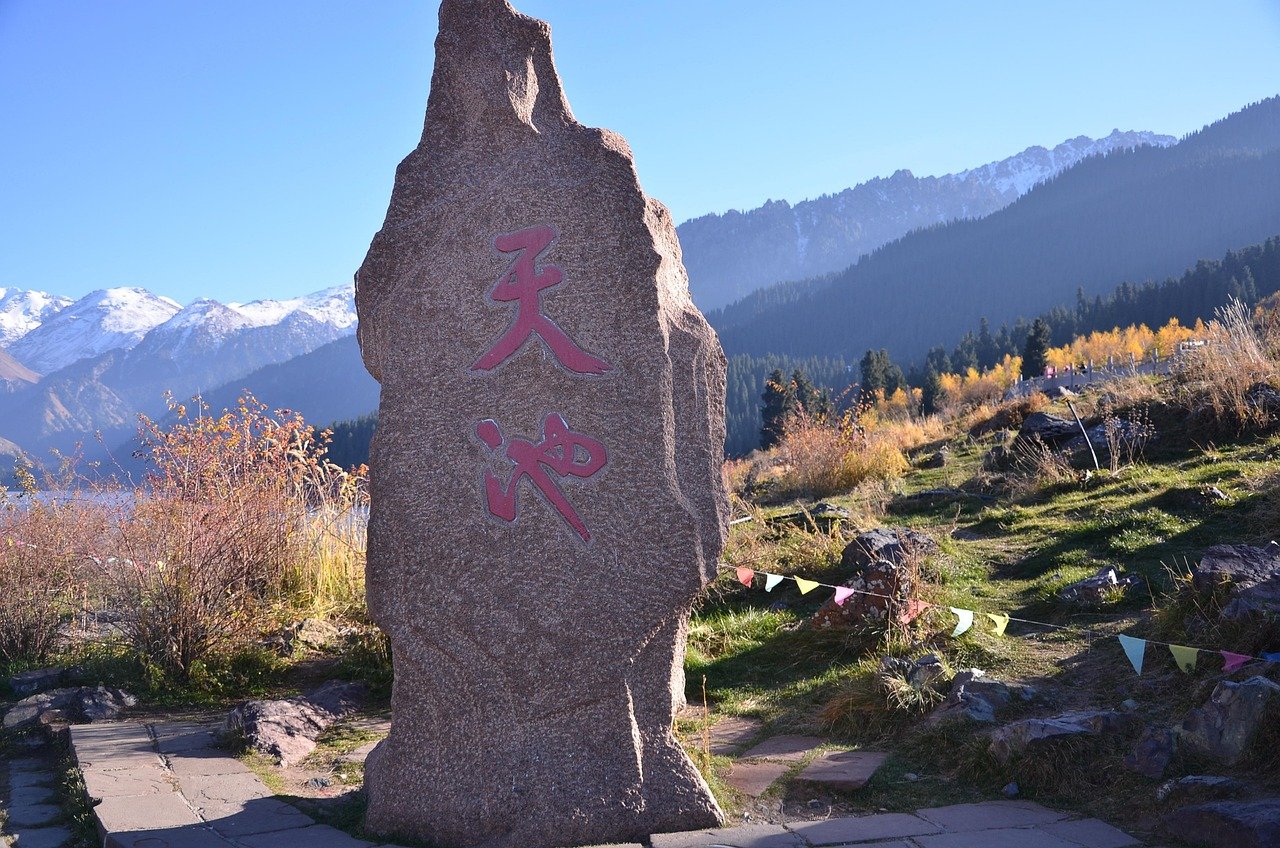
Urumqi
Urumqi, the capital of China's Xinjiang region, sits at the foot of the Tianshan Mountains and blends Silk Road history with a modern, multicultural urban scene. Its lively bazaars, green parks and mountain views give the city a distinctive character in northwest China.