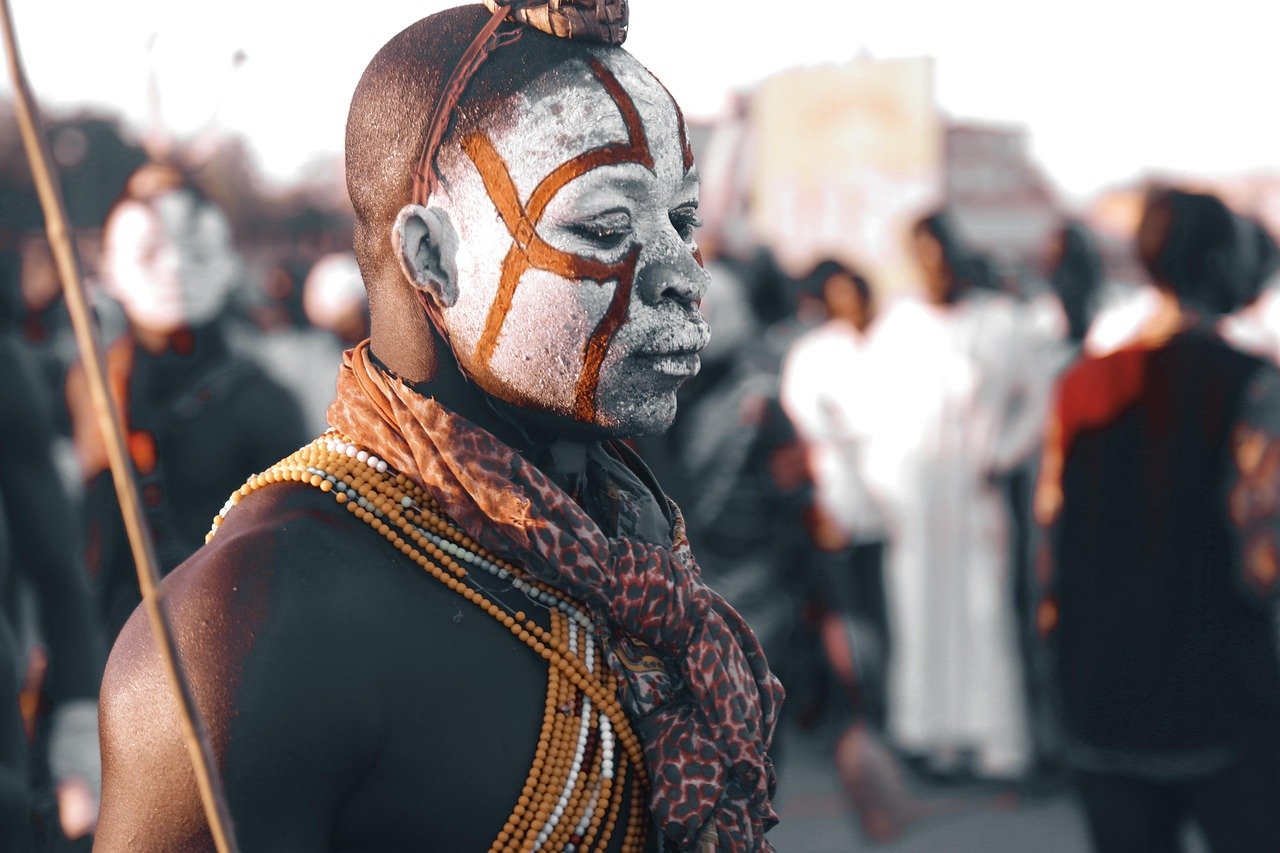
Hadjer-Lamis
Hadjer-Lamis, in western Chad, blends Sahelian landscapes, market-town life and a position between N'Djamena and Lake Chad.
Passengers
Luggage
About Hadjer-Lamis
Hadjer-Lamis is a Sahelian region of west-central Chad, with Massakory as its administrative capital. The region lies between the capital N'Djamena and the Lake Chad basin and brings together Arab, Gorane, Kotoko, Kanembou and Hadjaraï communities, giving it a distinctly mixed cultural character.
Created from the former Chari-Baguirmi area, Hadjer-Lamis is divided into three departments: Dababa, Dagana and Haraze Al Biar. Its history is tied to livestock routes, Lake Chad fishing and cross-border trade with Cameroon, while the site of Douguiya is regarded locally as one of the region's earliest major tourist landmarks.
Massakory, the regional capital, is a busy market town known especially for livestock trading and everyday Sahelian commerce. Other centres such as Bokoro and Massaguet serve as district towns, and the wider region offers Lake Chad shorelines, fishing villages, seasonal grazing land and open semi-arid landscapes rather than conventional city attractions.
Agriculture, livestock and fishing drive the local economy, and cross-border trade adds to the region's commercial importance. Cultural events such as the national Dary festival have showcased Hadjer-Lamis traditions, while the local dish sauce haubé, made from dried okra and green fish, is a distinctive feature of the regional table.
For travellers, Hadjer-Lamis is most useful as an overland and cultural destination between N'Djamena and the Sahel, whether for business linked to livestock and agriculture or for experiencing authentic markets and Lake Chad country. Most journeys begin in N'Djamena, which also has the nearest international airport.
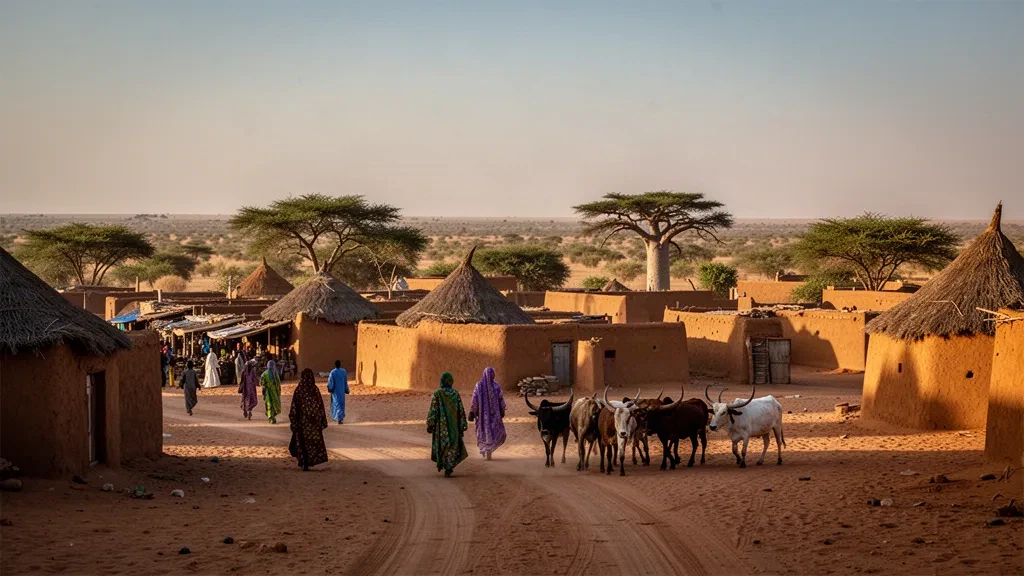
Hadjer-Lamis Travel Guide
Best Time to Visit
The dry season from roughly November to February is the most practical time to visit, when milder harmattan weather and drier roads make travel easier. The rainy season from June to September can leave rural tracks muddy and difficult, so it is better avoided for long overland journeys.
How to Get Around
Travellers usually reach Hadjer-Lamis by road from N'Djamena, using shared taxis, bush taxis or minibuses to Massakory and other towns. A 4x4 or a private car with a driver is more reliable for rural tracks, while motorcycle taxis are common for short trips within towns.
Where to Stay
Accommodation is limited, with simple guesthouses and auberges concentrated in Massakory and a few district towns. Travellers seeking more choice often stay in N'Djamena and travel into the region by day, or use basic local lodging near the markets.
Food & Drink
Meals are built around millet and sorghum, grilled meat and fish from Lake Chad and the Chari basin. The regional speciality sauce haubé combines dried okra with green fish, and tea stalls and small market restaurants provide everyday refreshment in the towns.
Ground Transportation Services in Hadjer-Lamis
Airport Transfers
Arrange road transfers between N'Djamena International Airport and Massakory or other Hadjer-Lamis towns, a journey of about 150 km along the main northern route.
Hourly Chauffeur
Book a private driver by the hour for business meetings, market visits, field trips and flexible travel across the Hadjer-Lamis region.
Car Rental
Rent a 4x4 for independent travel, since rural roads and tracks in Hadjer-Lamis are often unpaved and become difficult during the rainy season.
Bus & Group Transfers
Organise minibuses or charter buses for groups, NGO teams, events and transfers between N'Djamena and towns such as Massakory, Bokoro and Massaguet.
Frequently Asked Questions
Related Cities in Chad
View all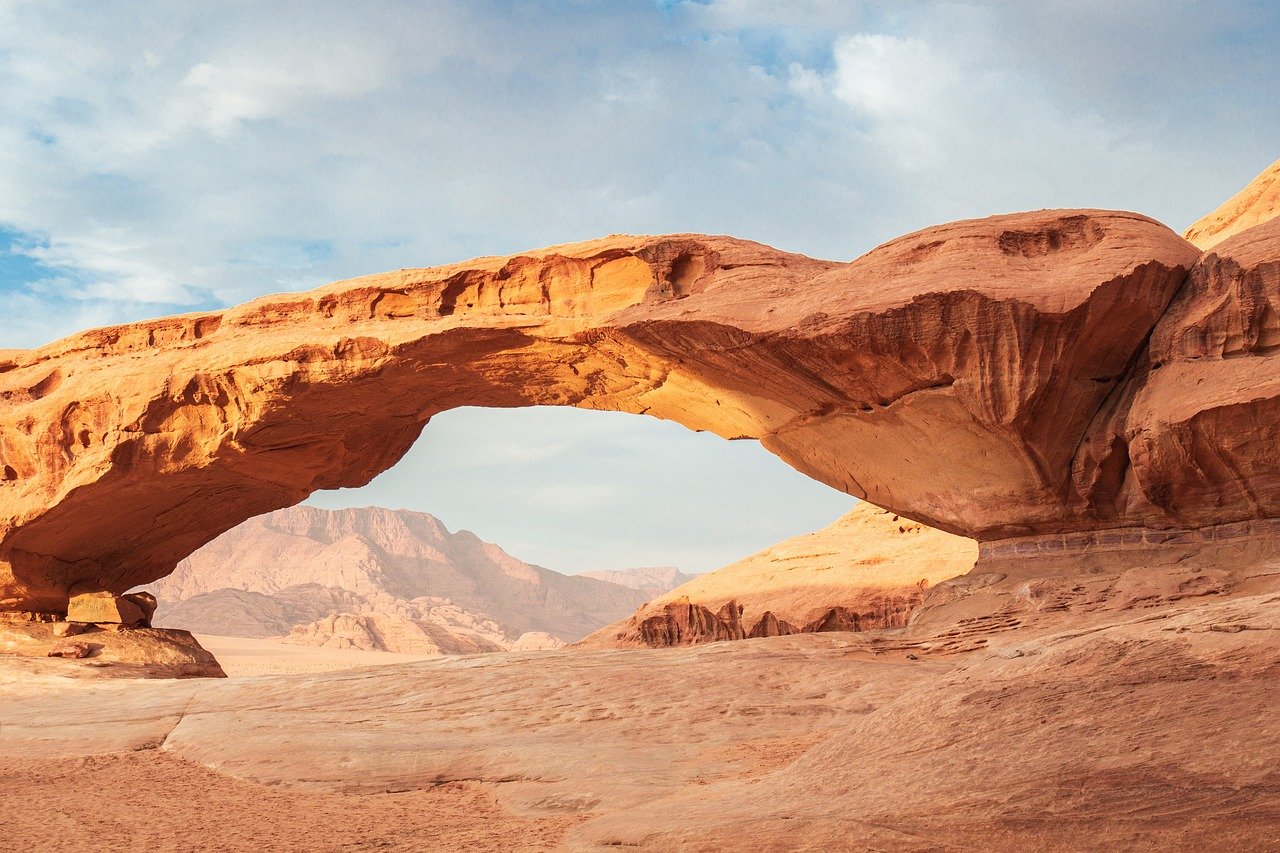
Wadi Fira
Wadi Fira, in eastern Chad, blends Sahelian desert scenery with local markets, diverse communities and a history of cross-border trade.
Tibesti
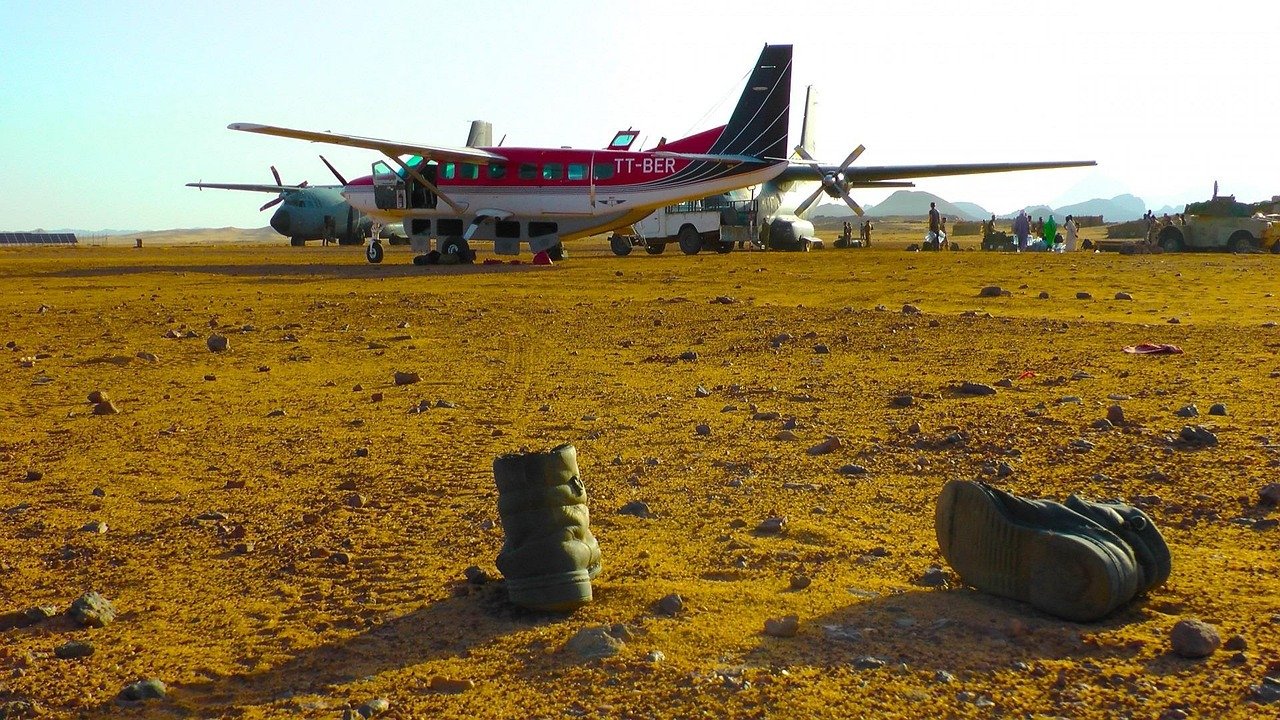
Tibesti, in northern Chad, is known for its dramatic volcanic mountains, ancient rock art and the cultural heritage of the Toubou people.
Tandjilé
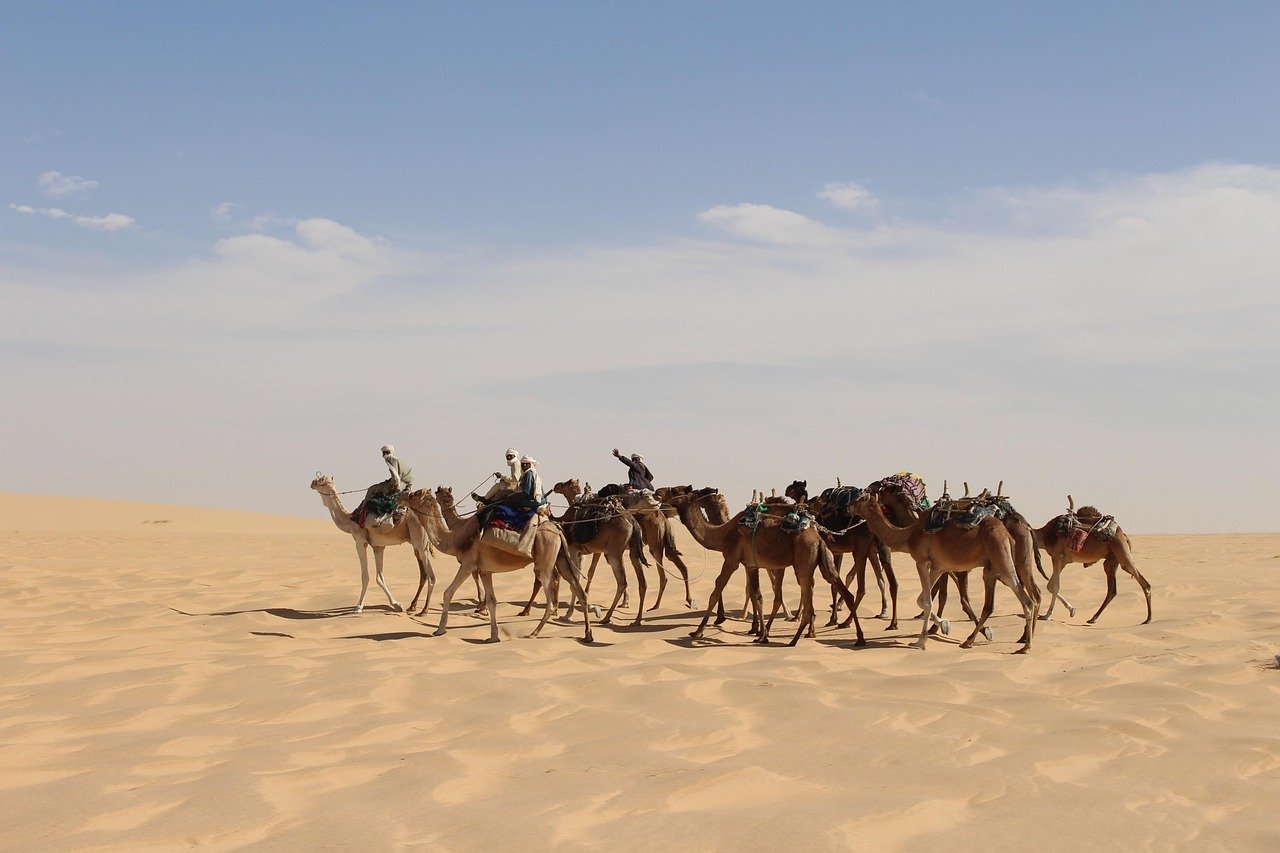
Tandjilé, in southwestern Chad, is a predominantly agricultural area of savanna landscapes, market towns and small communities, with Laï serving as its administrative centre.