Saba
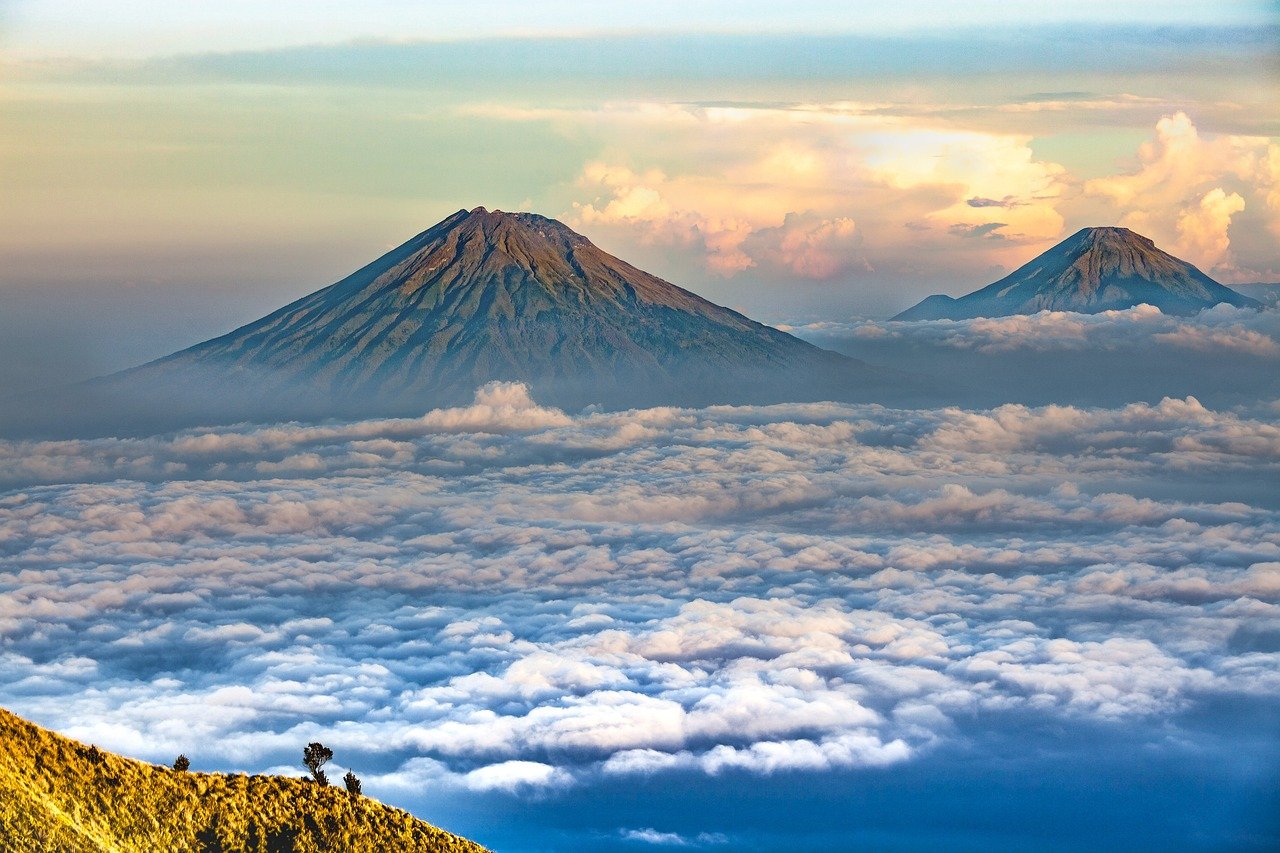
Saba, a small volcanic island in the Caribbean Netherlands, is known for its steep green slopes, historic villages and superb diving. Its quiet roads, Dutch-Caribbean character and views of Mount Scenery give the island a distinctive, unhurried appeal.
Passengers
Luggage
About Saba
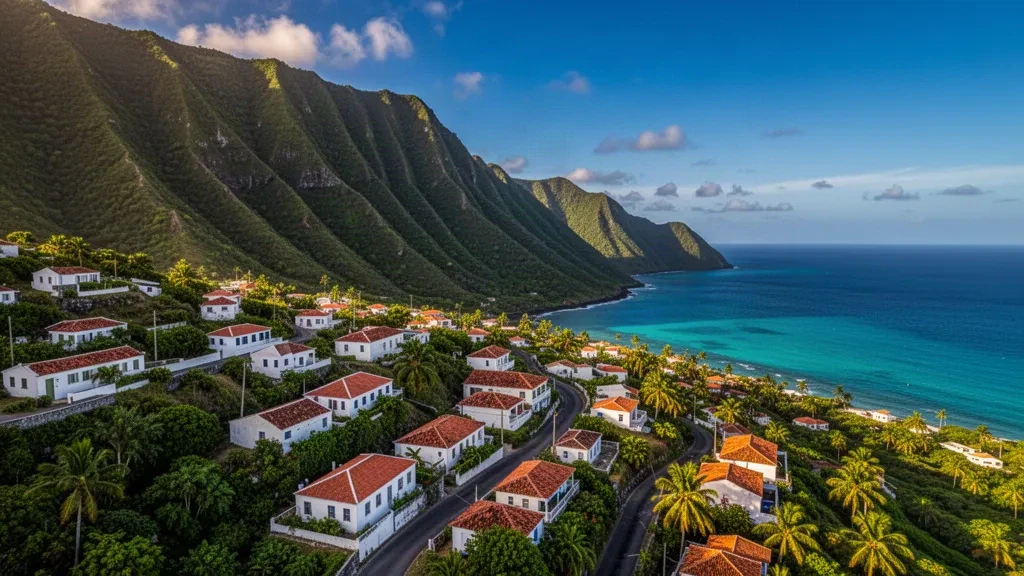
Saba is a small volcanic island in the Caribbean Netherlands, part of Bonaire, Sint Eustatius and Saba. Its steep green slopes rise sharply from the sea to Mount Scenery, which at 887 metres is the highest point in the Netherlands and gives the island a lush, mountainous character unlike most Caribbean destinations.
Saba's history is visible in its small whitewashed cottages with red roofs and green shutters, and in the traditional Saba lace made by local women. The island has retained a quiet, low-rise character; there are no large resorts or beaches, and life centres on a few hillside villages linked by steep roads.
The Bottom is the administrative capital, while Windwardside is the main visitor village with shops, restaurants, guesthouses and access to hiking trails. Hell's Gate, also called Zion's Hill, and St. John's are smaller settlements on the hillsides. Around the island, the Saba Marine Park protects coral reefs, pinnacles and dive sites that attract divers from around the world.
Visitors reach Saba through Juancho E. Yrausquin Airport, known for having one of the world's shortest commercial runways, or by ferry at Fort Bay. Tourism, the Saba University School of Medicine and small-scale local businesses give the island a stable, welcoming rhythm.
For leisure and business travellers, Saba offers a distinctive combination of nature, hiking, diving and calm village life, with practical services concentrated in The Bottom and Windwardside.
Saba Travel Guide
Best Time to Visit
Saba has a warm tropical climate year-round, but the drier months from December to April are generally the most comfortable for hiking and diving. The June to November hurricane season can bring heavier rain and rougher seas, so travel plans may need more flexibility.
How to Get Around
Saba has no public bus system, so most visitors use taxis, pre-arranged transfers or rental cars to travel between The Bottom, Windwardside and Hell's Gate. The roads are steep and winding, and walking is practical within the main villages.
Where to Stay
Windwardside is the most popular place to stay, with small guesthouses, cottages and restaurants close to hiking trails. The Bottom offers a quieter base near government buildings and the medical school, while Hell's Gate and St. John's have a few low-key accommodations.
Food & Drink
Saba's food scene is small and local, built around fresh seafood, Caribbean cooking and home-style dishes served in family-run restaurants. Visitors can also try Saba Spice, the island's spiced rum, and stop at cafés and bakeries in Windwardside and The Bottom.
Ground Transportation Services in Saba
Airport Transfers
Travel between Juancho E. Yrausquin Airport and hotels, guesthouses and dive operators in The Bottom, Windwardside, Hell's Gate and other parts of Saba.
Hourly Chauffeur
Book a private driver by the hour for flexible travel around Saba's steep roads, including village visits, trailheads, viewpoints, business meetings and medical school appointments.
Car Rental
Rent a car on Saba for independent travel between the island's villages, harbour and trailheads, keeping in mind that roads are narrow, steep and winding.
Bus & Group Transfers
Arrange minibuses or charter vehicles for dive groups, events, school visits, ferry connections at Fort Bay and group sightseeing across Saba.
Frequently Asked Questions
Related Cities in Bonaire, Sint Eustatius and Saba
View all
Sint Eustatius
Sint Eustatius, known as Statia, is a small Caribbean island with a rich colonial history, a quiet waterfront capital and the volcanic Quill at its centre.
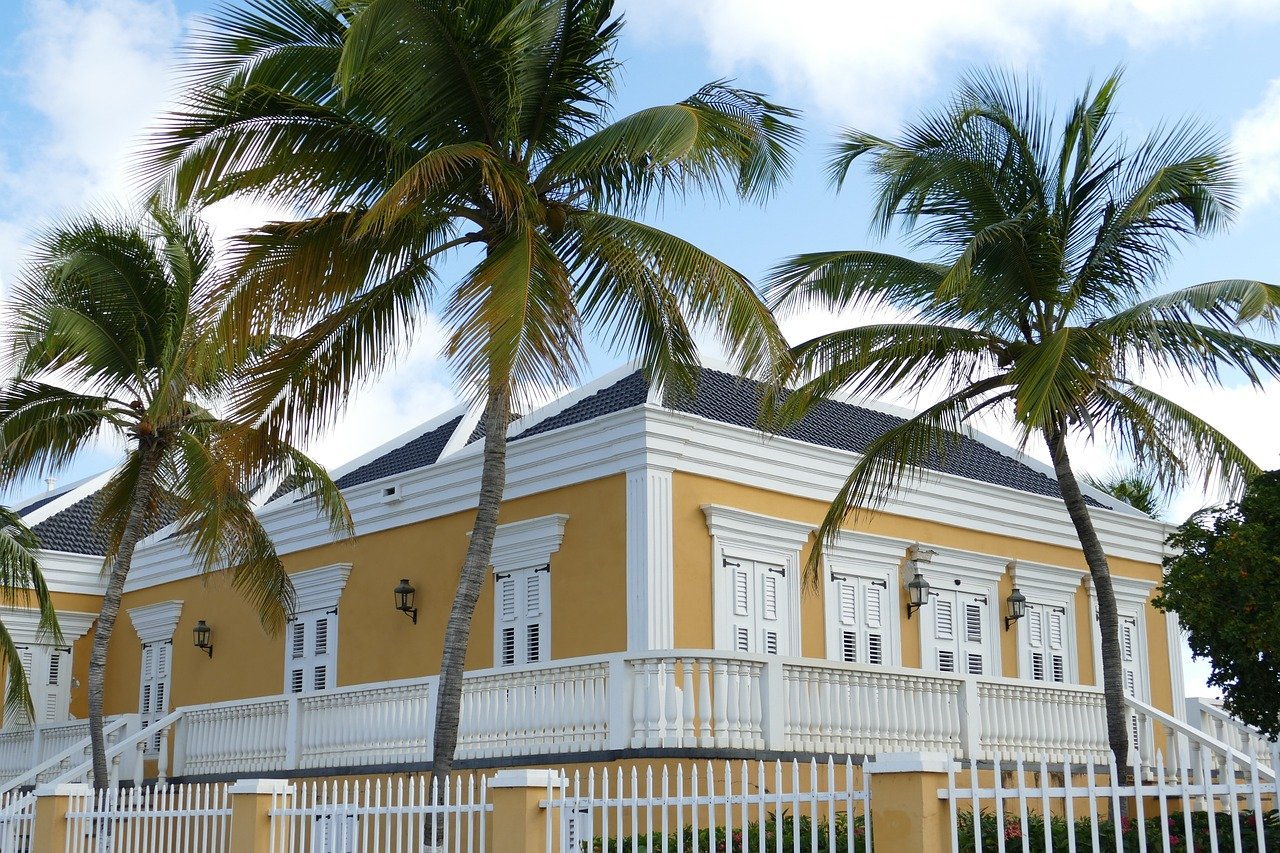
Bonaire
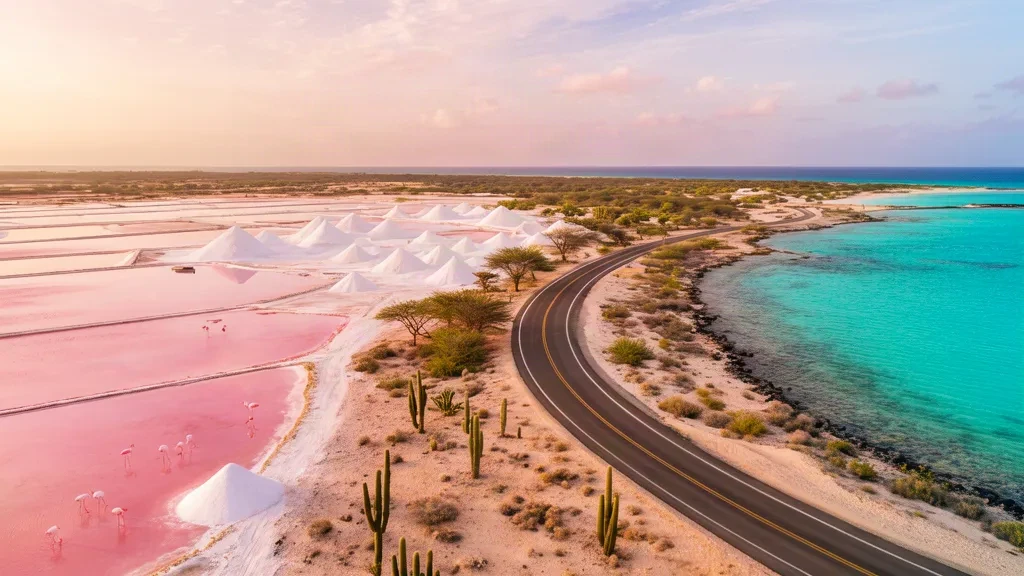
Bonaire is a Caribbean island defined by coral reefs, salt pans and flamingos, with Kralendijk's pastel waterfront serving as a relaxed base for diving, sailing and exploring protected desert landscapes.