Whitehorse
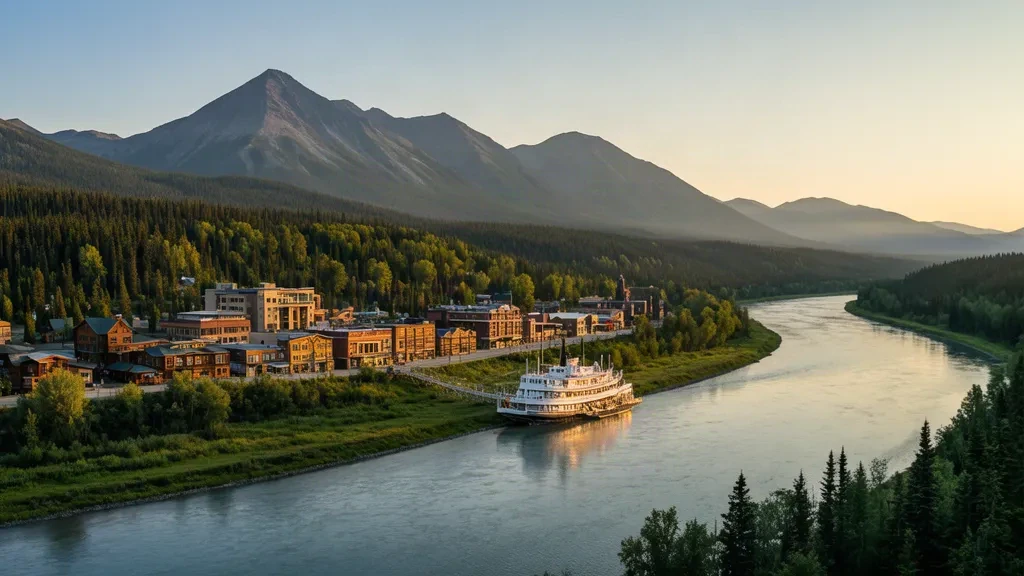
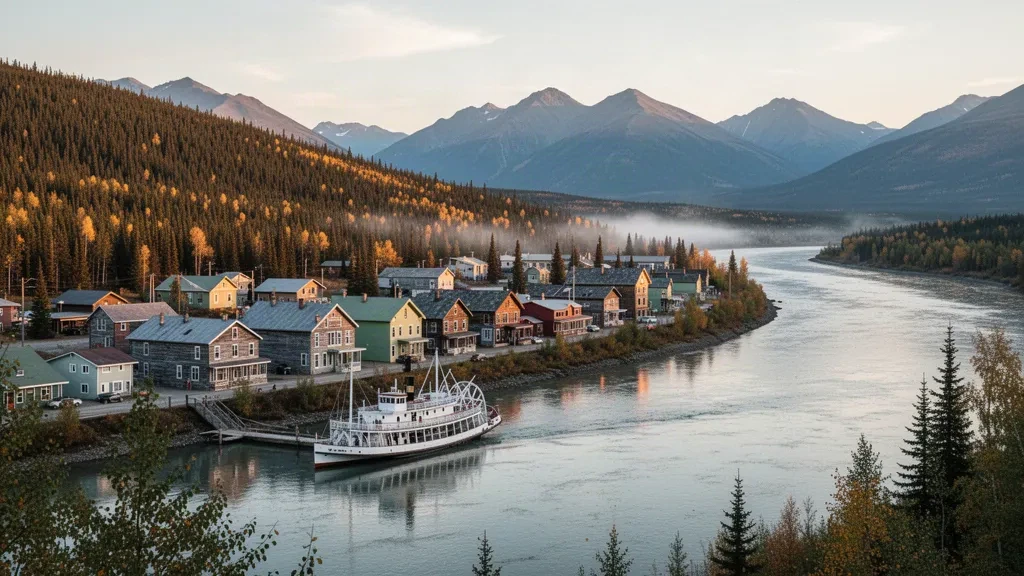
Whitehorse, the capital of Yukon, sits along the Yukon River and blends northern wilderness with Gold Rush history. Its compact downtown, SS Klondike sternwheeler and surrounding trails give the city a rugged yet welcoming character.
Passengers
Luggage
About Yukon
Whitehorse is the capital and only city of Yukon, Canada, and the largest city in northern Canada. Located on the Yukon River about 100 km north of the British Columbia border, it serves as the territory's government, service and transportation hub. Surrounded by Grey Mountain, Mount Sumanik and Golden Horn Mountain, the city combines small-city scale with a gateway role to the vast northern wilderness.
The city grew from a stopping point on the Klondike Gold Rush route. It became the territorial capital in 1953, when the seat moved from Dawson City, and was incorporated in 1950. The construction of the Alaska Highway in 1942 reshaped the community and remains central to its identity, with the highway passing through town at Historic Mile 918.
Key landmarks and experiences include the SS Klondike paddlewheeler, the MacBride Museum, the Yukon Beringia Interpretive Centre and the Kwanlin Dün Cultural Centre. Miles Canyon, the Yukon River waterfront and the Millennium Trail offer easy outdoor access, while nearby Takhini Hot Springs and northern lights viewing add to the destination's appeal.
Neighbourhoods such as Riverdale, Porter Creek and the downtown core each offer a different character, from riverside residential streets to shops, cafés and government offices. Local businesses, galleries and First Nations cultural sites reflect both the region's Indigenous heritage and its contemporary creative life.
Whitehorse is also a centre for mining, government administration and northern research, with a growing tourism economy. Its compact size, active outdoors culture and role as a gateway to the Yukon make it relevant for both leisure travellers and business visitors seeking access to Canada's North.
Yukon Travel Guide
Best Time to Visit
Summer from June to August offers long daylight hours, warm temperatures and festivals, making it the most popular time for outdoor activities. Late August to early October is quieter and can bring fall colours and aurora viewing, while winter appeals to northern lights and winter sports travellers.
How to Get Around
Whitehorse is compact and walkable in the downtown area, with a public transit bus system serving major neighbourhoods. Taxis, rental cars and private drivers are useful for reaching trailheads, the airport and nearby attractions outside the city core.
Where to Stay
Downtown Whitehorse is convenient for restaurants, museums and the Yukon River waterfront. Riverdale and areas near the Alaska Highway offer quieter accommodation options, while lodges and cabins outside town suit travellers seeking a northern wilderness experience.
Food & Drink
Whitehorse's dining scene ranges from casual cafés and bakeries to restaurants featuring local game, fish and Yukon ingredients. Popular options include coffee houses, brew pubs and First Nations-inspired dishes, with farmers markets and local events adding seasonal variety.
Ground Transportation Services in Yukon
Airport Transfers
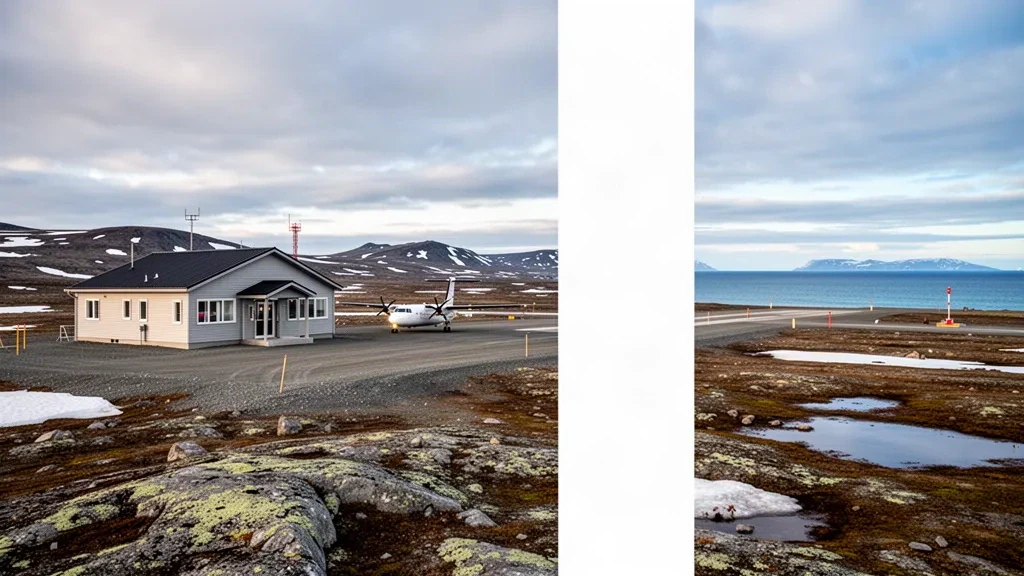
Travel between Erik Nielsen Whitehorse International Airport and hotels, downtown, business locations and other destinations around Whitehorse.
Hourly Chauffeur
Book a private chauffeur by the hour for business meetings, events, sightseeing and flexible travel around Whitehorse and the Yukon.
Car Rental
Rent a car in Whitehorse for independent travel around the city and convenient access to the Alaska Highway, trails and nearby attractions.
Bus & Group Transfers
Arrange minibuses or charter buses for groups, corporate travel, events, airport transfers and tours in Whitehorse and the surrounding Yukon region.
Frequently Asked Questions
Related Cities in Canada
View all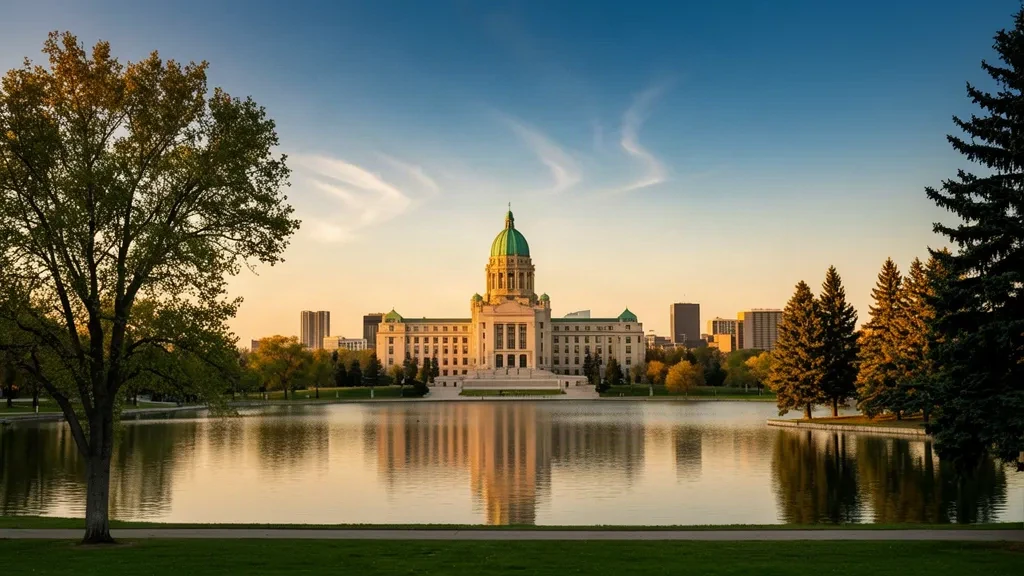
Regina
Regina, Saskatchewan's capital, combines prairie heritage with modern civic life, anchored by Wascana Centre and landmarks like the Royal Saskatchewan Museum.
Quebec City
Quebec City, one of North America's oldest cities, pairs a fortified historic core and French-Canadian culture with a lively arts scene, landmark architecture and a welcoming riverside setting.
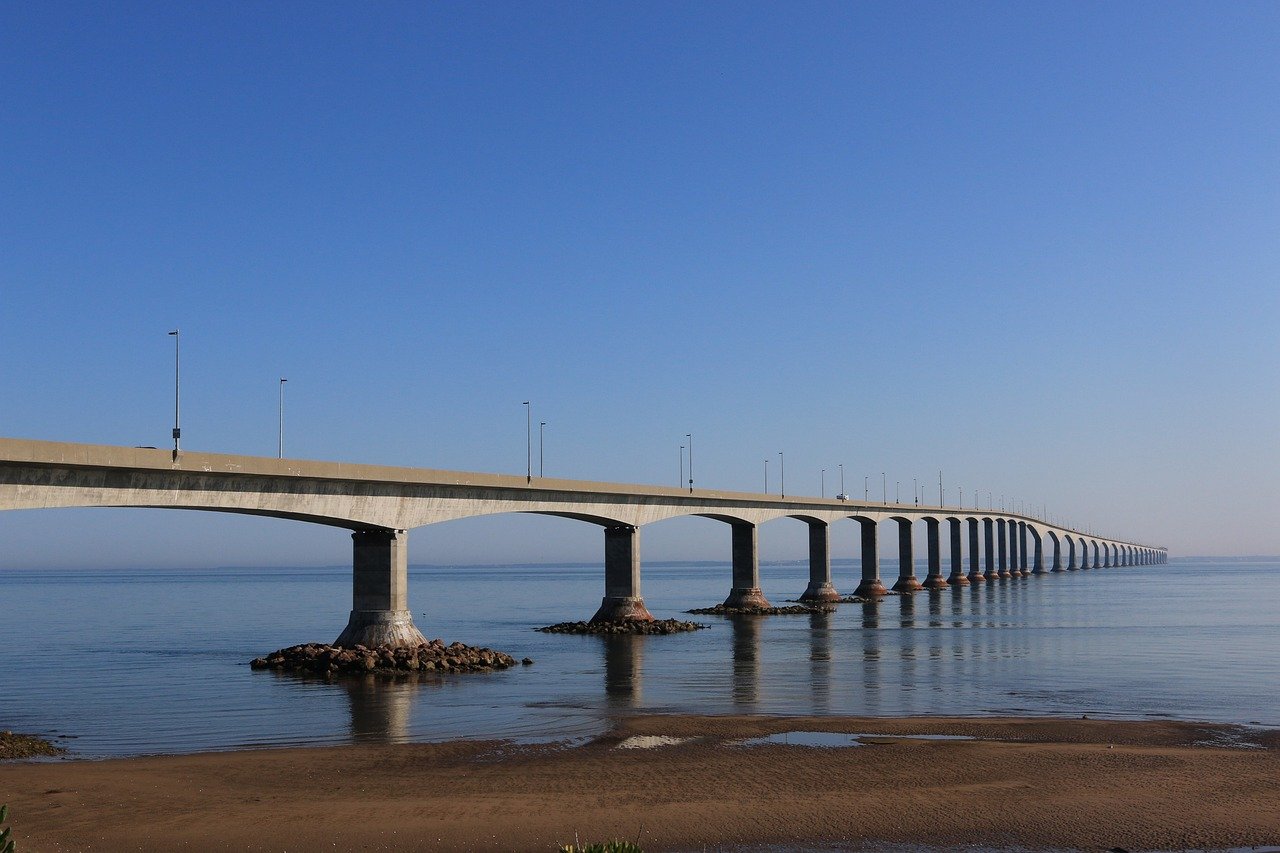
Charlottetown
Charlottetown, the compact capital of Prince Edward Island, pairs Victorian streets and waterfront boardwalks with a lively arts, food and festival scene rooted in its role as the Birthplace of Confederation.