Vratsa
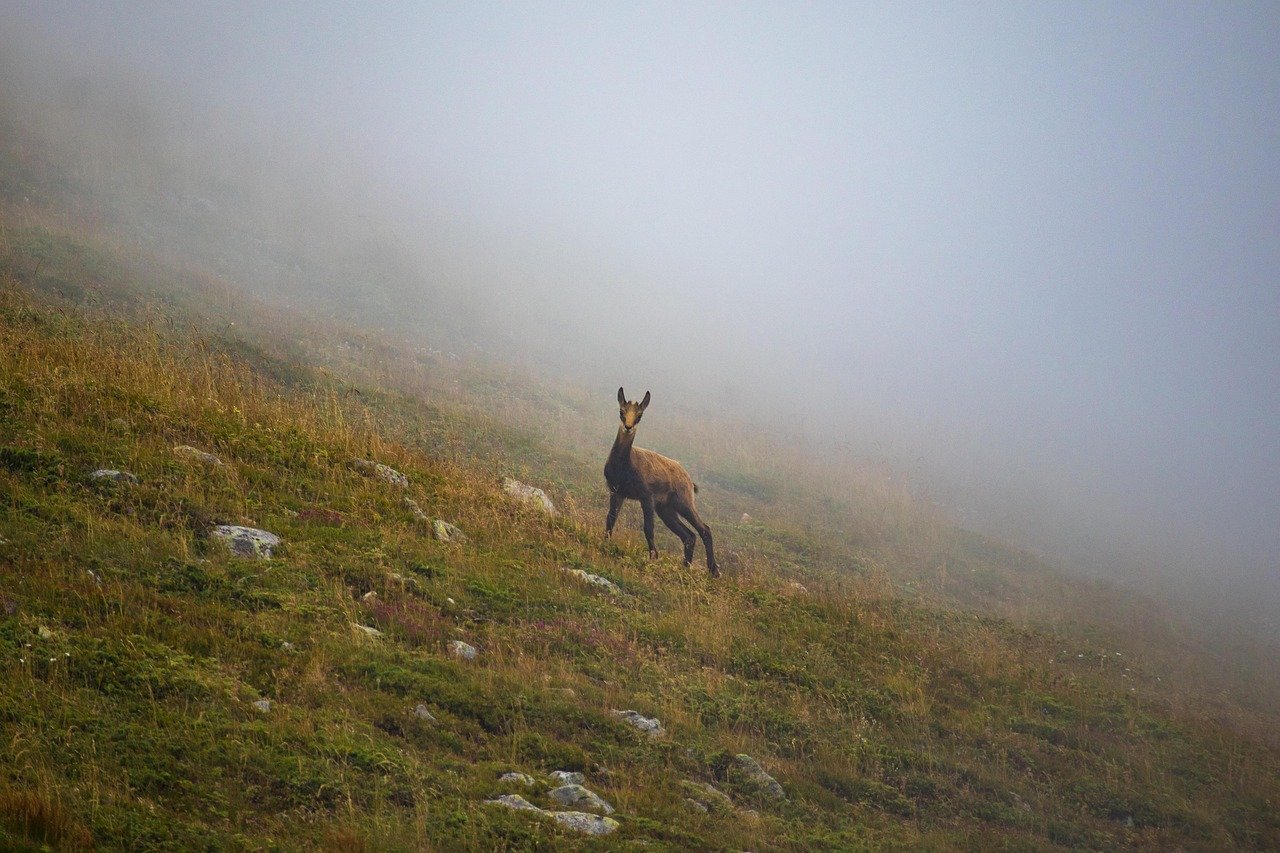
Vratsa sits in a dramatic setting at the foot of the Balkan Mountains, where the Vratsa Gorge and Ledenika Cave make the surrounding landscape a defining part of the city. As a regional centre in northwestern Bulgaria, it blends everyday urban life with a history visible in its museums, old quarter and nearby archaeological sites.
Passengers
Luggage
About Vratsa
Vratsa is the administrative centre of northwestern Bulgaria, set in the foothills of the Vrachanski Balkan mountain range beside the Leva River. Its motto, "a city like the Balkan – ancient and young", reflects a compact urban centre framed by dramatic limestone cliffs and protected natural areas.
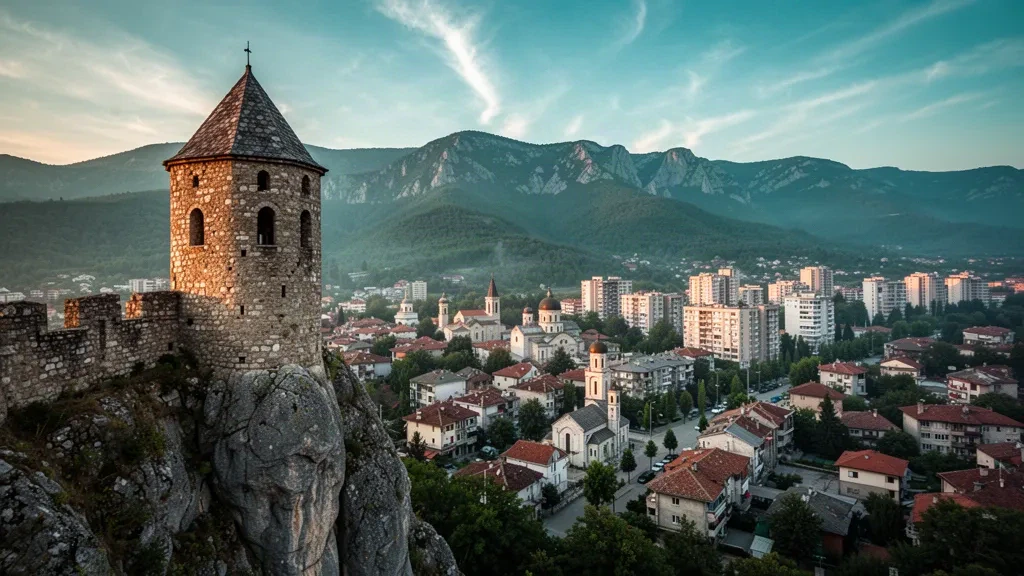
The city grew from an ancient Thracian and Roman settlement once called Valve, named for the narrow passage where its fortress gate stood. That rocky passage, the Vratsata Gorge, remains the symbol of Vratsa and leads toward the Vrachanski Balkan Nature Park. Historic landmarks include the 17th-century Kurt Pasha Tower, the Regional History Museum and the Ethnographic and Revival Complex, which preserves 19th-century crafts and architecture.
Central Vratsa is organised around Hristo Botev Square and the main pedestrian boulevard, where shops, cafés, museums and municipal buildings are easy to reach on foot. On the edge of the city, the Vratsata Gorge offers walking routes beneath high rock faces, while nearby Ledenika Cave and the Skaklya waterfall draw visitors into the surrounding karst landscape.
Vratsa has a long industrial and logistical tradition, with cement, textiles, machinery and food processing among its established sectors, and it sits roughly 100 km from Sofia on routes toward the Danube. The annual Botev Days in late May and early June honour the poet and revolutionary Hristo Botev, who died in the nearby Balkan mountains and whose monument overlooks the city.
For leisure travellers, Vratsa offers caves, hiking, climbing and a well-preserved regional heritage, while business visitors find a practical provincial centre with road and rail links to Sofia and northern Bulgaria.
Vratsa Travel Guide
Best Time to Visit
Spring and early autumn offer the mildest weather for walking in the Vratsata Gorge and Vrachanski Balkan. Late May and early June bring the Botev Days events, while summer suits longer hikes and cave visits.
How to Get Around
Central Vratsa is compact and easy to explore on foot, with taxis and limited local bus services for longer trips. A rental car is useful for reaching Ledenika Cave, the Vrachanski Balkan Nature Park and surrounding villages.
Where to Stay
Hotels and guesthouses near Hristo Botev Square and the central boulevard keep most landmarks within walking distance. For outdoor trips, mountain lodges and rural guesthouses around the nature park offer quieter bases.
Food & Drink
Vratsa has traditional Bulgarian mehana restaurants serving grilled meats, shopska salad, banitsa, stews and local dairy. Cafés around the central square and small bakeries provide everyday options throughout the day.
Ground Transportation Services in Vratsa
Airport Transfers
Travel between Sofia Airport and hotels, business addresses and other destinations in Vratsa with a pre-booked private transfer.
Hourly Chauffeur
Use a private chauffeur by the hour for business meetings, city travel and sightseeing trips to Vratsata Gorge or Ledenika Cave.
Car Rental
Rent a car in Vratsa or Sofia for independent travel around the city and convenient access to the Vrachanski Balkan mountains.
Bus & Group Transfers
Arrange minibuses or charter buses for groups, corporate travel, events and tours in Vratsa and across the surrounding region.
Frequently Asked Questions
Related Cities in Bulgaria
View all
Yambol
Set on the Tundzha River, Yambol pairs layers of Thracian and Roman history with a relaxed local pace, historic architecture and the nearby Kabile archaeological reserve.
Vidin
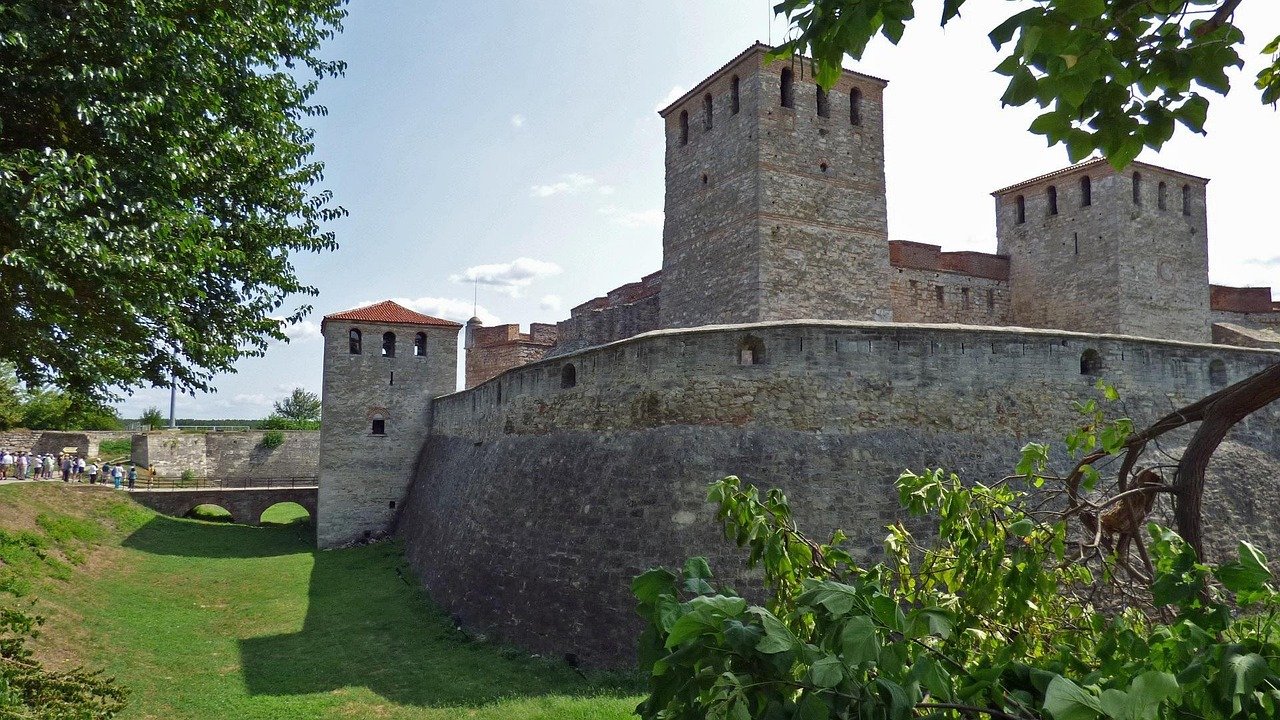
Vidin, a historic Danube port in northwestern Bulgaria, blends the medieval Baba Vida fortress, old-town charm and a calm riverside setting.
Veliko Tarnovo
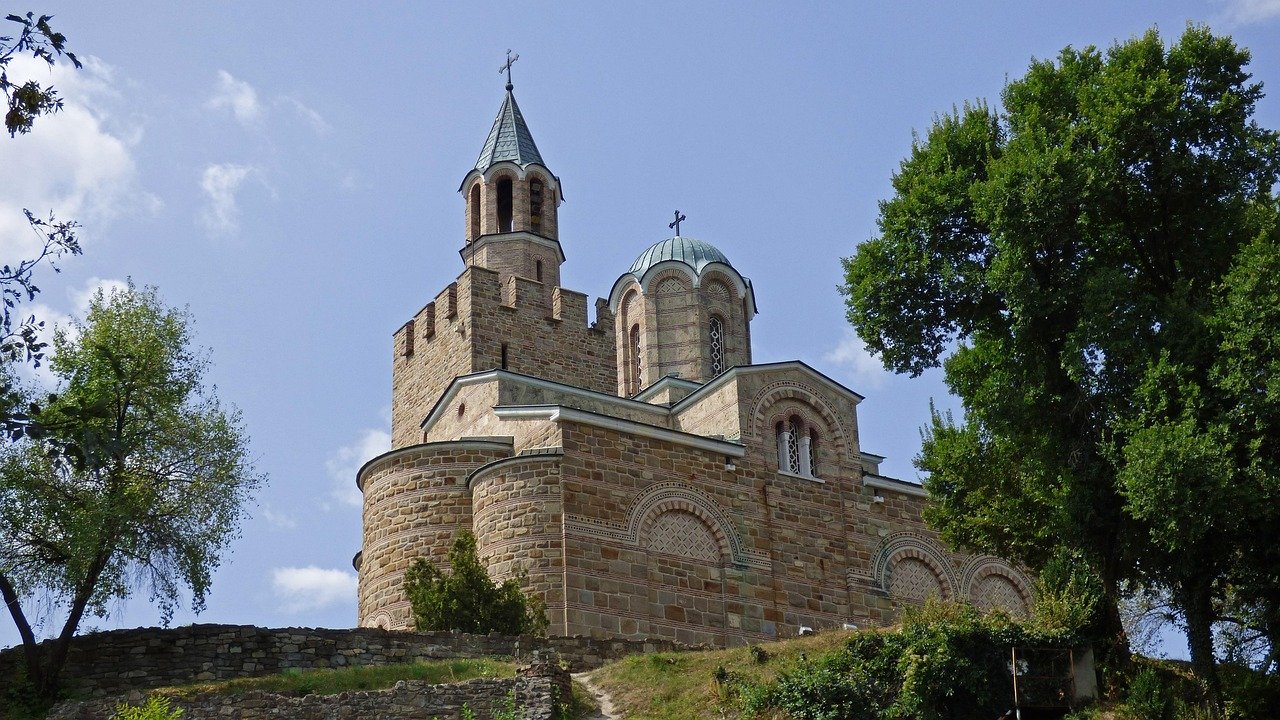
Veliko Tarnovo, a historic city on the Yantra River, is known for its medieval Tsarevets Fortress, layered architecture and lively student energy. Its cobbled streets and hilltop views blend Bulgaria's imperial past with a relaxed, modern atmosphere.