Veliko Tarnovo
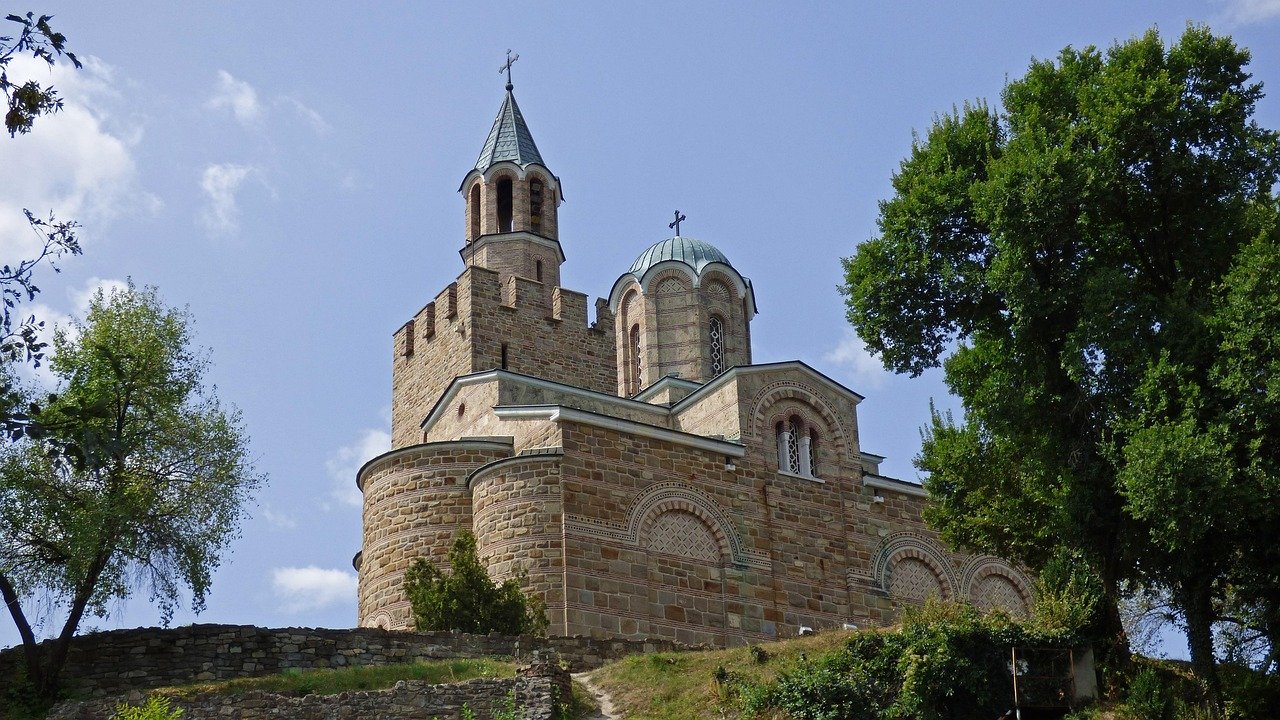
Veliko Tarnovo, a historic city on the Yantra River, is known for its medieval Tsarevets Fortress, layered architecture and lively student energy. Its cobbled streets and hilltop views blend Bulgaria's imperial past with a relaxed, modern atmosphere.
Passengers
Luggage
About Veliko Tarnovo
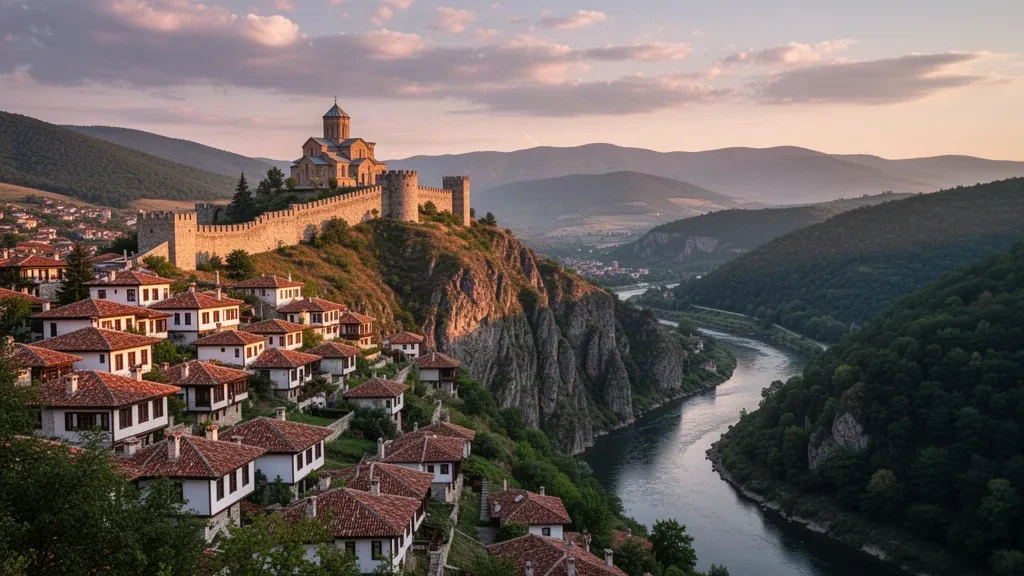
Veliko Tarnovo is a historic city in north central Bulgaria, perched on steep hills above the meandering Yantra River. Often called the City of the Tsars, it served as the capital of the Second Bulgarian Empire and remains one of the country's most distinctive destinations, combining a medieval fortress town with the energy of a modern university city.
The city's medieval past is most visible at Tsarevets, a fortified hill with restored walls, the ruins of the royal palace and the Patriarchal Church, which hosts an evening sound-and-light show. Across the river, Trapezitsa Hill preserves more fortress remains, while the Church of the Forty Martyrs and other medieval churches reflect the city's role as a political and religious centre.
Below the fortress, the Old Town and Varusha quarter climb the hillside with narrow lanes and 19th-century Revival houses, especially along Gurko Street. Samovodska Charshiya keeps a traditional bazaar atmosphere with craft workshops and galleries, and the Museum of the Bulgarian Revival and Constituent Assembly recalls the adoption of Bulgaria's first constitution in 1879.
The University of Veliko Tarnovo brings students and a lively café and cultural scene to the centre. Events range from the Stage of the Ages summer festival and folk celebrations to the Tsarevets light show, while traditional mehana taverns serve Bulgarian dishes, local wines and rakia. Nearby Arbanasi offers frescoed churches and fortress-like merchant houses.
For leisure travellers the city is a compact, walkable base for history and Balkan scenery, and for business or education visitors it hosts conferences, academic activity and regional administration. Its position makes it a convenient stop between Sofia and the Black Sea coast.
Veliko Tarnovo Travel Guide
Best Time to Visit
Late spring and early autumn offer mild weather for exploring the hilltop old town and Tsarevets. Summer brings warm days, the sound-and-light show and festivals such as Stage of the Ages, while winter is quieter and occasionally snowy.
How to Get Around
The historic centre is hilly and best explored on foot, with landmarks linked by cobbled streets and river viewpoints. Buses and taxis connect the city's districts, while Gorna Oryahovitsa railway station and main roads link Veliko Tarnovo with Sofia and other Bulgarian cities.
Where to Stay
The Old Town and Varusha quarter place you close to Tsarevets, museums and Revival-era architecture, while the central area near Mother Bulgaria Square offers hotels, shops and restaurants. Nearby Arbanasi is popular for quieter guesthouses in traditional houses.
Food & Drink
Traditional mehana taverns serve Bulgarian staples such as shopska salad, tarator, grilled meats and banitsa, often with local wines and rakia. Samovodska Charshiya pairs craft shops with cafés, and the student population adds casual bars and coffee spots around the centre.
Ground Transportation Services in Veliko Tarnovo
Airport Transfers
Arrange private transfers between Sofia Airport and Veliko Tarnovo, with door-to-door service covering the roughly 220 km route to hotels and venues in the city.
Hourly Chauffeur
Book a private chauffeur by the hour for business meetings, university visits, sightseeing at Tsarevets and flexible travel around Veliko Tarnovo.
Car Rental
Rent a car in Veliko Tarnovo to explore the hilly old town at your own pace and reach nearby Arbanasi, monasteries and Balkan villages independently.
Bus & Group Transfers
Arrange minibuses or charter buses for groups traveling between Sofia or Gorna Oryahovitsa and Veliko Tarnovo, plus tours, events and corporate transfers in the region.
Frequently Asked Questions
Related Cities in Bulgaria
View all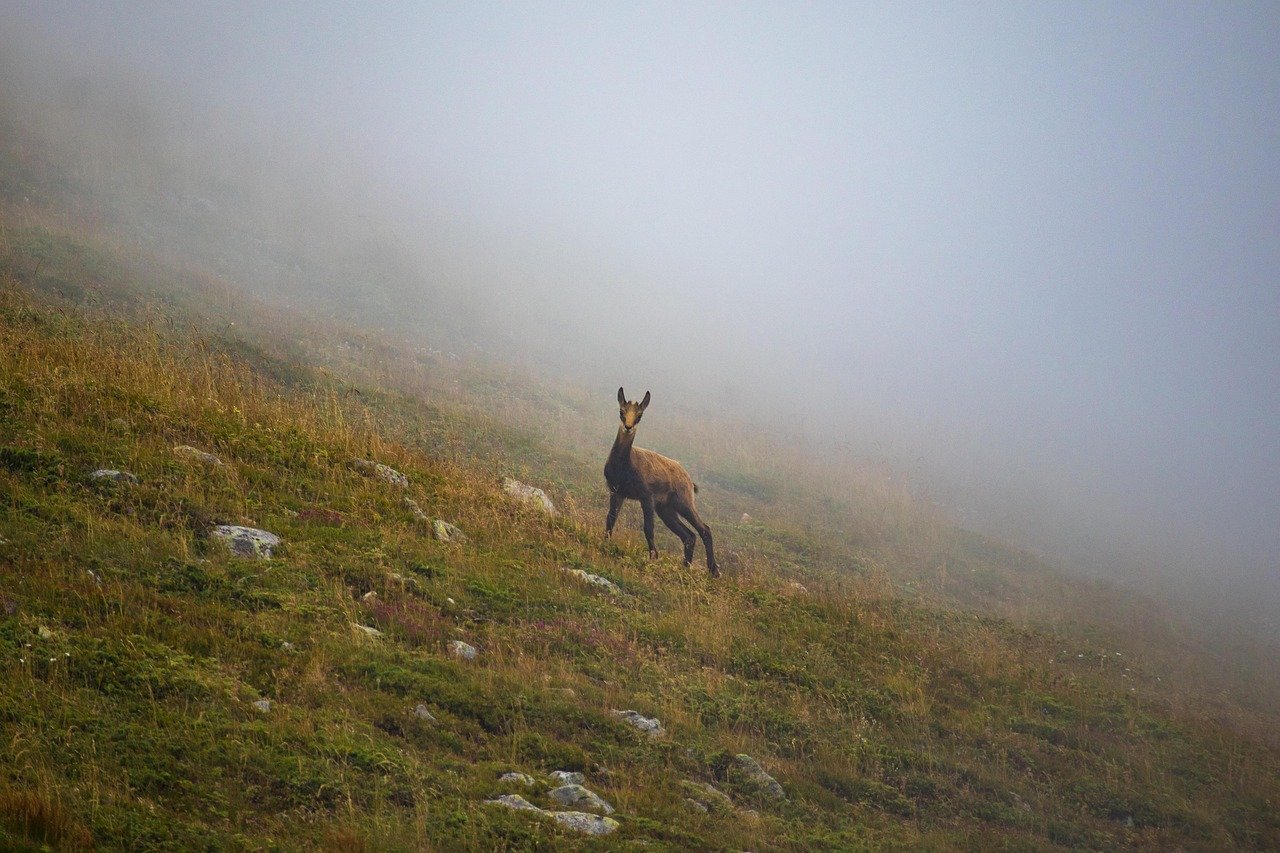
Vratsa
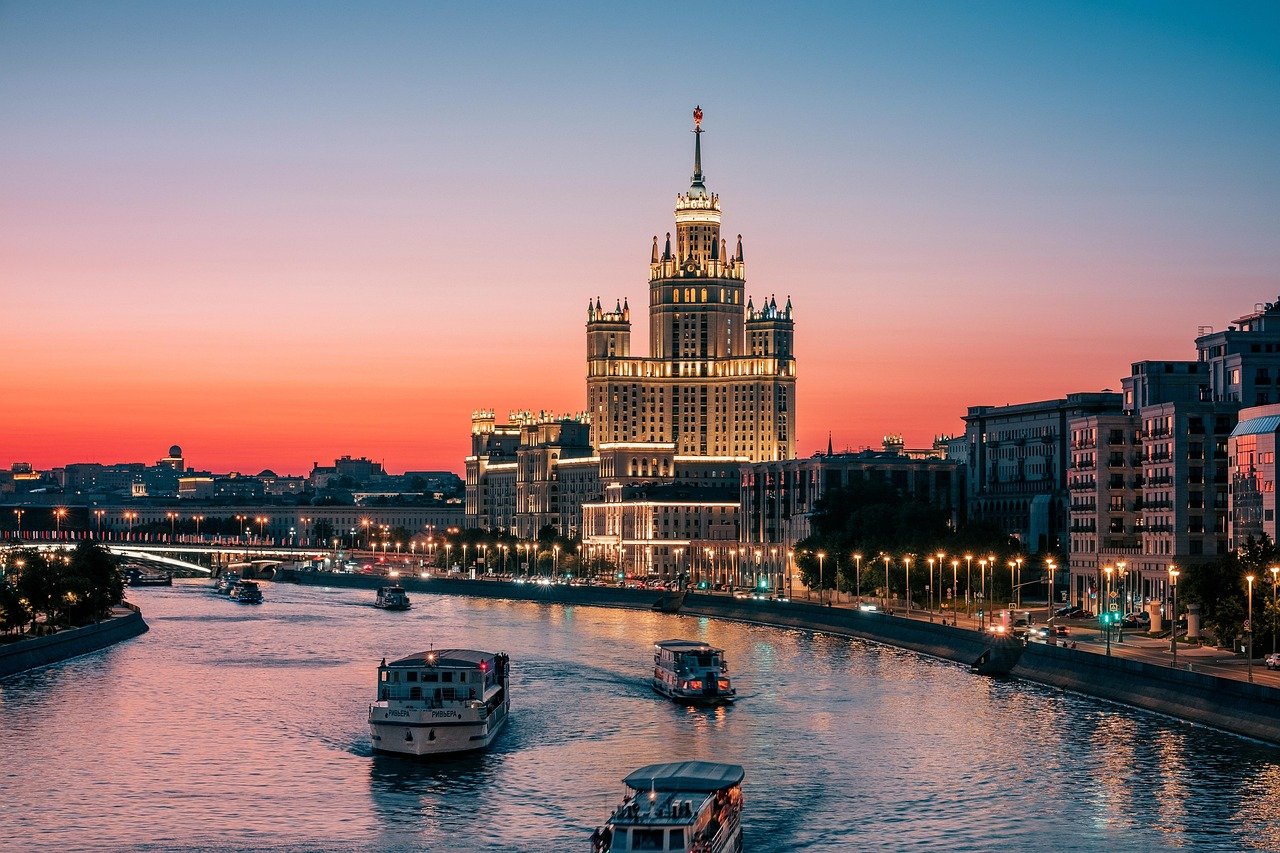
Vratsa sits in a dramatic setting at the foot of the Balkan Mountains, where the Vratsa Gorge and Ledenika Cave make the surrounding landscape a defining part of the city. As a regional centre in northwestern Bulgaria, it blends everyday urban life with a history visible in its museums, old quarter and nearby archaeological sites.
Yambol
Set on the Tundzha River, Yambol pairs layers of Thracian and Roman history with a relaxed local pace, historic architecture and the nearby Kabile archaeological reserve.
Vidin
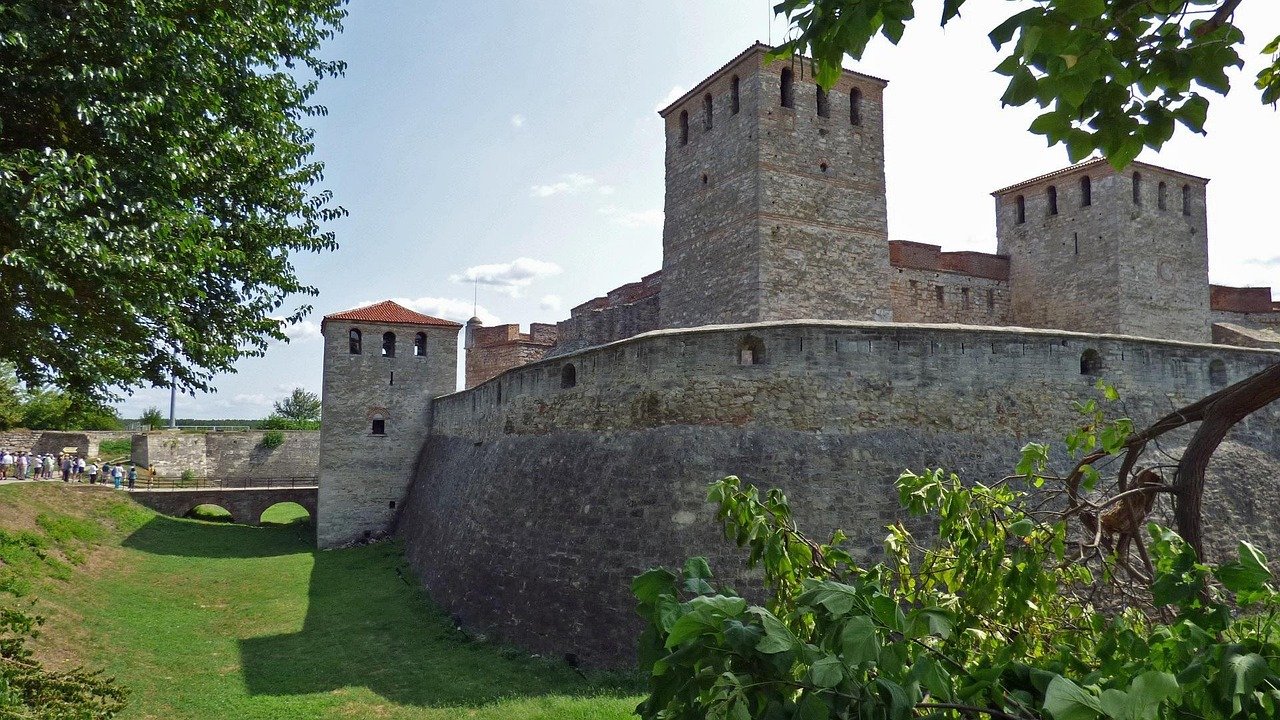
Vidin, a historic Danube port in northwestern Bulgaria, blends the medieval Baba Vida fortress, old-town charm and a calm riverside setting.