Ouémé
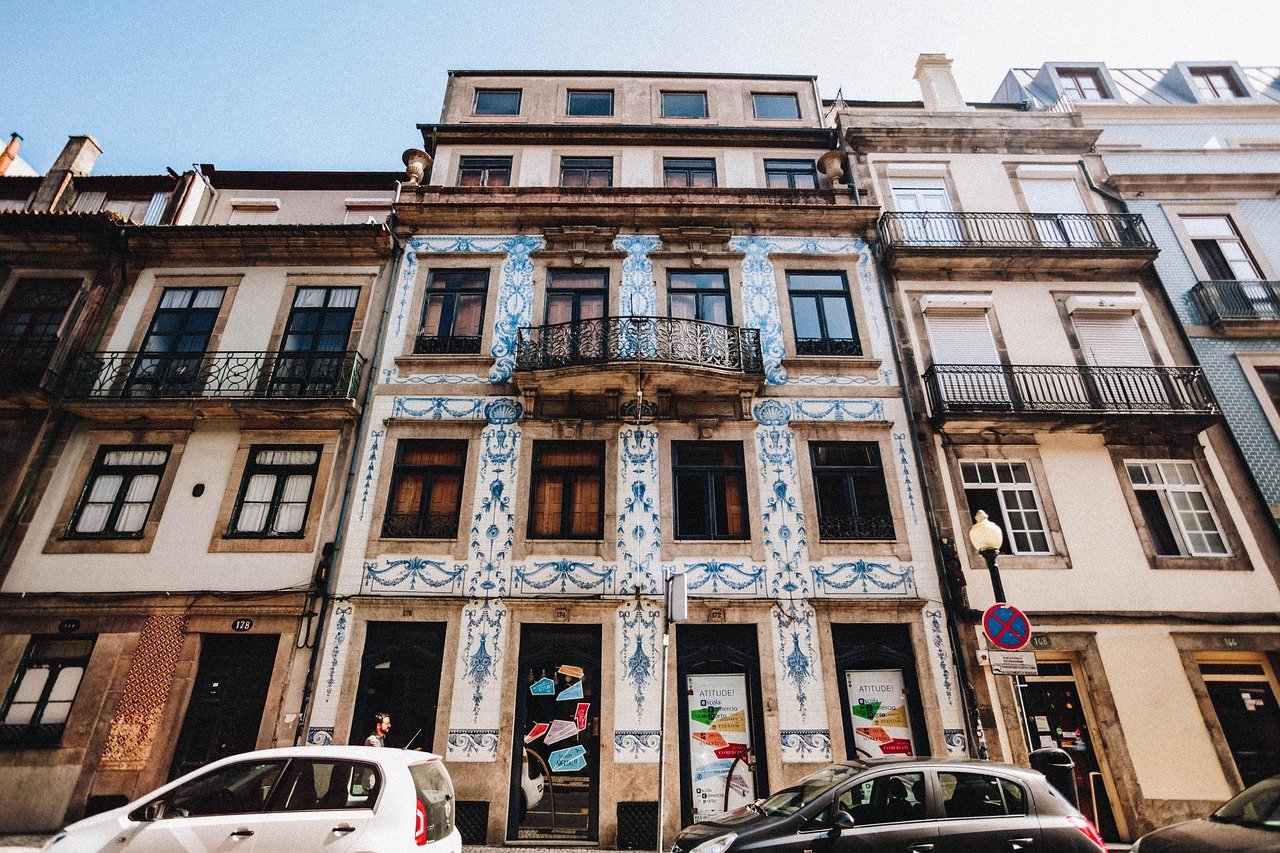
Ouémé, in southern Benin, blends lagoon landscapes and historic towns with lively markets and a rich cultural heritage.
Passengers
Luggage
About Ouémé
Porto-Novo is the official capital of Benin and the administrative centre of Ouémé Department, set on a lagoon in the country's southeast. It is Benin's second-largest city, known for a relaxed pace, royal heritage and one of West Africa's best-preserved collections of Afro-Brazilian architecture.
The city grew from the kingdom of Hogbonou, later renamed Porto-Novo by Portuguese traders. It became the capital of French Dahomey, and its history as a royal and trading centre is reflected in landmarks such as the Honmè Museum, the former palace of King Toffa, and the Alexandre Sènou Adandé Ethnographic Museum.
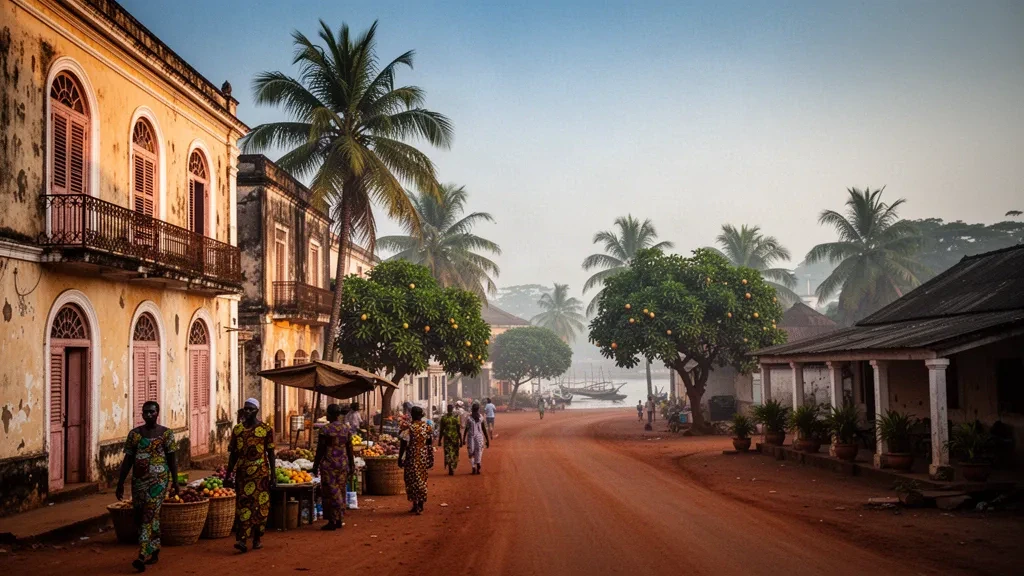
Its distinctive Grand Mosque was built in the style of a Brazilian church, while pastel-coloured colonial houses and family compounds line the older quarters. The busy Ouando Market, the lagoon waterfront and nearby villages such as Adjarra, known for drum making, give visitors a direct view of daily life.
As the seat of Benin's National Assembly, Porto-Novo remains politically significant even though much government activity is based in Cotonou, about 40 km away. The surrounding region produces palm oil, cotton and kapok, and the city is linked to Cotonou by a busy economic corridor.
For travellers, Porto-Novo offers a calm alternative to Cotonou, with cultural heritage, markets and architecture that suit both leisure visitors and business travellers looking for a deeper introduction to Benin.
Ouémé Travel Guide
Best Time to Visit
The dry season from November to February is the most comfortable time to visit Porto-Novo, with lower humidity and little rain. The hot, wet months from March to October can be humid, though the city remains visitable year-round.
How to Get Around
Porto-Novo is easy to navigate using zemidjan motorcycle taxis, shared taxis and minibuses. The central area can be explored on foot, and hiring a car with a driver is useful for day trips and travel to Cotonou.
Where to Stay
Accommodation is concentrated in the city centre and near Ouando, with a mix of small hotels and guesthouses. Many visitors stay in Cotonou and take a day trip, but staying overnight offers a quieter base close to the main museums and markets.
Food & Drink
Local dining centres on Beninese staples such as corn-based akassa, rice, grilled fish, palm nut sauces and fried plantains. Ouando Market and neighbourhood maquis restaurants offer affordable meals, with Afro-Brazilian influences still present in some local dishes.
Ground Transportation Services in Ouémé
Airport Transfers
Arrange transport between Cotonou Cadjehoun Airport and Porto-Novo hotels, business districts and venues, a road journey of about 40 km.
Hourly Chauffeur
Book a private chauffeur by the hour for meetings, heritage sightseeing, market visits and flexible travel around Porto-Novo and to Cotonou.
Car Rental
Rent a car in Porto-Novo or Cotonou for independent travel around the city, the Ouémé region and journeys along the coast.
Bus & Group Transfers
Organise minibuses or charter buses for groups, events, airport transfers and tours in Porto-Novo and nearby destinations.
Frequently Asked Questions
Related Cities in Benin
View all
Zou
Zou, in southern Benin, is known for the UNESCO-listed Royal Palaces of Abomey, vibrant markets and a deep connection to the history of the Dahomey Kingdom.

Pobè
Pobè is a town in south-eastern Benin and the capital of Plateau Department, with a busy market and a location near the Nigerian border that shapes its everyday trade and travel. It serves as a local administrative and commercial centre for the surrounding Plateau area.
Mono
Mono, in southwestern Benin, blends river and coastal landscapes with vibrant markets, traditional culture and easy access to nearby historic towns.