Mono
Mono, in southwestern Benin, blends river and coastal landscapes with vibrant markets, traditional culture and easy access to nearby historic towns.
Passengers
Luggage
About Mono
Lokossa is the capital of Benin's Mono Department, a compact administrative and trading town in the country's southwest, close to the Togo border and the Mono River. Its name means "under the iroko tree," and the town serves as the main gateway to a region shaped by rivers, lagoons and the Atlantic coast.
The town's role as a regional centre is reflected in landmarks such as the St. Pierre Claver Cathedral, consecrated in 1968, the Place de l'Indépendance and the Gnonnas Pédro Museum, which honours the celebrated Beninese musician born in Lokossa. The sacred forest of Lohounvodo and Lake Doukon, known for its hippos, connect the town to local Vodun traditions and natural heritage, while Kotafon, Adja and Yoruba communities shape everyday culture.
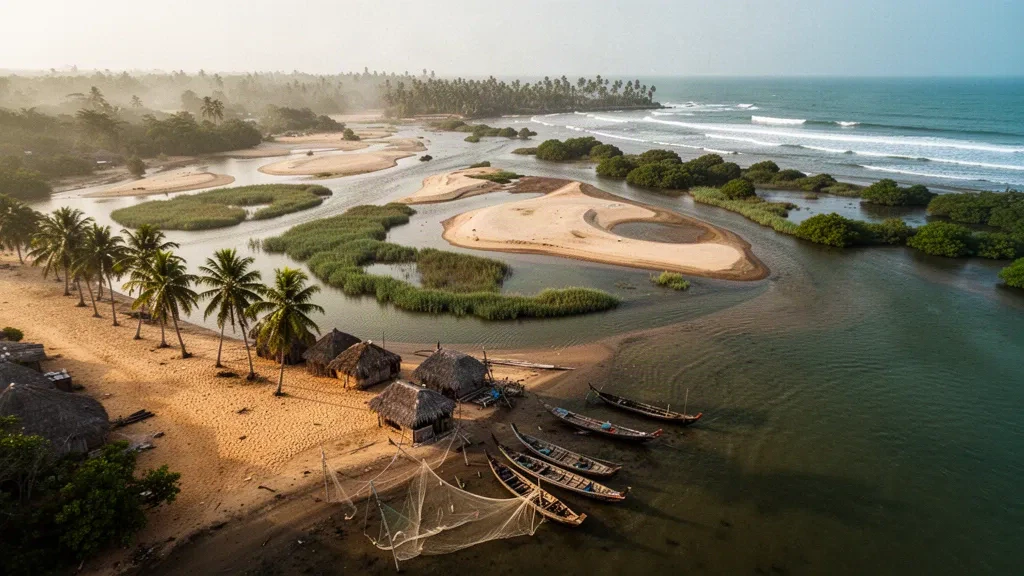
Lokossa is best explored through its lively central market and unhurried neighbourhoods. The wider Mono region is the bigger draw for many visitors, with Grand-Popo's coconut-lined beaches, the Avlo fishing village and the Bouche du Roy, where the Mono River meets the Atlantic amid mangroves and lagoons; guided dugout canoe trips are among Benin's most distinctive excursions.
As a departmental capital, Lokossa anchors public administration, agriculture and trade, with maize, cassava, palm oil and fish central to the local economy and cross-border commerce with Togo. For travellers, it offers an authentic and affordable base for exploring southern Benin's coast, Vodun heritage and river landscapes, while Cotonou and Lomé provide the nearest major business and air-transport hubs.
Mono Travel Guide
Best Time to Visit
The dry season from November to March is the most comfortable time to visit, with lower rainfall and more reliable roads for exploring Lokossa, Grand-Popo and the Mono River. Coastal conditions stay warm and humid year-round, while heavy rains can make some rural routes difficult.
How to Get Around
Central Lokossa is easy to explore on foot, with shared taxis and zemidjan motorcycle taxis for short trips. Buses and bush taxis connect the town to Cotonou, Comè, Athiémè and Grand-Popo, while private transfers are practical for airport and cross-border journeys.
Where to Stay
Lokossa has modest guesthouses and small hotels around the centre. The nearby coastal town of Grand-Popo offers beach lodges and ecolodges, while travellers seeking international-standard hotels generally stay in Cotonou or Lomé.
Food & Drink
Local cuisine in Lokossa is built on maize, cassava, beans and fresh fish, with dishes such as akassa served with grilled fish, wagassi and pâte with peanut or leaf sauces. Small maquis, market stalls and Togolese-influenced cooking offer affordable everyday meals, while Grand-Popo adds beachfront seafood spots.
Ground Transportation Services in Mono
Airport Transfers
Travel between Cotonou Cadjehoun Airport and Lokossa, Grand-Popo, Comè and other destinations across the Mono region with a pre-booked private transfer.
Hourly Chauffeur
Book a private driver by the hour for meetings in Lokossa, day trips to Grand-Popo and the Bouche du Roy, or flexible travel across the Benin–Togo border area.
Car Rental
Rent a car in Lokossa or from Cotonou for independent travel through the Mono Department, along the coast and to nearby destinations.
Bus & Group Transfers
Arrange minibuses or charter buses for groups travelling to events, conferences, festivals or coastal excursions in the Mono region.
Frequently Asked Questions
Related Cities in Benin
View all
Zou
Zou, in southern Benin, is known for the UNESCO-listed Royal Palaces of Abomey, vibrant markets and a deep connection to the history of the Dahomey Kingdom.
Pobè
Pobè is a town in south-eastern Benin and the capital of Plateau Department, with a busy market and a location near the Nigerian border that shapes its everyday trade and travel. It serves as a local administrative and commercial centre for the surrounding Plateau area.
Ouémé
Ouémé, in southern Benin, blends lagoon landscapes and historic towns with lively markets and a rich cultural heritage.