
Cotonou
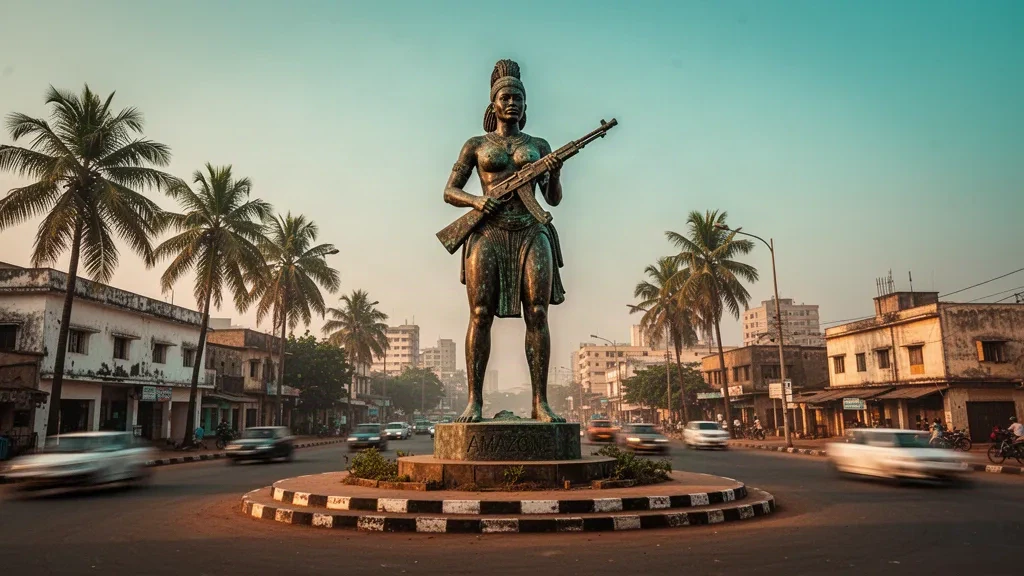
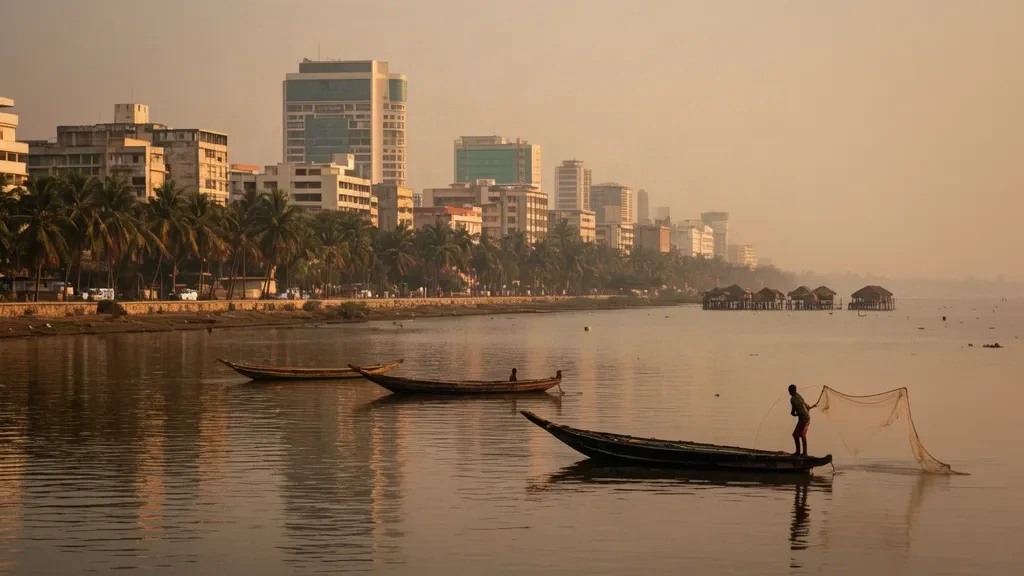
Cotonou, Benin's economic capital, is a lively port city between Lake Nokoué and the Atlantic. Its markets, music venues and government district give it a practical energy that anchors the country's cultural and commercial life.
Passengers
Luggage
About Littoral
Cotonou is Benin's largest city and economic capital, sitting on the Gulf of Guinea as the seat of the Littoral Department. As the country's main gateway for trade and transport, it has a busy port, a dense urban rhythm and a coastal character shaped by its role as a commercial hub.
Cotonou grew from a modest fishing settlement into a major West African trading centre during the 19th and 20th centuries, when the port and railway connected it to the interior. Its landmarks range from the huge Dantokpa Market and the red-and-white striped Cotonou Cathedral to Place de l'Étoile Rouge and the striking Amazone monument. The Fondation Zinsou, a contemporary art space, highlights the city's growing creative scene.
Neighbourhoods give Cotonou much of its variety: Ganhi concentrates government and business activity, Haie Vive is known for embassies, restaurants and nightlife, and Fidjrossè lines the coast with beach bars and relaxed cafés. Cadjehoun, home to the international airport, is a mostly residential area, while Akpakpa and other districts offer a more everyday local pace.
Trade, logistics and services drive Cotonou's economy, anchored by the Autonomous Port of Cotonou, which serves Benin and landlocked neighbours such as Niger and Burkina Faso. The city also hosts conferences, markets and cultural events, and its food scene mixes grilled fish, local stews, maquis eateries and international restaurants.
Leisure travellers come for the markets, beaches, vodun heritage and easy access to the stilt village of Ganvié on Lake Nokoué and the historic town of Ouidah. Business travellers value the port, airport and commercial services that make Cotonou an important West African destination.
Littoral Travel Guide
Best Time to Visit
The dry season from November to March is the most comfortable time to visit Cotonou, with lower humidity and less rain. December and January are especially busy, while the rainy months from April to July can bring heavy downpours and flooding in parts of the city.
How to Get Around
Cotonou's everyday transport relies on zemidjans (motorcycle taxis) and shared taxis, which are widely available but best used with care. Many visitors prefer private cars with drivers, and rental cars are useful for trips beyond the city centre.
Where to Stay
Haie Vive offers embassies, restaurants and nightlife, while Ganhi is convenient for business and government offices. Fidjrossè and Cadjehoun provide coastal hotels and quieter residential options, and Akpakpa has more local, budget-friendly choices.
Food & Drink
Cotonou's food scene features fresh seafood, grilled fish, local stews and staples such as pâte, akassa and wagasi cheese. Try maquis neighbourhood eateries, beachside grills in Fidjrossè and the produce and spice stalls of Dantokpa Market.
Ground Transportation Services in Littoral
Airport Transfers
Travel between Cotonou Cadjehoun Airport and hotels, business areas and other destinations across the city, including Haie Vive, Ganhi and Fidjrossè.
Hourly Chauffeur
Book a private chauffeur by the hour for business meetings, events, sightseeing and flexible travel around Cotonou.
Car Rental
Rent a car in Cotonou for independent travel around the city and convenient journeys to Ouidah, Porto-Novo and Ganvié.
Bus & Group Transfers
Arrange minibuses or charter buses for groups, corporate travel, events, airport transfers and tours in and around Cotonou.

Frequently Asked Questions
Related Cities in Benin
View all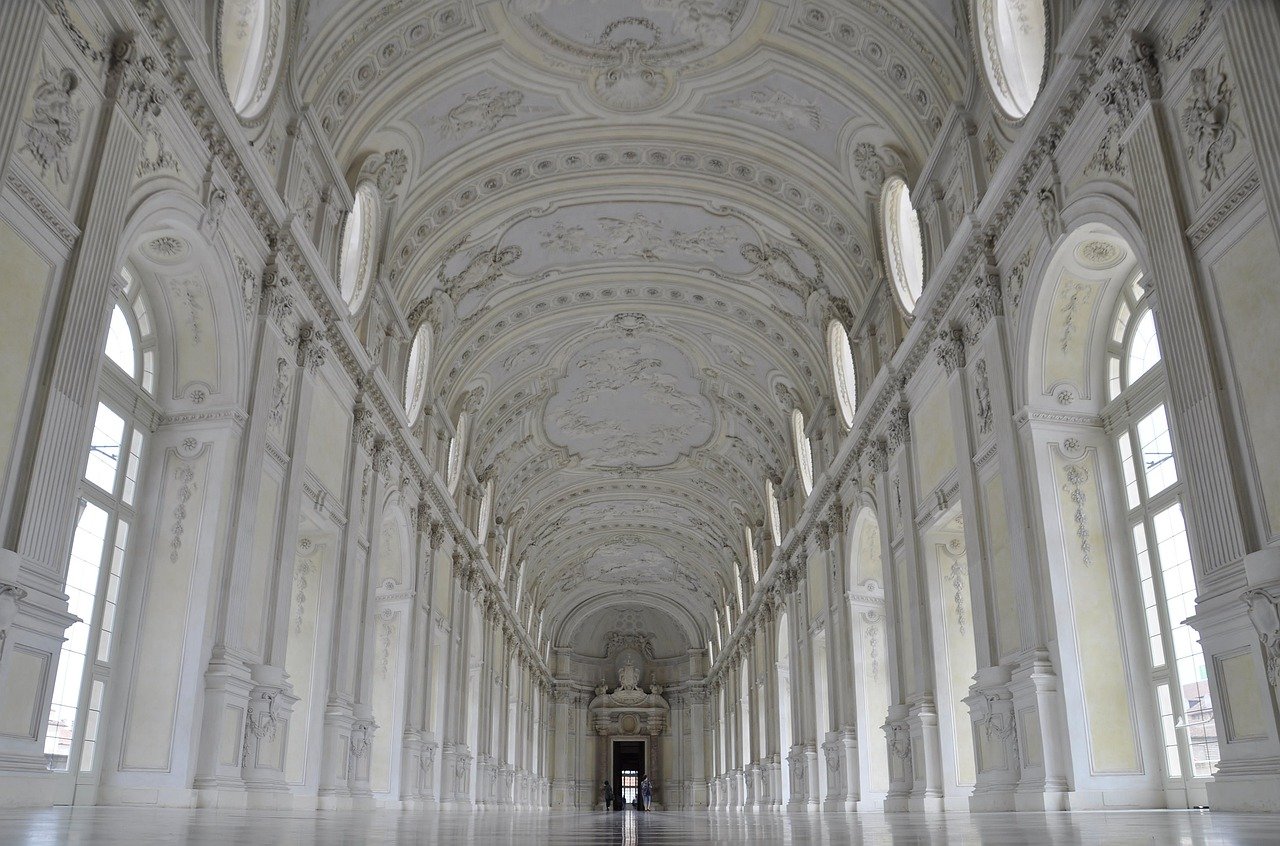
Zou
Zou, in southern Benin, is known for the UNESCO-listed Royal Palaces of Abomey, vibrant markets and a deep connection to the history of the Dahomey Kingdom.

Pobè
Pobè is a town in south-eastern Benin and the capital of Plateau Department, with a busy market and a location near the Nigerian border that shapes its everyday trade and travel. It serves as a local administrative and commercial centre for the surrounding Plateau area.
Ouémé
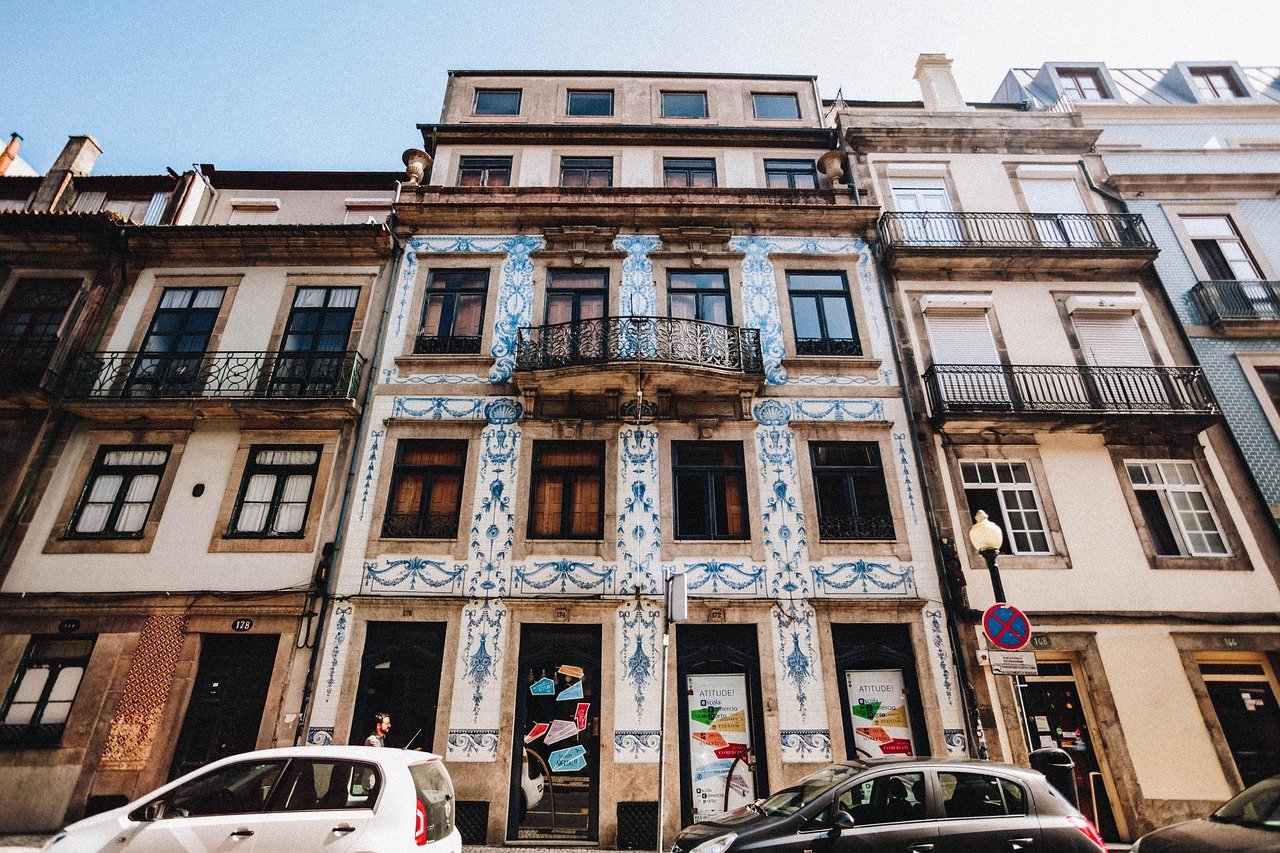
Ouémé, in southern Benin, blends lagoon landscapes and historic towns with lively markets and a rich cultural heritage.