Alibori
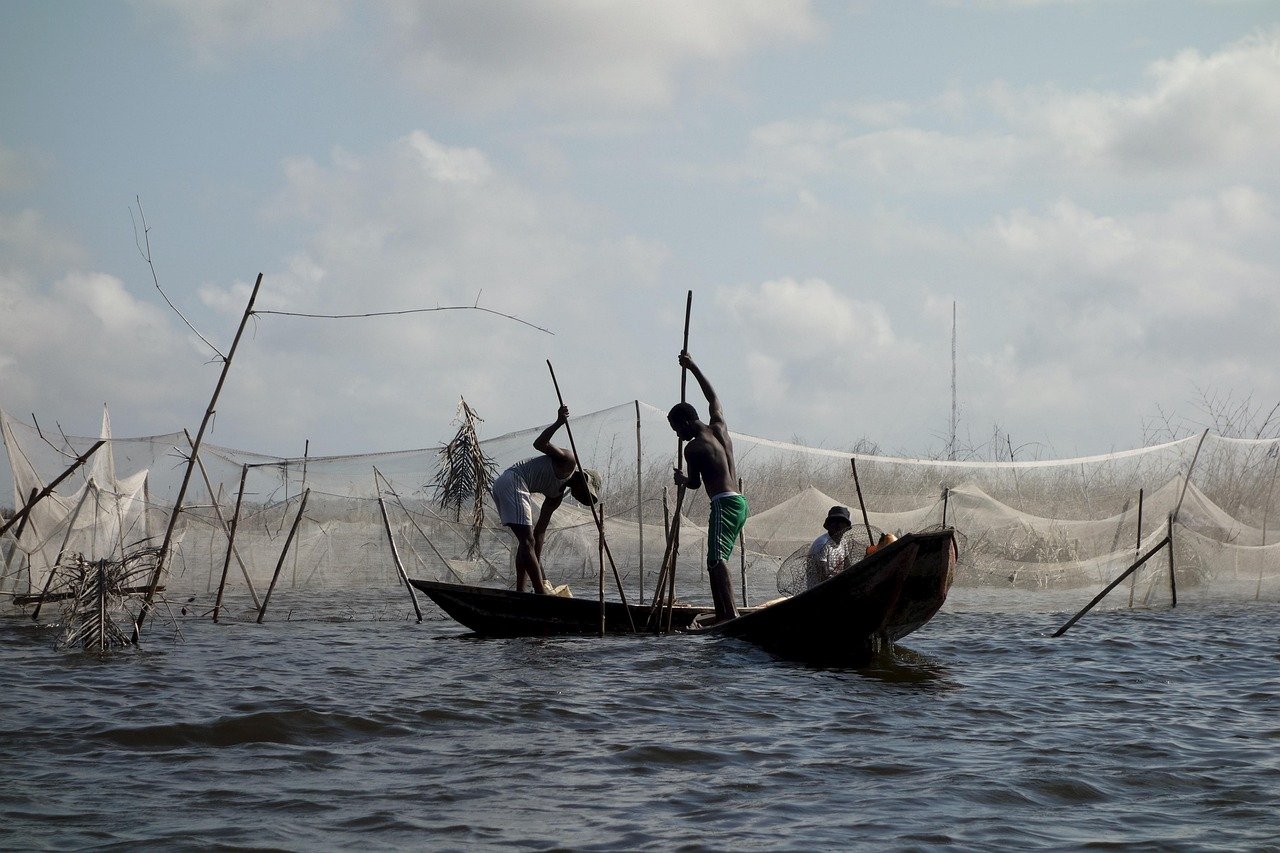
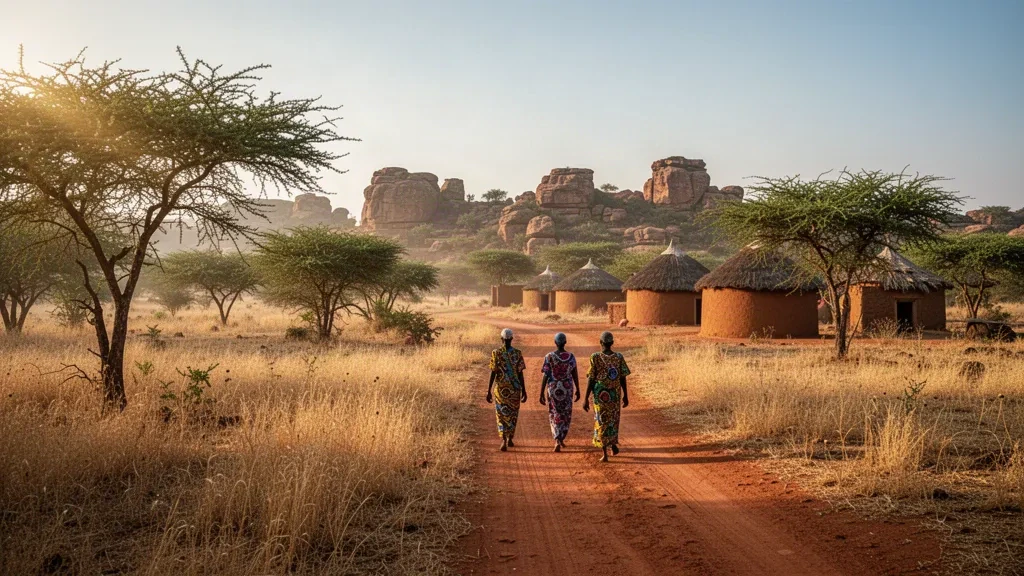
Alibori, in northern Benin, is a land of cotton fields, savannah and national parks, with a cultural blend of Bariba, Fulani and other communities.
Passengers
Luggage
About Alibori
Alibori is Benin's northernmost and largest department, a Sahelian region of savanna, farmland and river trade that extends to the banks of the Niger River. Its capital and main town is Kandi, roughly 635 km northeast of Cotonou and about 215 km north of Parakou, the main transport hub of central Benin.
Alibori's history is tied to the northern kingdoms of the wider Bariba world. Kandi still has a traditional king, and its royal palace and the Musée de Kandi preserve the region's history, crafts and daily life. French is the official language, while Bariba, Dendi and Fulfulde are widely spoken, and Islam is the dominant religion alongside traditional and Christian communities.
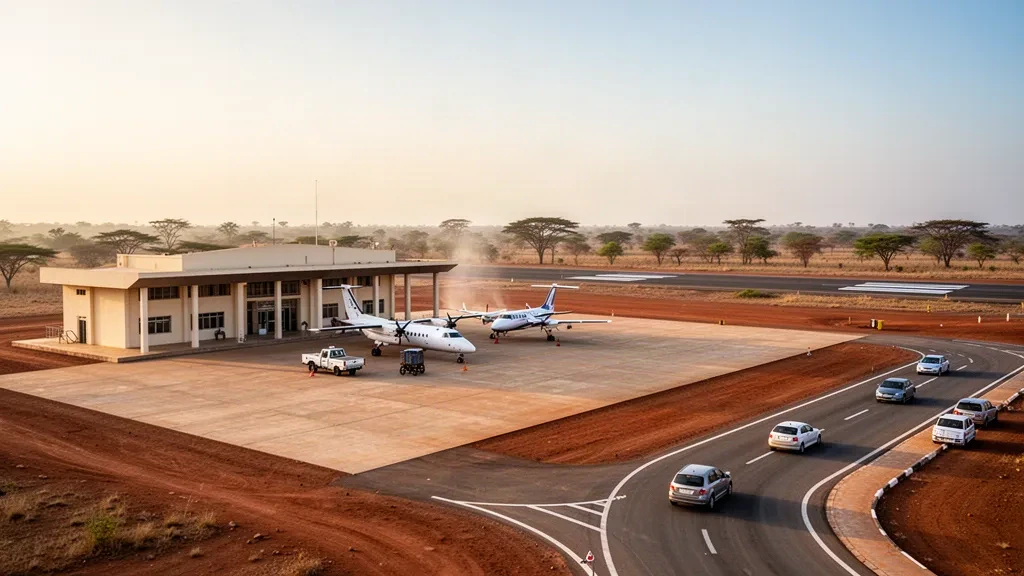
Kandi is the administrative and commercial center, with a busy market, the Kandi Classified Forest and the small Kandi Airport. Farther north, Malanville is a lively border town on the Niger River, connected by bridge to Gaya in Niger and known for one of the biggest cross-border markets in the area. In the west, the Benin section of W National Park, part of the W Transboundary Biosphere Reserve shared with Niger and Burkina Faso, protects savanna and wildlife along the Alibori and Mékrou rivers.
The local economy runs on cotton, livestock, shea, maize, rice and cross-border trade. Markets in Kandi and Malanville are central to daily life, and the department is a key corridor for goods moving between coastal Benin and the Sahel. Meals are typically built around rice, maize, yams, beans and peanuts, with grilled meats, local sauces and seasonal produce.
For leisure travelers, Alibori offers access to northern Benin's wildlife, landscapes and border-town culture; for business travelers and traders, it is an important agricultural and commercial zone. Most visitors reach the region overland from Cotonou via Parakou or cross from Niger at Malanville, making Alibori a genuine gateway between the coast and the Sahel.
Alibori Travel Guide
Best Time to Visit
The dry season from November to February is the most comfortable time to visit, with milder temperatures, Harmattan haze and passable roads. The hot season from March to May can be intense, while the rainy season from May to September brings heavy downpours and can make rural tracks difficult.
How to Get Around
Long-distance buses and shared taxis connect Cotonou and Parakou with Kandi and Malanville. Within towns, moto-taxis known as zemidjans are common for short trips, while a 4x4 or private car and driver is useful for rural roads and W National Park tracks.
Where to Stay
Kandi has the widest choice of small hotels and guesthouses and is the most practical base for exploring the department. Malanville offers basic lodgings for travelers crossing to Niger, while accommodation near W National Park is limited and best arranged in advance.
Food & Drink
Local cooking centers on rice, maize, yams, beans and peanuts, often served with grilled meat, fish or rich sauces. Kandi and Malanville markets are good places to try street food and buy fresh produce, and visitors should drink bottled or treated water.
Ground Transportation Services in Alibori
Airport Transfers
Arrange road transfers between Kandi Airport and Kandi, Malanville, Banikoara and other towns in Alibori, or book long-distance transfers from Cotonou Cadjehoun Airport to northern Benin.
Hourly Chauffeur
Hire a private driver by the hour for business meetings, market visits, border crossings and flexible sightseeing around Kandi and the Alibori region.
Car Rental
Rent a car or 4x4 for independent travel across northern Benin, including rural roads, the Malanville–Gaya border area and access routes to W National Park.
Bus & Group Transfers
Book minibuses or charter buses for group travel between Cotonou, Parakou, Kandi and Malanville, as well as for events, market visits and park excursions.
Frequently Asked Questions
Related Cities in Benin
View all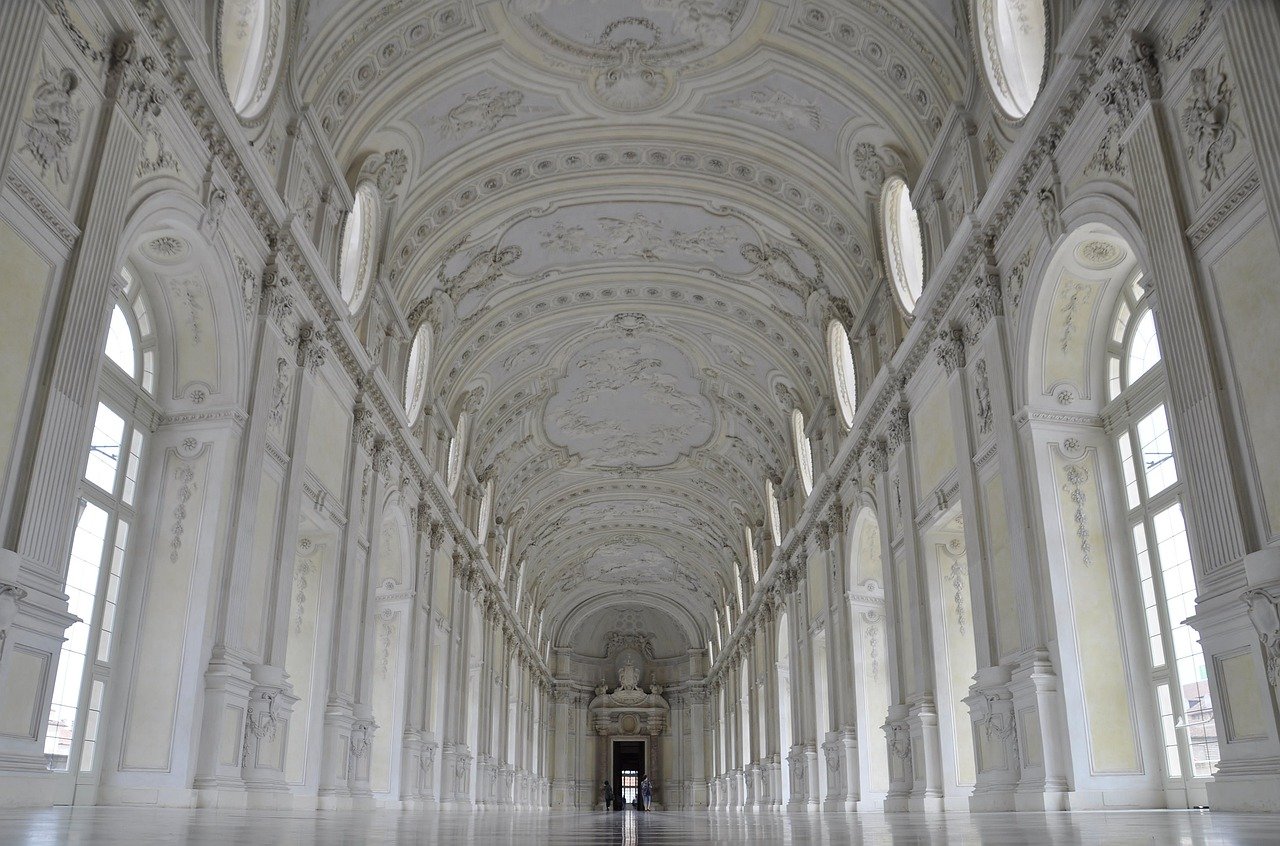
Zou
Zou, in southern Benin, is known for the UNESCO-listed Royal Palaces of Abomey, vibrant markets and a deep connection to the history of the Dahomey Kingdom.
Pobè
Pobè is a town in south-eastern Benin and the capital of Plateau Department, with a busy market and a location near the Nigerian border that shapes its everyday trade and travel. It serves as a local administrative and commercial centre for the surrounding Plateau area.
Ouémé
Ouémé, in southern Benin, blends lagoon landscapes and historic towns with lively markets and a rich cultural heritage.