Río Negro
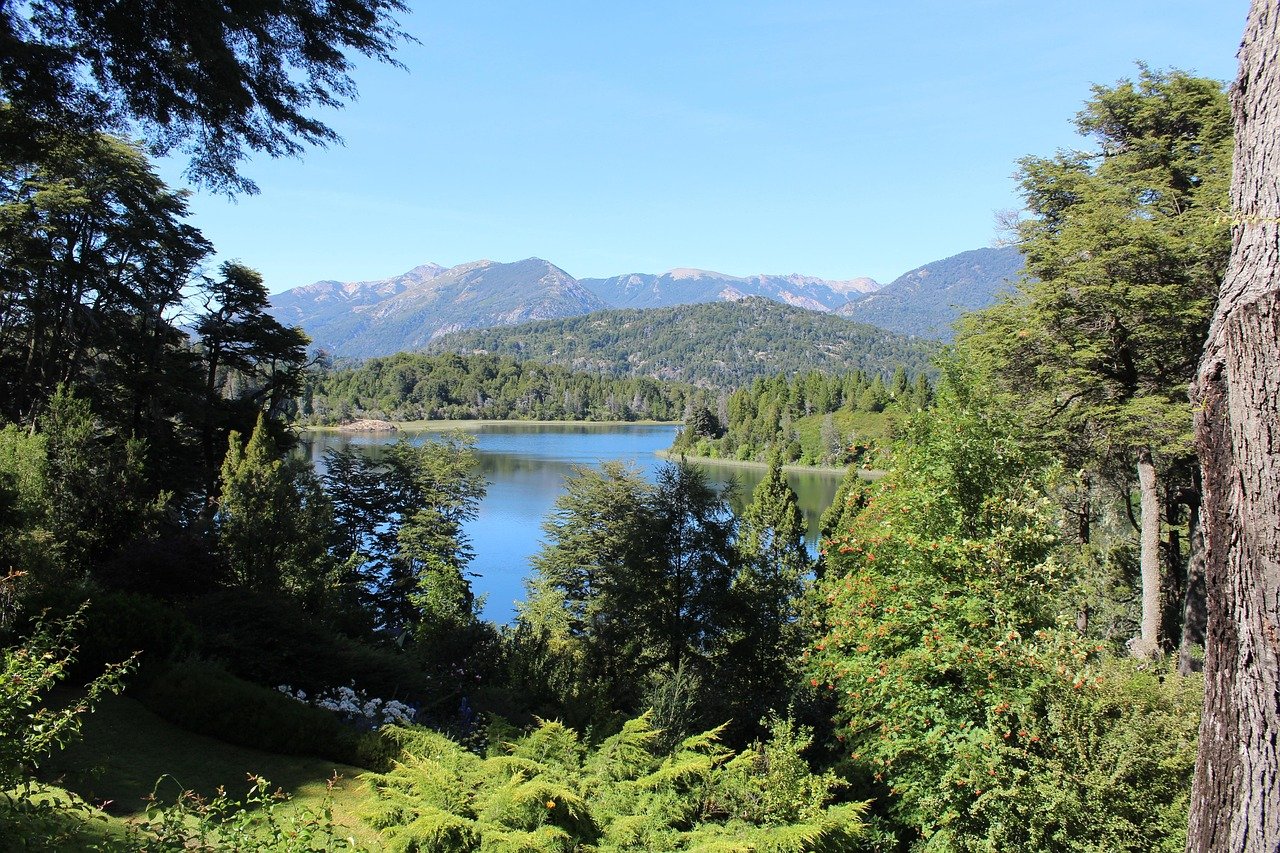
Río Negro, in Argentina's Patagonia, offers a striking mix of Andean lakes, forests, vineyards and Atlantic coastline, with a rich cultural and outdoor scene.
Passengers
Luggage
About Río Negro
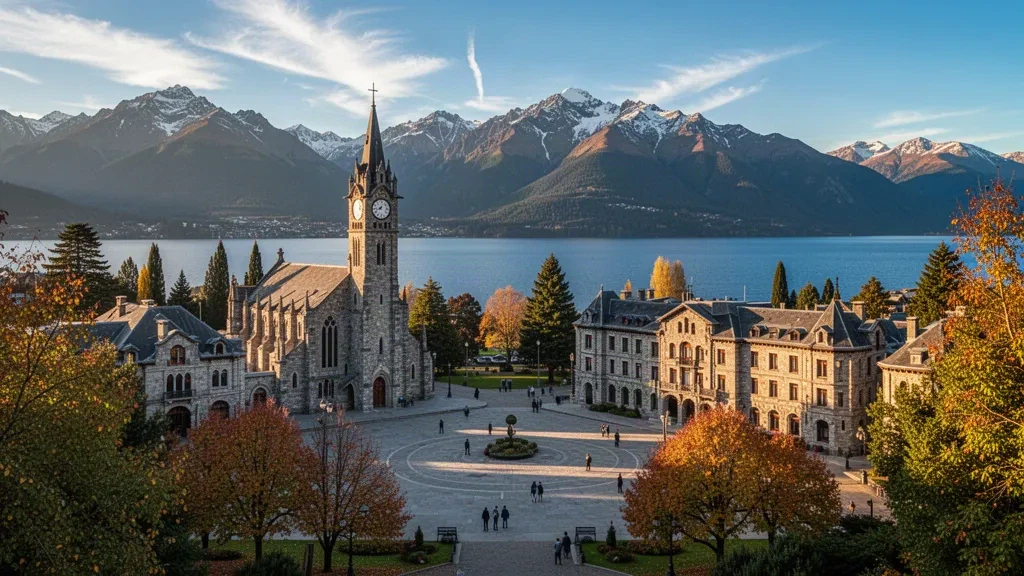
San Carlos de Bariloche, usually called Bariloche, is Argentina's best-known gateway to northern Patagonia and the Lake District. Built on the southern shore of Lake Nahuel Huapi inside Nahuel Huapi National Park, the city combines Andean scenery, alpine-style architecture and a lively tourist centre with chocolate shops, restaurants and outdoor outfitters.
Bariloche grew from a trading post into a mountain resort in the early 20th century. In the 1930s and 1940s architects gave the centre its distinctive wood-and-stone 'Little Switzerland' look, and landmarks such as the Civic Centre, the Cathedral of Our Lady of Nahuel Huapi and the lakeside Llao Llao Hotel still define its character.
The city works as a base for the surrounding landscape. Visitors follow the Circuito Chico scenic drive, ski at Cerro Catedral, take boat trips across Lake Nahuel Huapi and visit Colonia Suiza and nearby beaches. Museums, viewpoints and hiking trails add depth for longer stays.
Tourism drives the local economy year-round, with winter skiing from June to September and summer hiking, kayaking and fishing from December to March. Bariloche is also home to technology firms and hosts conferences and events, while its chocolate, craft beer and regional cuisine give the city a distinctive food scene.
For both leisure and business travellers, Bariloche offers a compact downtown, strong hotel infrastructure and easy access to some of Patagonia's most recognisable landscapes.
Río Negro Travel Guide
Best Time to Visit
Bariloche is at its busiest in winter (June–September) for skiing at Cerro Catedral, while summer (December–March) brings long days for hiking, kayaking and lake excursions. Spring and autumn are quieter with colourful foliage and fewer crowds.
How to Get Around
Central Bariloche is walkable, and local buses connect downtown with areas such as Cerro Catedral, Llao Llao and the lakeside beaches. Taxis, remises, rental cars and guided transfers are common for exploring Circuito Chico and the surrounding lakes.
Where to Stay
Downtown near the Civic Centre suits first-time visitors with restaurants and lake views, while Llao Llao and Puerto Pañuelo offer quieter lakeside settings. Avenida Bustillo connects most hotel zones and keeps visitors close to Cerro Catedral and Circuito Chico.
Food & Drink
Bariloche is known for chocolate shops, fondue, smoked game and trout from Patagonian lakes. Craft beer bars, tearooms and regional dishes such as cordero can be found downtown, at Colonia Suiza and along the lake shore.
Ground Transportation Services in Río Negro
Airport Transfers
Travel between San Carlos de Bariloche Airport and downtown hotels, ski resorts and lakeside accommodations around Lake Nahuel Huapi.
Hourly Chauffeur
Book a private driver by the hour for sightseeing around Circuito Chico, business meetings or flexible trips to Cerro Catedral and Llao Llao.
Car Rental
Rent a car in Bariloche for independent travel along Ruta 40, the Seven Lakes Route and the scenic roads of Nahuel Huapi National Park.
Bus & Group Transfers
Arrange minibuses or charter buses for ski groups, school trips, corporate events and tours between Bariloche, the airport and regional destinations.
Airports in Río Negro
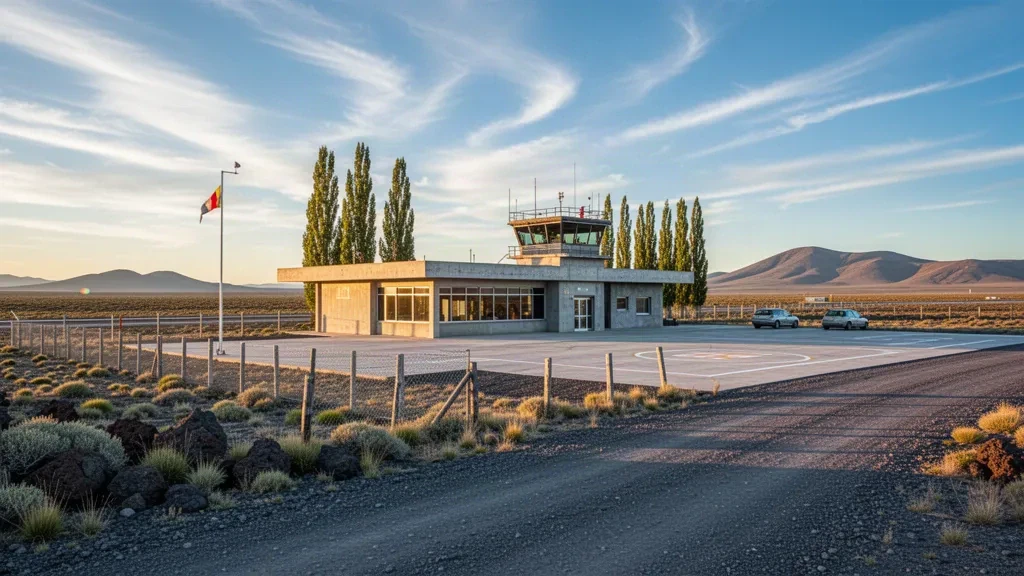
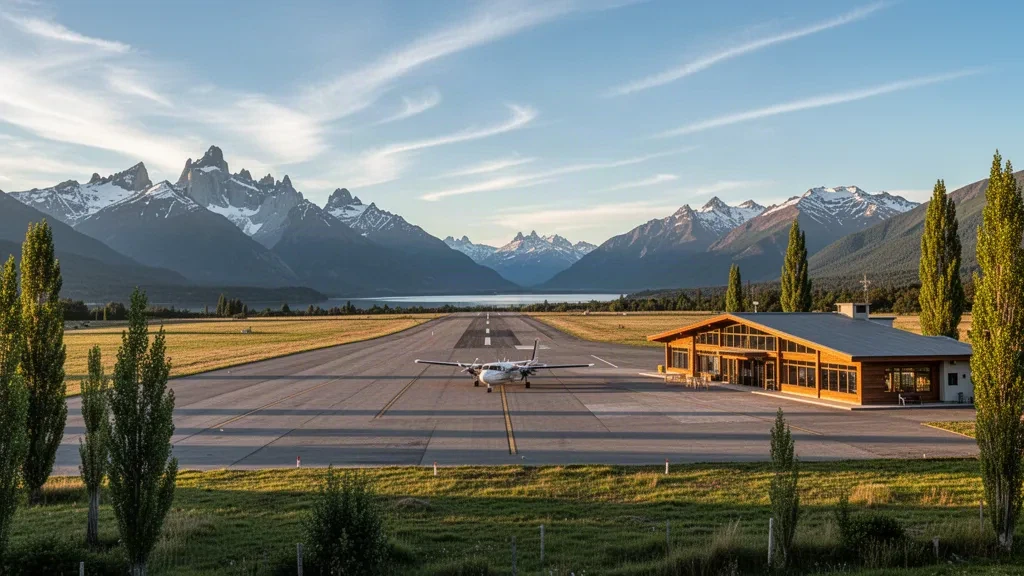
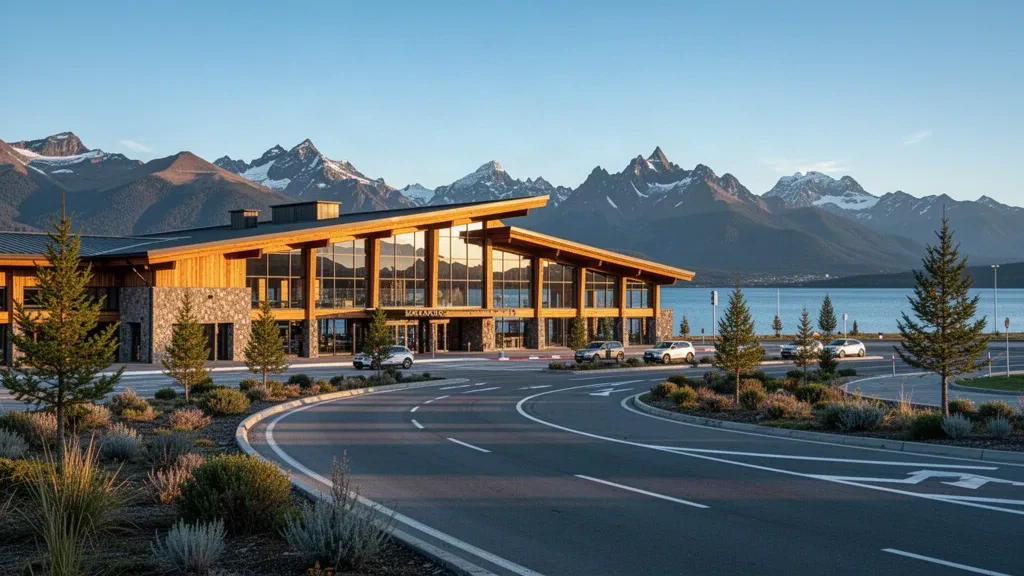
Frequently Asked Questions
Related Cities in Argentina
View all
Buenos Aires
Buenos Aires, Argentina's cosmopolitan capital, blends European-style architecture, lively neighborhoods and a deep tango tradition with a vibrant contemporary food and arts scene.
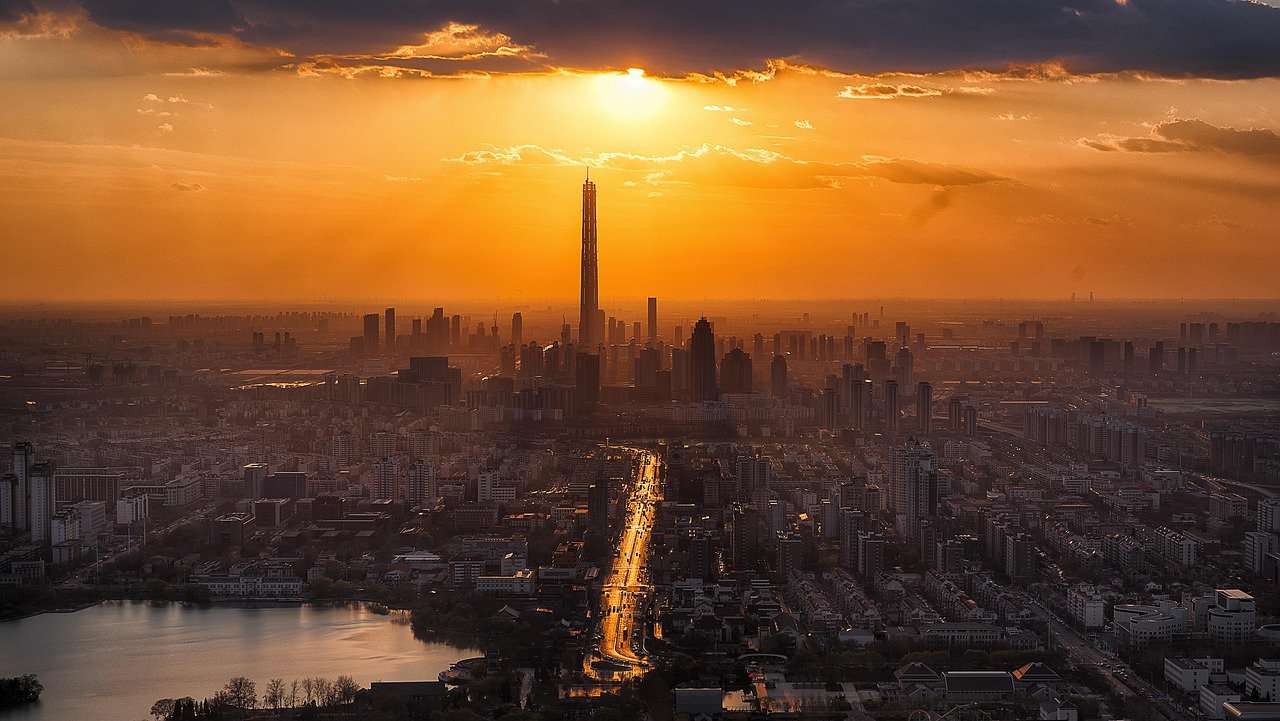
Tucumán
Tucumán, known as the Garden of the Republic, blends colonial landmarks and Argentina's independence legacy with a lively folk culture and subtropical landscapes.
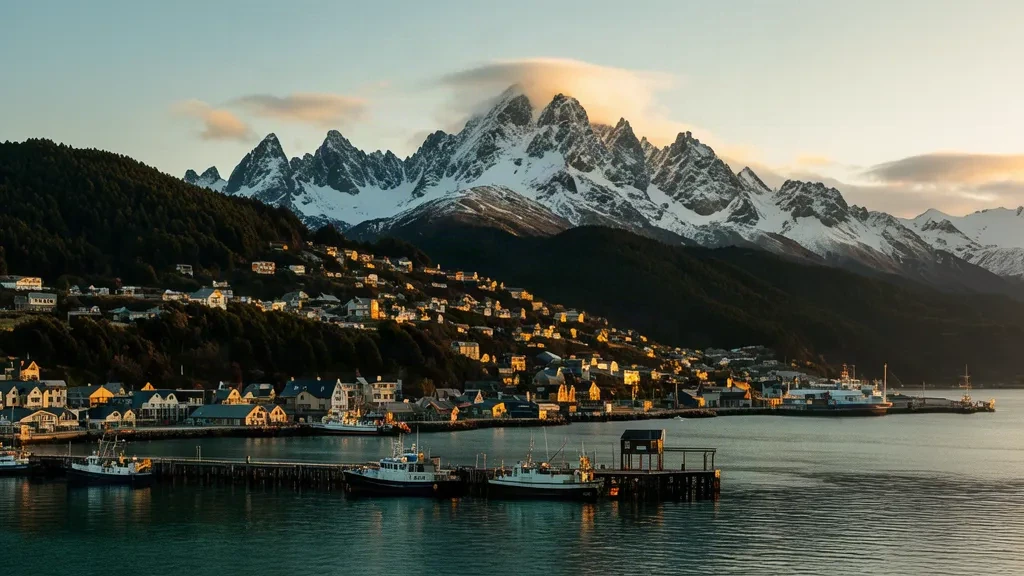
Ushuaia
Ushuaia, Argentina's southernmost city and the capital of Tierra del Fuego, sits between the Andes and the Beagle Channel, serving as a gateway to Antarctica.