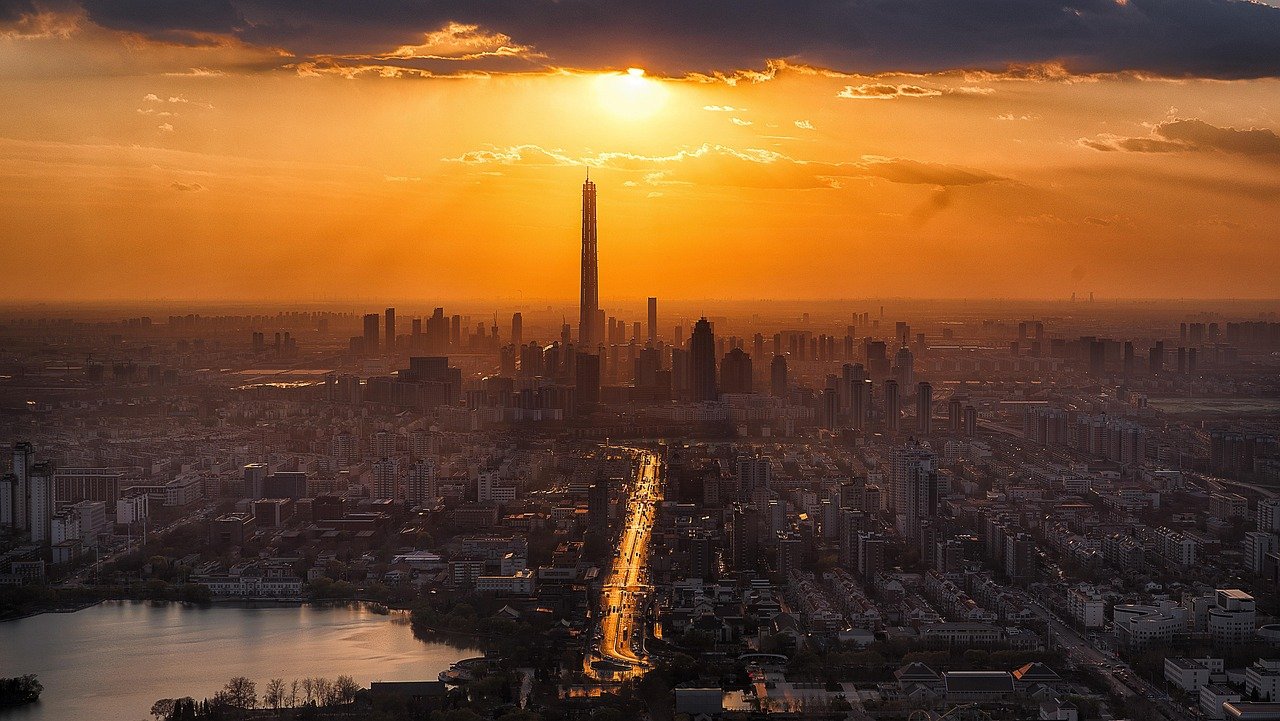
Corrientes
Set on the Paraná River, Corrientes blends colonial heritage and subtropical energy. Its chamamé music, carnival traditions and riverside promenades give the city a distinct cultural rhythm.
Passengers
Luggage
About Corrientes
Corrientes is the capital of Corrientes Province in northeastern Argentina, set on the eastern bank of the Paraná River across from Resistencia. Founded in 1588, it is the oldest city in Argentina's Northeast and one of the country's most traditional riverside capitals, known nationally as the Carnival Capital and as a heartland of chamamé music.
The historic centre is anchored by Plaza 25 de Mayo, surrounded by the Metropolitan Cathedral of Our Lady of the Rosary, the Italianate Government House and other colonial and 19th-century buildings. The riverfront Costanera is the city's main public space, with beaches on the Paraná, promenades and viewpoints that are especially lively at sunset.
Beyond the centre, visitors can explore the Museo de Arte Contemporáneo, the open-air Paseo de los Murales that gives Corrientes its "City of Murals" reputation, and the Reserva Natural Santa Catalina on the urban edge. The Anfiteatro Cocomarola hosts the Fiesta Nacional del Chamamé each January, while the Corsódromo Nolo Alías fills with comparsas during the February–March carnival season.
Local life blends river culture, a large university student population and regional cuisine, including river fish such as surubí, pacú and dorado, chipá, asado and riverside cafés. The city is also the main gateway to the Esteros del Iberá wetlands and serves as a commercial and administrative centre for the province.
For leisure travellers, Corrientes offers history, music, festivals and riverfront relaxation; for business travellers, it provides the services and connections of a provincial capital linked by air, road and the General Belgrano Bridge to Resistencia.
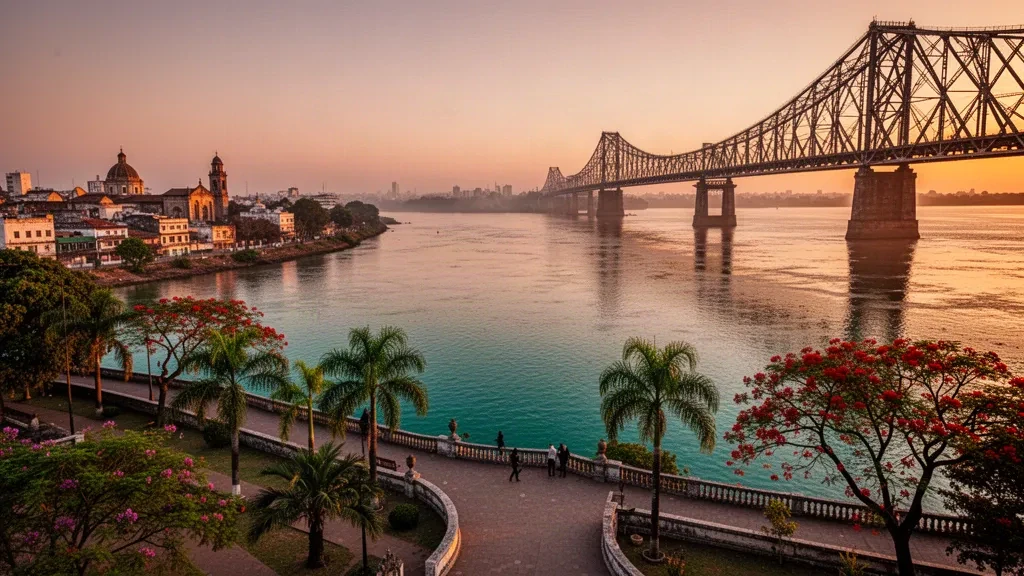
Corrientes Travel Guide
Best Time to Visit
January and February bring the city's biggest cultural events: the Fiesta Nacional del Chamamé in January and the Carnival parades at the Corsódromo Nolo Alías from late January through February. Autumn and spring are milder and comfortable for walking the Costanera and exploring the historic centre, while summer is hot and humid but best for river beaches and festivals.
How to Get Around
Corrientes has an urban bus network (colectivos) connecting the centre, neighbourhoods and the airport area, with taxis and remises widely available. The compact historic core around Plaza 25 de Mayo and much of the Costanera can be explored on foot, while a rental car is useful for trips to the Esteros del Iberá and nearby towns.
Where to Stay
The area around Plaza 25 de Mayo and the Costanera is convenient for landmarks, restaurants and river views. Hotels and apartments along the riverfront suit travellers wanting easy access to beaches and evening promenades, while neighbourhoods near the university offer a livelier, budget-friendly atmosphere.
Food & Drink
Local dining centres on Paraná river fish such as surubí, pacú and dorado, along with chipá, asado and regional sweets. Cafés and bars line the Costanera and the historic centre, while peñas and chamamé venues offer live music alongside traditional food and drink.
Ground Transportation Services in Corrientes
Airport Transfers
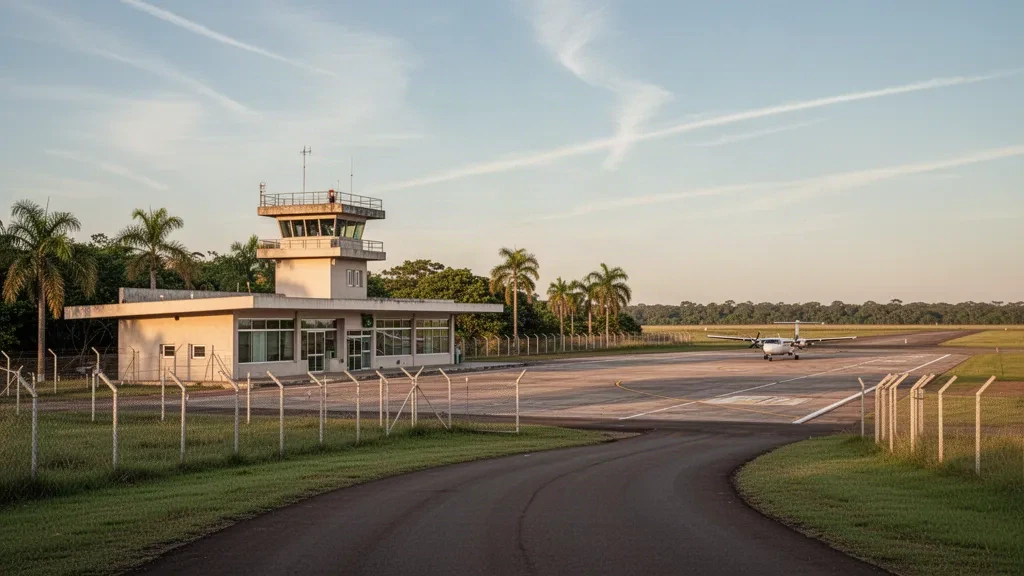
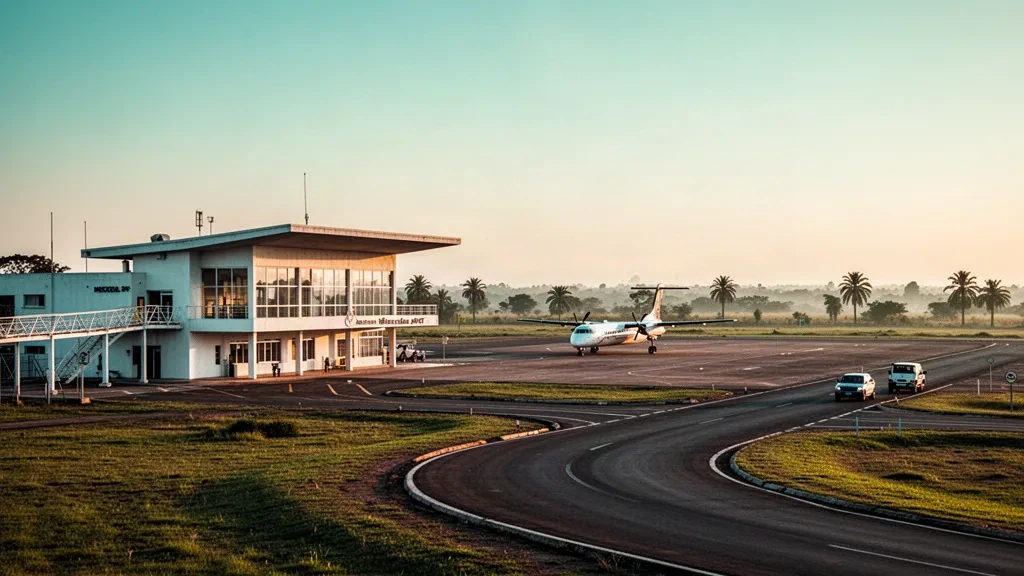
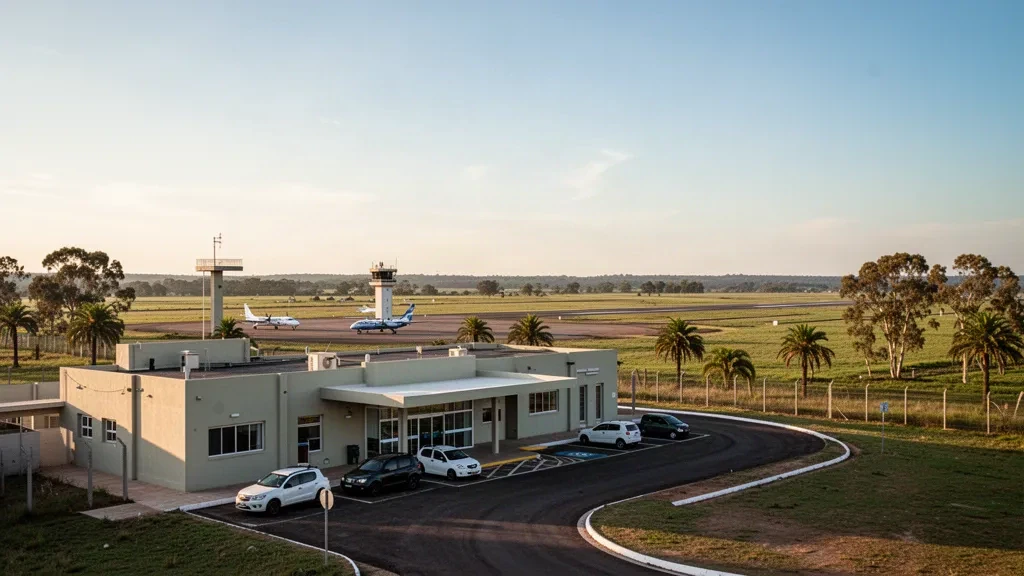
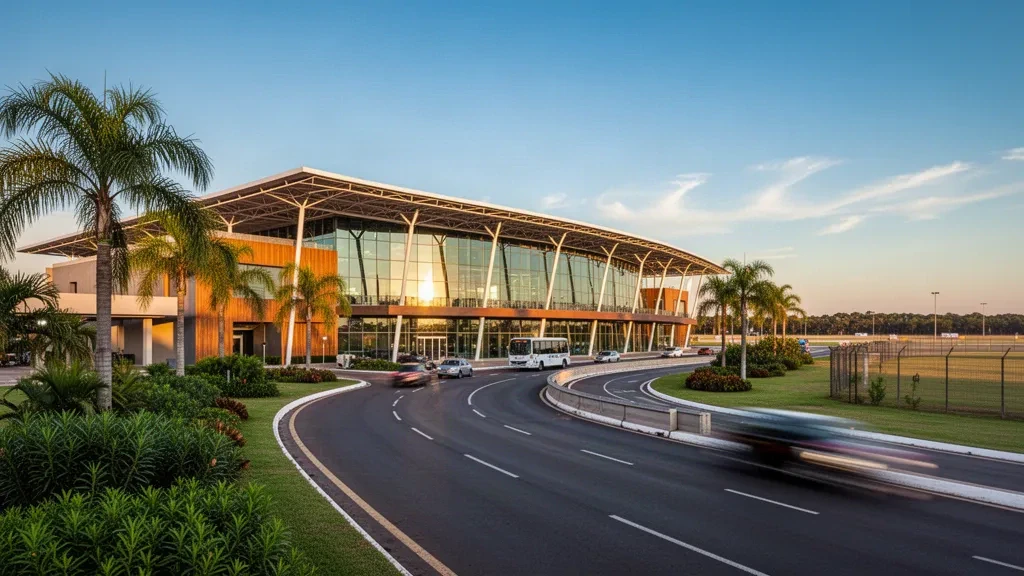
Travel between Doctor Fernando Piragine Niveyro International Airport (CNQ) and hotels, the Costanera, business areas and other destinations in Corrientes.
Hourly Chauffeur
Book a private chauffeur by the hour for business meetings, festival events, sightseeing and flexible travel around Corrientes.
Car Rental
Rent a car in Corrientes for independent city travel and convenient trips to the Esteros del Iberá wetlands and nearby towns.
Bus & Group Transfers
Arrange minibuses or charter buses for groups attending the Carnival, the Fiesta Nacional del Chamamé, conferences, events and airport transfers in Corrientes.
Airports in Corrientes
Frequently Asked Questions
Related Cities in Argentina
View all
Buenos Aires
Buenos Aires, Argentina's cosmopolitan capital, blends European-style architecture, lively neighborhoods and a deep tango tradition with a vibrant contemporary food and arts scene.
Tucumán
Tucumán, known as the Garden of the Republic, blends colonial landmarks and Argentina's independence legacy with a lively folk culture and subtropical landscapes.

Ushuaia
Ushuaia, Argentina's southernmost city and the capital of Tierra del Fuego, sits between the Andes and the Beagle Channel, serving as a gateway to Antarctica.