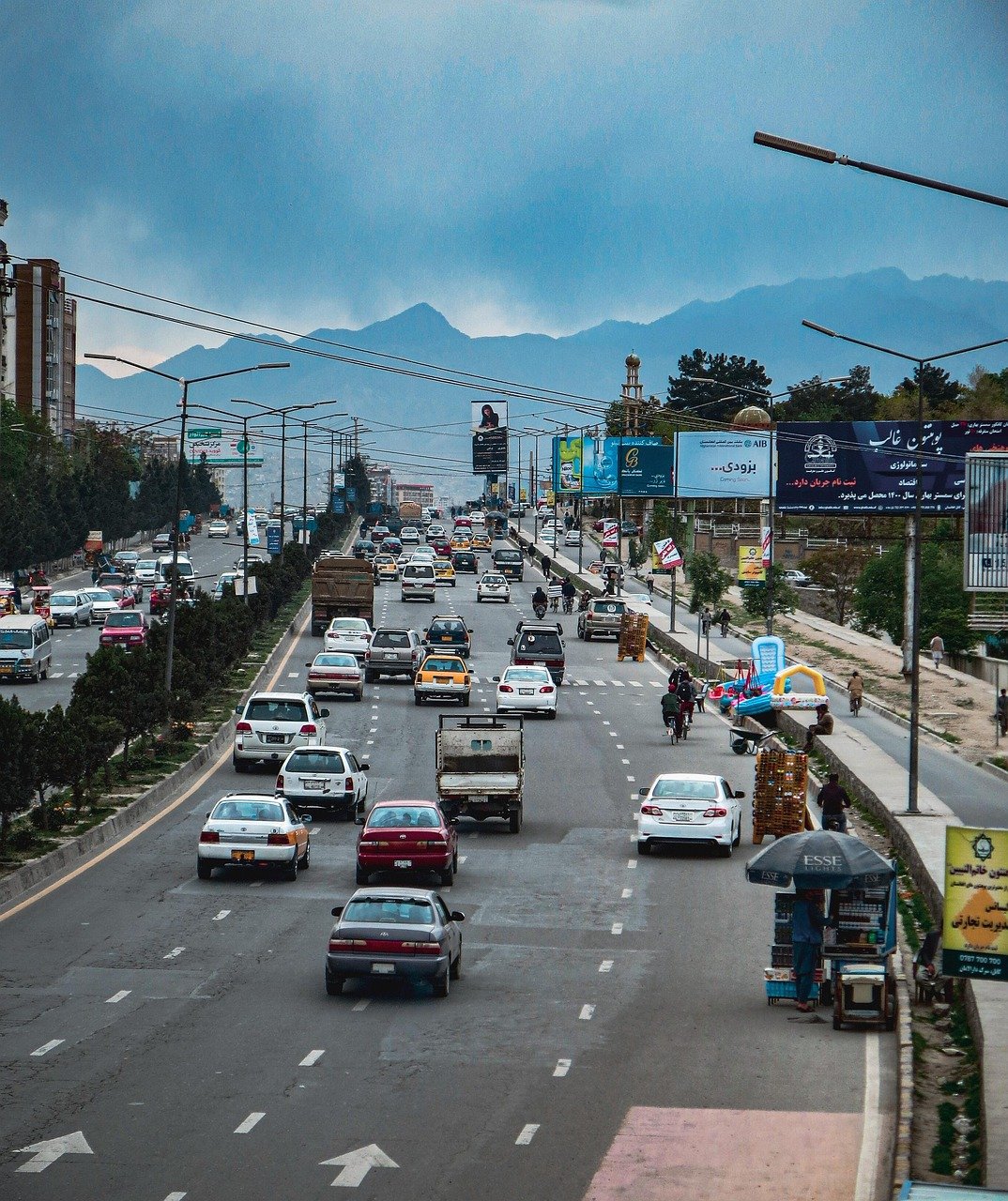
Farah
Farah, the capital of Afghanistan's Farah Province, sits on the Farah River and reflects a long history shaped by trade routes and the surrounding desert. Its bazaar, historic citadel and rural outskirts offer a quiet sense of western Afghanistan's cultural and commercial life.
Passengers
Luggage
About Farah
Farah is the capital of Farah Province in western Afghanistan and one of the region's historic desert-steppe cities. Built along the Farah River between Herat and Kandahar, it has long served as a waypoint on trade routes and as the administrative and commercial centre of the surrounding province.
The city's most recognisable landmark is the Farah Citadel, a fortified complex tied to the area's long pre-Islamic and Islamic past. The Friday Mosque and the covered and open-air bazaars in the centre also reflect Farah's role as a provincial market town, while much of the modern city is laid out around a clear grid of roads.
Daily life in Farah is closely linked to the river and the surrounding farmland, where gardens, wheat fields and orchards support the local economy. The central bazaar district trades in food, textiles and household goods, and neighbourhoods spread outward toward the desert edge, giving the city a compact, low-rise character.
As a regional centre, Farah concentrates government offices, small businesses, workshops and transport links toward Herat, Kandahar and the Iranian border. Its economy is primarily agricultural and trade-based rather than industrial, and the city is best understood as a practical hub for the province rather than a large international destination.
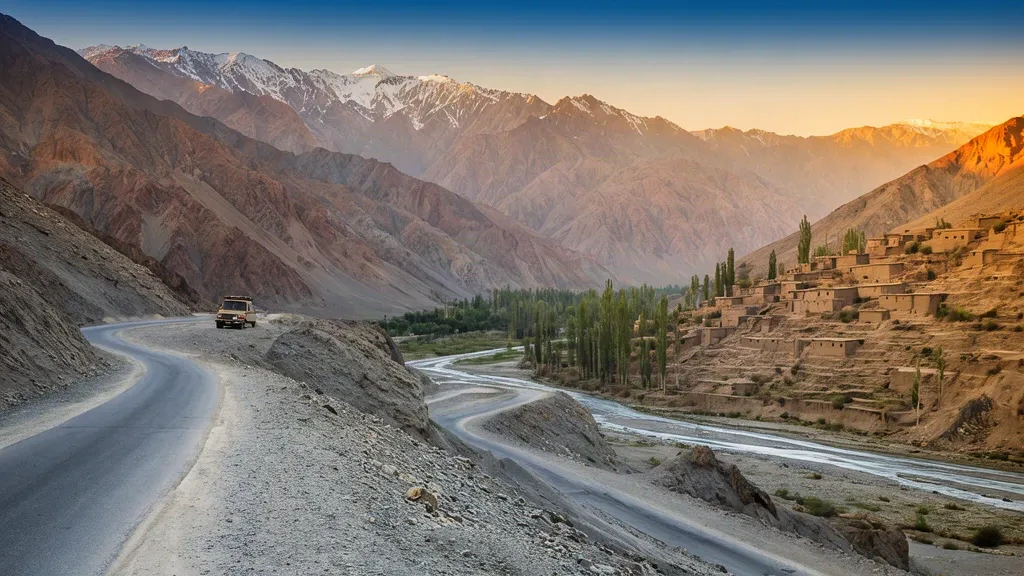
For travellers, Farah offers a close view of western Afghanistan's history, tribal culture and desert river landscape. It is most relevant to visitors moving overland through the region, researchers, aid and development workers, and business travellers with local contacts, while leisure visits require careful planning and current security awareness.
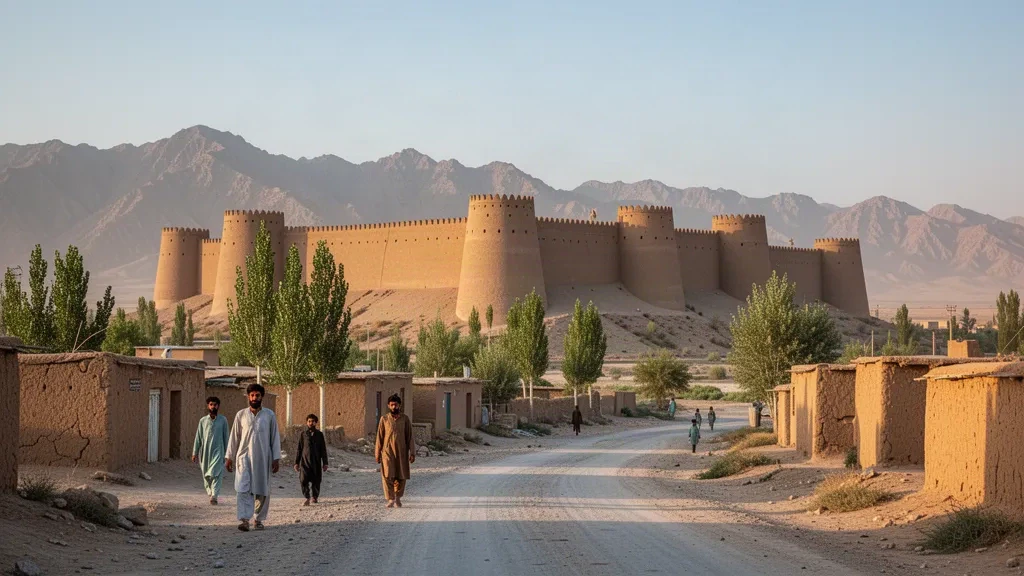
Farah Travel Guide
Best Time to Visit
Spring and autumn are the most comfortable seasons in Farah, with milder daytime temperatures for walking around the bazaar and visiting the citadel. Summers are very hot and dry, while winters are cool with cold nights.
How to Get Around
Farah is compact and easiest to explore on foot in the central bazaar area, with shared taxis and private cars used for longer journeys. There is no formal urban public transport system, so visitors typically arrange a local driver.
Where to Stay
Accommodation in Farah is limited, with small guesthouses and basic lodgings concentrated near the city centre and main road. Many travellers instead use Herat as a base and visit Farah as a stop on overland routes.
Food & Drink
Local eating options focus on traditional Afghan dishes such as kabuli pulao, grilled meat, naan and green tea. Small teahouses, kebab shops and market food stalls serve workers and travellers in the central bazaar area.
Ground Transportation Services in Farah
Airport Transfers
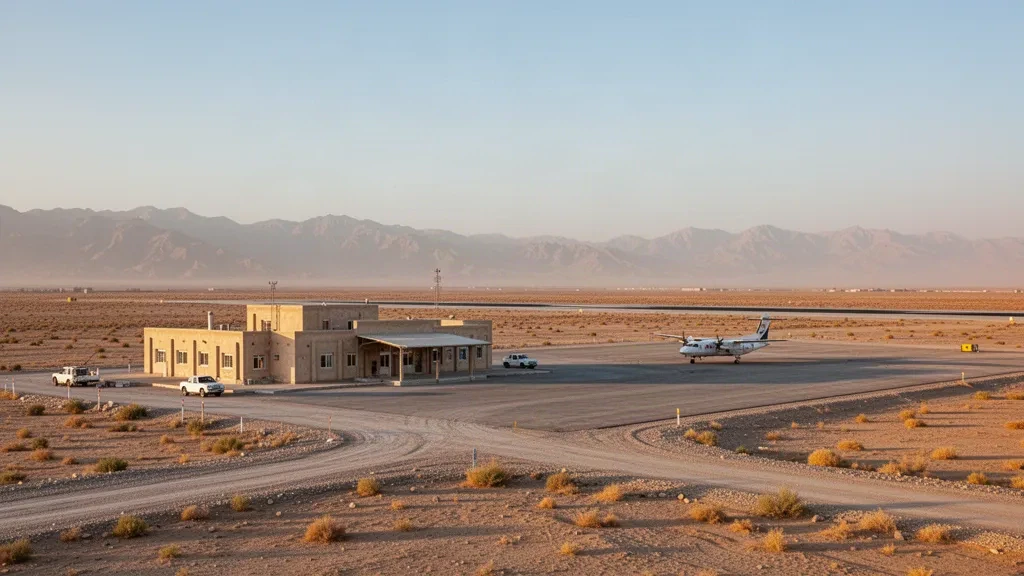
Travel between Farah Airport and the city centre, guesthouses, government offices and other locations in and around Farah.
Hourly Chauffeur
Book a private driver by the hour for meetings, site visits, market trips and flexible travel within Farah and the surrounding province.
Car Rental
Rent a vehicle with a driver for overland journeys from Farah toward Herat, Kandahar or other destinations in western Afghanistan.
Bus & Group Transfers
Arrange minibuses or charter buses for work teams, events, airport pickups and group travel in Farah Province.
Frequently Asked Questions
Related Cities in Afghanistan
View all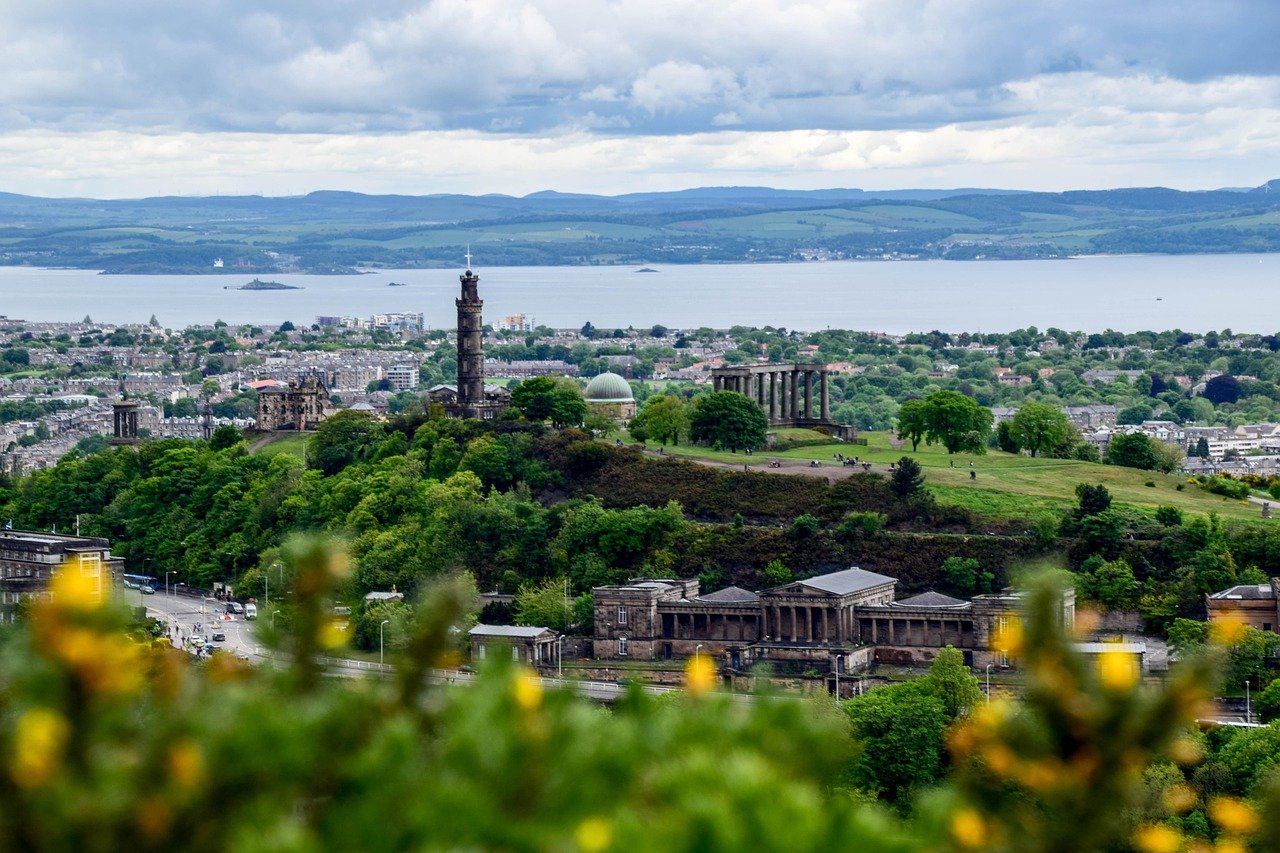
Zabul
Zabul, in southern Afghanistan, is a historic area of rugged mountains and valleys, with strong Pashtun traditions and routes linking Kabul and Kandahar.
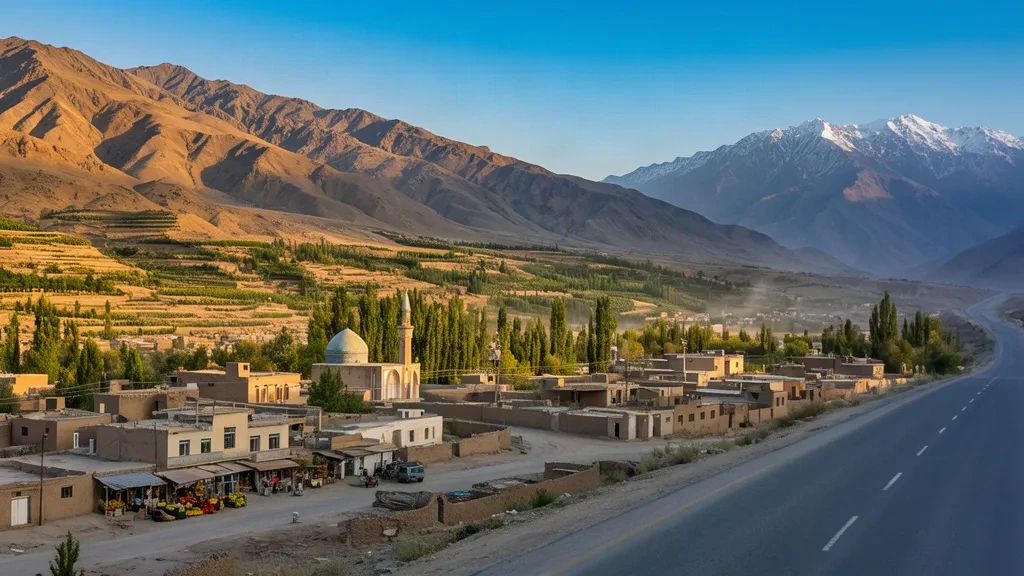
Wardak
Wardak, a city in central Afghanistan, is known for its rugged mountain scenery, historical sites and rich cultural heritage.
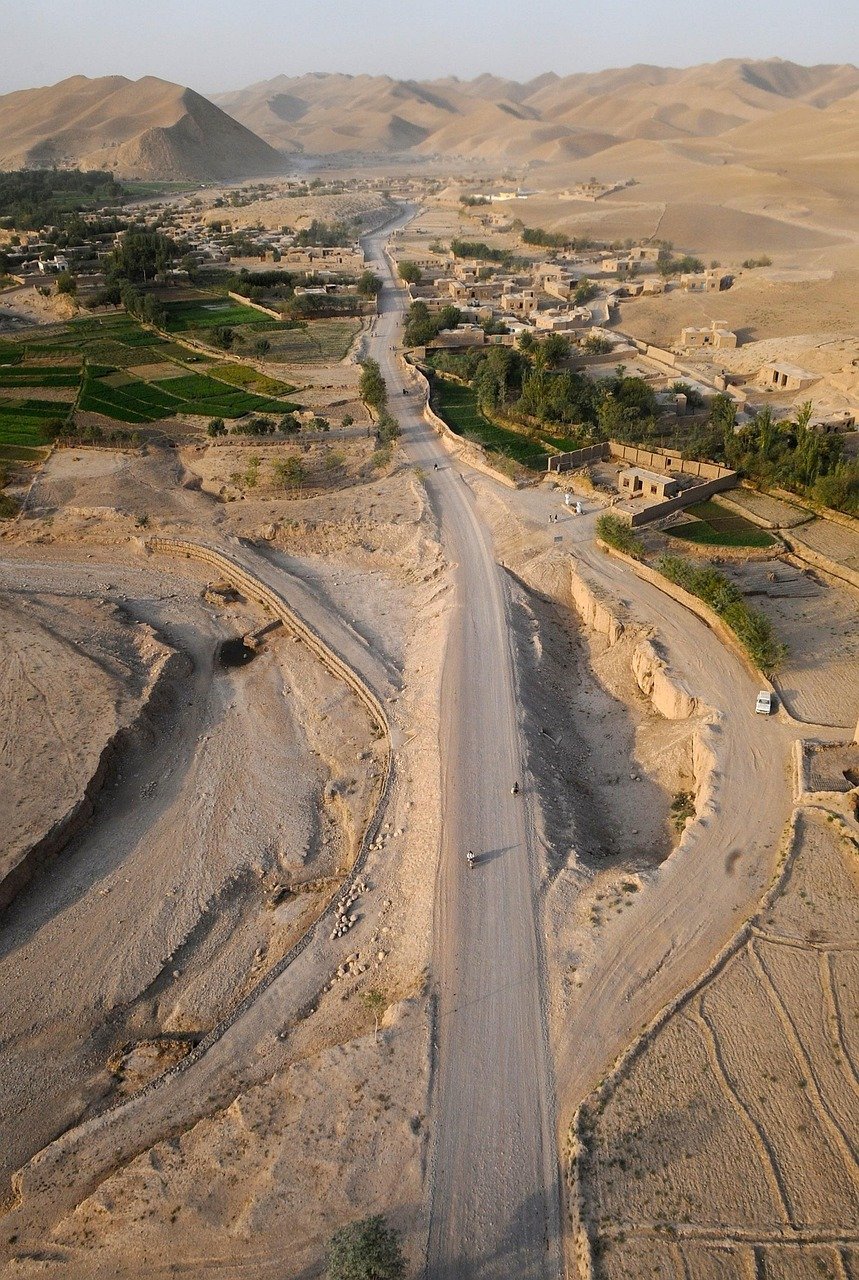
Urozgan
Urozgan, in central Afghanistan, is known for its rugged mountains, rural villages and strong local traditions. Its remote landscapes and historic sites offer a distinctive glimpse of the country's interior.