Balkh
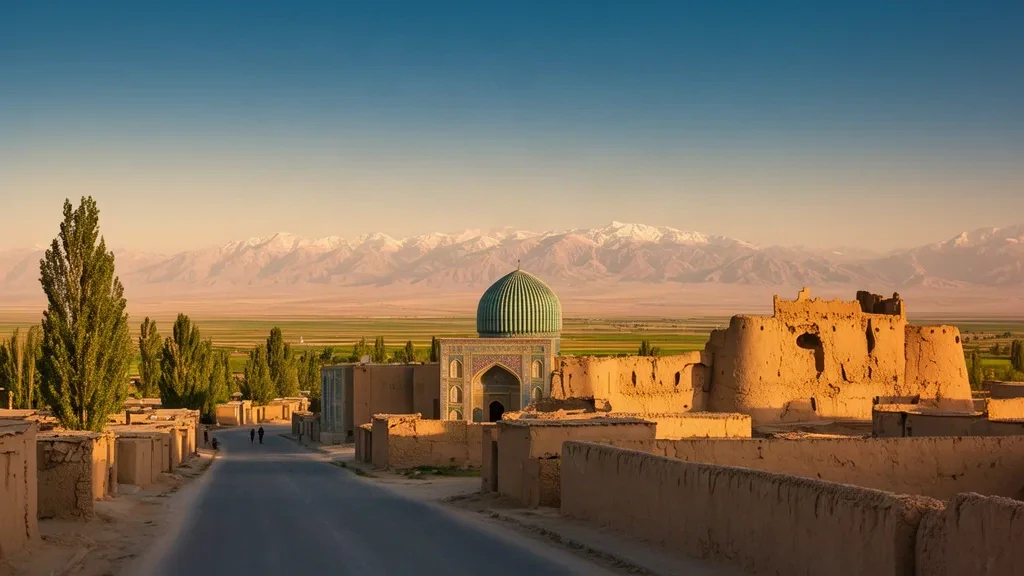
Balkh, known as the Mother of Cities, was a major Silk Road hub, a center of Bactrian culture and Islamic scholarship, and the birthplace of Rumi.
Passengers
Luggage
About Balkh
Balkh is one of Afghanistan's oldest and most historically significant cities, located in the northern plain about 20 km west of Mazar-i-Sharif, the capital of Balkh Province. Known in antiquity as Bactra and nicknamed the "Mother of Cities," it was the centre of ancient Bactria and a crossroads of Persian, Greek, Buddhist and Islamic civilisations.
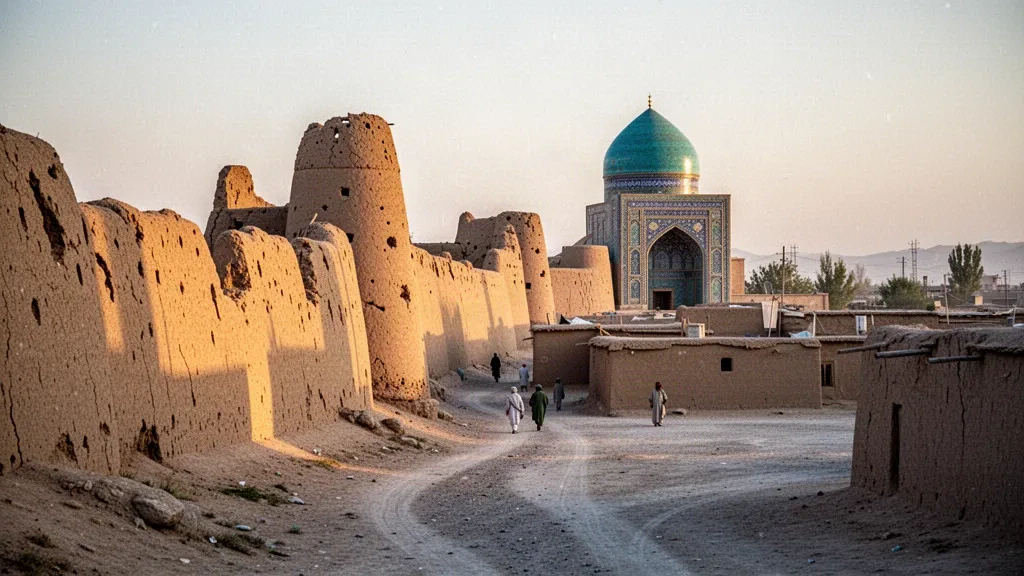
The city's history reaches back more than three millennia. Balkh was an early seat of Zoroastrian learning, entered the empire of Alexander the Great, and later flourished under Islamic and Timurid rule. It is also remembered as the birthplace of the 13th-century poet Rumi, Jalal ad-Din Muhammad Balkhi. Ancient city walls and the raised Bala Hissar citadel still mark the scale of the old settlement.
Among the most important surviving monuments are the No Gumbad, also called the Haji Piyada Mosque, often described as one of the earliest Islamic buildings in Afghanistan, and the 15th-century shrine and mosque of Khoja Abu Nasar Parsa with its green-tiled dome in the centre of town. The surrounding archaeological landscape includes Buddhist remains such as Takht-e Rustam.
Modern Balkh is a compact market town closely linked to Mazar-i-Sharif, which provides most hotels, the international airport and urban services. The local bazaar remains the heart of daily life, selling produce, naan, spices and household goods, while farms and orchards spread across the fertile surrounding plain.
For travellers, Balkh offers a rare combination of deep history and everyday northern Afghan life. It attracts heritage and cultural visitors, researchers and business travellers using Mazar-i-Sharif as a regional base, all within a short journey of one of Afghanistan's most storied archaeological landscapes.
Balkh Travel Guide
Best Time to Visit
Spring and autumn are the most comfortable seasons, with mild weather and easier access to outdoor archaeological sites. Summers around Balkh can be very hot, while winters are cold and occasionally wet.
How to Get Around
Balkh is a compact town that many visitors explore on foot, with the main monuments close to the centre. Shared taxis and private cars cover the roughly 20 km from Mazar-i-Sharif, and local motorcycle and car taxis are available within the town.
Where to Stay
Most visitors base themselves in Mazar-i-Sharif, where hotels and guesthouses are more numerous, and visit Balkh as a day trip. A few simple guesthouses and local lodgings exist in Balkh for travellers who prefer to stay close to the archaeological sites.
Food & Drink
Balkh's food reflects northern Afghan cooking, with dishes such as kabuli palaw, mantu dumplings, kebabs, bolani and fresh naan. The town bazaar has tea houses and simple eateries, while Mazar-i-Sharif offers a wider range of restaurants.
Ground Transportation Services in Balkh
Airport Transfers
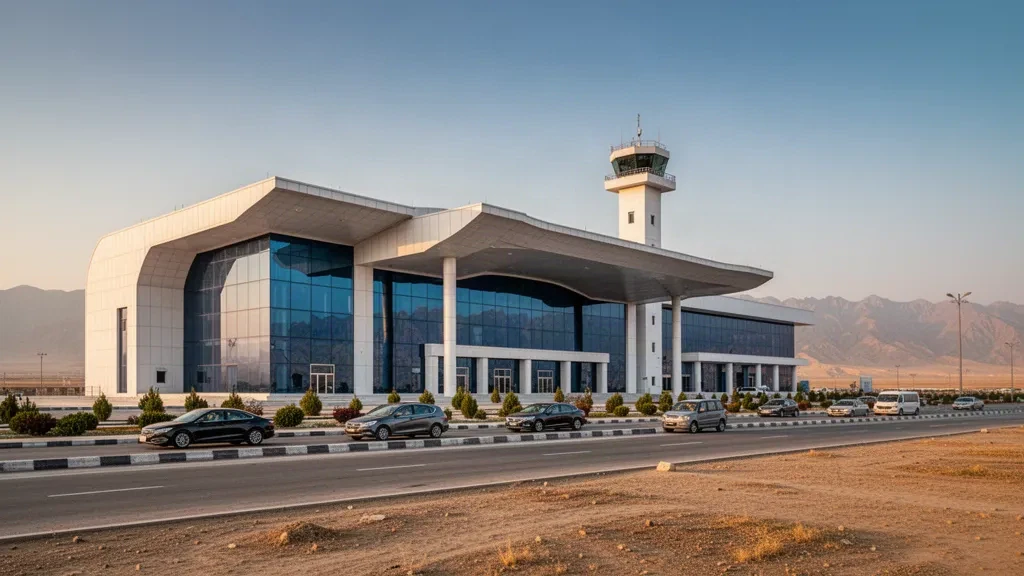
Travel between Mawlana Jalaluddin Mohammad Balkhi International Airport and Balkh, Mazar-i-Sharif or other destinations in Balkh Province.
Hourly Chauffeur
Book a private chauffeur by the hour for visits to Bala Hissar, the No Gumbad Mosque, Takht-e Rustam and other sites around Balkh.
Car Rental
Rent a car in Mazar-i-Sharif or Balkh for independent travel around Balkh Province and the wider northern Afghanistan region.
Bus & Group Transfers
Arrange minibuses or charter buses for groups, delegations, events, heritage tours and transfers in Balkh and Mazar-i-Sharif.
Frequently Asked Questions
Related Cities in Afghanistan
View all
Zabul
Zabul, in southern Afghanistan, is a historic area of rugged mountains and valleys, with strong Pashtun traditions and routes linking Kabul and Kandahar.
Wardak
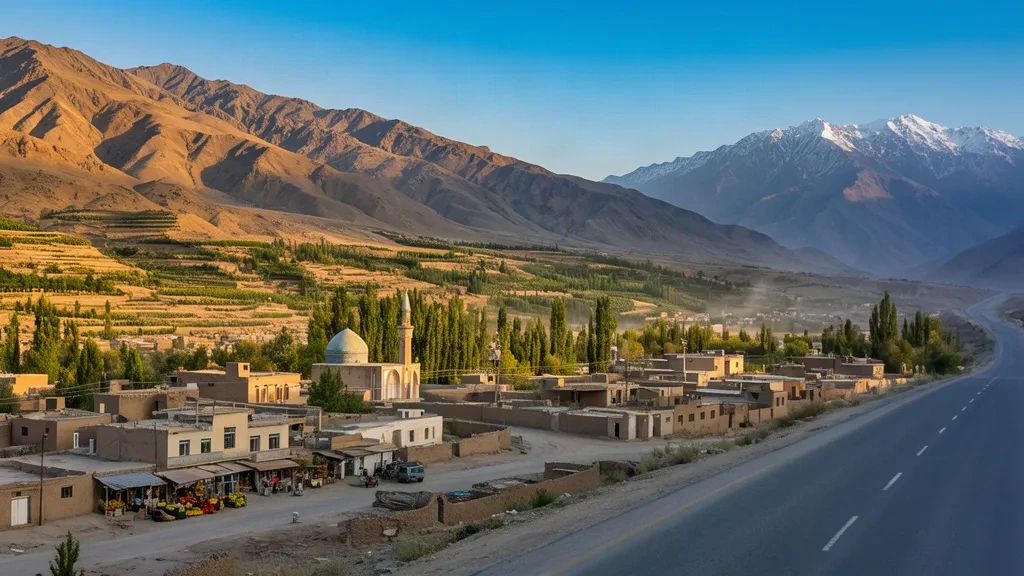
Wardak, a city in central Afghanistan, is known for its rugged mountain scenery, historical sites and rich cultural heritage.
Urozgan
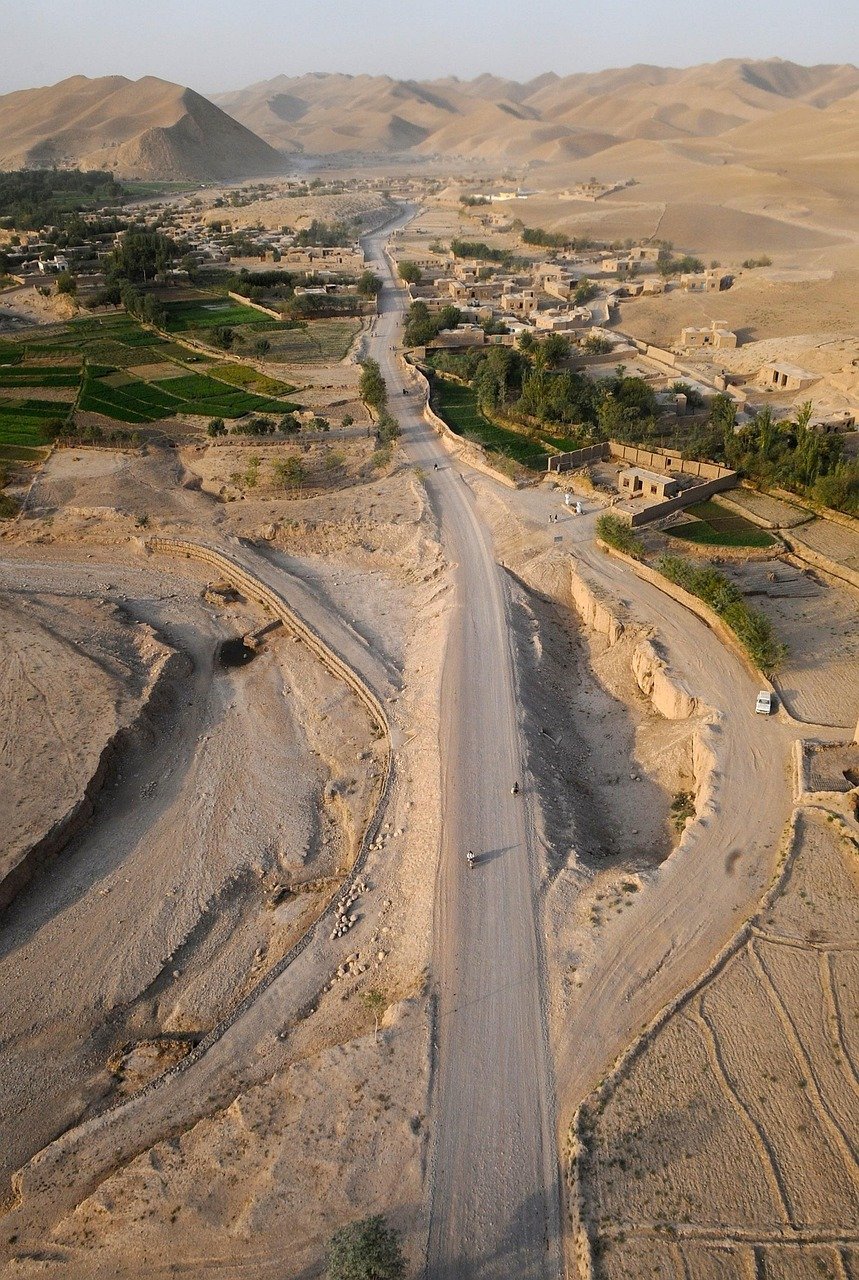
Urozgan, in central Afghanistan, is known for its rugged mountains, rural villages and strong local traditions. Its remote landscapes and historic sites offer a distinctive glimpse of the country's interior.