Bouvet Island
Bouvet Island is a glacier-covered Norwegian dependency in the South Atlantic, widely regarded as one of the most remote and least visited islands on Earth.
Passengers
Luggage
About Bouvet Island
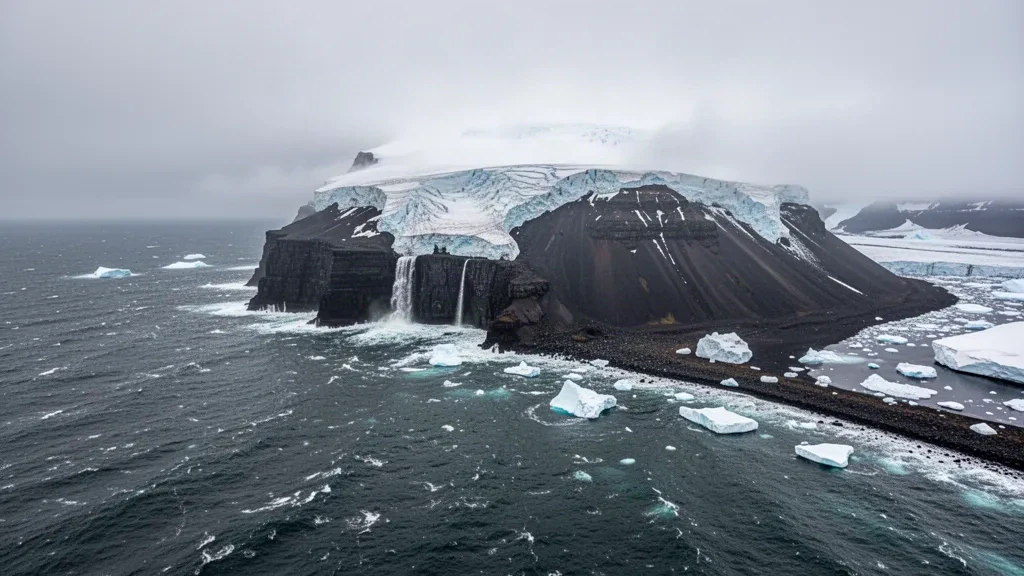
Bouvet Island is an uninhabited Norwegian dependency in the South Atlantic Ocean, often described as the world's most remote island. More than 90 percent of its surface is covered by glaciers, with an inactive volcano at its centre and steep, cliff-lined coasts shaped by a harsh subantarctic climate.
The island has no cities, towns or permanent residents. The only recognised landing area is Nyrøysa, a rockslide site on the coast that hosts a small Norwegian weather and research station used seasonally for meteorological and biological work.
Its landscape is dominated by ice, fog and rough seas, while seabirds, penguins and seals use the island and surrounding waters. Bouvet Island was declared a Norwegian nature reserve in 1971, and the whole area is strictly protected for scientific and environmental purposes.
First sighted in 1739 by the French navigator Jean-Baptiste Charles Bouvet de Lozier, the island was later claimed by Norway and is administered from Oslo. It has no economy, currency of its own or visitor facilities, and access is restricted to approved research and expedition teams.
There are no airports, roads, ports or scheduled passenger services on Bouvet Island. Reaching the island depends on expedition vessels, with shore landings made by small boats or helicopters when weather allows, so conventional airport-to-city transfers and intercity travel do not apply.
Country Information
Why Visit Bouvet Island?
Extreme Isolation
Bouvet Island is often called the world's most remote island, lying far from regular shipping routes in the South Atlantic.
Glacial Wilderness
More than 90 percent of the island is covered by ice, with steep cliffs, fog and an inactive volcano creating a stark subantarctic landscape.
Protected Wildlife
A Norwegian nature reserve, the island and its surrounding waters support seabirds, penguins and seals in a strictly protected environment.
Travel Services in Bouvet Island
Transfers
On expedition visits to Bouvet Island, transfers are handled by ship-to-shore boats or helicopters, since the island has no roads, airports or conventional ports.
Hourly Chauffeur
A dedicated expedition guide can provide on-call support during permitted shore excursions on Bouvet Island, where no road-based chauffeur service exists.
Charter Bus
Group movements on Bouvet Island are organised through expedition vessels and approved small-boat or helicopter landings, as there are no roads for charter buses.
Car Rental
Independent car rental is not possible on roadless Bouvet Island; travel is coordinated through expedition vessels and research support teams.
Travel Essentials
Frequently Asked Questions
Related Destinations
Jersey
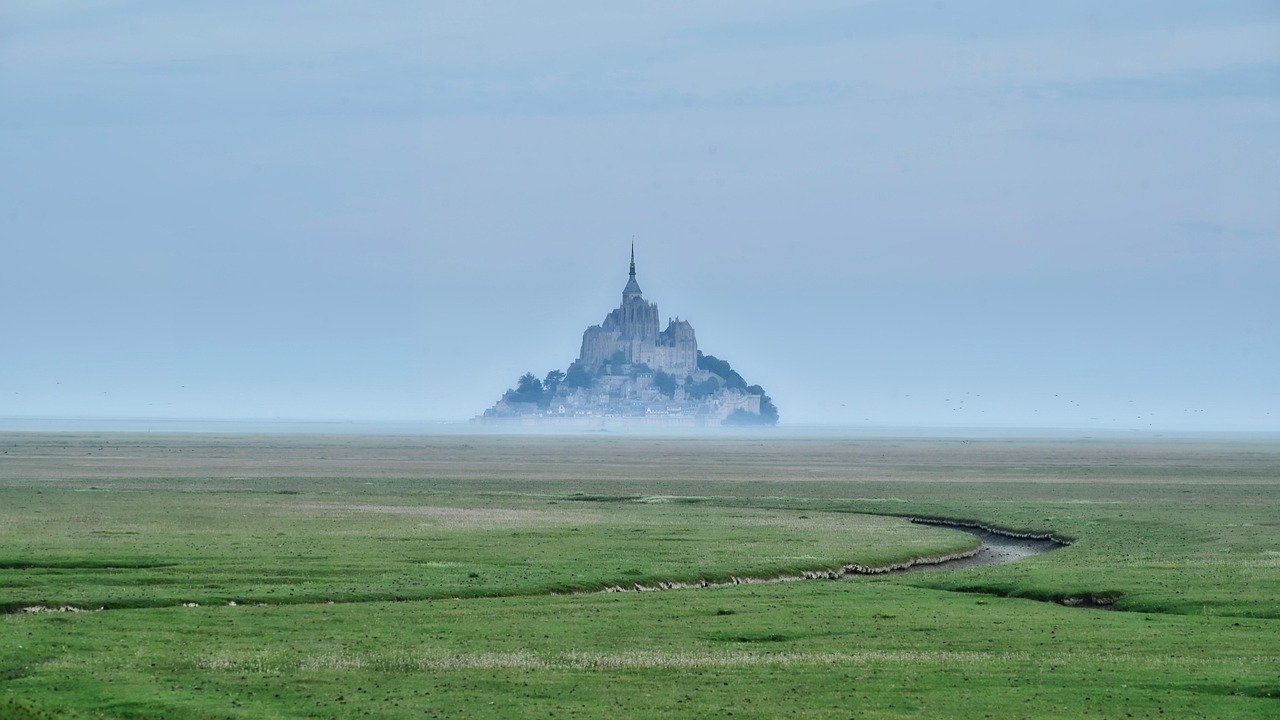
The largest of the Channel Islands, Jersey combines sandy bays, cliff paths and a lively harbour capital with a relaxed island character and a distinctive Norman-English heritage.
Zimbabwe
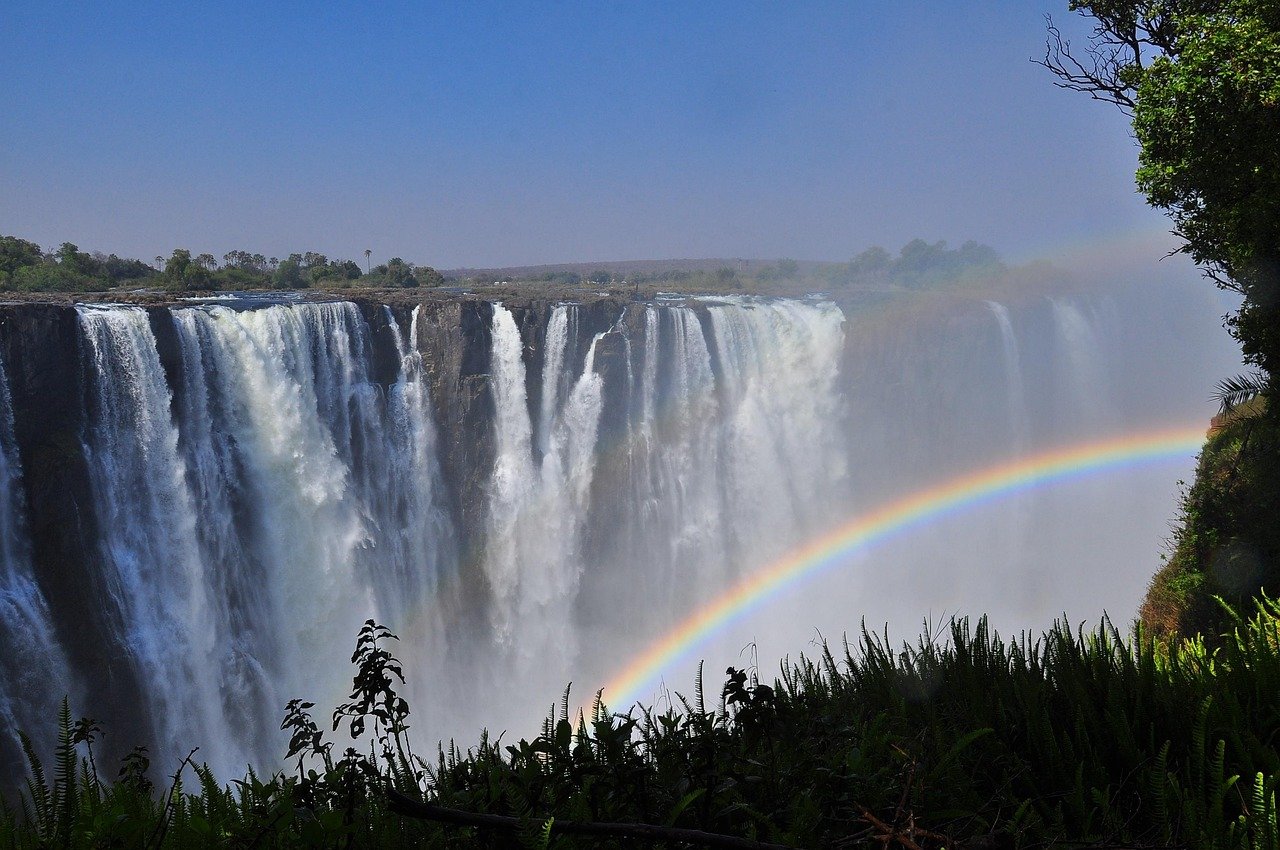
Zimbabwe blends one of Africa's great natural wonders, ancient stone cities and rich wildlife areas, with welcoming towns and a proud cultural heritage.
Zambia
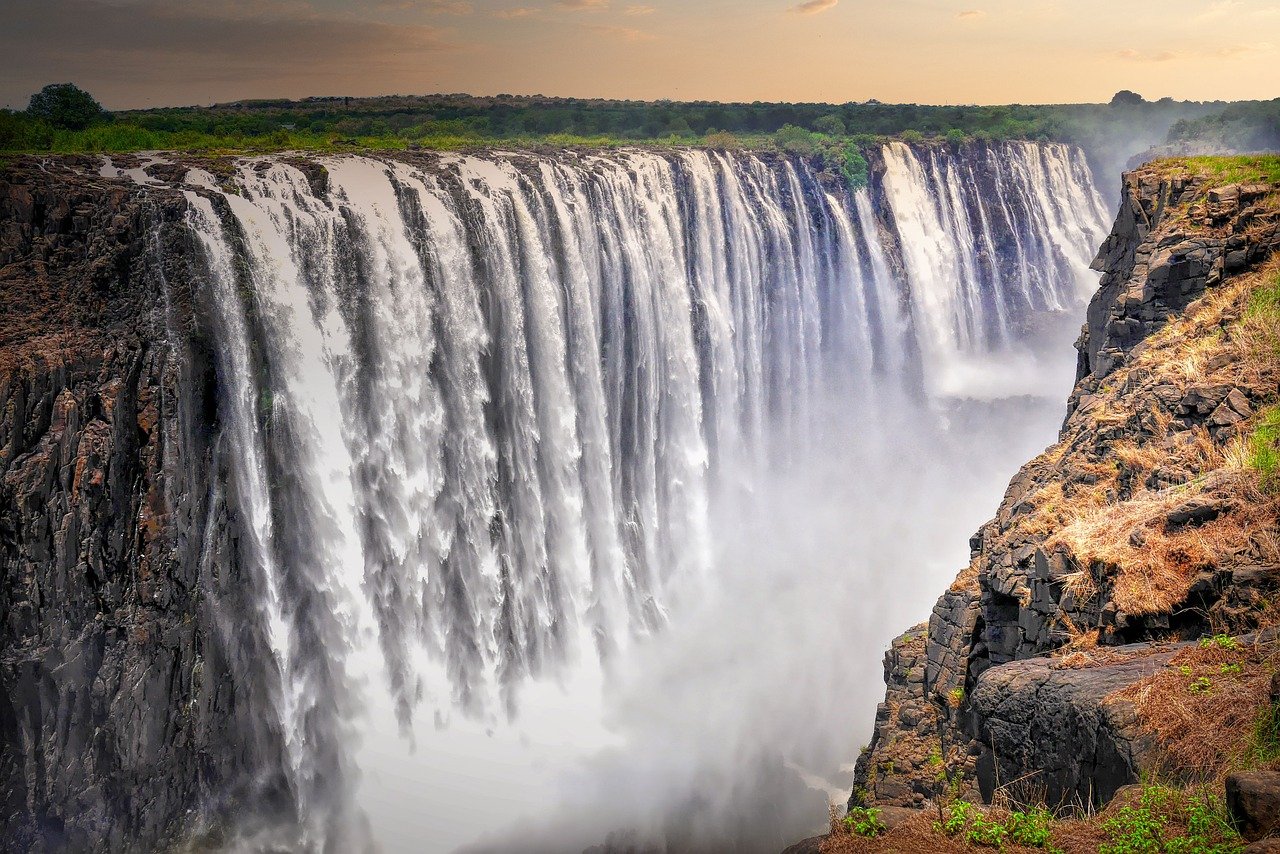
Zambia is a landlocked southern African country defined by the Victoria Falls, the Zambezi River and vast wildlife reserves, offering a genuine safari and nature experience.

Yemen
Yemen pairs ancient mudbrick cities, rugged highlands, coastal plains and the otherworldly island of Socotra, creating one of the Arabian Peninsula's most distinctive cultural landscapes.