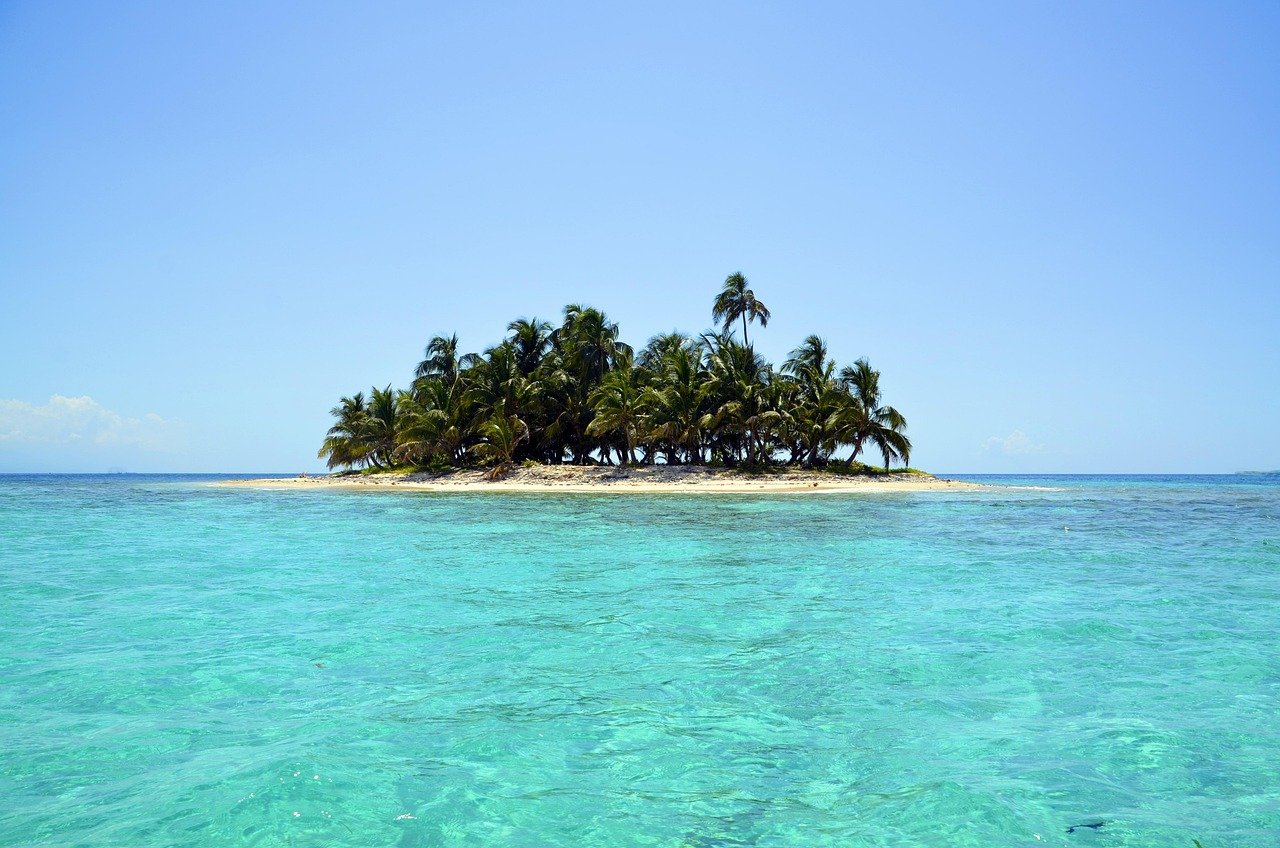
ʻEua
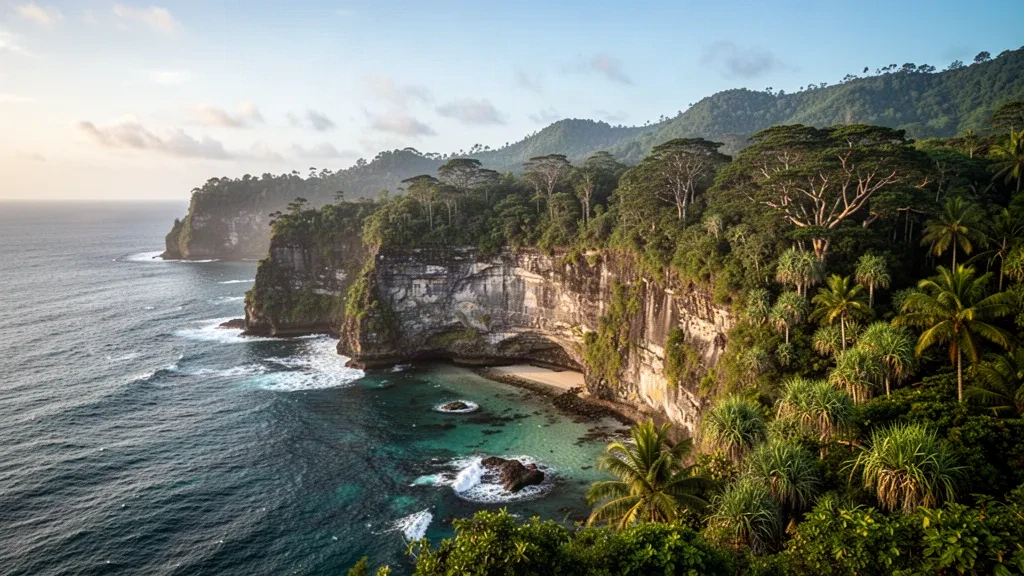
ʻEua is a lush island of dramatic cliffs, rainforest and coastal caves, offering a quieter, nature-focused escape known for hiking trails and whale watching.
Passengers
Luggage
About ʻEua
ʻEua is Tonga's oldest and most rugged inhabited island, lying southeast of Tongatapu and reached by a short flight or ferry from Nukuʻalofa. Its small population, forested hills and dramatic eastern cliffs give the island a quiet, unhurried character built around village life, farming, fishing and low-key eco-tourism.
Sighted by Abel Tasman in 1643 and once known as Middelburg Island, ʻEua shows its geological age in raised limestone terraces, caves and sheer coastal cliffs. The main natural landmark is ʻEua National Park, where trails lead to the Lokupo Lookout, Rats Cave, a rock garden and the giant ʻOvava tree above the Pacific.
ʻOhonua is the island's main village and administrative centre, while smaller communities such as Tufuvai, Houma and Angaha line the coast. Visitors explore the national park on foot, swim at Haʻaluma and Tufuvai beaches, watch for the red shining parrot and other birdlife, and look for humpback whales offshore between June and October.
Daily life on ʻEua is strongly tied to church, family and the land, with agriculture and fishing supporting most households. Guesthouses and village-run tours organise meals, guides and transport, and Sunday services and Tongan umu feasts offer a direct view of local culture.
For travellers, ʻEua works best as a nature and active-travel destination and as a relaxed contrast to busier Tongatapu. Independent visitors, small groups and people travelling for research, government or development work can all use the island's guesthouses, 4WD tracks and short domestic connections, while leisure travellers come mainly for hiking, beaches, birdwatching and whale watching.
ʻEua Travel Guide
Best Time to Visit
The dry season from May to October brings the most reliable weather for hiking ʻEua National Park and visiting beaches. Humpback whales pass offshore between June and October, while the warmer, wetter months from November to April carry a higher risk of rain and cyclones.
How to Get Around
ʻEua is small but hilly, and the rough track into the national park is best tackled by 4WD or pickup. Visitors can arrange rides through guesthouses, hire a taxi or rental vehicle in ʻOhonua, or explore nearby villages and beaches on foot or by bicycle.
Where to Stay
Most accommodation is in small, family-run guesthouses around ʻOhonua and Tufuvai, with places such as Taina's Place and The Hideaway providing meals, guides and local transport. Staying at a guesthouse makes it easier to arrange park hikes and day trips.
Food & Drink
Dining on ʻEua usually centres on guesthouse meals and village bakeries, featuring fresh fish, taro, cassava, tropical fruit and traditional Tongan umu feasts. ʻOhonua has a few small shops and eateries, but meal arrangements are often best organised through accommodation.
Ground Transportation Services in ʻEua
Airport Transfers
Pre-book a vehicle to meet flights at ʻEua Kaufana Airport and reach ʻOhonua, Tufuvai, guesthouses and other villages around the island.
Hourly Chauffeur
Use a private driver by the hour to visit ʻEua National Park, the Lokupo Lookout, Haʻaluma Beach and village communities without needing your own 4WD.
Car Rental
Rent a 4WD or pickup in ʻOhonua for independent access to the national park, lookouts and coastal villages, where sealed roads are limited.
Bus & Group Transfers
Arrange a minibus, van or truck for groups arriving at Nafanua Wharf or ʻEua Airport, and for church groups, tours, events and other journeys across the island.
Frequently Asked Questions
Related Cities in Tonga
View all
Vavaʻu
Vavaʻu is a laid-back island destination in Tonga, known for its dramatic limestone cliffs, sheltered harbours, lush plantations and rich Polynesian heritage. Its main town, Neiafu, offers a relaxed base for sailing, whale watching and exploring nearby beaches and villages.
Tongatapu
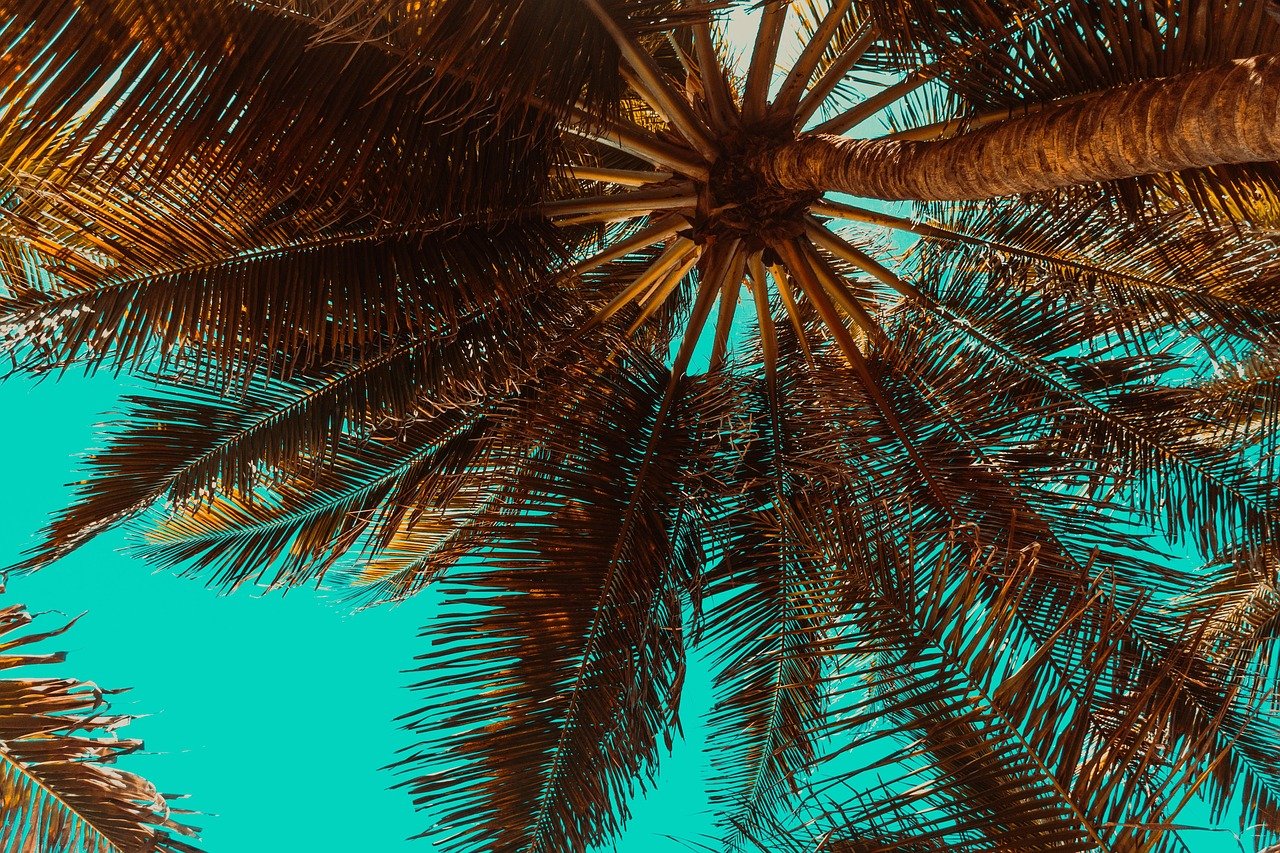
Tongatapu, Tonga's main island, pairs Polynesian heritage with relaxed coastal life, royal landmarks, lagoons and traditional villages.
Niuas
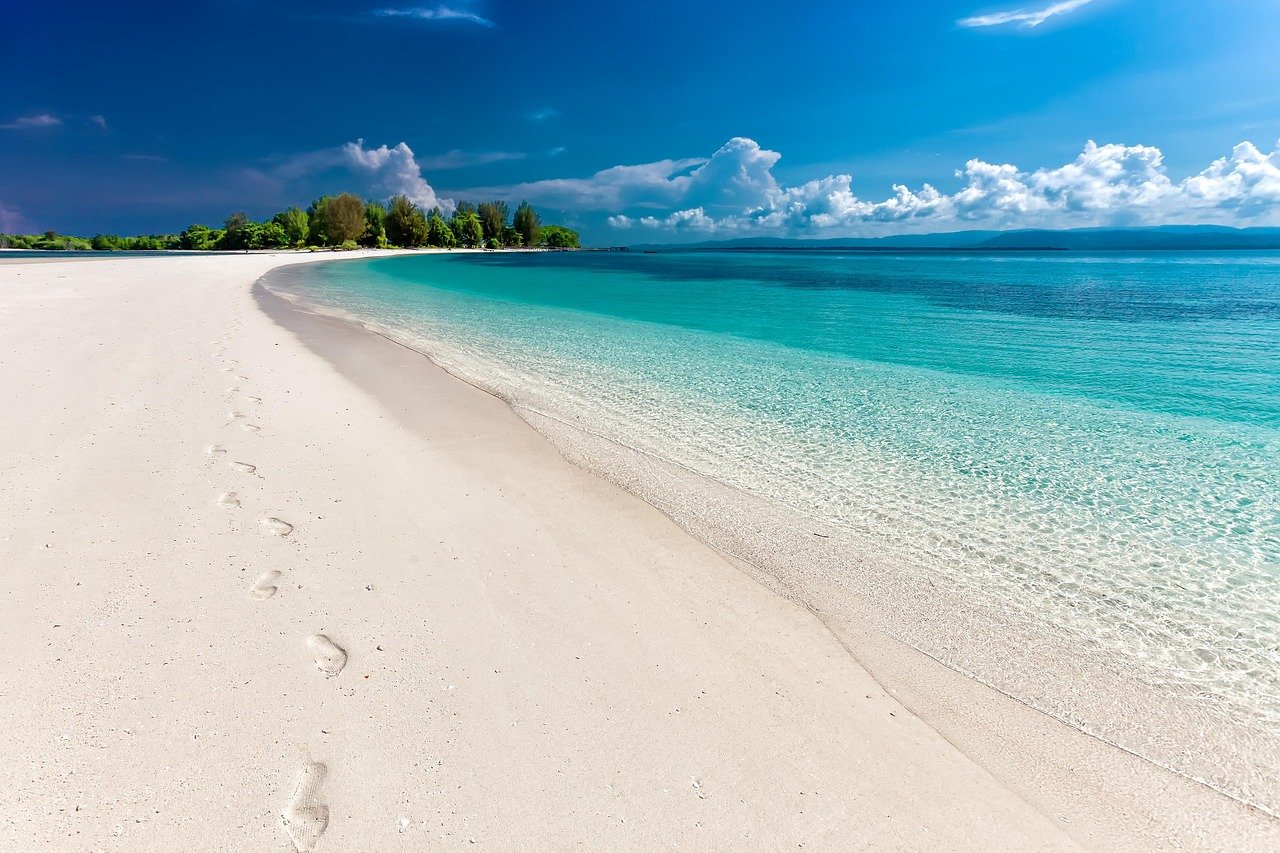
Niuas, Tonga's remote northern island group, is known for volcanic landscapes, coral reefs and enduring Polynesian traditions that shape a quiet, off-the-beaten-path way of life.