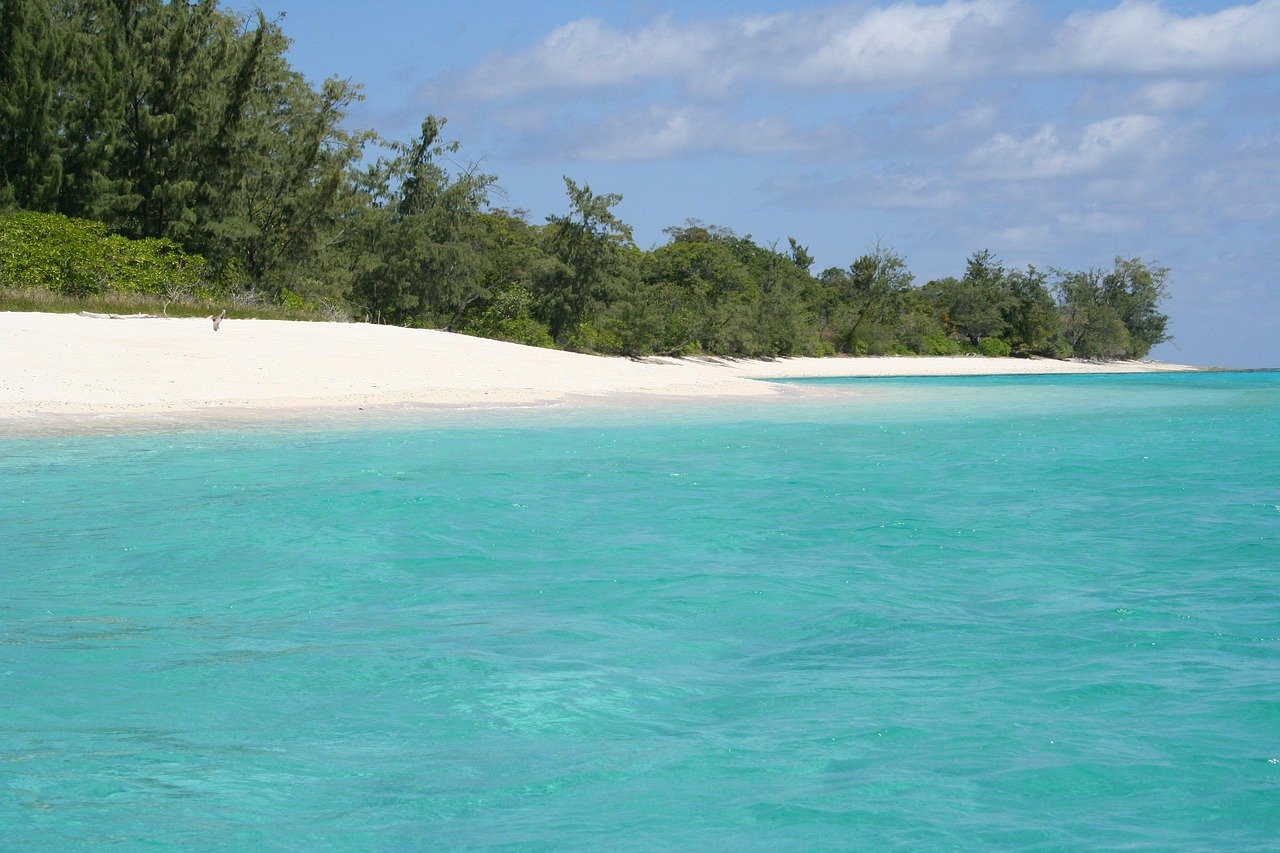
Bobonaro
Bobonaro, a town in Timor-Leste's western highlands, reflects Portuguese colonial heritage and Timorese traditions through its quiet streets, old buildings and surrounding coffee-growing hills.
Passengers
Luggage
About Bobonaro
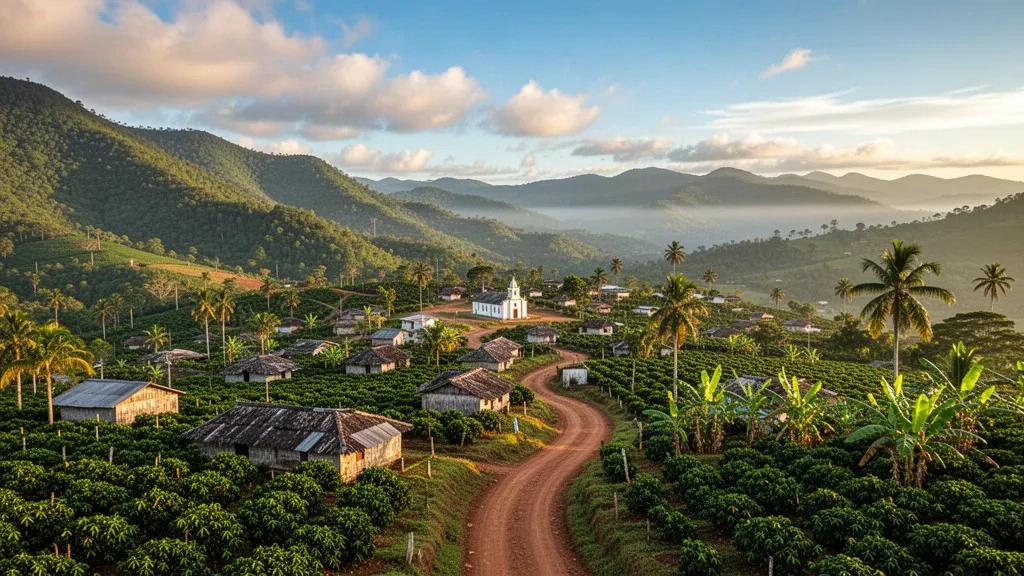
Bobonaro is Timor-Leste's westernmost municipality, a mountainous border region where dry savannah gives way to emerald rice terraces and forested hills. Its capital, Maliana, is a relaxed rice town with colonial-era buildings and a lively produce market, while historic Balibo and remote Marobo draw visitors deeper into the countryside.
The region's past remains visible in its forts and memorials. Balibo Fort and Flag House preserve a Portuguese-era hilltop fort and the story of the five journalists killed during Indonesia's 1975 invasion, while Batugade has Portuguese fort ruins and a salt lake near the border. Marobo Hot Springs, built around natural thermal pools, is one of Timor-Leste's most distinctive attractions.
Bobonaro is also known for black-ground tais weaving and a strong agricultural identity based on rice, maize and coffee. Villages such as Marobo, Lolotoe and Atabae offer trekking, caves and coastal scenery, with Mount Loilako popular for hiking and cave exploration.
For travellers, the municipality works well as a two-day western loop from Dili, combining Maliana, Balibo and the Marobo springs. Road access has improved, though rural tracks often call for a 4WD or motorbike.
As a border region and emerging eco-tourism destination, Bobonaro attracts independent travellers, small tour groups and business visitors alike, offering a quieter, more rural side of Timor-Leste.
Bobonaro Travel Guide
Best Time to Visit
The dry season from May to November is the best time to visit Bobonaro, when mountain roads to Marobo Hot Springs, Balibo and Batugade are most accessible. The rainy season from December to April can make rural tracks muddy, although the rice fields are at their greenest.
How to Get Around
Most visitors reach Bobonaro by road from Dili via Maliana, about two to three hours by car. A 4WD or motorbike is useful for reaching Marobo and other rural sites, while mikrolets and shared vehicles connect the main towns and Maliana itself is easy to explore on foot.
Where to Stay
Balibo Fort offers a boutique hotel inside a restored colonial fort, while Maliana has simple guesthouses and small hotels near the market. Staying in Balibo suits heritage visits, and Maliana is a practical base for exploring the wider municipality.
Food & Drink
Dining is simple and local, with rice, grilled fish, stews and fresh fruit and vegetables sold at Maliana's market. Small restaurants in Maliana and the Balibo Fort restaurant serve Timorese and Portuguese-influenced dishes, and local coffee is available across the region.
Ground Transportation Services in Bobonaro
Airport Transfers
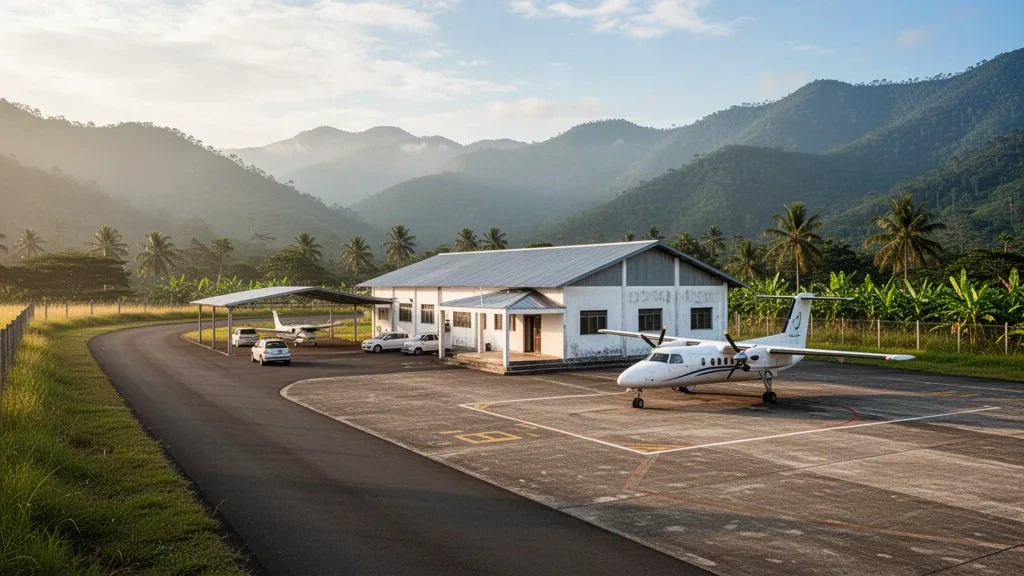
Arrange transfers between Maliana Airport and hotels or towns such as Maliana, Balibo and Batugade, or book overland transfers from Presidente Nicolau Lobato International Airport in Dili.
Hourly Chauffeur
Book a private chauffeur by the hour for flexible sightseeing around Balibo Fort, Marobo Hot Springs, Maliana and other Bobonaro destinations, or for business travel near the Indonesian border.
Car Rental
Rent a 4WD or car for independent travel through Bobonaro's mountain roads, with convenient pick-up in Dili or Maliana for trips to Balibo, Batugade and Marobo.
Bus & Group Transfers
Charter a minibus or bus for group tours, events, corporate travel and border crossings, with comfortable road transport between Dili, Maliana, Balibo and other parts of Bobonaro.
Frequently Asked Questions
Related Cities in Timor-Leste
View all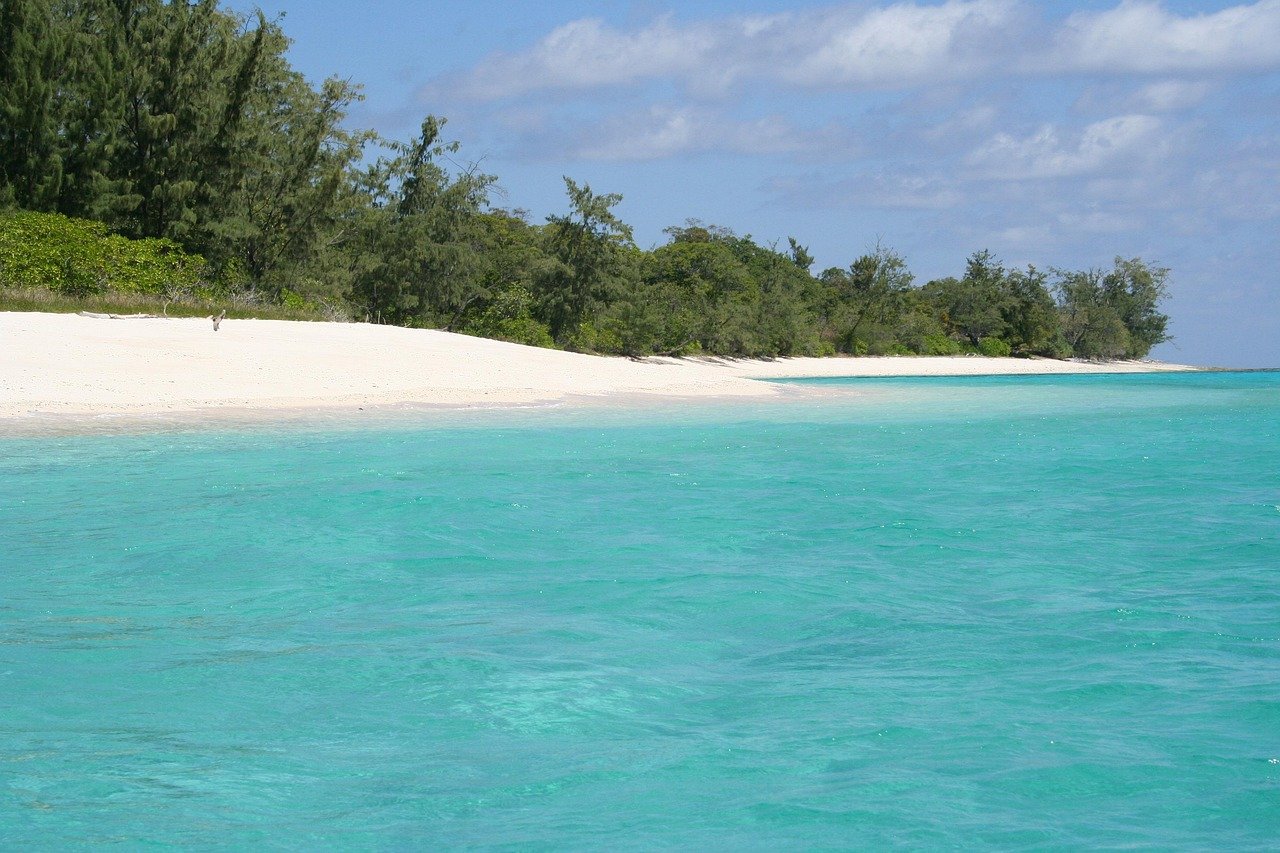
Liquiçá
Liquiçá is a coastal town in Timor-Leste with a layered colonial history, relaxed seaside atmosphere and green hills rising behind the shore. Its blend of local culture and quiet beaches makes it a rewarding stop along the northwest coast.
Viqueque
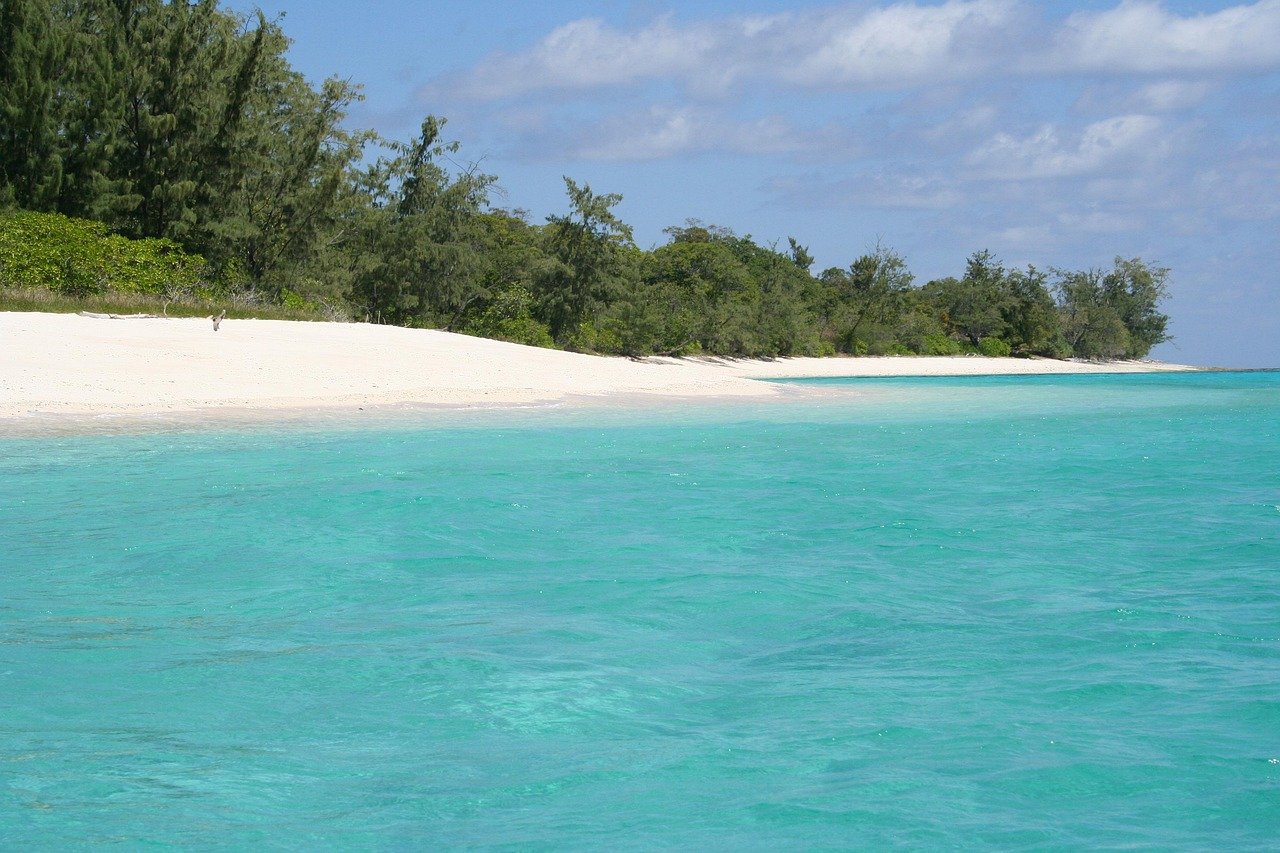
Viqueque, the capital of its municipality in southeastern Timor-Leste, retains Portuguese-era landmarks, a lively central market and a strong Tetum Terik cultural identity. Nearby roads lead to the south coast and the forests of Mundo Perdido, making the town a quiet base for regional travel.
Oecusse
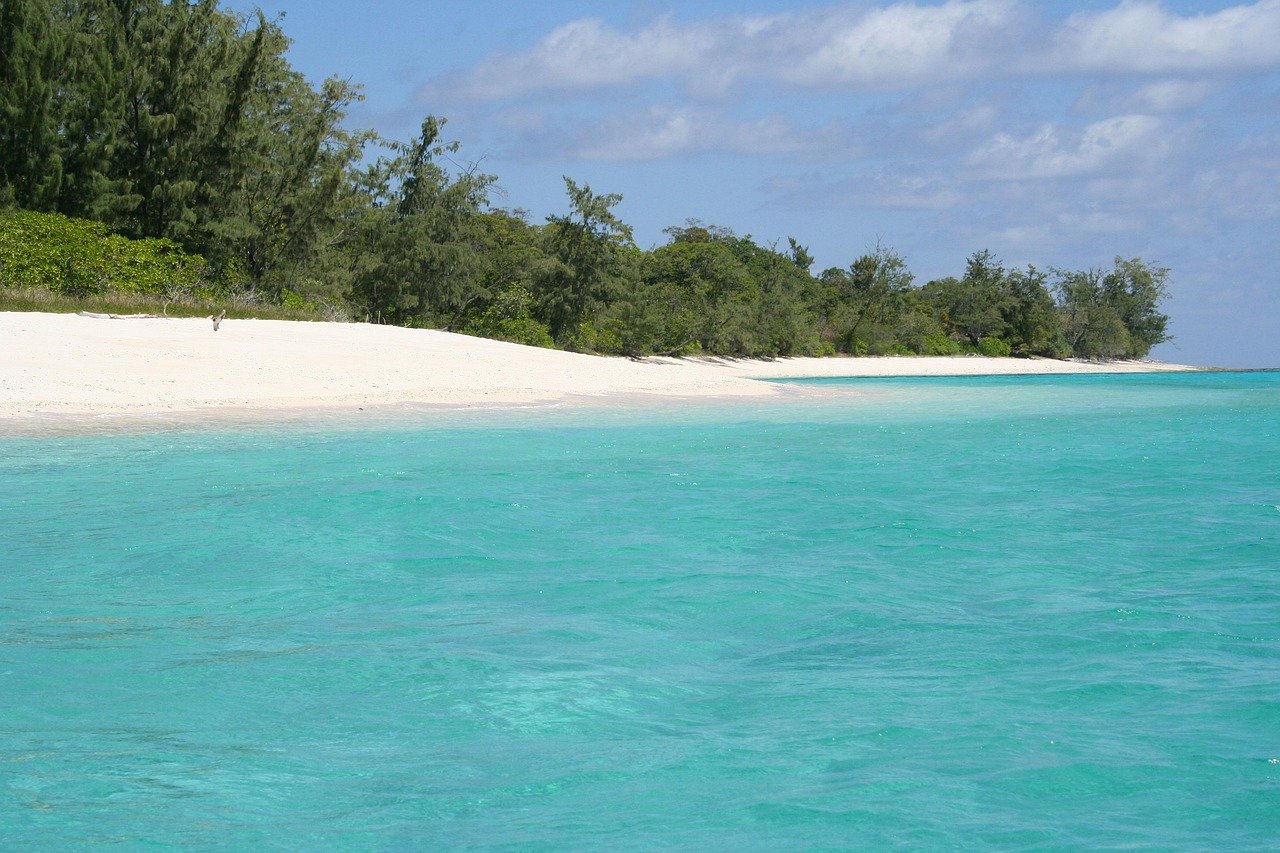
Oecusse, Timor-Leste's western exclave, pairs quiet beaches and mountain scenery with a distinct cultural heritage and a relaxed coastal pace.