Melilla
Melilla, a Spanish city on the North African coast, pairs a walled historic centre and striking Modernist architecture with Mediterranean beaches and a distinct blend of European, Berber and Andalusian influences.
Passengers
Luggage
About Melilla
Melilla is a Spanish autonomous city on the Mediterranean coast of North Africa, a compact 12-square-kilometre enclave that shares a land border with Morocco. Its fortified old town, dense clusters of Modernista buildings and mixed Christian, Muslim, Jewish and Hindu communities give the city a distinctive character within Spain.
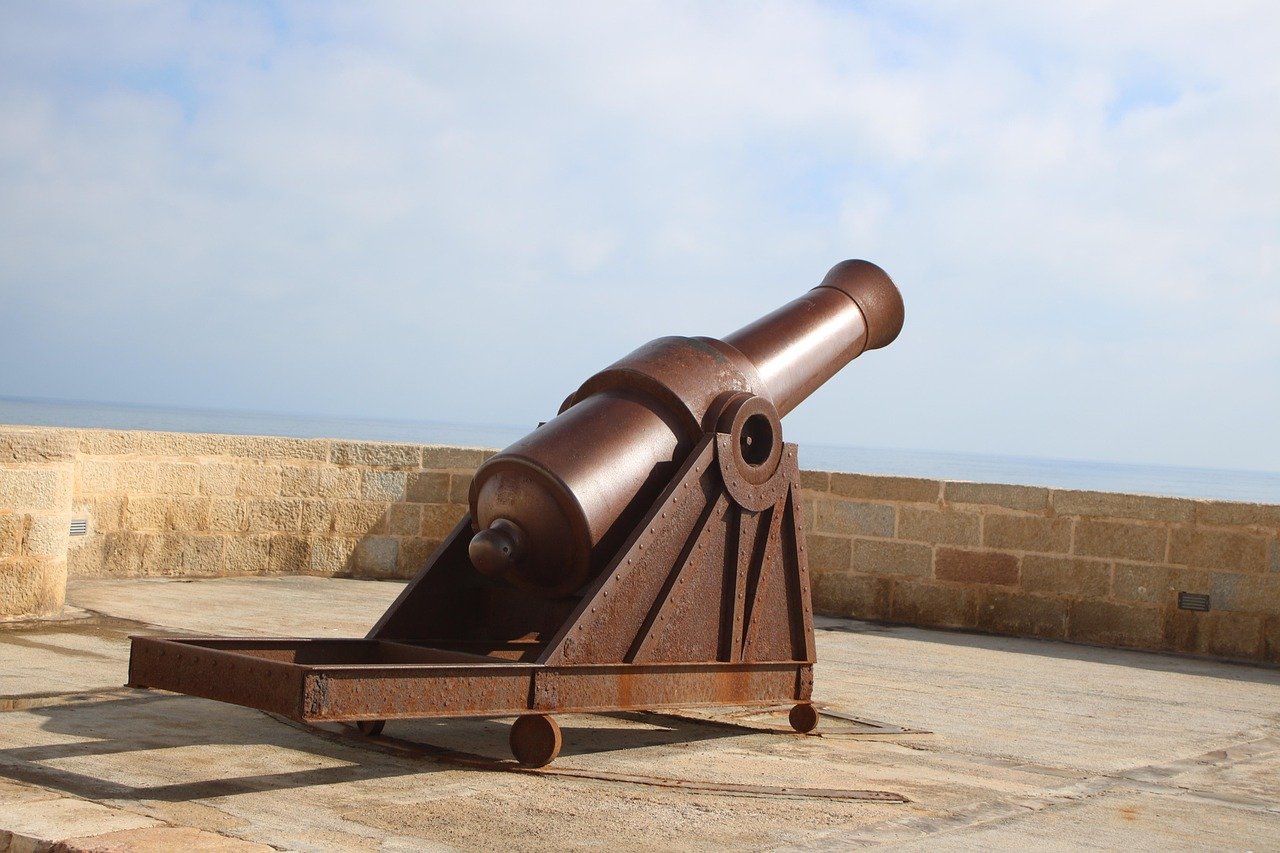
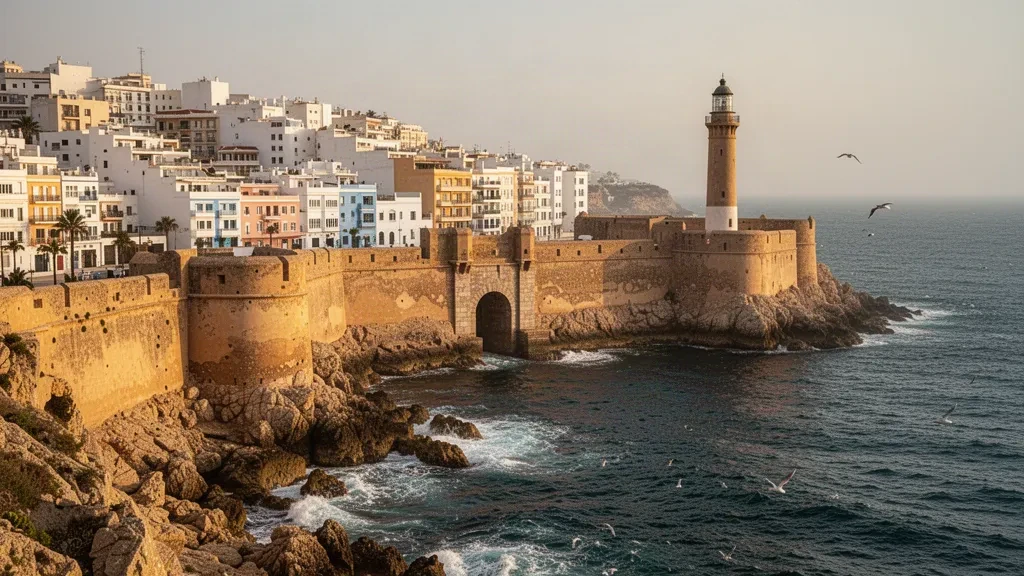
Founded by the Phoenicians as Rusadir, Melilla has been under Spanish control since 1497 and later developed as a military stronghold and free port. The walled citadel of Melilla la Vieja, its bastions, the Cuevas del Conventico and the Plaza de España with the Palacio de la Asamblea preserve much of that layered history.
Modern Melilla is best known for its modernist and Art Deco architecture, concentrated around the Golden Triangle along Avenida Juan Carlos I Rey and nearby streets. Landmark façades such as Casa Melul, Casa de los Cristales and La Reconquista form one of the densest ensembles of Modernista design outside Barcelona.
Beyond the architecture, visitors can follow the Route of the Temples past a church, synagogue, mosque and Hindu temple, relax at beaches such as Playa de la Hípica, or stroll through Parque Hernández. Neighbourhoods around the port and city centre mix Spanish cafés and tapas bars with Moroccan-influenced markets and restaurants.
As a free port and a gateway between Europe and Africa, Melilla combines commercial, logistical and public-sector activity with a growing visitor economy. Its airport, ferry links to mainland Spain and walkable centre make it a manageable destination for both leisure travellers and business visitors.
Melilla Travel Guide
Best Time to Visit
Spring and autumn offer the most comfortable weather for walking the modernist district and the walls of Melilla la Vieja. Summer is hot but lively, with sea breezes along the waterfront, while winter stays mild and relatively quiet.
How to Get Around
Central Melilla is compact and best explored on foot, with taxis and local buses for longer trips. Car rental is available for exploring the wider coastline, and ferries connect the city with Málaga, Almería and Motril on mainland Spain.
Where to Stay
The centre around Plaza de España and Avenida Juan Carlos I puts major landmarks, shops and restaurants within walking distance. The port and Puerto Noray area suits those wanting a seaside setting, while the old town offers a quieter, historic atmosphere.
Food & Drink
Melilla's food mixes Spanish and Moroccan influences, from tapas, pinchos morunos and grilled fish to tagine, couscous and pastela. Cafés, bars and seafood restaurants cluster around the city centre and Puerto Noray, with fresh produce from local markets.
Ground Transportation Services in Melilla
Airport Transfers
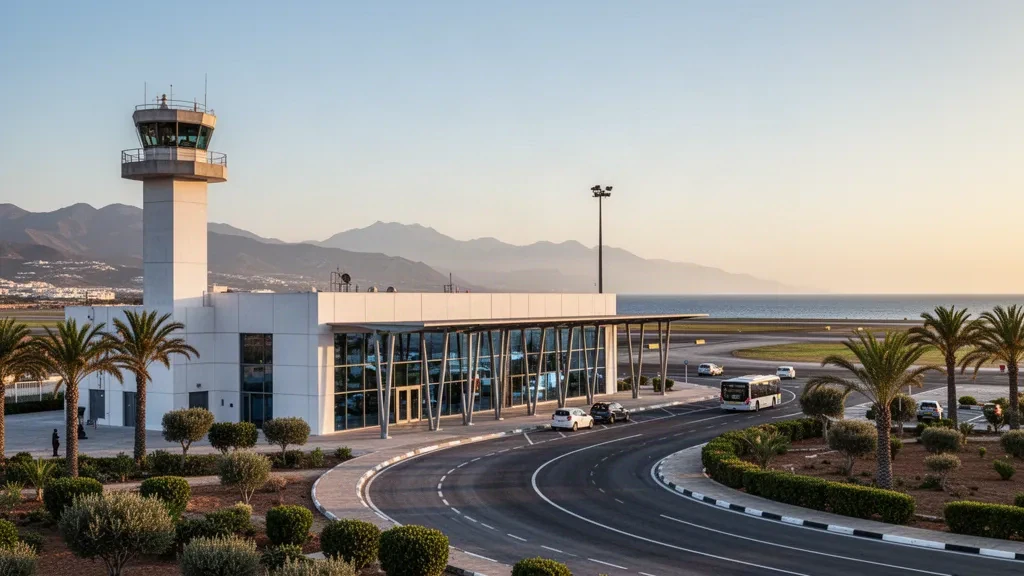
Travel between Melilla Airport (MLN), about 3–4 km from the centre, and hotels, the port, business districts and other destinations across the city.
Hourly Chauffeur
Book a private chauffeur by the hour for business meetings, events, sightseeing around the modernist district and flexible travel across Melilla.
Car Rental
Rent a car at Melilla Airport or in the city for independent travel around the compact centre and journeys along the nearby Mediterranean coast.
Bus & Group Transfers
Arrange minibuses or charter buses for groups, corporate travel, events, airport and port pickups, and guided tours in Melilla.
Frequently Asked Questions
Related Cities in Spain
View all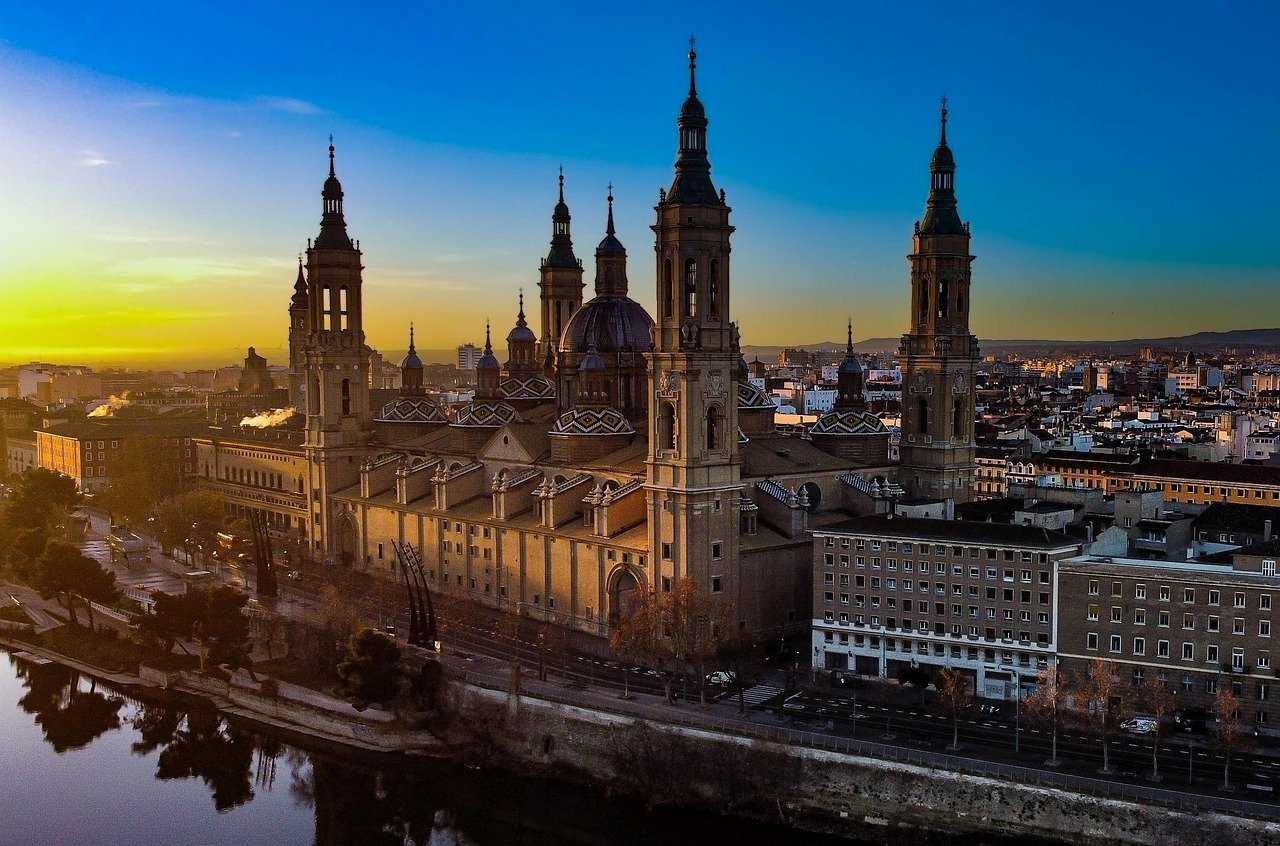
Zaragoza
Zaragoza, Aragon's lively capital on the Ebro River, pairs Roman and Mudéjar heritage with the baroque Basilica del Pilar, broad boulevards and a renowned tapas scene. Its historic center and riverside parks make it an easygoing base for exploring northeastern Spain.
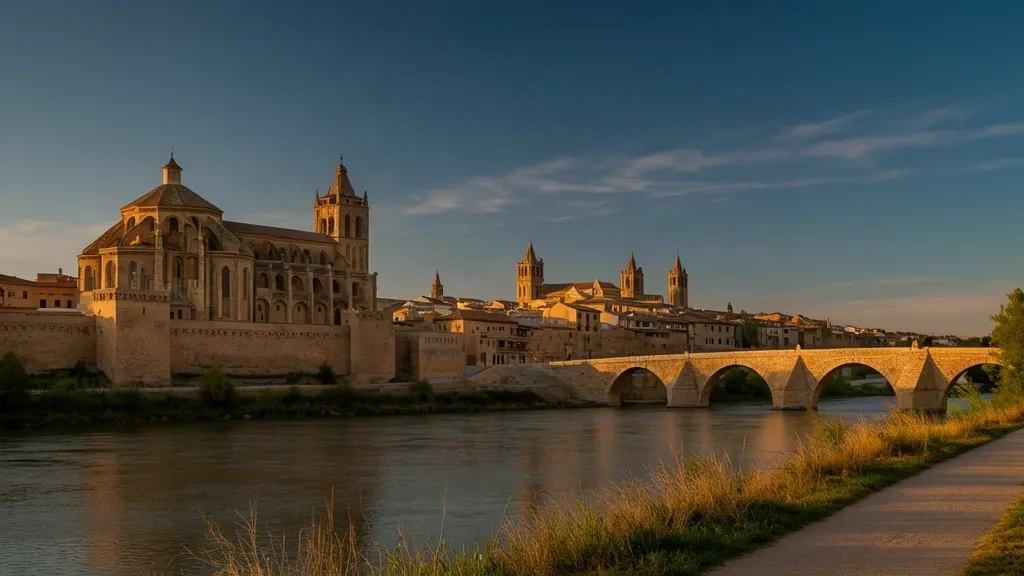
Zamora
Zamora, a historic city in northwestern Spain, is known for its Romanesque churches, medieval walls and riverside setting along the Duero. Its compact old town and Holy Week traditions give it a distinctive Castilian character.
Valladolid
Valladolid, a historic city in Spain's Castile and León region, pairs elegant architecture and a lively plaza culture with a notable university and business scene. Its Plaza Mayor and cathedral anchor a compact, walkable centre.