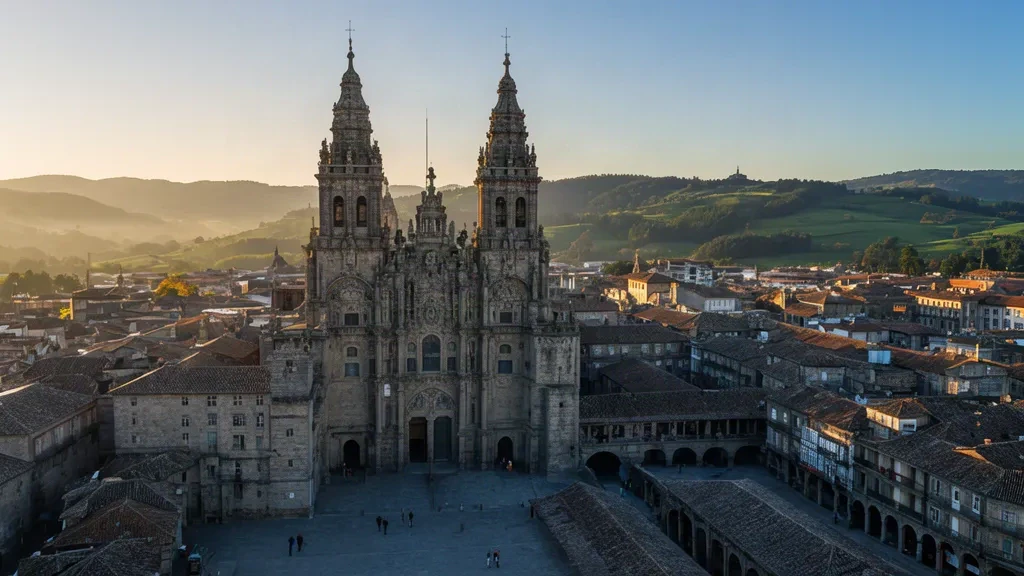
Santiago de Compostela
Santiago de Compostela, the capital of Galicia, draws travelers with its UNESCO-listed old town, the final stop of the Camino de Santiago, and a lively student atmosphere that fills its historic streets.
Passengers
Luggage
About Galicia
Santiago de Compostela is the capital of Galicia in north-west Spain and one of Europe's most historically significant destinations. The city is best known as the final stop of the Camino de Santiago pilgrimage routes, whose walkers converge on the cathedral at the heart of a UNESCO-listed old town.
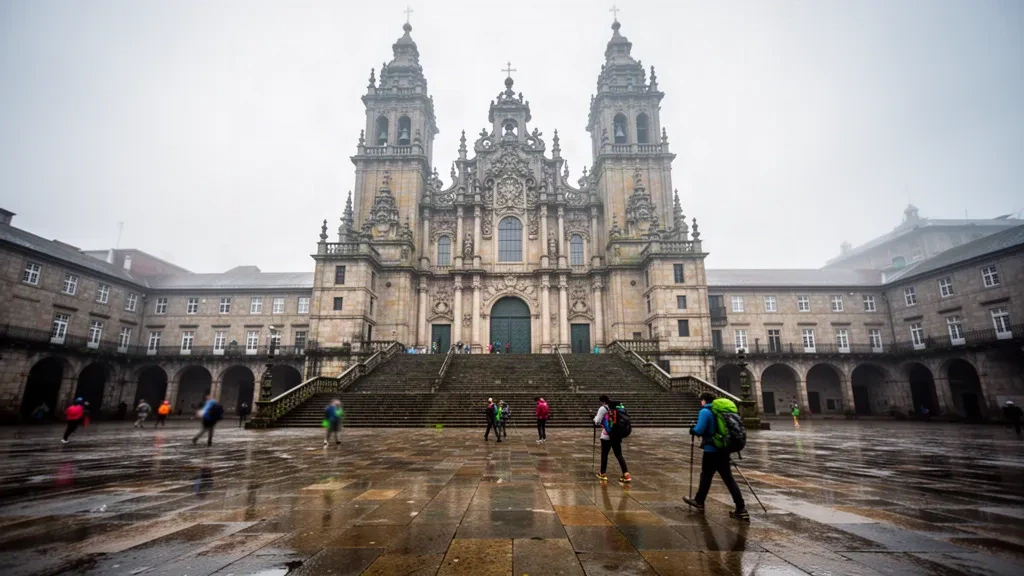
The city's identity is shaped by its medieval core and religious heritage. The Romanesque and Baroque Santiago de Compostela Cathedral rises above Praza do Obradoiro, surrounded by landmarks such as the Hostal dos Reis Católicos, the Archbishop's palace and the historic University of Santiago de Compostela, founded in 1495.
Beyond the cathedral, the old town's granite streets, arcaded squares and monasteries give way to neighbourhoods such as the Ensanche, with its shops and cafés, and green areas like Alameda Park. Museums covering Galician art, ethnography and the pilgrimage, along with the lively Mercado de Abastos, offer a closer look at local culture.
Santiago is also a university city and a regional centre for business, conferences and public administration. Its calendar includes the Apostle's festival around 25 July, classical music events and a busy academic year, while Galician food such as pulpo a feira, empanada and albariño wine anchors a strong dining and nightlife scene.
For travellers, Santiago combines compact walkable sightseeing, deep cultural heritage and practical access to the rest of Galicia, making it relevant both as a leisure destination and as a base for business, events and regional travel.
Galicia Travel Guide
Best Time to Visit
Spring and early autumn offer mild weather and fewer crowds, while summer brings the Apostle's festival on 25 July and many Camino de Santiago pilgrims. Winter is quieter and rainier but can suit travellers looking for a calmer visit.
How to Get Around
The historic centre is compact and best explored on foot. Local buses, taxis and rental cars cover the wider city and nearby towns, while the bus and train stations provide connections to other parts of Galicia.
Where to Stay
The old town is convenient for the cathedral, museums and monuments, while the Ensanche offers modern hotels, shops and restaurants close to the centre. Quieter guesthouses and pilgrim hostels are available in surrounding streets and on the Camino routes.
Food & Drink
Galician cuisine features seafood, pulpo a feira, empanada and Tarta de Santiago, with albariño and other local wines. Mercado de Abastos, traditional taverns and cafés around the old town offer a wide range of local food and drink.
Ground Transportation Services in Galicia
Airport Transfers
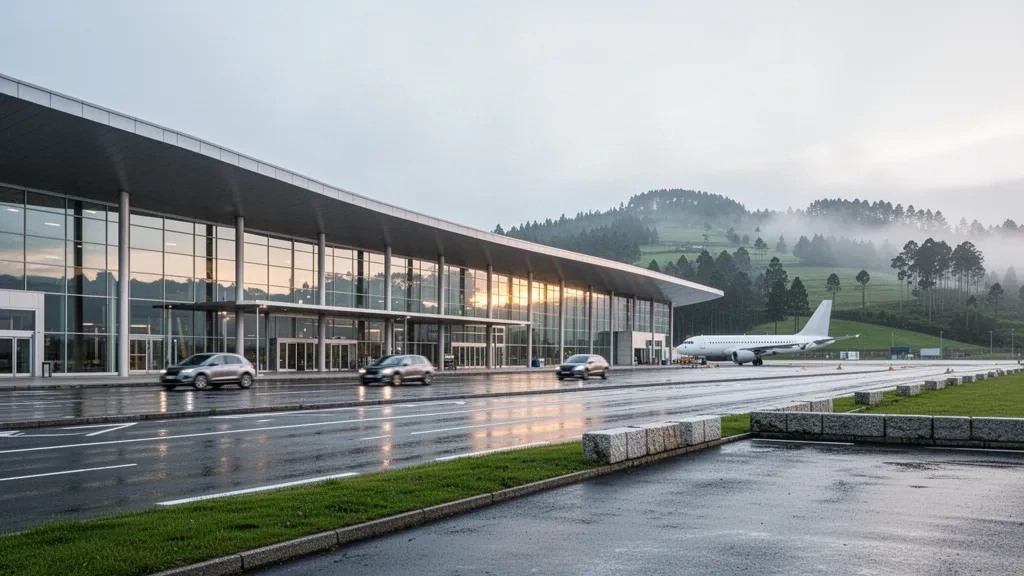
Travel between Santiago de Compostela Airport (SCQ) and hotels, the historic centre, Camino de Santiago start points and other destinations across Galicia.
Hourly Chauffeur
Book a private chauffeur by the hour for business meetings, events, sightseeing around Santiago de Compostela and flexible trips across Galicia.
Car Rental
Rent a car in Santiago de Compostela for independent travel around the city and convenient journeys to the Galician coast and inland towns.
Bus & Group Transfers
Arrange minibuses or charter buses for pilgrim groups, corporate travel, events, airport transfers and guided tours in Santiago de Compostela and Galicia.
Frequently Asked Questions
Related Cities in Spain
View all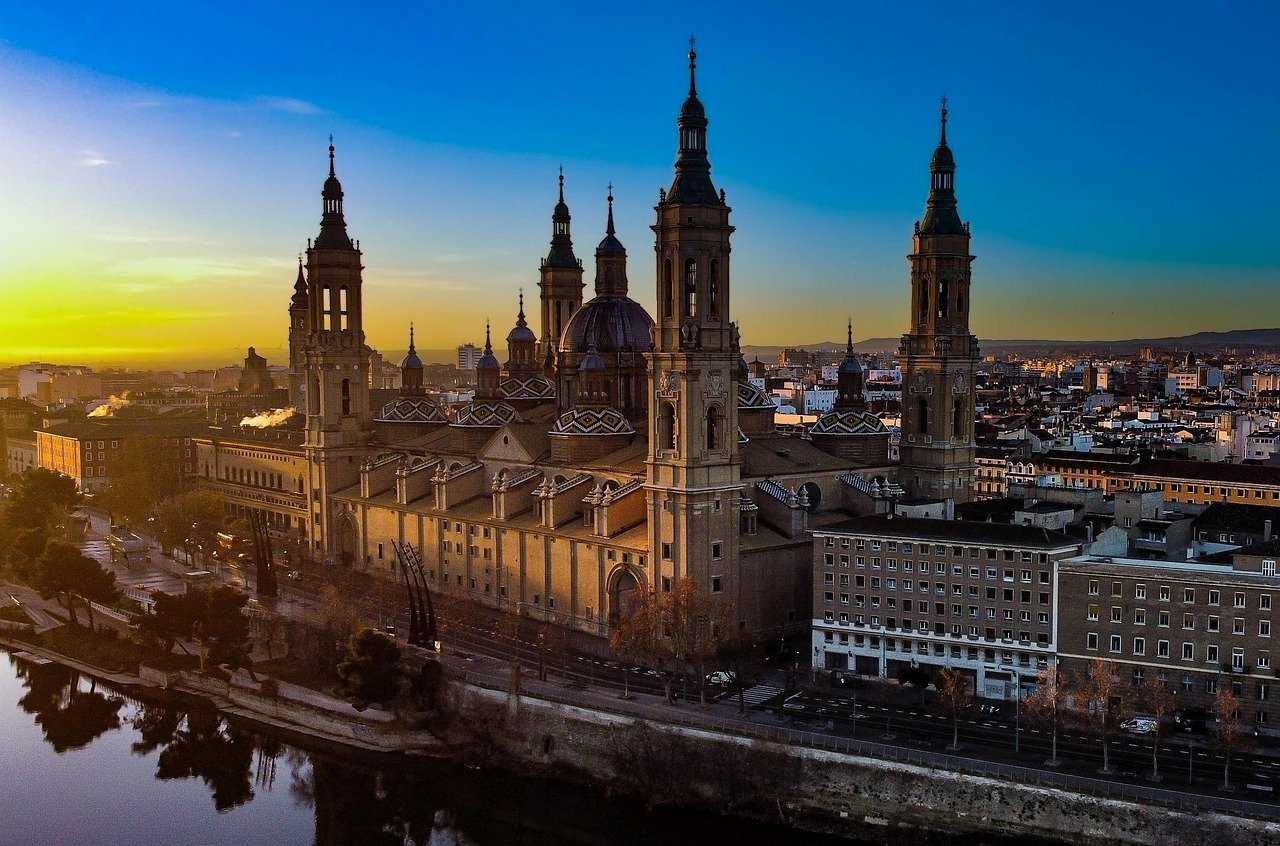
Zaragoza
Zaragoza, Aragon's lively capital on the Ebro River, pairs Roman and Mudéjar heritage with the baroque Basilica del Pilar, broad boulevards and a renowned tapas scene. Its historic center and riverside parks make it an easygoing base for exploring northeastern Spain.
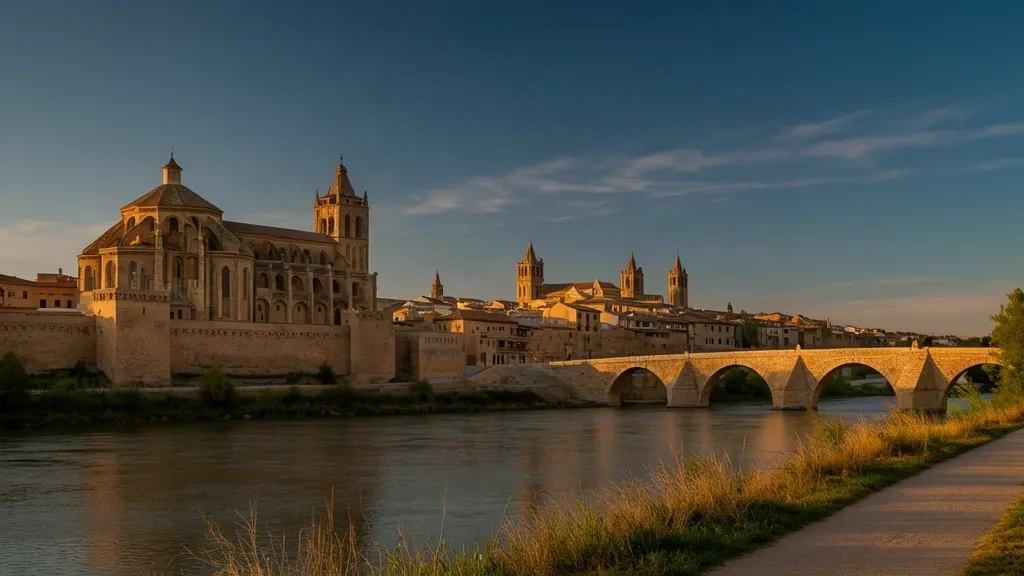
Zamora
Zamora, a historic city in northwestern Spain, is known for its Romanesque churches, medieval walls and riverside setting along the Duero. Its compact old town and Holy Week traditions give it a distinctive Castilian character.
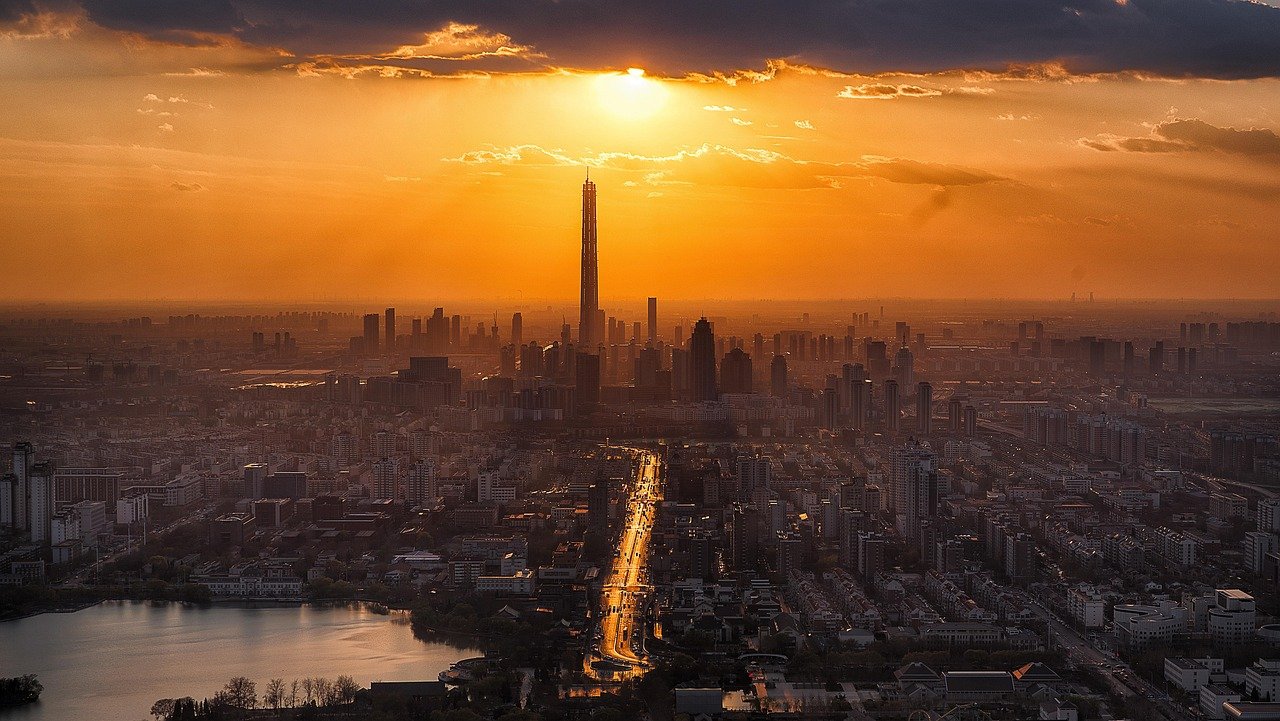
Valladolid
Valladolid, a historic city in Spain's Castile and León region, pairs elegant architecture and a lively plaza culture with a notable university and business scene. Its Plaza Mayor and cathedral anchor a compact, walkable centre.