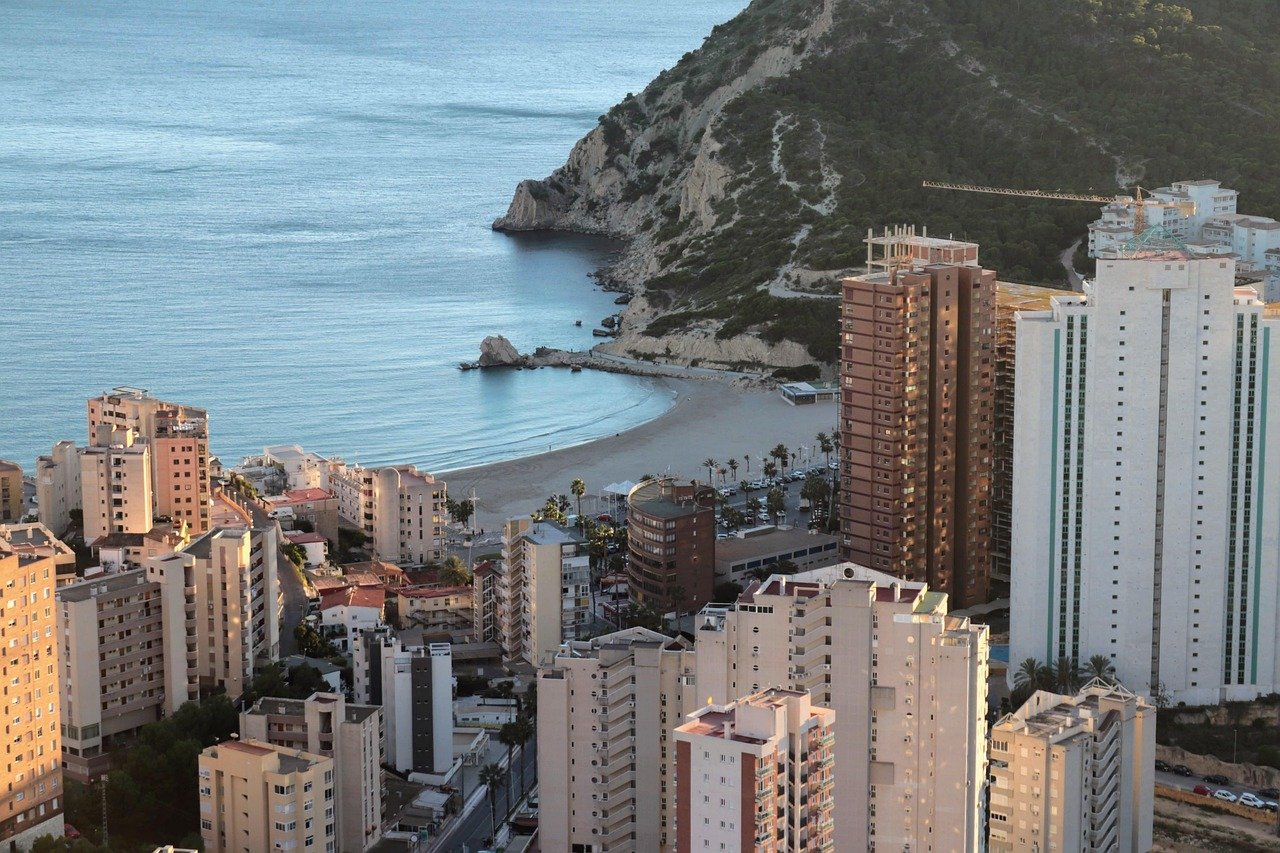
Ceuta
Ceuta, a Spanish city on North Africa's Mediterranean coast, blends centuries of maritime history with fortified old quarters, lively plazas and sweeping views across the Strait of Gibraltar.
Passengers
Luggage
About Ceuta
Ceuta is a Spanish autonomous city on the North African coast, standing at the Strait of Gibraltar and surrounded by Morocco. Its unusual position makes it one of Europe's few territories on the African continent, a compact city where Spanish, North African and Mediterranean influences meet.
The city's long history spans Phoenician, Roman, Byzantine, Islamic, Portuguese and Spanish rule, and that layered past is still visible in its fortifications. The Royal Walls (Murallas Reales) with the navigable San Felipe moat, the Cathedral of St Mary of the Assumption, the Sanctuary of Our Lady of Africa and the Mediterranean Maritime Park designed by César Manrique are among its best-known landmarks.
The historic centre around Plaza de África and the port, the Revellín shopping streets and the beaches of La Ribera and El Chorrillo each add a different side of the city. Mount Hacho, the Arab Baths, the late-Roman basilica museum and the Casa de los Dragones offer history and viewpoints, while the Mediterranean Maritime Park provides a modern waterfront leisure area.
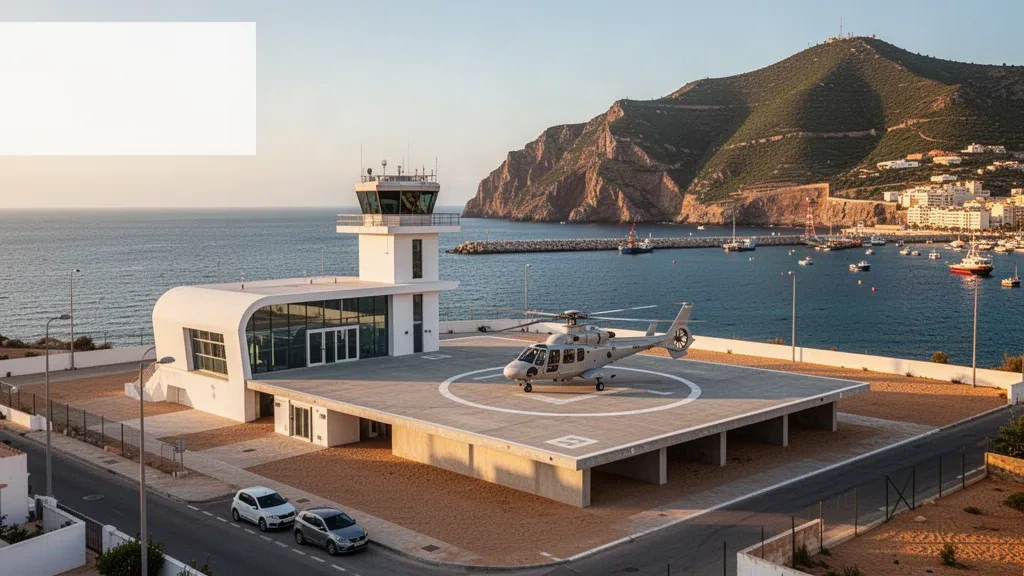
Ceuta's economy centres on its port, cross-border trade, retail and public services, and its special low-tax regime makes it a popular shopping destination. Frequent ferries to Algeciras and helicopter links to the Spanish mainland keep the city connected, and the nearby Moroccan border crossing makes it a practical stop for travellers moving between Europe and North Africa.
For visitors, Ceuta packs beach days, historic walks and a distinctive four-culture atmosphere, with Christian, Muslim, Hindu and Jewish communities, into a small, walkable area. Business travellers value its trading role, low-tax shopping and straightforward connections to mainland Spain and Morocco.
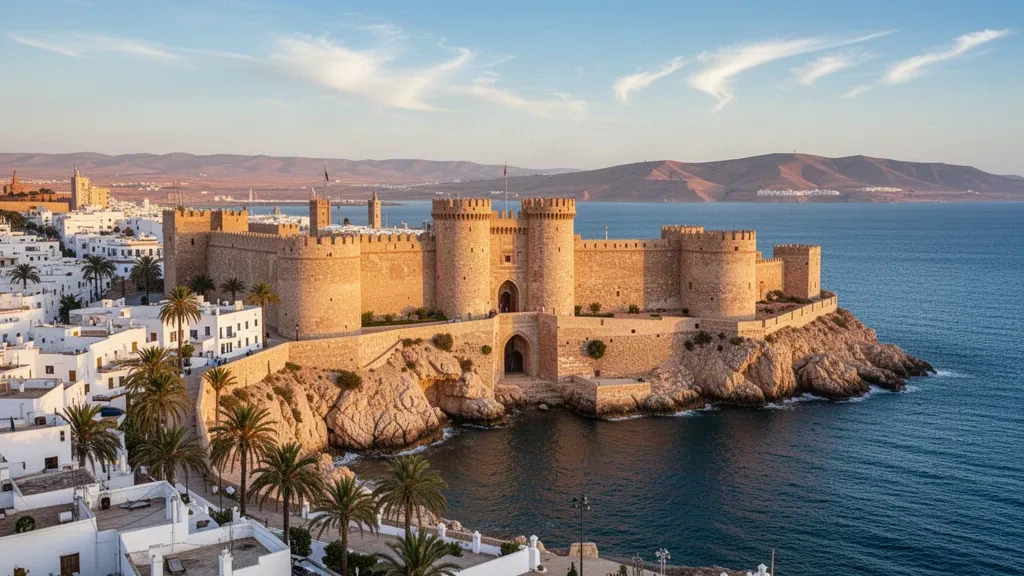
Ceuta Travel Guide
Best Time to Visit
Ceuta has a mild Mediterranean climate and can be visited year-round. Spring and early autumn are the most comfortable for sightseeing, while summer is warm and best for the beaches and the Mediterranean Maritime Park.
How to Get Around
Ceuta is small and easy to explore on foot, especially the centre, port and waterfront. Local buses and taxis cover longer trips to Mount Hacho or the Moroccan border, and car rental is useful for reaching beaches and viewpoints outside the centre.
Where to Stay
Most hotels are in the city centre near Plaza de África and the port, handy for ferries, the heliport and shopping streets. Options range from historic four-star hotels by the Royal Walls to boutiques and rural-style cabins near García Aldave mountain.
Food & Drink
Ceuta's food mixes Andalusian and North African flavours, with fresh seafood, grilled fish, couscous, tagines and sweet mint tea. The central market, beach chiringuitos and restaurants around the port and Revellín offer the best of both traditions.
Ground Transportation Services in Ceuta
Airport Transfers
Travel to Ceuta via Málaga-Costa del Sol Airport or Tangier and continue by private vehicle and ferry, or arrange door-to-door transfers from Ceuta Heliport to hotels and venues in the city.
Hourly Chauffeur
Book a private driver by the hour for business visits, shopping trips, sightseeing to Mount Hacho and the Royal Walls, or flexible travel around Ceuta and the border area.
Car Rental
Rent a car in Ceuta for independent travel around the city, beaches and viewpoints, or for cross-border journeys into Morocco and onward destinations.
Bus & Group Transfers
Arrange minibuses or charter buses for groups arriving by ferry, corporate events, shopping excursions, school trips and transfers between Ceuta, the border and other nearby destinations.
Frequently Asked Questions
Related Cities in Spain
View all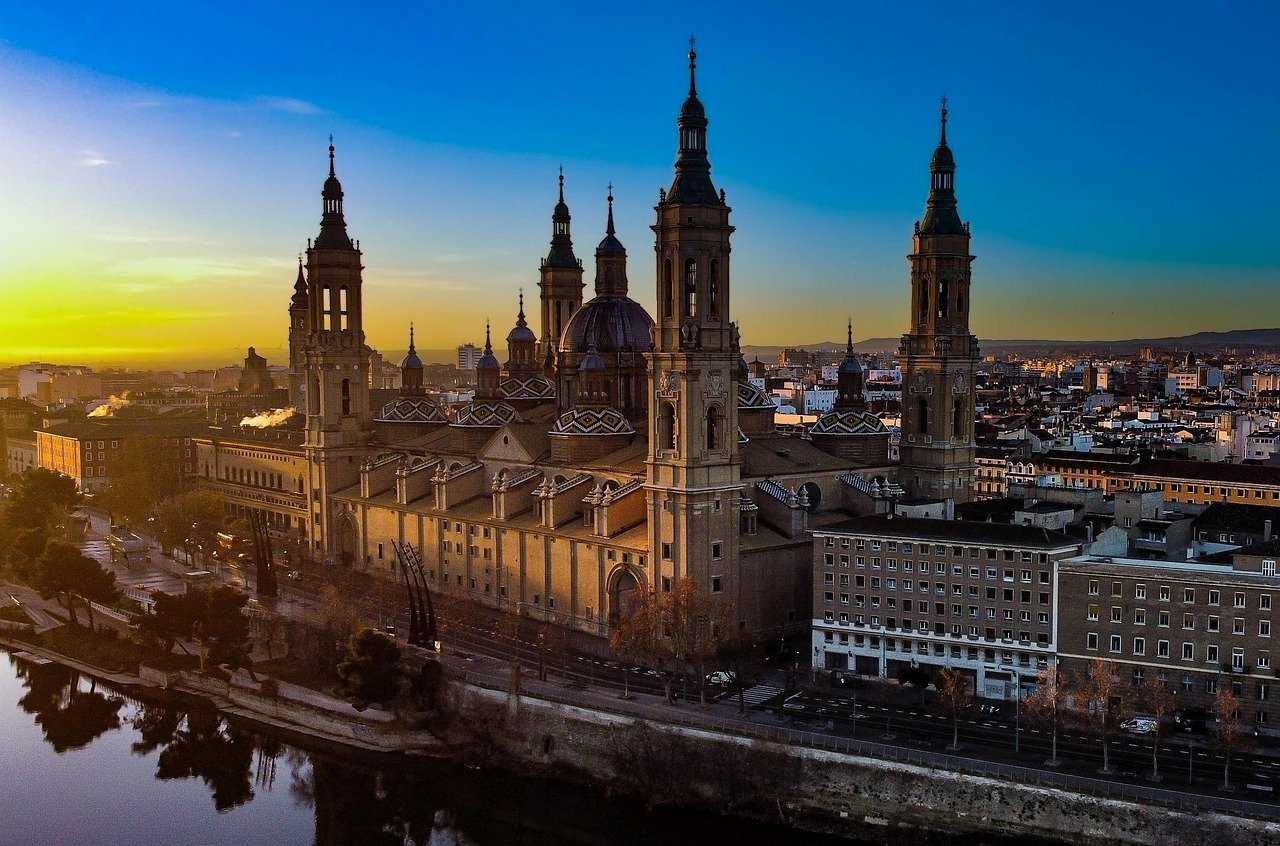
Zaragoza
Zaragoza, Aragon's lively capital on the Ebro River, pairs Roman and Mudéjar heritage with the baroque Basilica del Pilar, broad boulevards and a renowned tapas scene. Its historic center and riverside parks make it an easygoing base for exploring northeastern Spain.
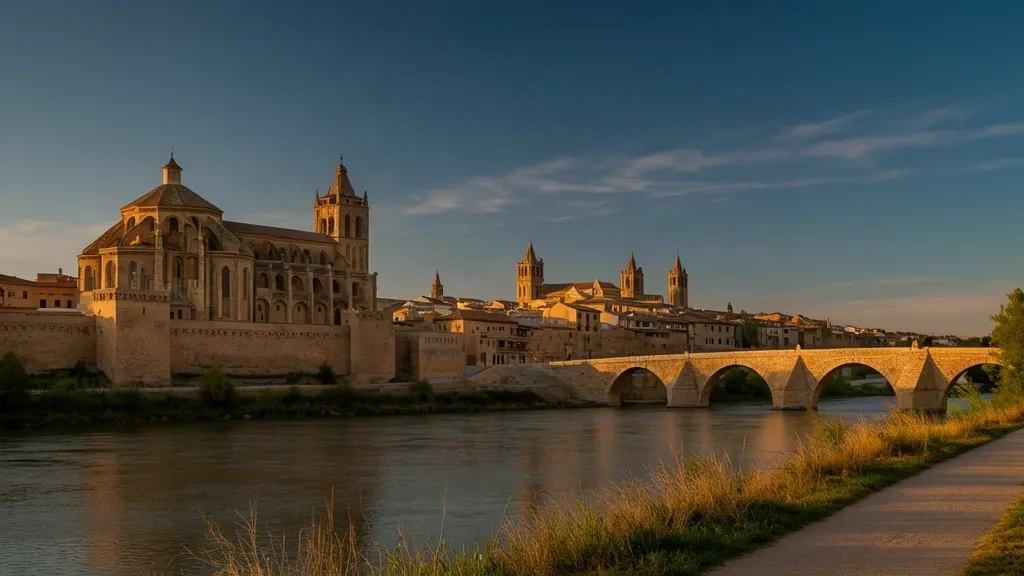
Zamora
Zamora, a historic city in northwestern Spain, is known for its Romanesque churches, medieval walls and riverside setting along the Duero. Its compact old town and Holy Week traditions give it a distinctive Castilian character.

Valladolid
Valladolid, a historic city in Spain's Castile and León region, pairs elegant architecture and a lively plaza culture with a notable university and business scene. Its Plaza Mayor and cathedral anchor a compact, walkable centre.