Araba
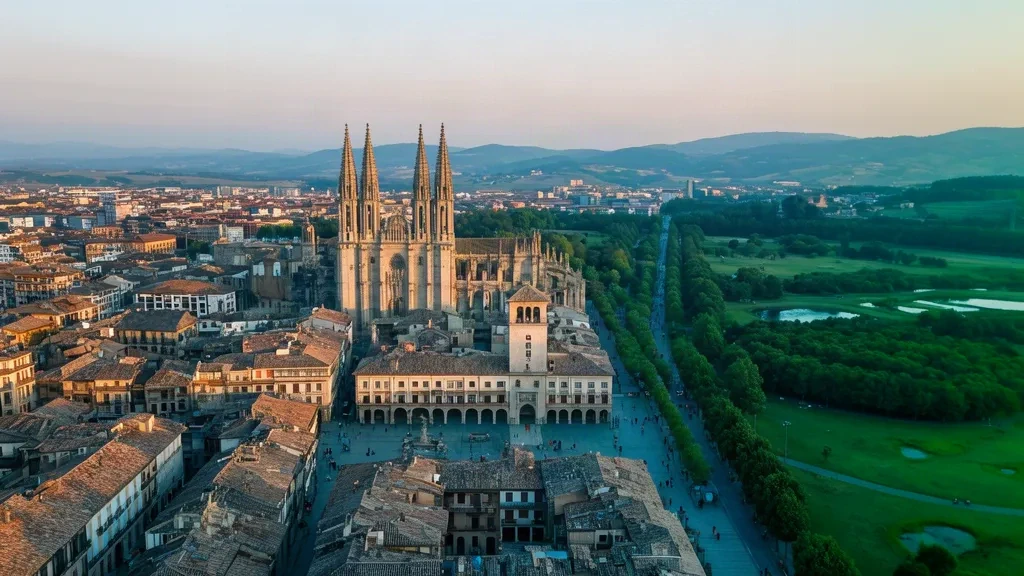
Araba, in Spain's Basque Country, blends historic towns, vineyards and a strong culinary tradition with the lively streets of Vitoria-Gasteiz and the surrounding green landscapes.
Passengers
Luggage
About Araba
Álava (Araba in Basque) is the southernmost and greenest of the three Basque provinces in northern Spain. Its capital, Vitoria-Gasteiz, anchors a region known for medieval towns, vineyards, natural parks and a strong Basque identity alongside Spanish influences.
Vitoria-Gasteiz was named European Green Capital in 2012 and is celebrated for its ring of parks, pedestrian-friendly medieval quarter and the restored Santa María Cathedral. Beyond the capital, Álava unfolds into the Rioja Alavesa wine country around Laguardia, the salt terraces of Salinas de Añana, and protected landscapes such as Gorbeia, Izki and Valderejo.
Historic villages and small towns give the province a quieter, rural character. Laguardia preserves a walled medieval core above wine cellars, while the Sanctuary of Estíbaliz and scattered Romanesque churches reflect Álava's long history as a crossroads of the Camino de Santiago and medieval trade routes.
Álava is also an economic centre within the Basque Country, with industry, logistics, agri-food and winemaking alongside a growing conference and events scene in Vitoria-Gasteiz. Its gastronomy pairs Rioja Alavesa and txakoli wines with pintxos, local cheeses and seasonal market produce.
For travellers, Álava offers a compact mix of culture, nature and gastronomy that works as well for a city break in Vitoria-Gasteiz as for slower exploration of the Basque countryside and wine routes.
Araba Travel Guide
Best Time to Visit
Spring and early autumn bring mild weather ideal for walking Vitoria-Gasteiz and exploring Rioja Alavesa. September and October are especially good for the wine harvest and village festivals, while winter is quiet and suited to museums and indoor dining.
How to Get Around
Vitoria-Gasteiz is compact and easy to explore on foot, with buses, a tram and an extensive network of cycle paths. For the wider province, car rental is the most practical option, and the A-1 and AP-1 roads connect the capital with Laguardia, Salinas de Añana and the Basque coast.
Where to Stay
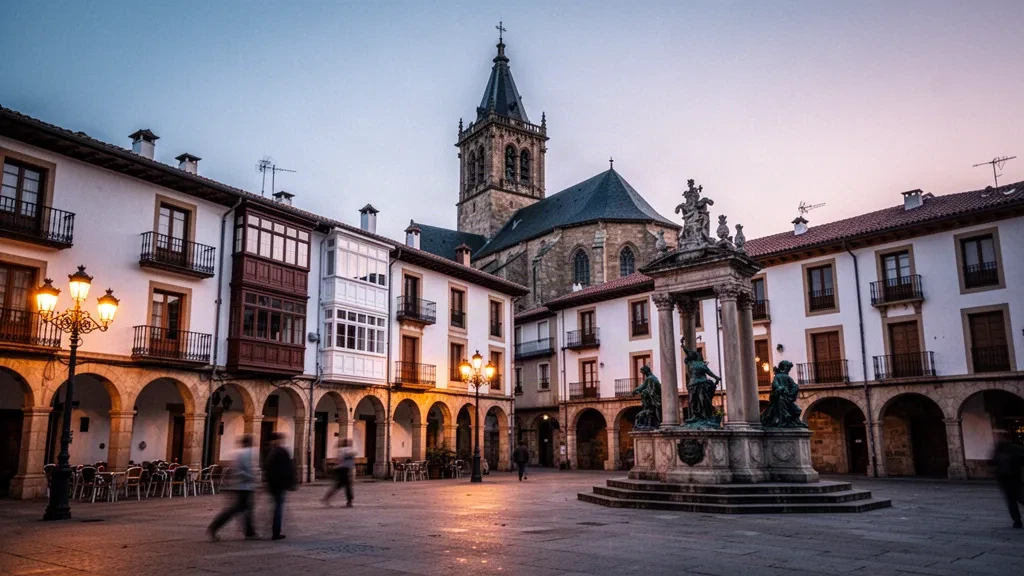
Stay in Vitoria-Gasteiz's medieval old town or the Ensanche for restaurants, shops and easy access to sights. In the wine country, Laguardia and nearby villages offer rural hotels and guesthouses with views over the Rioja Alavesa vineyards.
Food & Drink
Álava is known for Rioja Alavesa and txakoli wines, plus pintxos, Idiazabal cheese and seasonal market cooking. Try traditional Basque dishes in Vitoria-Gasteiz, tapas bars around the Plaza de la Virgen Blanca, and winery visits around Laguardia.
Ground Transportation Services in Araba
Airport Transfers
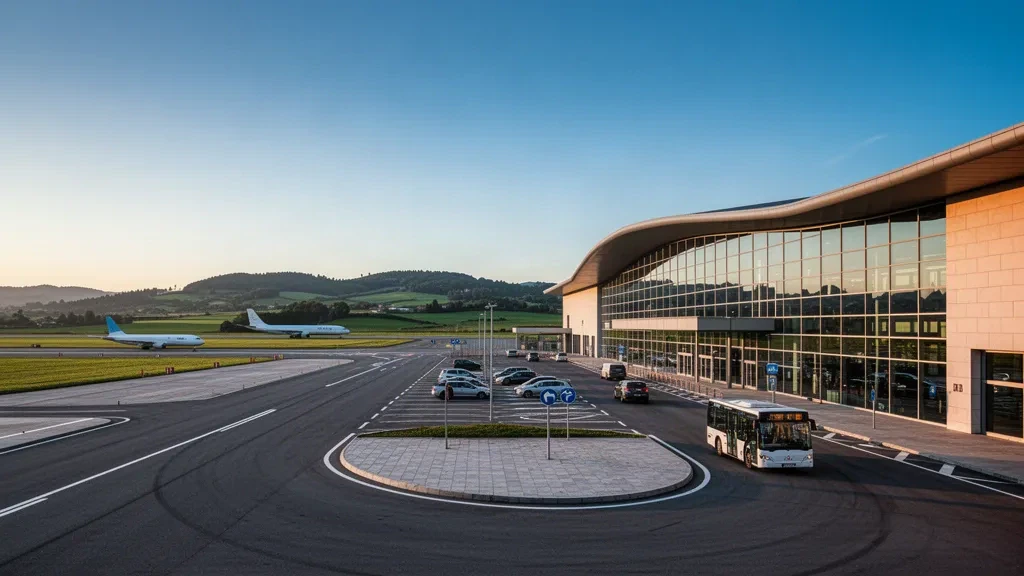
Arrange reliable transfers between Vitoria Airport, Bilbao Airport and hotels, business areas and venues across Álava.
Hourly Chauffeur
Book a private chauffeur by the hour for business meetings, wine-country visits, events and flexible travel around Vitoria-Gasteiz and the wider province.
Car Rental
Rent a car in Vitoria-Gasteiz for independent exploration of Rioja Alavesa, the natural parks and historic villages of Álava.
Bus & Group Transfers
Organise minibuses or charter buses for group travel, corporate events, congresses and tours across Álava and the Basque Country.
Frequently Asked Questions
Related Cities in Spain
View all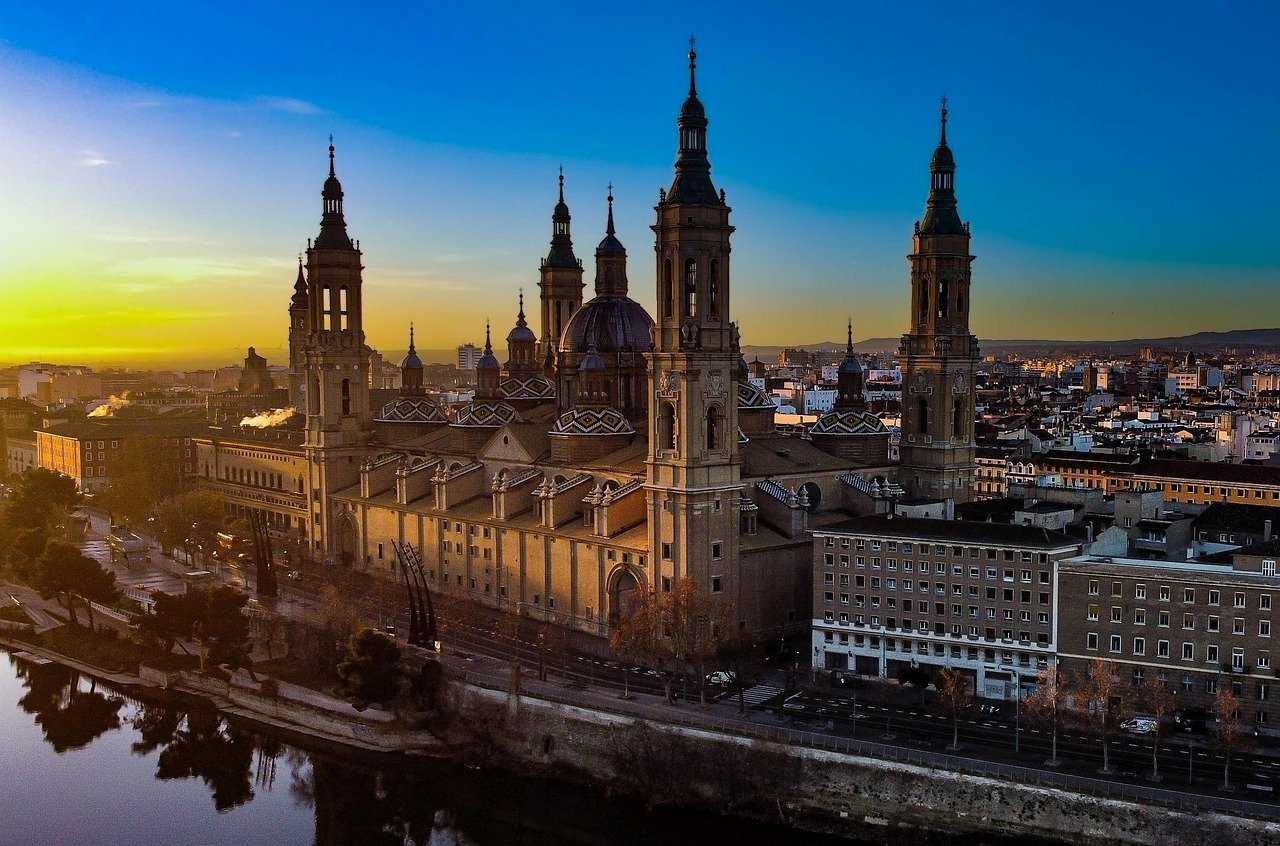
Zaragoza
Zaragoza, Aragon's lively capital on the Ebro River, pairs Roman and Mudéjar heritage with the baroque Basilica del Pilar, broad boulevards and a renowned tapas scene. Its historic center and riverside parks make it an easygoing base for exploring northeastern Spain.
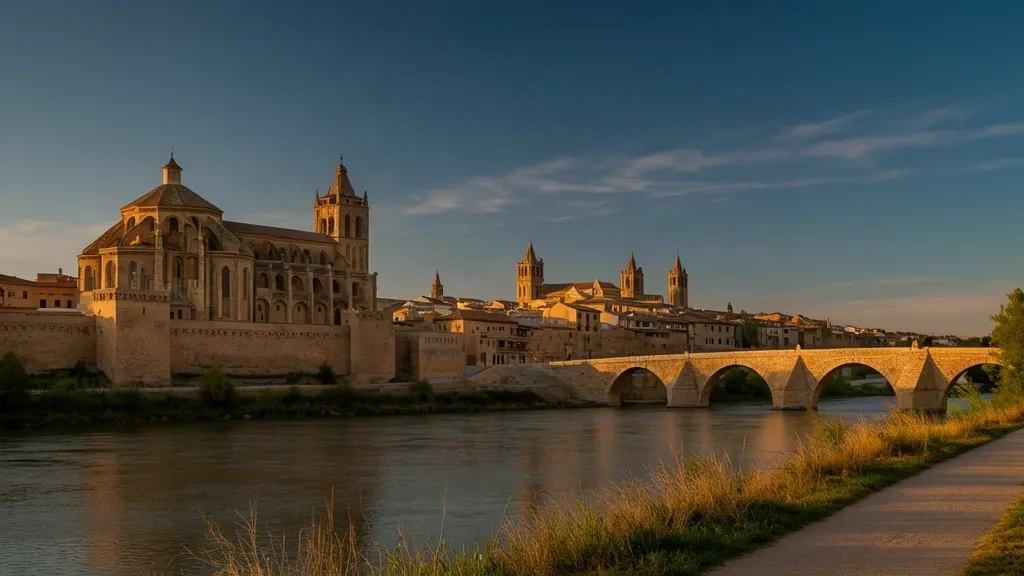
Zamora
Zamora, a historic city in northwestern Spain, is known for its Romanesque churches, medieval walls and riverside setting along the Duero. Its compact old town and Holy Week traditions give it a distinctive Castilian character.

Valladolid
Valladolid, a historic city in Spain's Castile and León region, pairs elegant architecture and a lively plaza culture with a notable university and business scene. Its Plaza Mayor and cathedral anchor a compact, walkable centre.