Saint-Louis
Saint-Louis, a UNESCO World Heritage site at the mouth of the Senegal River, is known for its colonial architecture, vibrant fishing culture and lively music scene. Once the capital of French West Africa, the city blends Atlantic history, island neighbourhoods and a distinctive Creole character.
Passengers
Luggage
About Saint-Louis
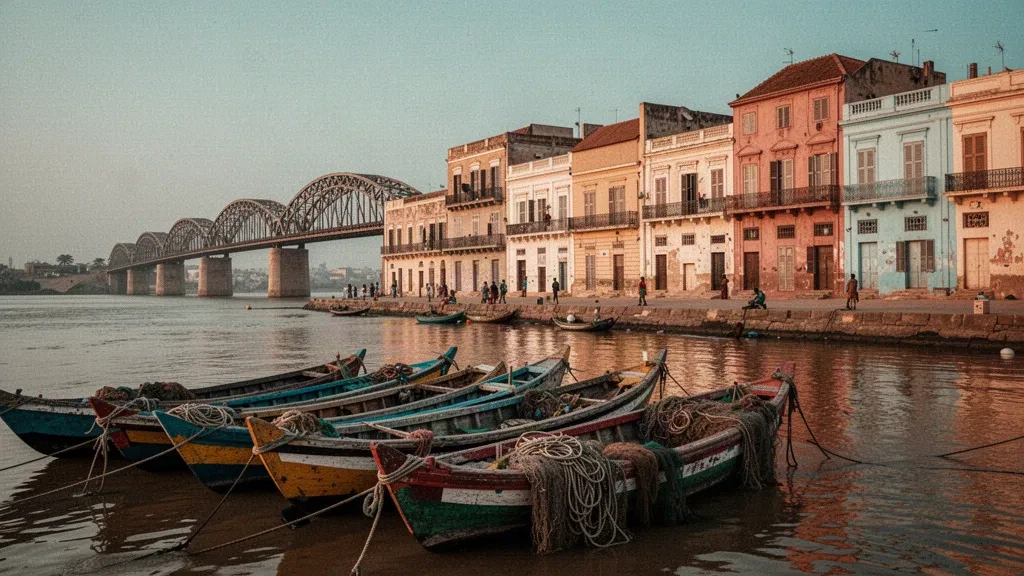
Saint-Louis, also called Ndar in Wolof, is a historic island city in northern Senegal and the capital of the Saint-Louis Region. Set where the Senegal River meets the Atlantic Ocean, it blends French colonial architecture, fishing traditions and a relaxed riverside atmosphere. Its compact old island quarter is a UNESCO World Heritage Site.
Founded as a French trading post in 1659, Saint-Louis became the capital of French West Africa in the 19th century. Narrow streets hold pastel colonial houses with wooden balconies, while landmarks include the Faidherbe Bridge, the Governor's Palace and the 19th-century cathedral.
Beyond the historic island, the districts of Sor on the mainland and Guet Ndar, a dense fishing quarter on the Langue de Barbarie peninsula, reveal everyday city life. Nearby, the Langue de Barbarie National Park and the Djoudj National Bird Sanctuary draw birdwatchers and nature visitors.
Fishing, tourism and trade anchor the local economy, and the annual Saint-Louis Jazz Festival brings international performers to the city. Cafés, riverside restaurants and craft markets give visitors a relaxed base between the river and the coast.
Saint-Louis appeals to leisure travellers seeking heritage and nature and to business and event visitors working in regional trade, agriculture and tourism.
Saint-Louis Travel Guide
Best Time to Visit
The dry season from November to April offers the most comfortable weather for sightseeing, river trips and nature visits. The Saint-Louis Jazz Festival, usually held in May, is a major cultural highlight, while the rainy season from July to October brings heat and humidity.
How to Get Around
The compact island is best explored on foot, and horse-drawn calèches offer a traditional way to tour the historic streets. Shared taxis and minibuses connect the island with Sor, Guet Ndar and the mainland, while private transfers and rental cars help with day trips to Djoudj or the Langue de Barbarie.
Where to Stay
The island's converted colonial houses host guesthouses and small hotels close to cafés and landmarks. Sor on the mainland offers simpler, more affordable lodging, while the Langue de Barbarie peninsula has beach-oriented hotels and lodges.
Food & Drink
Saint-Louis is known for fresh river and Atlantic fish, with thiéboudienne, Senegal's fish-and-rice national dish, widely served. Try grilled fish in Guet Ndar, riverside cafés on the island, sweet thiakry dessert and coffee with café Touba.
Ground Transportation Services in Saint-Louis
Airport Transfers
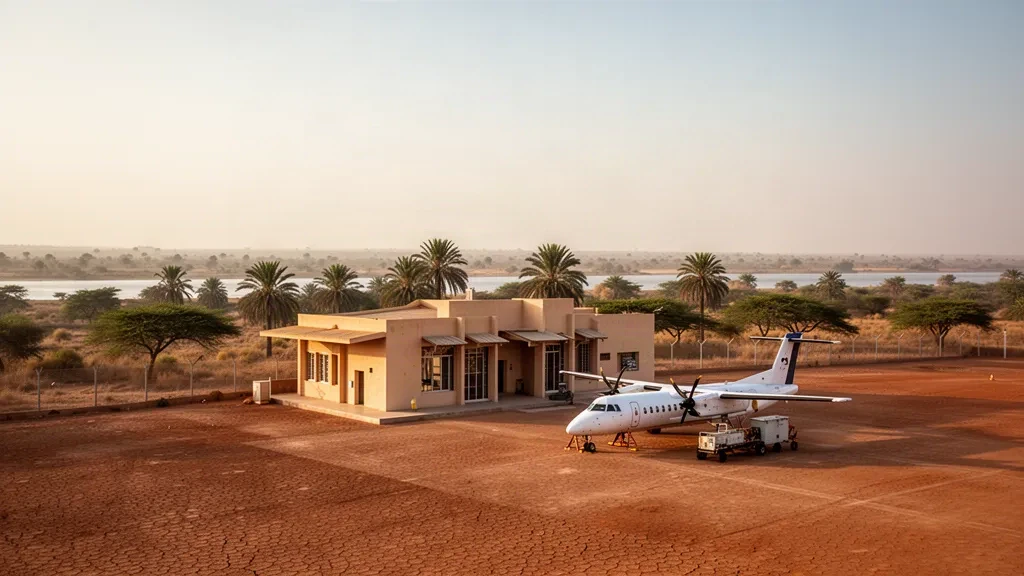
Travel between Saint-Louis Ousmane Masseck Ndiaye International Airport and hotels, the island quarter, Sor, Guet Ndar and other destinations across the city.
Hourly Chauffeur
Book a private driver by the hour for business meetings, festival events, sightseeing and flexible travel around Saint-Louis and nearby attractions.
Car Rental
Rent a car in Saint-Louis for independent travel around the city and day trips to Djoudj National Bird Sanctuary or the Langue de Barbarie.
Bus & Group Transfers
Arrange minibuses or charter buses for groups, corporate travel, events, airport transfers and tours in and around Saint-Louis.
Frequently Asked Questions
Related Cities in Senegal
View all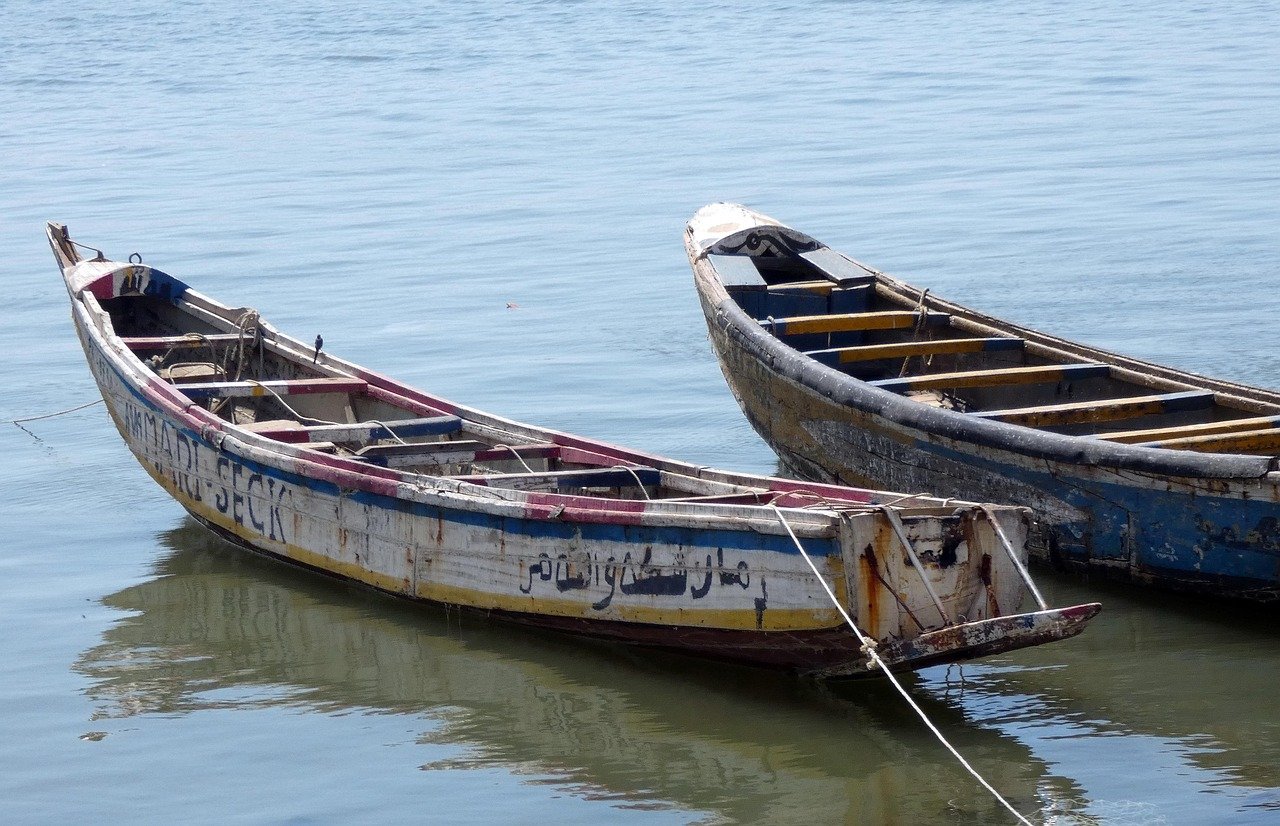
Ziguinchor
Ziguinchor, the capital of Senegal's Casamance region, sits on the Casamance River and blends colonial-era architecture, busy markets and a relaxed riverside atmosphere. It is a cultural and economic hub for southern Senegal and a common base for exploring the region's forests, waterways and nearby coast.
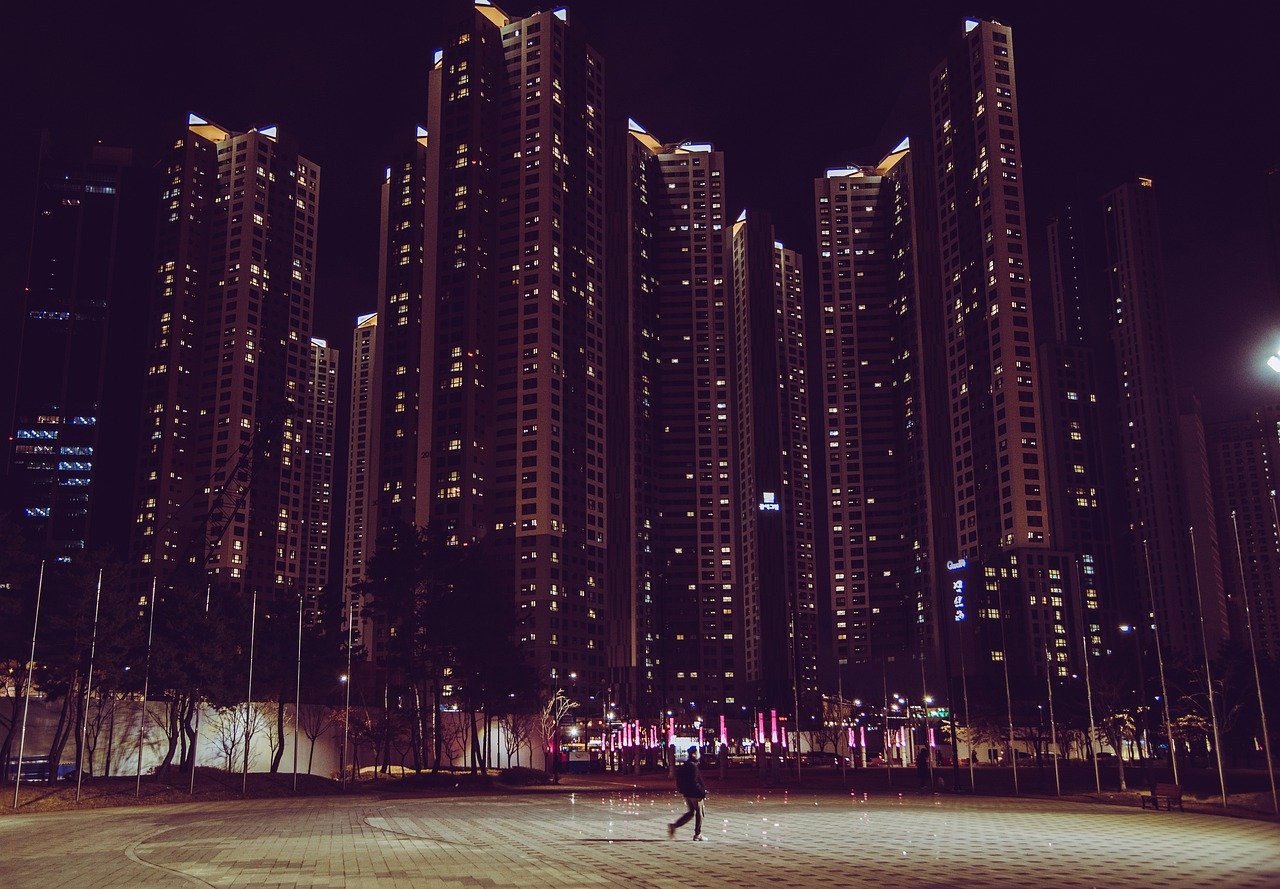
Thiès
Thiès, a historic railway hub in western Senegal, blends bustling markets, tapestry workshops and colonial-era architecture with a lively cultural calendar near the Petite Côte beaches.
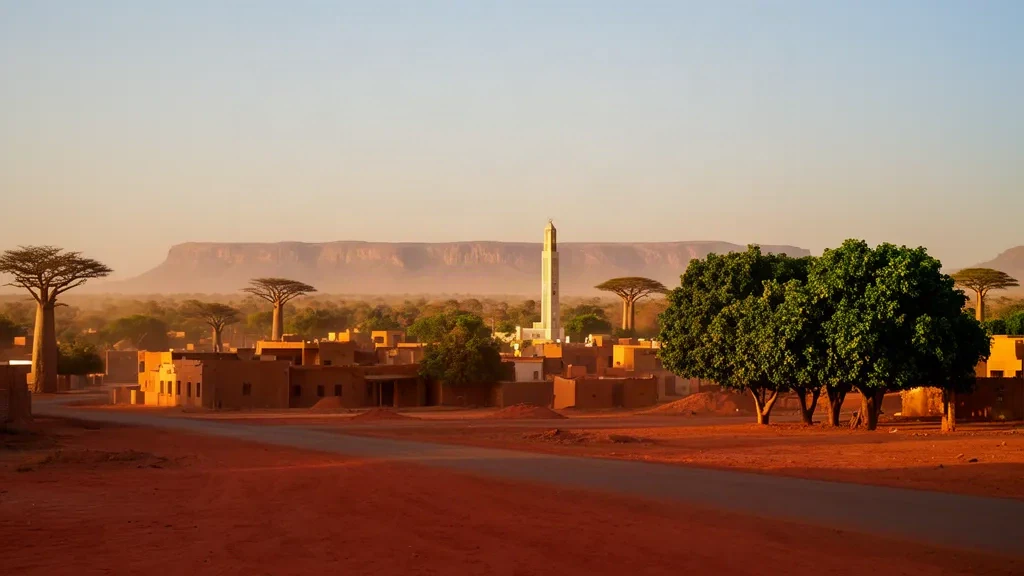
Tambacounda
Tambacounda, eastern Senegal's largest city and a historic crossroads, is the gateway to Niokolo-Koba National Park, with vibrant markets and a blend of Pulaar, Mandinka and Wolof traditions.