Matam
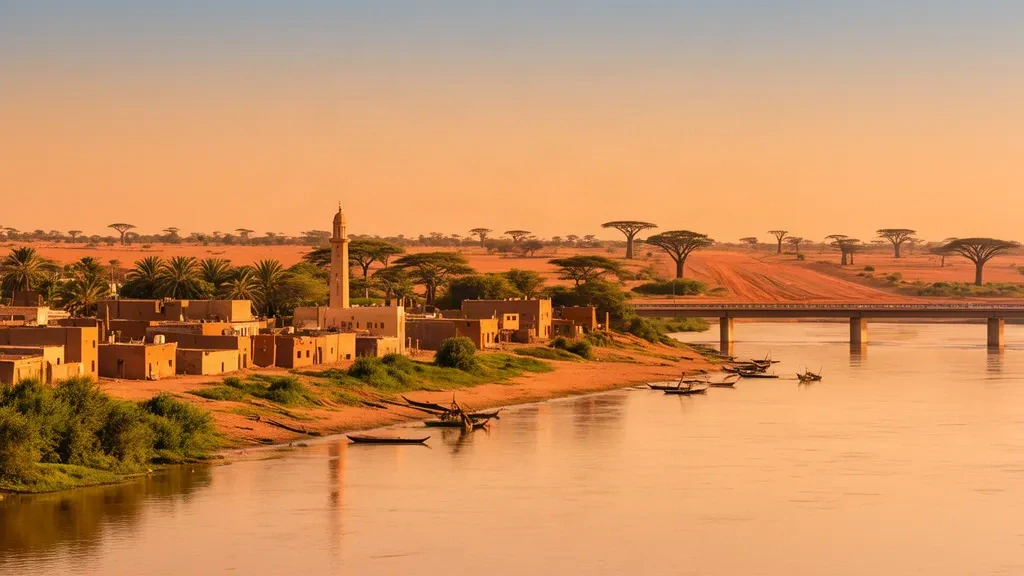
Matam, a historic river town in northeastern Senegal, lies on the Senegal River and reflects the Fulani heritage of the Fouta Toro region through its markets, architecture and riverside life.
Passengers
Luggage
About Matam
Matam is the capital of Senegal's northeastern Matam Region, set on the southern bank of the Senegal River opposite Mauritania. A modest, laid-back river town, it serves as an administrative and agricultural hub for the surrounding Fouta Toro countryside and offers travellers an unpolished view of daily life in the Sahelian river valley.
The town traces its origins to around 1512, when it was founded by Boubou Samba Gaye, and later developed under French colonial rule, gaining a school in 1918 and commune status in 1952. Its heritage blends Pulaar (Fulani) traditions with colonial-era buildings, including the old governorate and a mud-brick Great Mosque, while the nearby town of Ouro Sogui anchors transport and commerce.
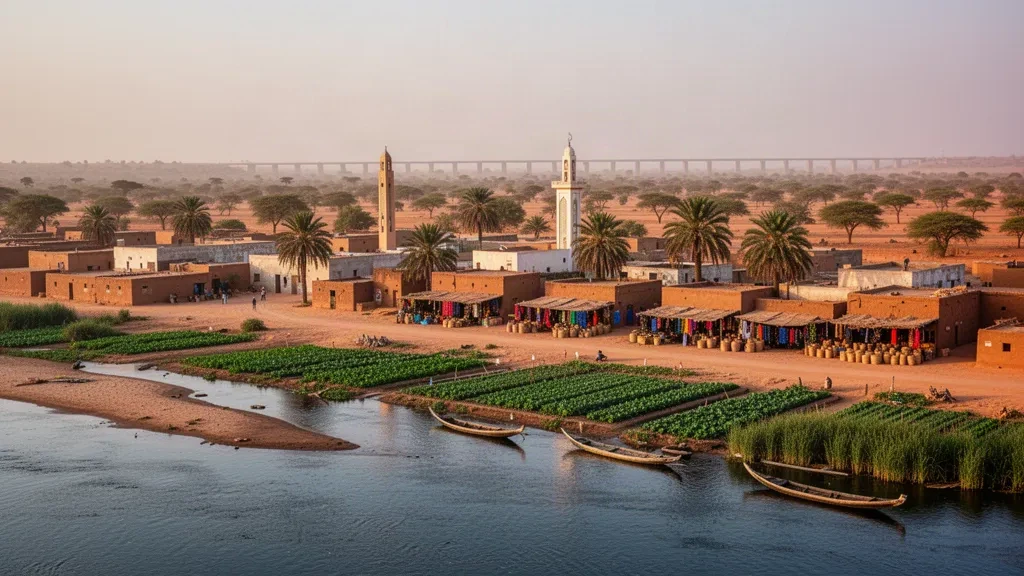
Matam's main draw is its riverfront setting. The central market looks out over the Senegal River, and short walks along the banks reveal fishing activity, gardens and views toward Mauritania. Nearby historic sites such as the 17th-century mosque at Kobilo, the mausoleum of Abdel Kader and the residence of El Hadj Omar Tall at Oréfondé reflect the region's deep Islamic and cultural history.
Life here revolves around agriculture, livestock and trade in rice, millet, sorghum, tomatoes, onions and okra, with commerce concentrated in Matam and Ouro Sogui. The town is more of a functional regional centre than a nightlife destination, but its markets, tea stalls and riverside calm give it a distinct, authentic rhythm.
For travellers, Matam is a gateway to the Fouta Toro and a practical stop on overland routes through northern Senegal or toward Mauritania. Business visitors are drawn mainly by regional administration, agriculture and development work, while independent travellers come for the river, markets and a slower pace far from Dakar's crowds.
Matam Travel Guide
Best Time to Visit
The cooler dry season from November to February is the most comfortable time to visit Matam, with lower temperatures and little rain. March to May can be very hot, while the rainy season from June to October brings humidity and makes some rural roads harder to travel.
How to Get Around
Within Matam, visitors can walk between the market, mosque and riverfront, or use local taxis and horse-drawn calèches for short trips. Shared taxis and buses from the Ourossogui garage connect Matam with Ouro Sogui and other towns in the region.
Where to Stay
Accommodation is limited but concentrated in Matam town and nearby Ouro Sogui, where small hotels and guesthouses offer basic comfort. Staying near the river or close to the Ourossogui transport hub is practical for onward travel.
Food & Drink
Local food centres on Pulaar and Senegalese staples such as rice, millet, river fish, grilled meat and vegetable sauces, often flavoured with tomatoes and okra. The central market, small restaurants and roadside tea stalls are the best places to eat and meet locals.
Ground Transportation Services in Matam
Airport Transfers
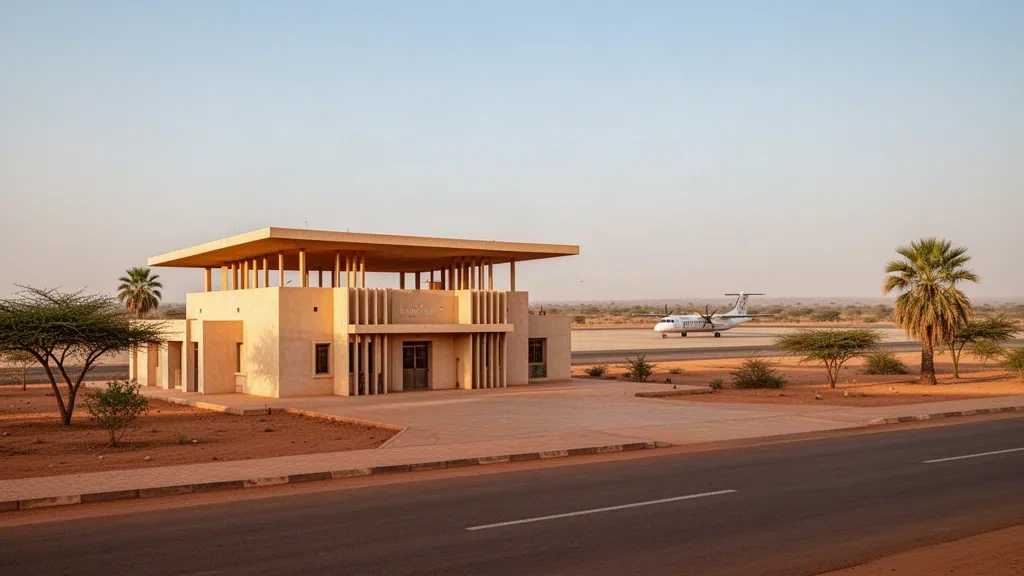
Travel between Ouro Sogui Airport and hotels, guesthouses and meeting points in Matam, Ouro Sogui and the wider Matam Region.
Hourly Chauffeur
Book a private driver by the hour for business visits, meetings, market trips and flexible travel around Matam and nearby towns.
Car Rental
Rent a car in Matam for independent travel through the river valley and convenient journeys to Ouro Sogui and surrounding communities.
Bus & Group Transfers
Arrange minibuses or charter buses for group travel, events, airport pickups, school or corporate trips and guided tours in the Matam area.
Frequently Asked Questions
Related Cities in Senegal
View all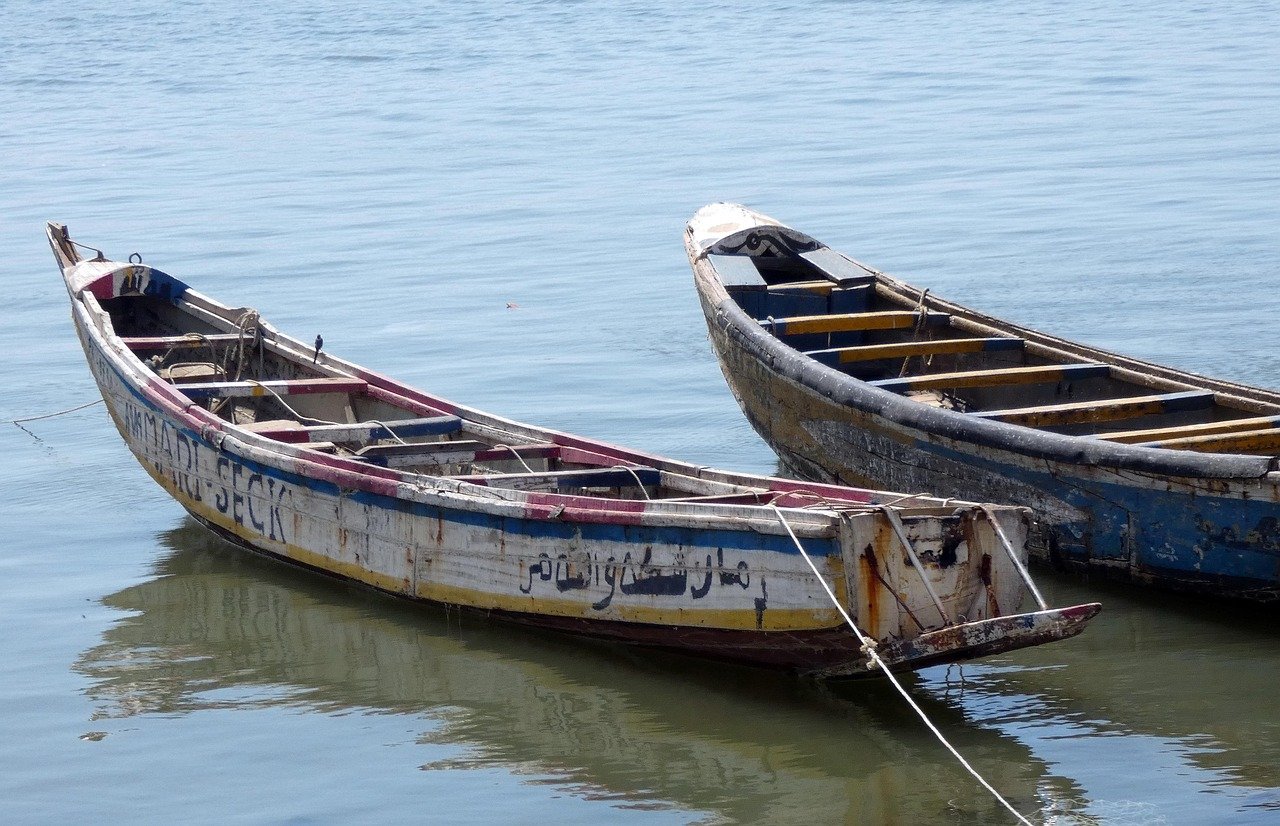
Ziguinchor
Ziguinchor, the capital of Senegal's Casamance region, sits on the Casamance River and blends colonial-era architecture, busy markets and a relaxed riverside atmosphere. It is a cultural and economic hub for southern Senegal and a common base for exploring the region's forests, waterways and nearby coast.
Thiès
Thiès, a historic railway hub in western Senegal, blends bustling markets, tapestry workshops and colonial-era architecture with a lively cultural calendar near the Petite Côte beaches.
Tambacounda
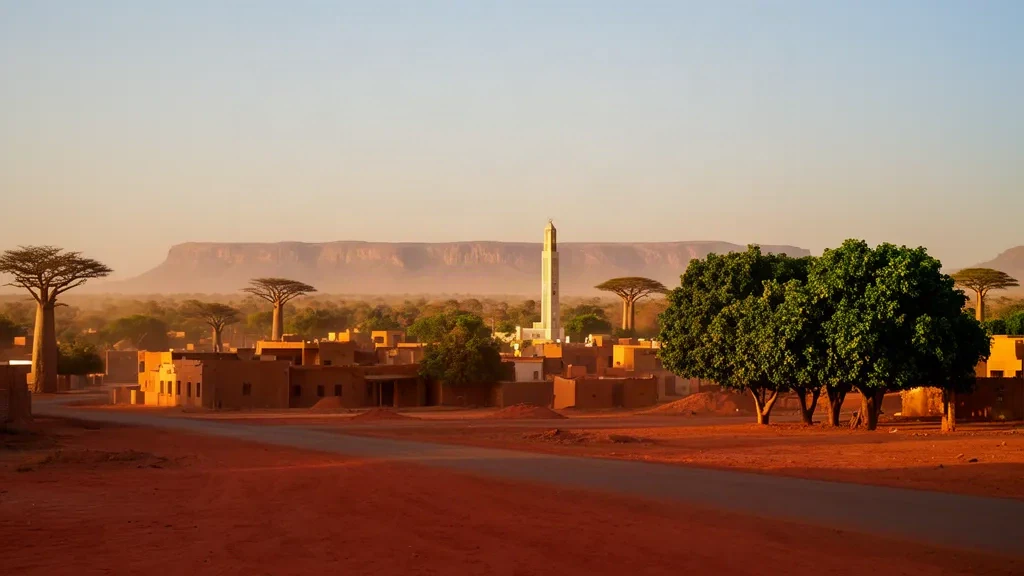
Tambacounda, eastern Senegal's largest city and a historic crossroads, is the gateway to Niokolo-Koba National Park, with vibrant markets and a blend of Pulaar, Mandinka and Wolof traditions.