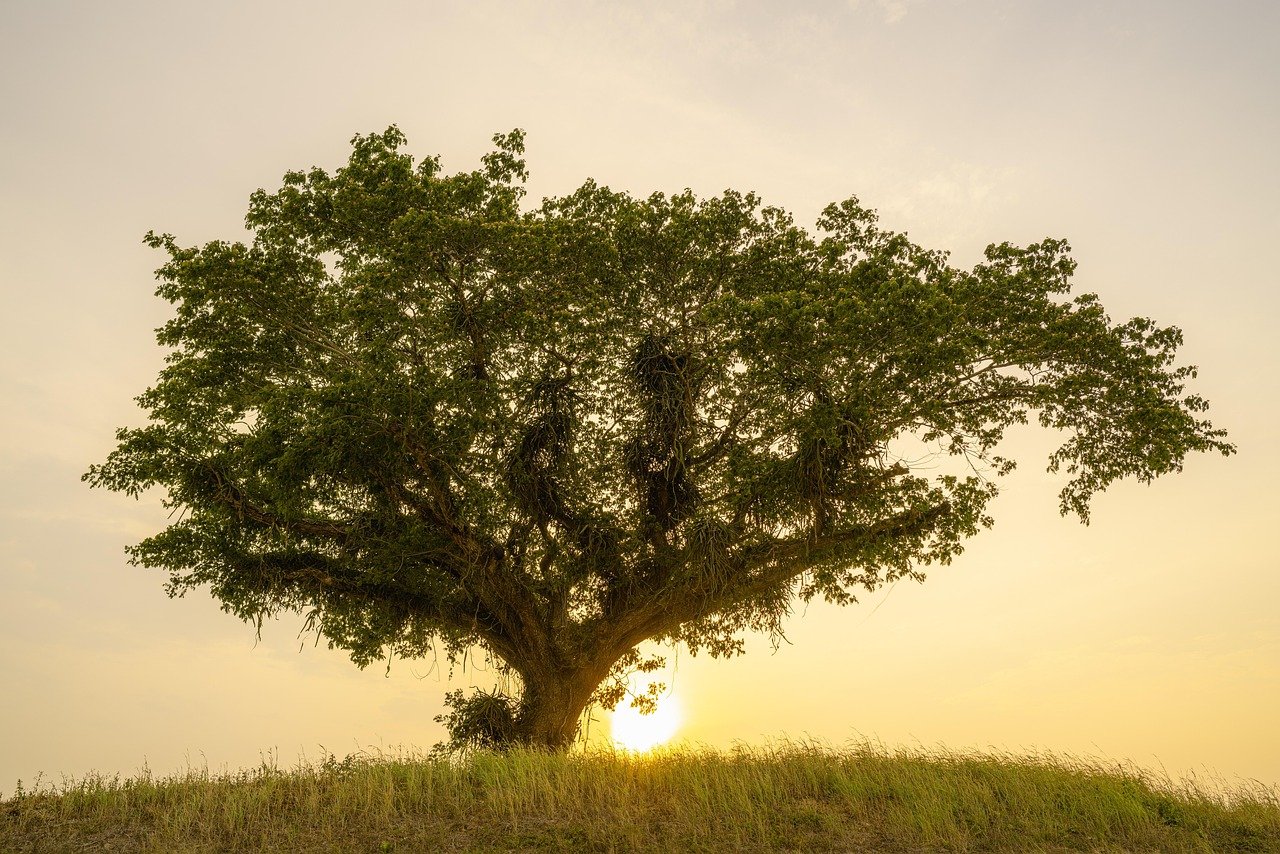
Kédougou
Kédougou, in southeastern Senegal near the Malian and Guinean borders, is a lively crossroads of Bassari, Bedik and Fula cultures set among hills, savanna and the Falémé River valley. It is a gateway to Dindefelo Falls and the Bassari Country, a UNESCO World Heritage site.
Passengers
Luggage
About Kédougou
Kédougou is the capital of Senegal's south-eastern region of the same name, set close to the borders with Guinea and Mali. A compact trading town on the upper Gambia River, it serves as the main gateway to Senegal's wilder eastern landscapes, from forested hills and waterfalls to the savannah of Niokolo-Koba National Park.
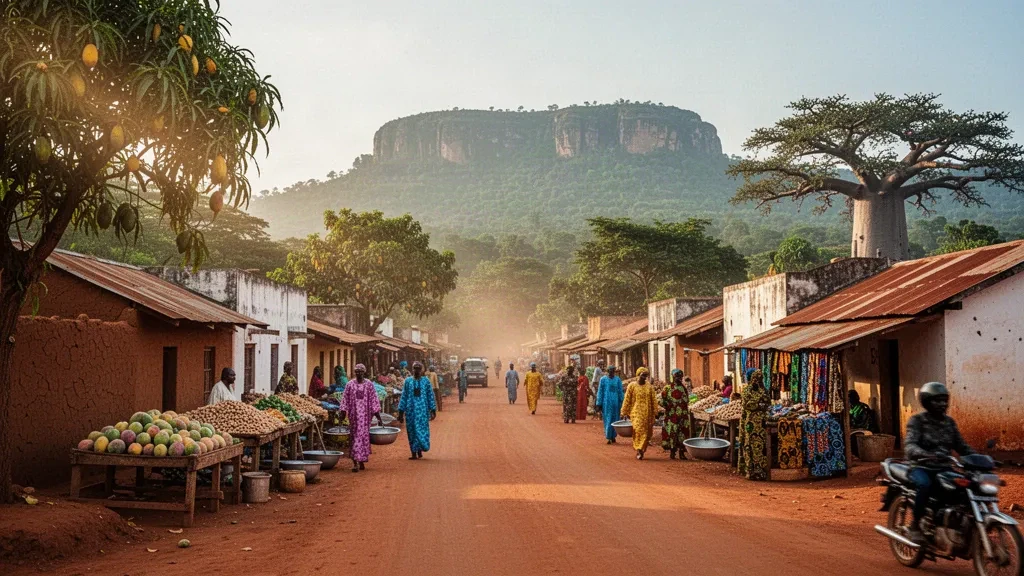
Long a stopping point on regional trade routes, Kédougou has grown rapidly in recent decades around gold mining, cross-border commerce and agriculture. Its busy central market reflects that mix, while the surrounding countryside is shaped by small farming villages, artisanal gold-panning sites and newer industrial mining operations.
The town itself is a practical base rather than a monument-filled destination. Visitors typically use Kédougou to reach Dindéfelo waterfall and the Dent de Dandé about 30 kilometres away, the UNESCO-listed Niokolo-Koba National Park to the north-west, and the traditional Bassari and Bedik villages such as Bandafassi and Ethiolo that form the Bassari Country cultural landscape.
Nature and culture are the main draws here. The Kédougou Bioparc on the Gambia River offers an easily reached taste of gallery forest, while guided treks and mountain-bike routes fan out into the Fouta Djalon foothills. Local markets, honey, mangoes and Senegalese cooking add a lighter, everyday side to the visit.
Kédougou's relevance is growing for both leisure travellers seeking off-the-beaten-track adventure and business visitors linked to the mining economy, logistics and cross-border trade. It rewards unhurried planning, since distances are long, roads can be rough in the rainy season and the region's appeal lies in its landscapes and communities rather than urban sights.
Kédougou Travel Guide
Best Time to Visit
The dry season from November to May is the most practical time to visit, with November to February offering the mildest temperatures. The rainy season from June to October brings heavy downpours that can make rural tracks and park roads difficult, though the landscape becomes intensely green.
How to Get Around
Kédougou town is compact and easy to explore on foot or by moto-taxi, while shared taxis and sept-place vehicles connect it with Tambacounda and nearby towns. For waterfalls, villages and national park tracks, a 4x4 with a local driver is strongly recommended, especially during the rainy season.
Where to Stay
The town has a small range of hotels, guesthouses and riverside lodges, while Kédougou Bioparc offers an ecolodge in gallery forest beside the Gambia River. Further afield, campements in Bassari villages such as Ethiolo and lodges around Niokolo-Koba National Park provide more immersive stays.
Food & Drink
Kédougou offers Senegalese staples such as thieboudienne, yassa chicken and grilled fish, alongside rice dishes, peanuts, mangoes and the region's distinctive honey. Market stalls, simple restaurants and guesthouse kitchens are the main places to eat, with grilled meat and roadside cafés common around the centre.
Ground Transportation Services in Kédougou
Airport Transfers
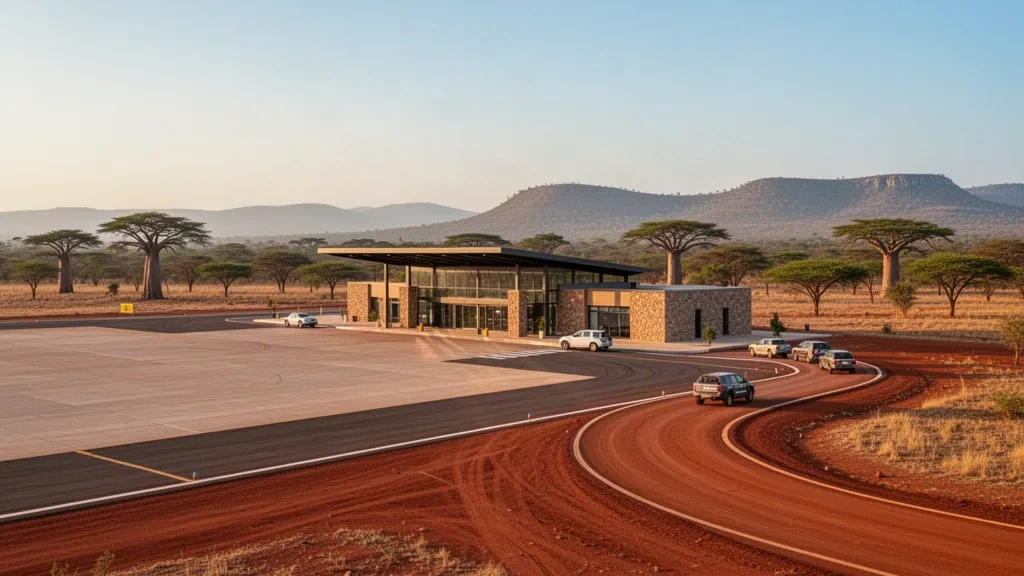
Travel between Kédougou Airport and hotels in town, guesthouses, mining sites, the Bioparc and lodges around Niokolo-Koba National Park.
Hourly Chauffeur
Book a private chauffeur by the hour for business visits to mining operations, sightseeing trips to Dindéfelo waterfall and flexible travel around the Kédougou region.
Car Rental
Rent a vehicle in Kédougou, with 4x4 options recommended for independent journeys on unpaved tracks to Niokolo-Koba National Park, Bassari villages and surrounding attractions.
Bus & Group Transfers
Arrange minibuses or charter buses for group tours to Niokolo-Koba and Bassari Country, corporate travel, airport pickups and multi-day excursions from Kédougou.
Frequently Asked Questions
Related Cities in Senegal
View all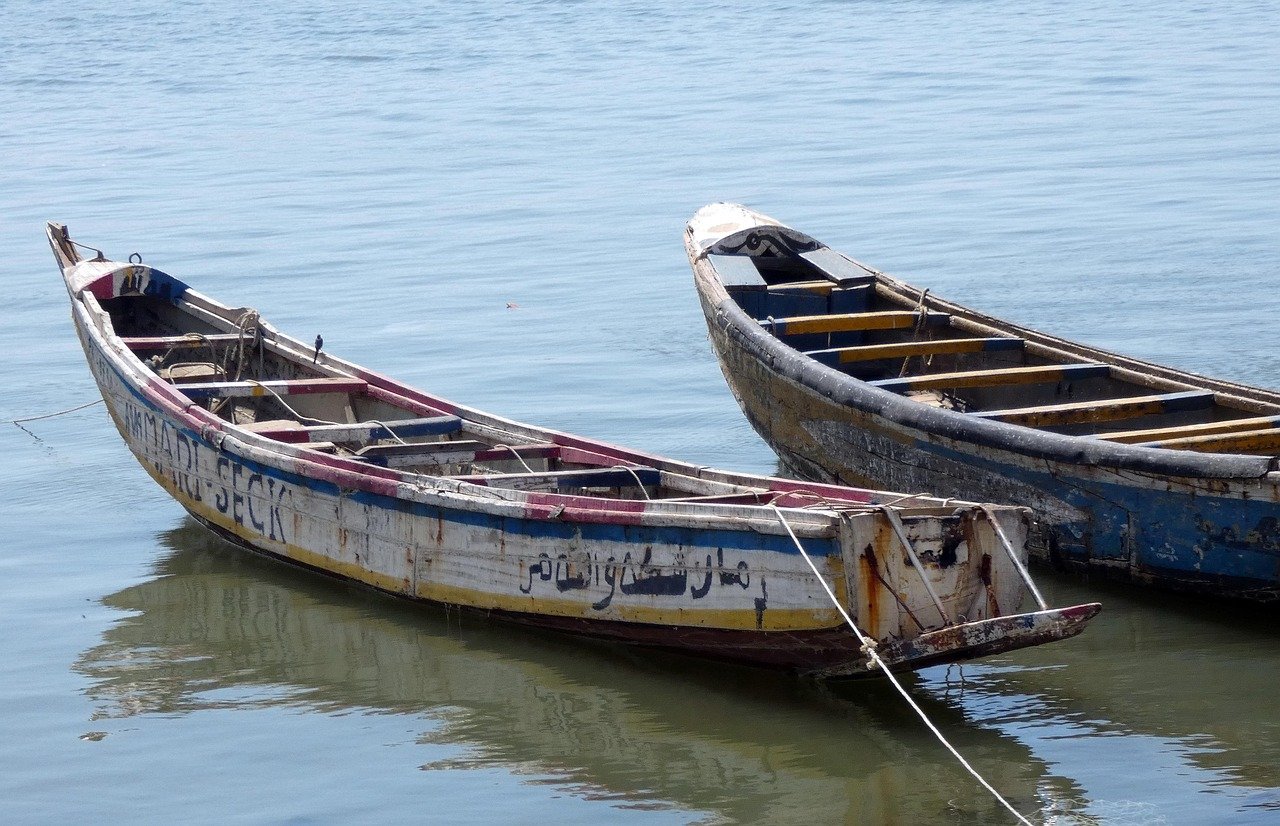
Ziguinchor
Ziguinchor, the capital of Senegal's Casamance region, sits on the Casamance River and blends colonial-era architecture, busy markets and a relaxed riverside atmosphere. It is a cultural and economic hub for southern Senegal and a common base for exploring the region's forests, waterways and nearby coast.
Thiès
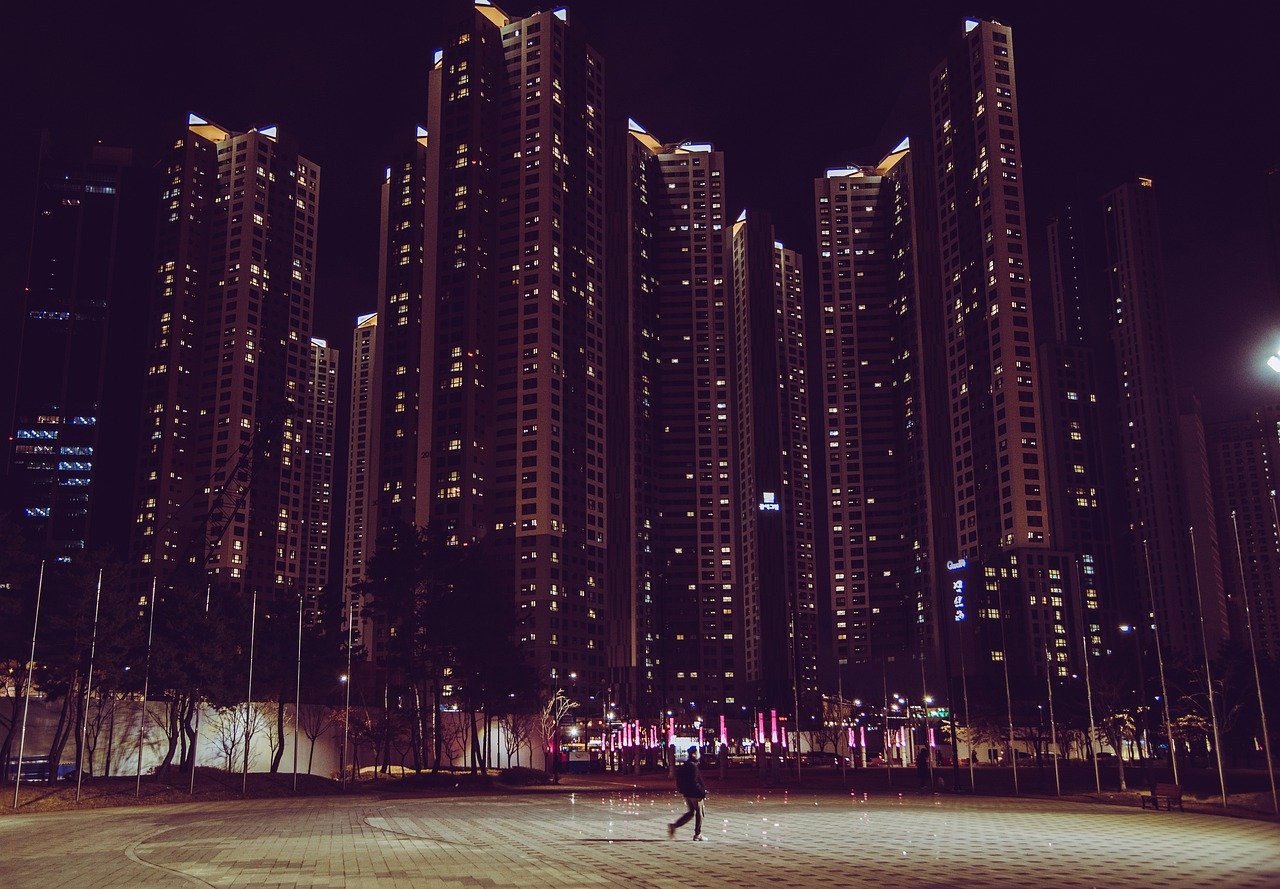
Thiès, a historic railway hub in western Senegal, blends bustling markets, tapestry workshops and colonial-era architecture with a lively cultural calendar near the Petite Côte beaches.
Tambacounda
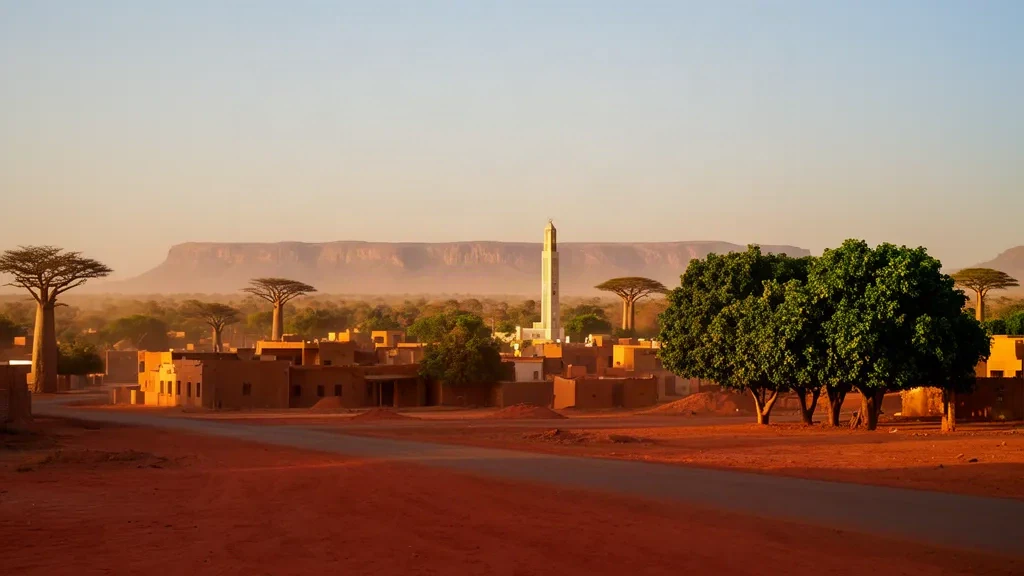
Tambacounda, eastern Senegal's largest city and a historic crossroads, is the gateway to Niokolo-Koba National Park, with vibrant markets and a blend of Pulaar, Mandinka and Wolof traditions.