Saint-Pierre
Saint-Pierre, capital of the French archipelago of Saint Pierre and Miquelon, is a compact harbour town known for colourful wooden houses, maritime history and a distinctly French character on the North Atlantic.
Passengers
Luggage
About Saint-Pierre and Miquelon
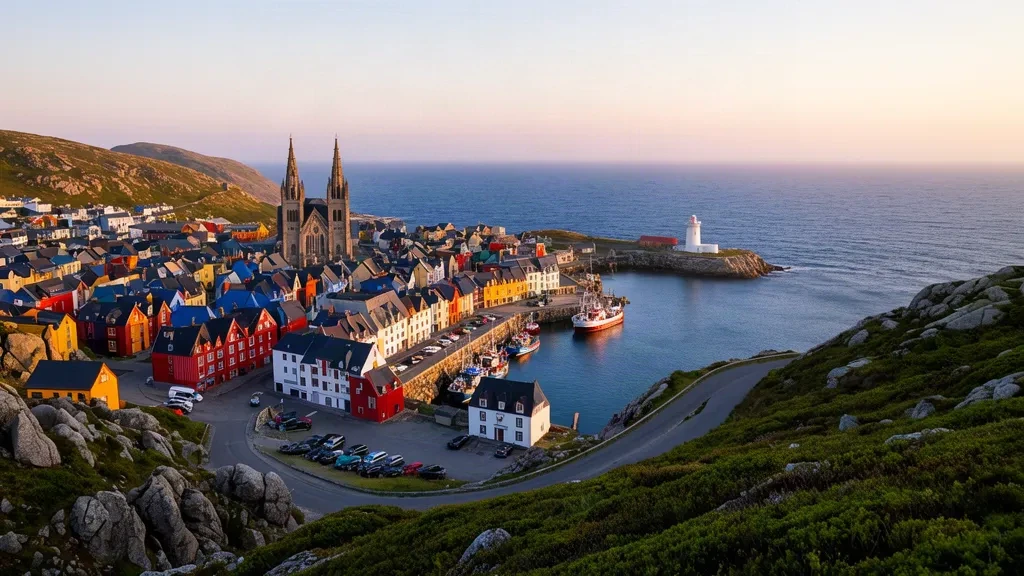
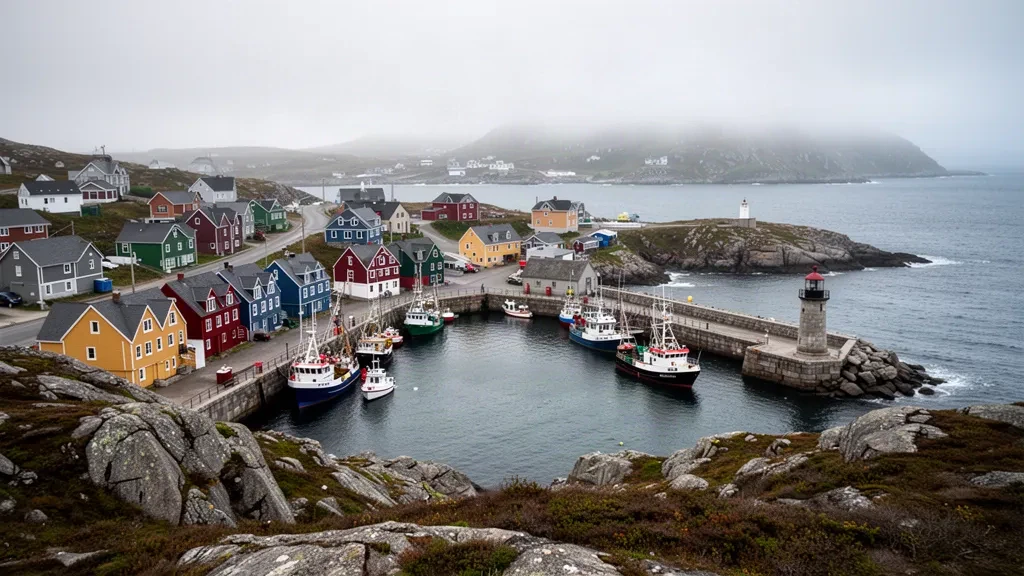
Saint-Pierre is the capital and main port of Saint Pierre and Miquelon, a small French overseas collectivity in the North Atlantic about 25 km south of Newfoundland. Colourful wooden houses rise from a sheltered harbour toward low hills, giving the town a distinctly French maritime character that sets it apart from nearby Canada.
The town's history is closely tied to fishing and to France's presence in North America. After French settlement and later Acadian resettlement in the early 1800s, Saint-Pierre grew around the cod fisheries of the Grand Banks. The Prohibition era of the 1920s brought a brief boom, when the islands served as a smuggling base for alcohol bound to the United States and Canada, a story still told in local museums.
Key landmarks include Saint-Pierre Cathedral, the Musée de l'Arche with its Prohibition and island exhibits, the Musée Héritage, the Pointe aux Canons lighthouse and the colourful Fronton Zazpiak Bat, a Basque handball court in the town centre. The nearby Île aux Marins, reached by boat, preserves a historic fishing settlement with old houses, a school and a small museum.
The compact centre is easy to explore on foot, with French bakeries, cafés, seafood restaurants and shops along its harbour streets. Local life revolves around the port, fishing, and French customs such as pelota, festivals and national holidays.
For travellers, Saint-Pierre is a practical base for visiting both islands and a distinctive destination that combines French language, cuisine and administration with a rugged North Atlantic setting. It suits leisure visitors interested in history, nature and food, as well as a smaller number of business and government travellers.
Saint-Pierre and Miquelon Travel Guide
Best Time to Visit
Summer, from June to September, brings the mildest weather and is the best season for walking, boat trips and visiting Île aux Marins. Spring and early autumn can be cool and windy, while winter brings fog, rain and quieter streets.
How to Get Around
Saint-Pierre town is compact and walkable, with taxis available for short trips and a small number of car rental options. Air Saint-Pierre flights and ferries connect Saint-Pierre with Miquelon, and boat tours serve Île aux Marins.
Where to Stay
Most hotels and guesthouses are located in the town centre near the harbour, within walking distance of shops, cafés and attractions. Booking ahead is advisable, especially in summer when room availability is limited.
Food & Drink
French cuisine and Atlantic seafood shape the food scene, with cod, scallops, snow crab and local pastries on many menus. Bakeries, cafés and harbour-side restaurants offer fresh bread, French wine and traditional island dishes.
Ground Transportation Services in Saint-Pierre and Miquelon
Airport Transfers
Travel between Saint-Pierre Pointe-Blanche Airport and hotels, guesthouses or the harbour area in the town centre of Saint-Pierre.
Hourly Chauffeur
Book a private driver by the hour for sightseeing, business visits and flexible travel around Saint-Pierre and points across the island.
Car Rental
Rent a car in Saint-Pierre for independent travel across the island and convenient access to viewpoints and coastal roads.
Bus & Group Transfers
Arrange minibuses or charter vehicles for groups, cruise excursions, events and coordinated transfers on Saint-Pierre island.