Ngiwal
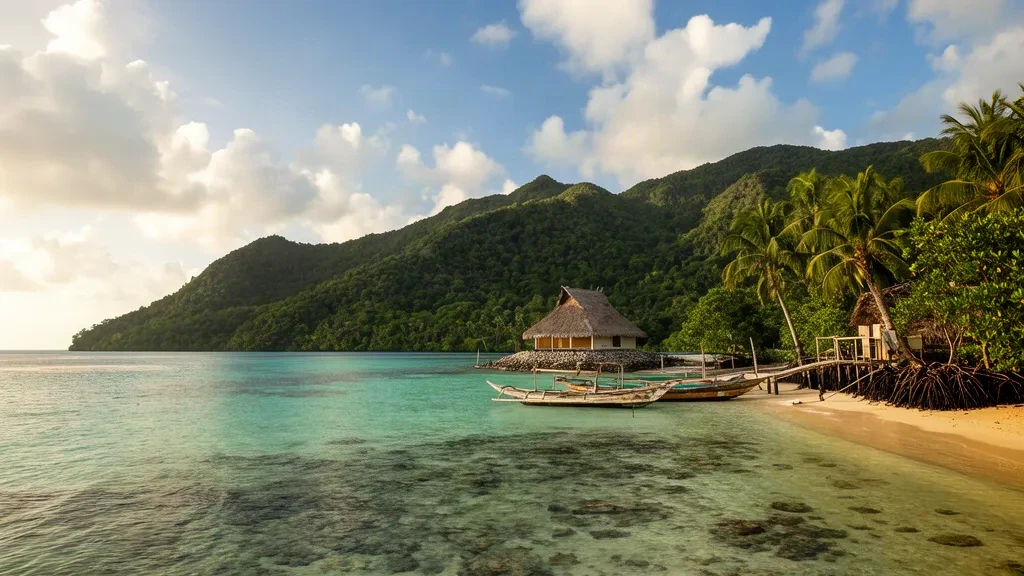
Ngiwal, a coastal community in Palau, blends traditional island culture with quiet beaches, lush mangroves and the unspoiled landscapes of Babeldaob.
Passengers
Luggage
About Ngiwal
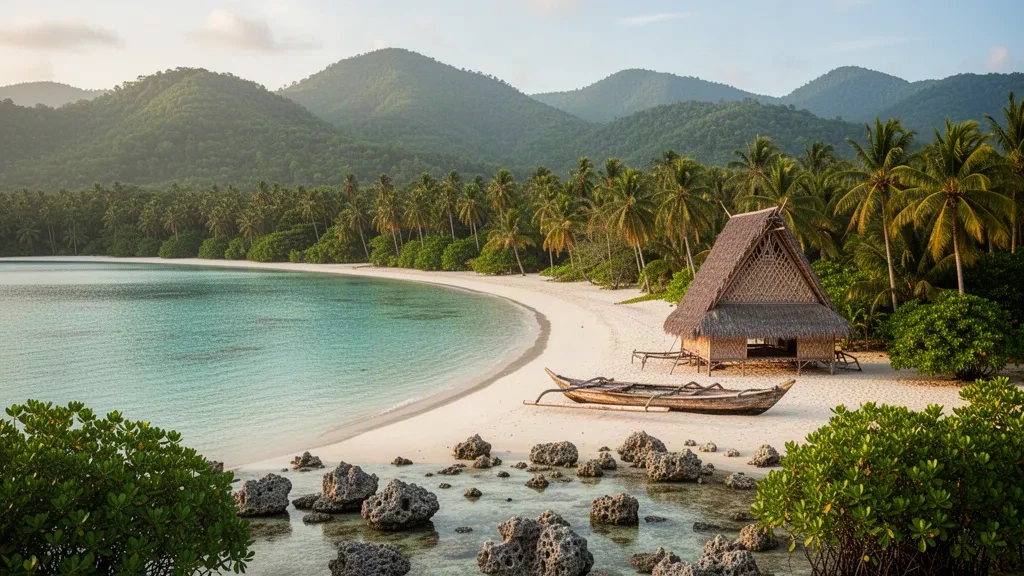
Ngiwal is a small coastal state on the east side of Babeldaob, Palau's largest island. Its administrative centre, Ngerkeai, is part of a quiet rural landscape of mangroves, shallow bays, beaches and low forested hills, giving the area a much slower and more community-focused character than Koror.
The state's identity is closely tied to the sea and the land. Fishing, taro cultivation and the use of local plants remain part of daily life, while the Ngemai Conservation Area protects an inner reef flat and Ngerbekuu Nature Reserve safeguards forest around the Oselkesol Waterfall. A mangrove ecotour now lets visitors travel by boat through the mangroves and hike to the waterfall.
Ngiwal also carries a long history. Traditional village sites and later Japanese-era features, including a causeway across Ngemai Bay that the Compact Road follows today, show how different periods have shaped Babeldaob's east coast.
For travellers, Ngiwal is best approached as a nature and culture excursion rather than an urban destination. It is suited to kayaking, birdwatching, waterfall hikes and learning about community-led conservation, with most visitors arriving by road from Koror.
While it is not a business or nightlife centre, Ngiwal offers a genuine look at rural Palau and its protected landscapes, making it relevant for ecotourism, research and travellers seeking a less developed side of the country.
Ngiwal Travel Guide
Best Time to Visit
The drier months from December to April are the most comfortable for exploring Ngiwal's mangroves, waterfall trail and coastal areas. The wetter season from May to November brings more rain, but the landscape stays lush and visits are still possible.
How to Get Around
Ngiwal is reached by road from Koror and Airai along the Compact Road. A rental car or private transfer is the most practical option, while boat trips are used for mangrove and coastal ecotours within the state.
Where to Stay
Accommodation within Ngiwal is limited, so most visitors stay in Koror and make Ngiwal a day trip. Staying in Koror also provides easier access to restaurants, shops, tour operators and the international airport.
Food & Drink
Ngiwal has very few dining options, so it is wise to bring water and snacks or plan meals in Koror. Local Palauan food centres on fresh fish, taro, tapioca and tropical fruit, and community events may include traditional dishes.
Ground Transportation Services in Ngiwal
Airport Transfers
Travel between Roman Tmetuchl International Airport and Ngiwal with a private vehicle along the Compact Road, suitable for arrivals, departures and day trips across Babeldaob.
Hourly Chauffeur
Book a private chauffeur by the hour for flexible travel from Koror or the airport to Ngiwal's villages, ecotour trailheads and other destinations on Babeldaob.
Car Rental
Rent a car in Koror or at the airport to explore Ngiwal and the rest of Babeldaob independently, with the flexibility to stop at villages, viewpoints and protected areas.
Bus & Group Transfers
Arrange a minibus or charter bus for groups travelling between Koror, the airport and Ngiwal, including ecotours, community visits, events and multi-stop island itineraries.
Frequently Asked Questions
Related Cities in Palau
View all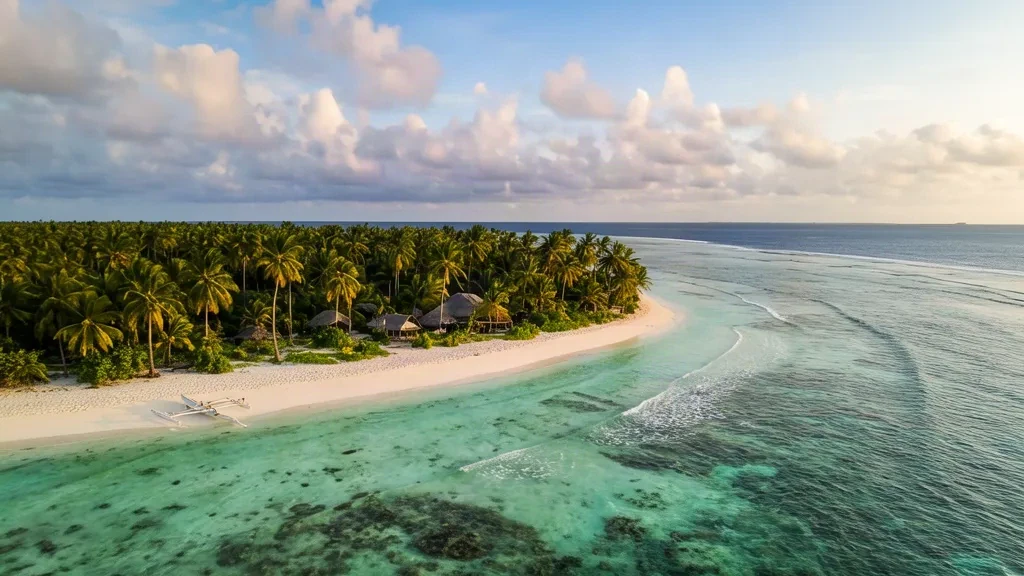
Sonsorol
Sonsorol is a remote island in Palau with a strong traditional culture, quiet lagoons and unspoiled Pacific scenery.
Peleliu
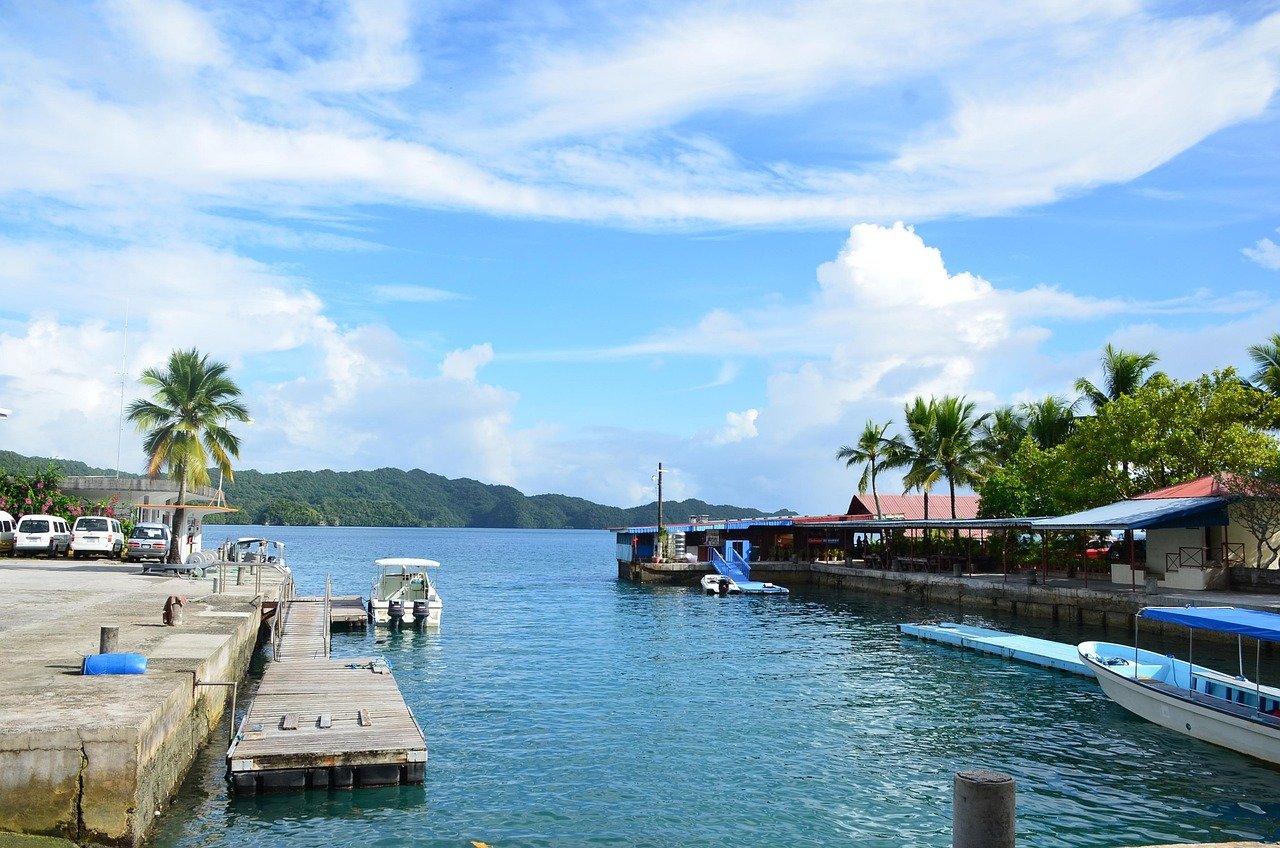
Peleliu is a small island in Palau whose World War II memorials, coral reefs and quiet beaches give it a solemn, unspoiled character that appeals to divers and history-focused travelers.
Ngeremlengui
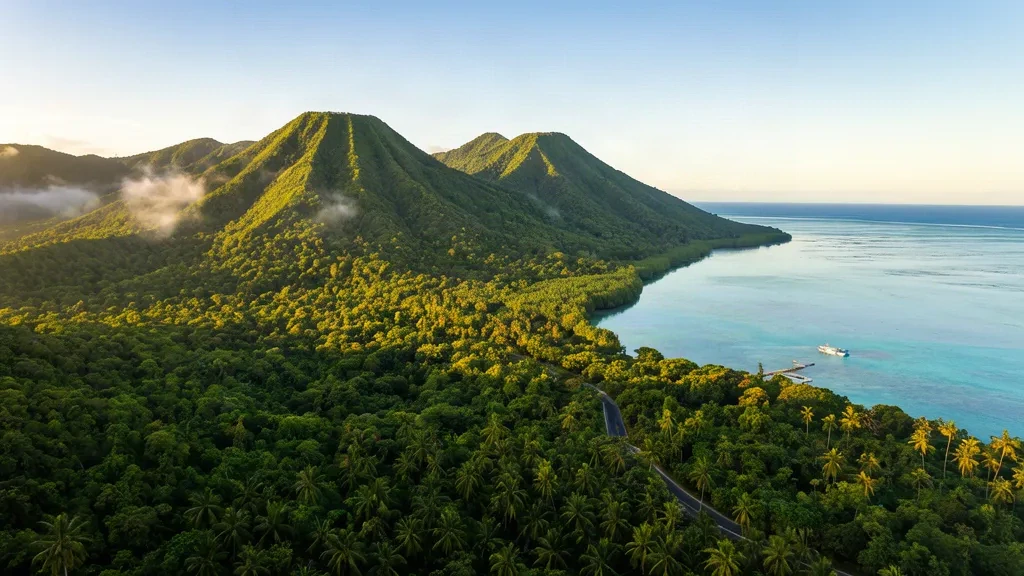
Ngeremlengui, a quiet corner of Palau's Babeldaob island, is marked by dense tropical forest, mangrove coastlines and a strong traditional Palauan character.