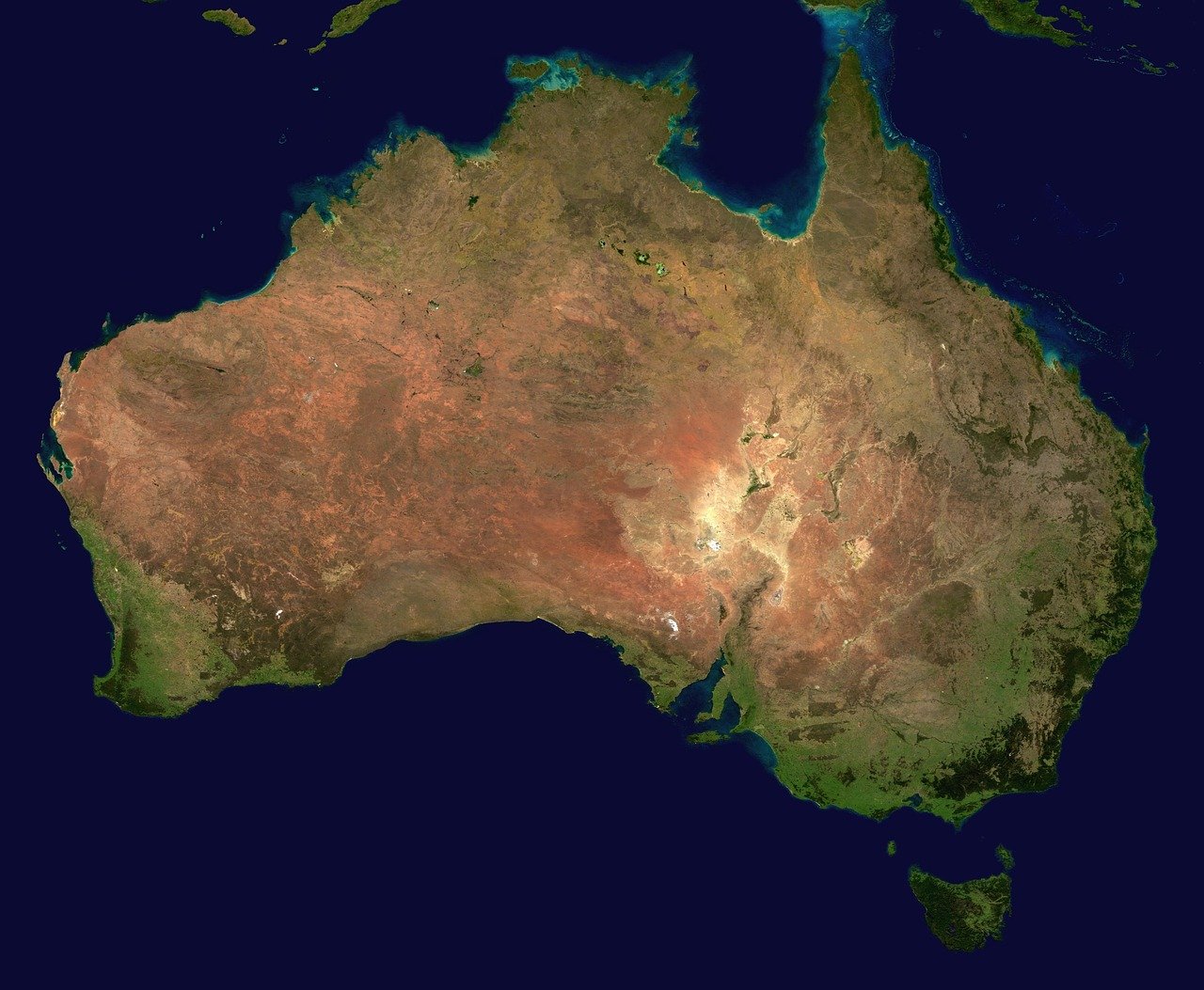
Uaboe
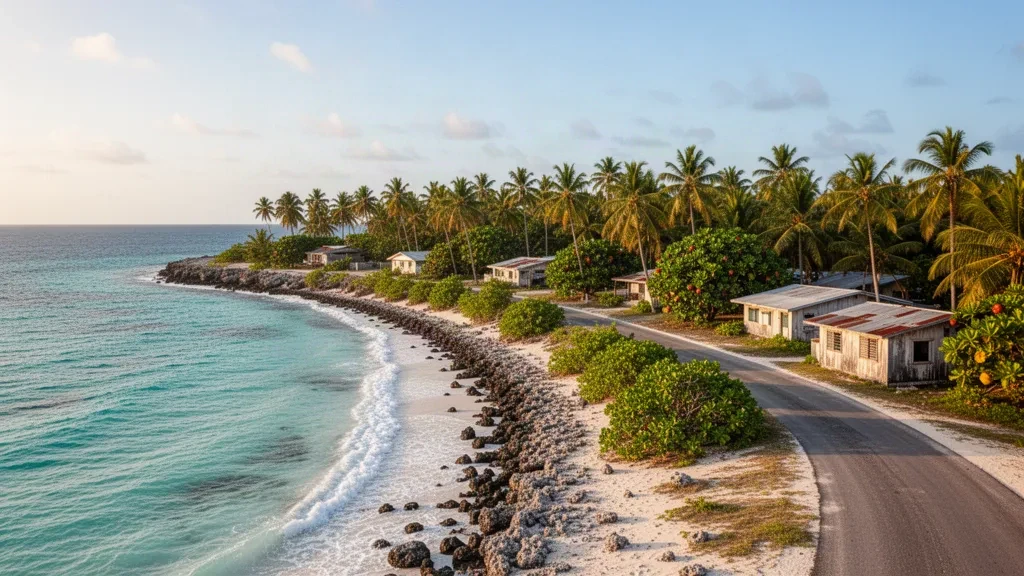
Uaboe is a small district in Nauru, set in the island's northwest with quiet residential streets and easy access to neighbouring communities. Its laid-back character offers a glimpse of everyday life on the island, close to coastal views and the main road.
Passengers
Luggage
About Uaboe
Uaboe is a small coastal district in northwestern Nauru, one of the island nation's fourteen administrative districts. With around 341 residents and an area of roughly 0.8 km², it is the second-smallest district in Nauru and has a quiet, close-knit community stretched between the island's central plateau and the Pacific shore.
Nauru's unusual landscape gives Uaboe much of its character. The island was heavily shaped by more than a century of phosphate mining, and its raised coral interior now mixes with a narrow, fertile coastal belt. Uaboe is home to Nauru's land administration offices, while nearby sites such as Command Ridge, the island's highest point, preserve World War II-era relics and views over the surrounding districts.
Despite its small size, Uaboe sits close to several of Nauru's best-known places. Buada Lagoon, the island's only inland freshwater lake, and the beaches of Anibare Bay are short drives away, and Nauru International Airport lies just south in Yaren District. The Island Ring Road links Uaboe with neighbouring districts such as Nibok and Baitsi, making the whole island easy to explore.
Nauru has no official capital; government offices are concentrated in Yaren, while districts like Uaboe remain mainly residential. The island is far from the mass-tourism trail, and visitors are more likely to spend their time on World War II history, birdwatching, fishing, and slow coastal living than on conventional sightseeing.
For both leisure and business travellers, Uaboe offers a genuine look at everyday life in one of the world's smallest and least-visited republics. Its calm pace, welcoming community, and proximity to the airport and administrative centre make it a practical and distinctive base for understanding Nauru.
Uaboe Travel Guide
Best Time to Visit
Nauru has a warm, tropical climate all year. The drier months from roughly May to October are generally the most comfortable for exploring Uaboe and the rest of the island, while the wetter season from November to February brings higher humidity and more rain.
How to Get Around
Uaboe is compact and easy to reach via Nauru's Island Ring Road, which circles the island. Visitors usually get around by rental car, taxi, or on foot, since the island is small and most districts and sights are only a few minutes apart.
Where to Stay
Uaboe itself has very limited accommodation, so most visitors stay at Nauru's main hotels, such as the Menen Hotel in Meneng District or the OD-N-Aiwo Hotel in Aiwo District, both a short drive away. Small guesthouses and private stays also offer a more local option.
Food & Drink
Eating on Nauru centres on fresh seafood, particularly tuna and reef fish, alongside coconut, breadfruit, and imported staples. Restaurants are concentrated around the hotels and Yaren, while local cafés and small eateries serve simple, home-style meals across the island.
Ground Transportation Services in Uaboe
Airport Transfers
Travel between Nauru International Airport and Uaboe, nearby districts, hotels, and meeting venues across the island.
Hourly Chauffeur
Book a private driver by the hour for business visits, government meetings, island sightseeing, and flexible travel around Nauru.
Car Rental
Rent a car in Nauru for independent travel along the Island Ring Road and convenient access to Uaboe and other districts.
Bus & Group Transfers
Arrange minibuses or charter buses for groups, delegations, events, and airport transfers between Uaboe and destinations across Nauru.

Frequently Asked Questions
Related Cities in Nauru
View all
Yaren
Yaren, Nauru's de facto capital, is a compact Pacific district where government offices, parliament and the international airport meet a quiet coastline and close-knit island life.
Nibok
Nibok is a small coastal district in Nauru, where quiet residential streets meet the Pacific and daily life moves at an easy island pace.

Ijuw
Ijuw is a small coastal district in Nauru, where quiet streets meet the Pacific and daily life follows an unhurried island rhythm. Its compact size and shoreline setting offer a quiet glimpse of the island's everyday character.