Rongelap
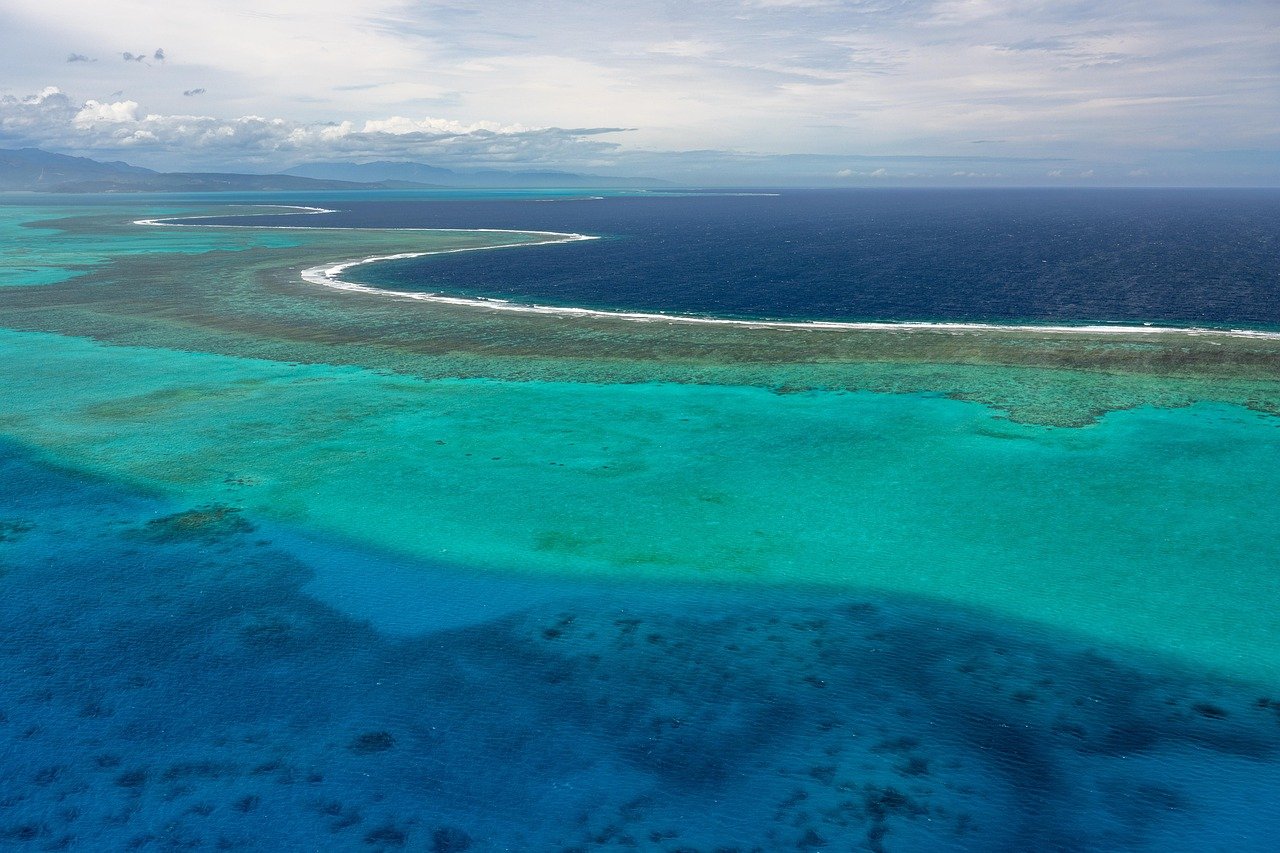
Rongelap is a remote coral atoll in the Marshall Islands, where traditional Marshallese life, a vast turquoise lagoon and a history of resilience shape its quiet Pacific character.
Passengers
Luggage
About Rongelap
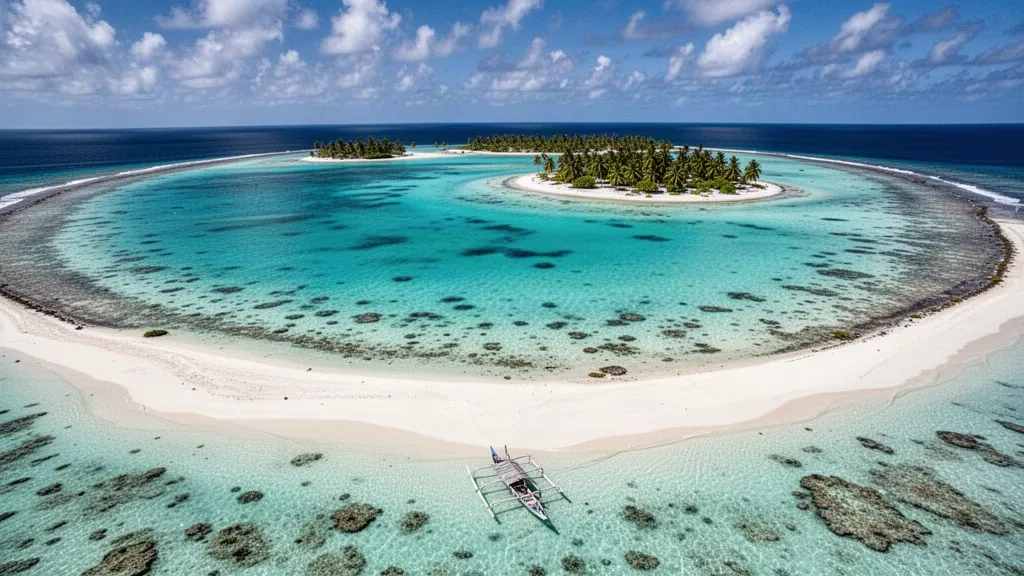
Rongelap Atoll is a remote coral atoll in the Ralik Chain of the Marshall Islands, made up of 61 low-lying islets around a large central lagoon. Its small land area and open reef environment give the atoll a quiet, exposed Pacific character far removed from the country's urban centres.
The atoll is best known for its nuclear-testing history. In 1954, fallout from the Castle Bravo test at nearby Bikini Atoll reached Rongelap, and the community was evacuated two days later. Islanders later returned under US assurances, but health concerns led residents to leave again in 1985; many Rongelapese families now live on Ebeye, Kwajalein, and Majuro.
The 2021 census recorded no permanent population on Rongelap, although the atoll remains central to the identity and local government of the Rongelapese community. Resettlement planning and environmental monitoring have shaped the atoll's recent history, and visits today are usually linked to family, research, or official work.
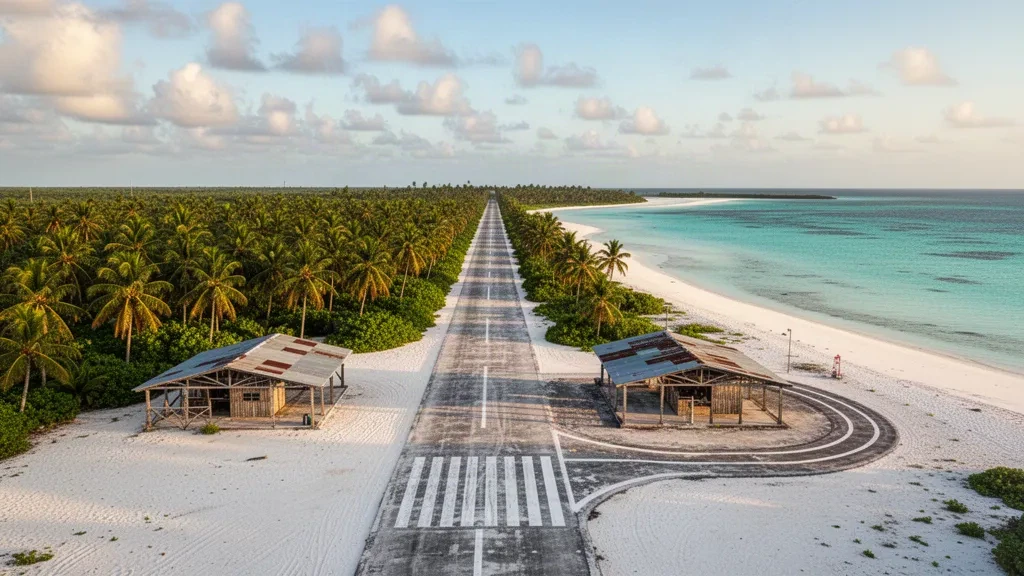
Visitors who reach Rongelap encounter a low coral atoll with lagoon waters, reef flats, and a simple airstrip. There is little tourism infrastructure, so independent travel requires careful advance planning and reliable local contacts.
For travellers, Rongelap is significant as a place of Marshallese heritage and Cold War history rather than a conventional resort destination. Its remoteness, lagoon environment, and continuing connection to displaced communities make it one of the most distinctive parts of the Marshall Islands.
Rongelap Travel Guide
Best Time to Visit
The dry season from December to April generally offers calmer seas and more predictable conditions for flights and boat access to the outer atoll. The wetter months from May to November bring higher rainfall and can affect travel to Rongelap.
How to Get Around
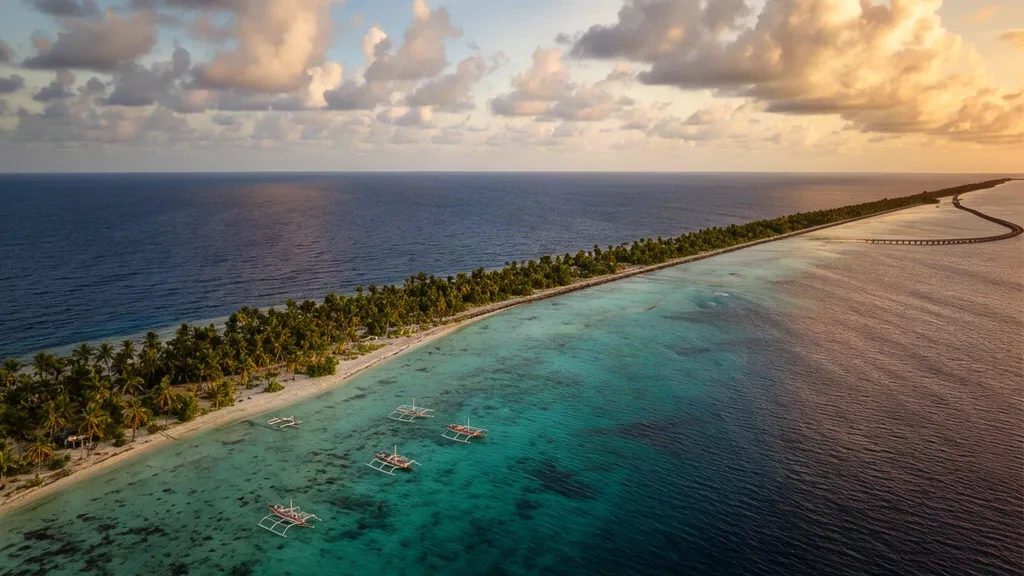
Movement on Rongelap is mostly on foot or by small boat between islets and lagoon sites. There is no scheduled public transport, so any vehicle or boat support should be arranged in advance through local contacts or a charter operator.
Where to Stay
Rongelap has no hotels or regular guesthouses, so overnight stays require advance arrangements with the local government or private hosts. Most visitors base themselves in Majuro or Ebeye and organise a supported visit to the atoll.
Food & Drink
Food on Rongelap depends on supplies brought in or sourced locally, including fish, coconut and breadfruit. There are no restaurants or shops, so visitors should carry provisions and coordinate meals with hosts or support staff.
Ground Transportation Services in Rongelap
Airport Transfers
Arrange transport between Rongelap Airport and accommodation, government facilities or boat landing points on the atoll.
Hourly Chauffeur
Book a private driver by the hour for official visits, site inspections and flexible travel around Rongelap's main islet.
Car Rental
Rent a suitable vehicle for independent travel on Rongelap's main islet and between key sites where road access exists.
Bus & Group Transfers
Arrange minibuses or charter boats for group visits, official delegations, research trips and transfers around Rongelap Atoll.
Frequently Asked Questions
Related Cities in Marshall Islands
View all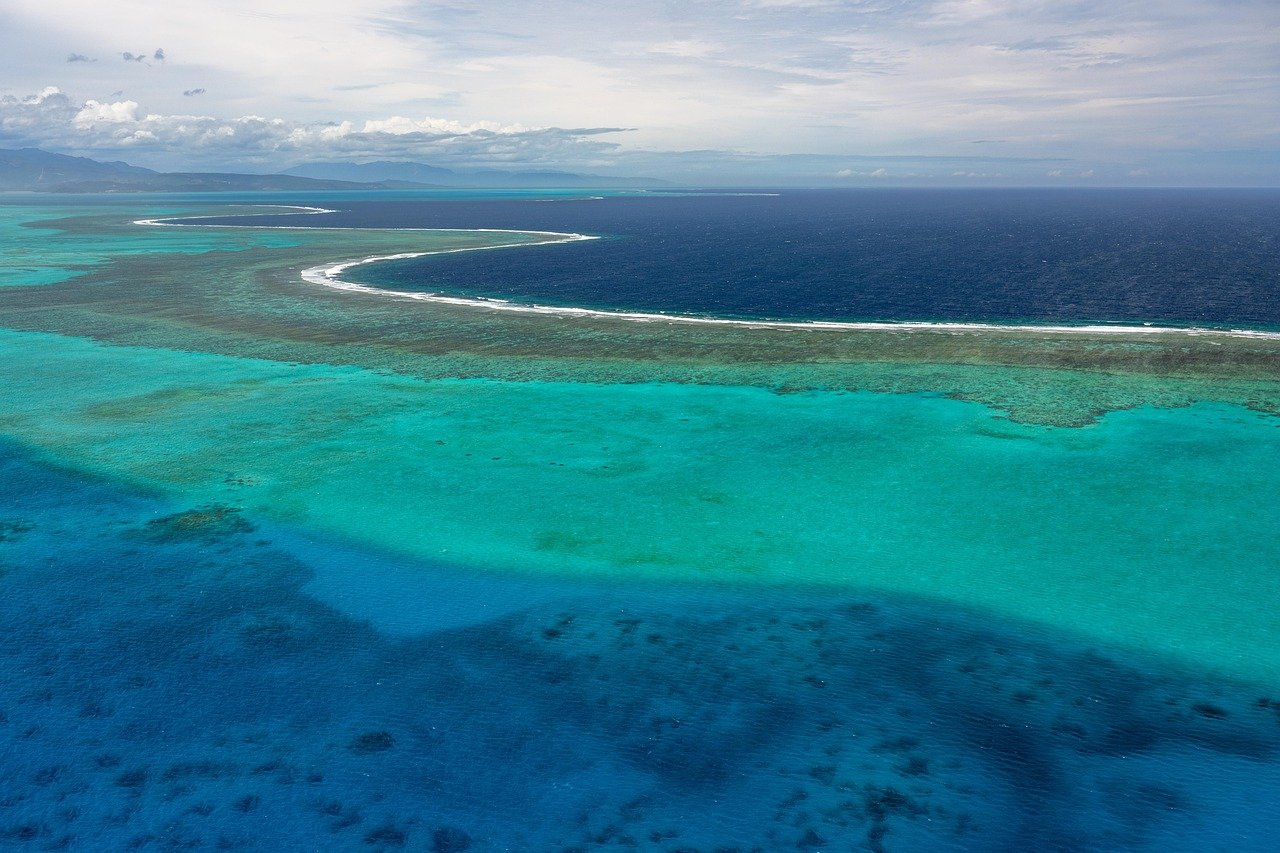
Wotje
Wotje is a coral atoll in the Marshall Islands, shaped by a wide lagoon, small scattered islets and a quiet island rhythm. Its World War II relics and abandoned Japanese base give the atoll a distinctive place in Pacific history.
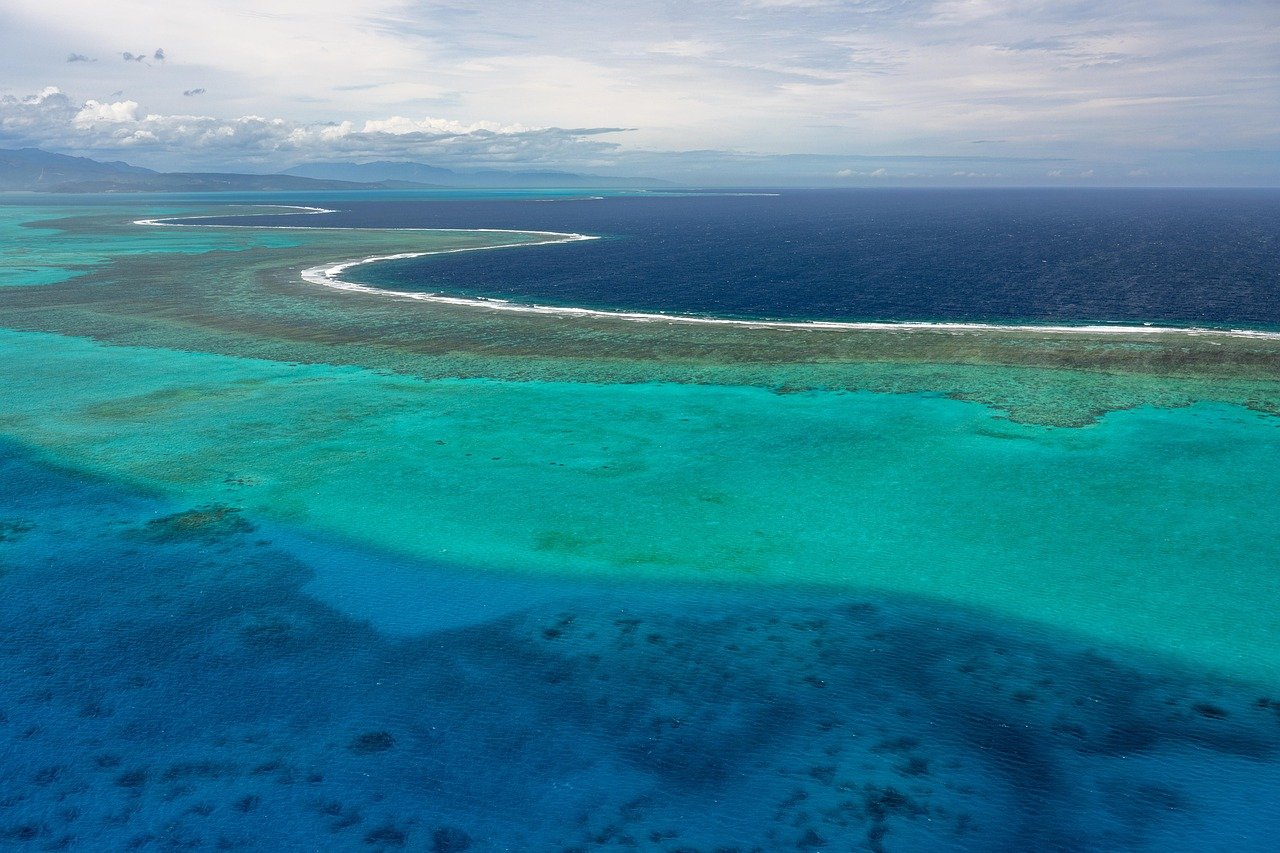
Wotho
Wotho, a remote coral atoll in the Marshall Islands, is known for its clear lagoon, small traditional communities and a quiet island rhythm that feels far from the modern world. Its scattered islets and surrounding reef make it a distinctive destination for travelers seeking untouched Pacific scenery.
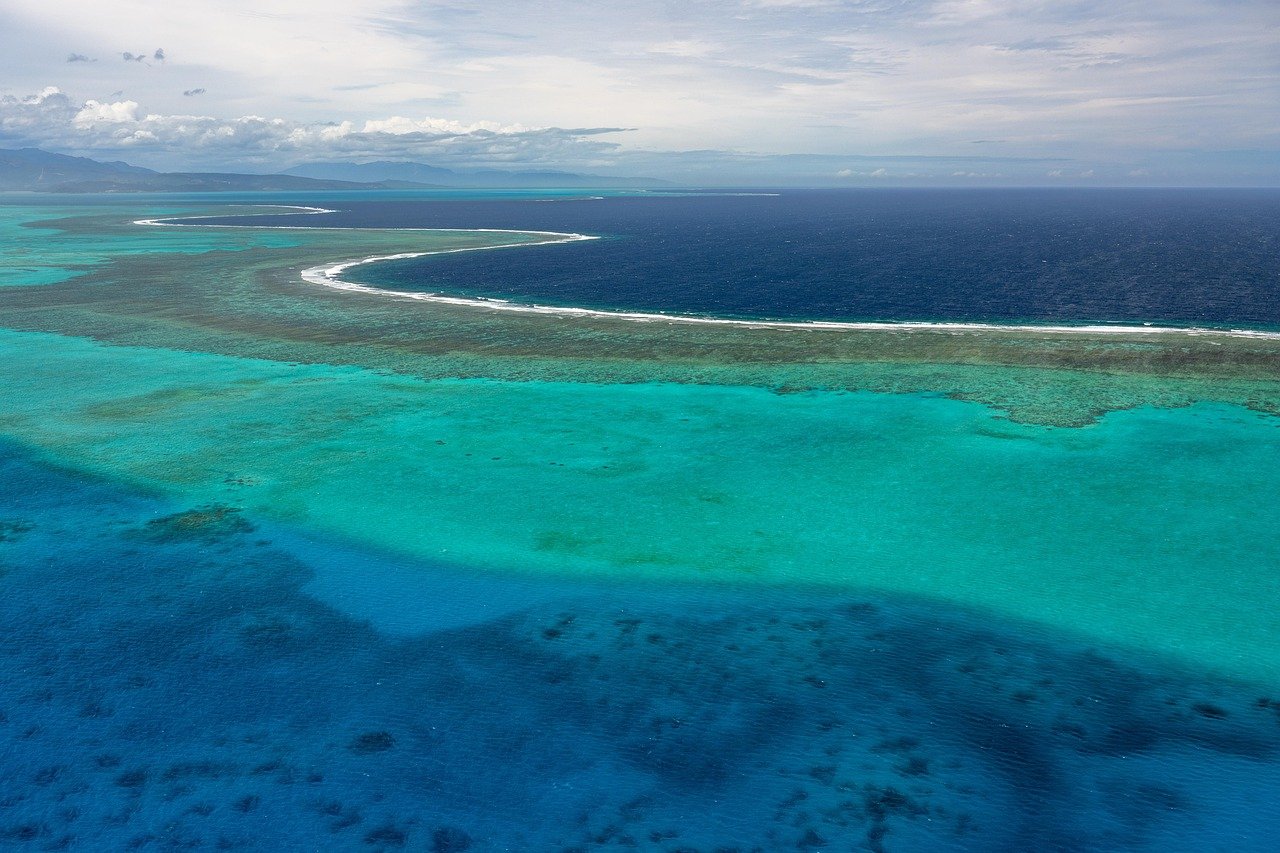
Utrik
Utrik, a remote coral atoll in the Marshall Islands, offers a glimpse of traditional Marshallese life, with a quiet lagoon, subsistence fishing and a close-knit island community.