Aur
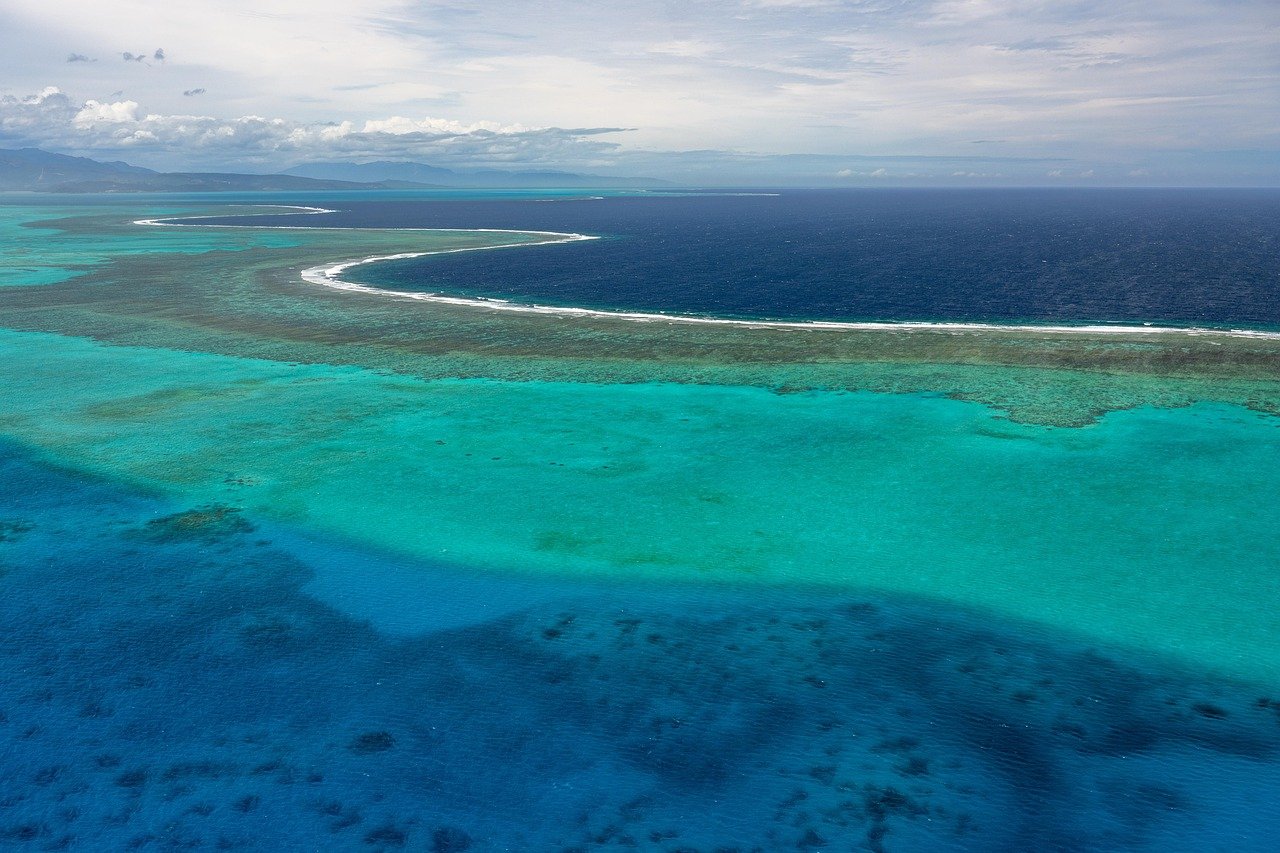
Aur, a coral atoll in the Marshall Islands' Ratak Chain, is defined by turquoise lagoon waters, sandy islets and a close-knit Marshallese community. Its quiet pace, traditional culture and remote Pacific setting appeal to travelers seeking an off-the-beaten-path island experience.
Passengers
Luggage
About Aur
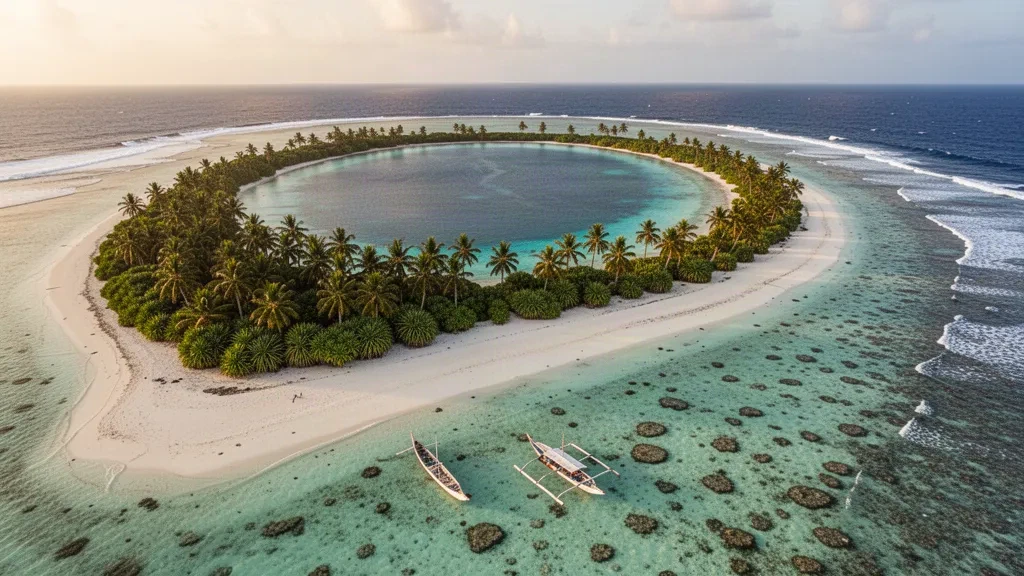
Aur is a remote coral atoll in the Ratak Chain of the Marshall Islands, about 80 miles (130 km) north of Majuro. Its 42 small islets sit on a reef that encloses a large lagoon, and only a few of the islets are inhabited. Village life centres on Aur Aur and Tobal, home to most of the roughly 317 residents.
The atoll is best known for traditional Marshallese craftsmanship. Women in Aur are recognised for their woven handicrafts, while many men carve miniature traditional canoes that are sold in Majuro and beyond. This living craft tradition, together with subsistence fishing and cultivation of breadfruit and coconut, gives Aur a strong sense of cultural continuity.
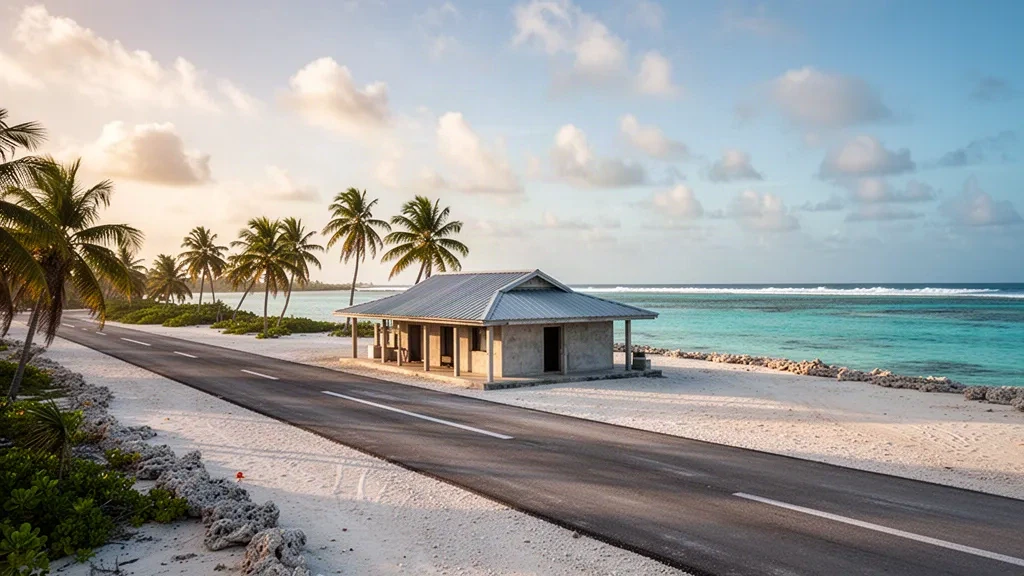
Visitors arrive mainly by small Air Marshall Islands aircraft landing at the airstrip on Tobal, or by supply vessel and private yacht. The sheltered lagoon offers clear water for snorkelling, diving and fishing, and the outer reefs hold healthy coral. Infrastructure is limited, so travel is typically arranged through local families and guesthouse-style stays.
Aur is not a commercial tourist destination, but it appeals to travellers seeking an authentic outer-island experience, traditional Pacific culture and unspoiled marine environments. For divers, researchers and independent travellers, the atoll offers a rare look at Marshallese life away from the urban centres of Majuro and Ebeye.
Because services are minimal, visitors should plan carefully, confirm accommodation and boat transport in advance, and respect local customs and land permissions. Aur remains a distinctive, low-key destination for those who value cultural exchange and remote Pacific landscapes over conventional tourism.
Aur Travel Guide
Best Time to Visit
The dry season from December to April is the most comfortable time to visit Aur, with steadier trade winds and less rainfall. The wetter months from May to November bring more rain and occasional storms, though travel is possible year-round.
How to Get Around
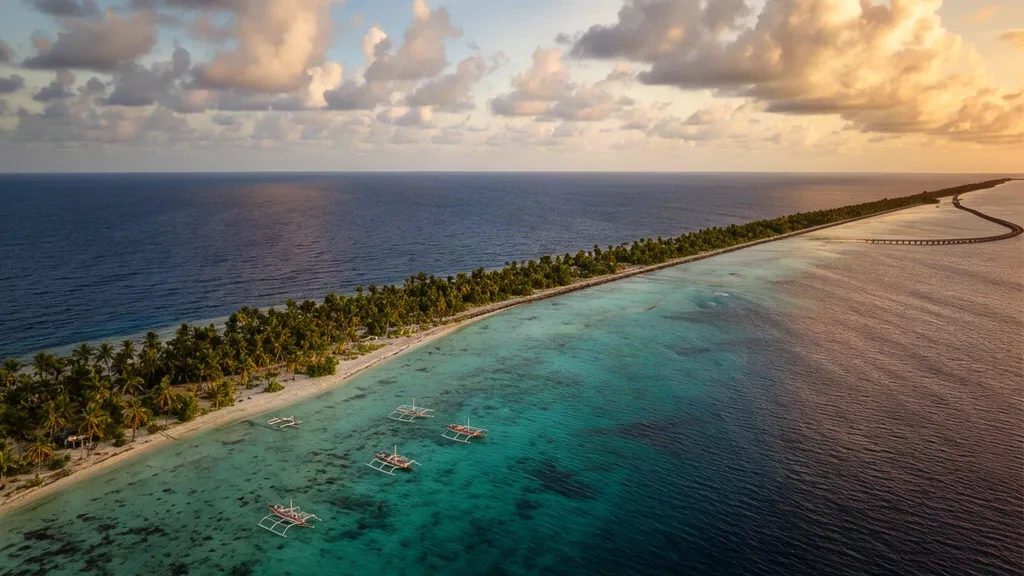
Aur has no public transport or car roads across the atoll, so movement between islets is by small outboard boat and on foot within villages. Flights and supply boats connect Aur with Majuro, and local families can usually arrange boat travel around the lagoon.
Where to Stay
Accommodation is limited to simple guesthouse or family homestay stays, mainly in the villages of Aur Aur and Tobal. Visitors should confirm a place to stay before arriving, since there are no hotels or large resorts on the atoll.
Food & Drink
Local meals centre on fresh fish, coconut, breadfruit, pandanus and rice, often shared in family or village settings. Small local stores carry basic goods, while fruit, seafood and traditional preserved foods are available depending on the season.
Ground Transportation Services in Aur
Airport Transfers
Travel between Aur Airport on Tobal and village homestays, guesthouses or other islets is arranged by small boat or on foot, usually coordinated with local hosts.
Hourly Chauffeur
Private boat transport by the hour can be arranged through local families for lagoon crossings, fishing, diving or sightseeing around Aur's islets.
Car Rental
Car rental is not practical on Aur, where there are no road networks; independent travel between islets is done by small boat arranged locally.
Bus & Group Transfers
Groups can charter small boats for inter-island transfers, fishing or cultural visits, usually organised in advance with local boat owners or hosts.
Frequently Asked Questions
Related Cities in Marshall Islands
View all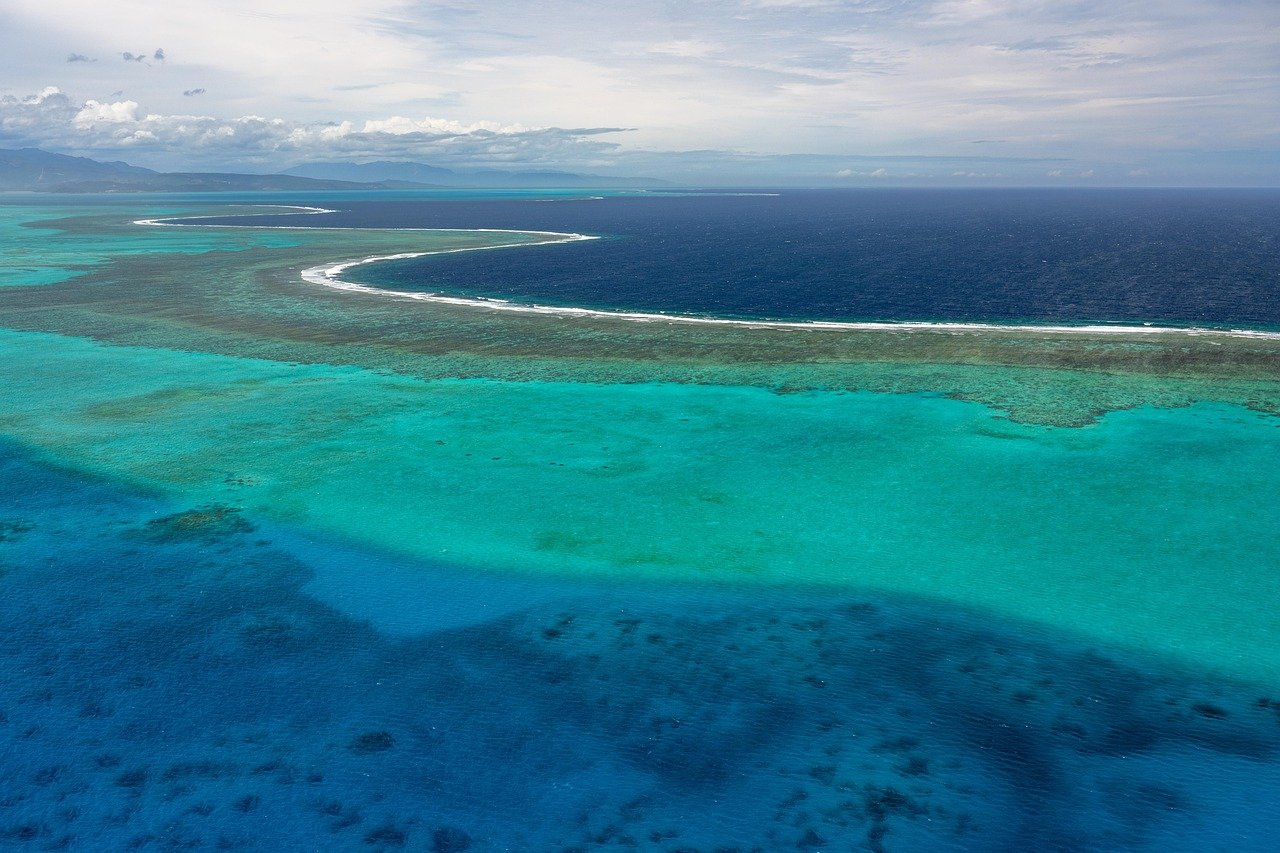
Wotje
Wotje is a coral atoll in the Marshall Islands, shaped by a wide lagoon, small scattered islets and a quiet island rhythm. Its World War II relics and abandoned Japanese base give the atoll a distinctive place in Pacific history.
Wotho
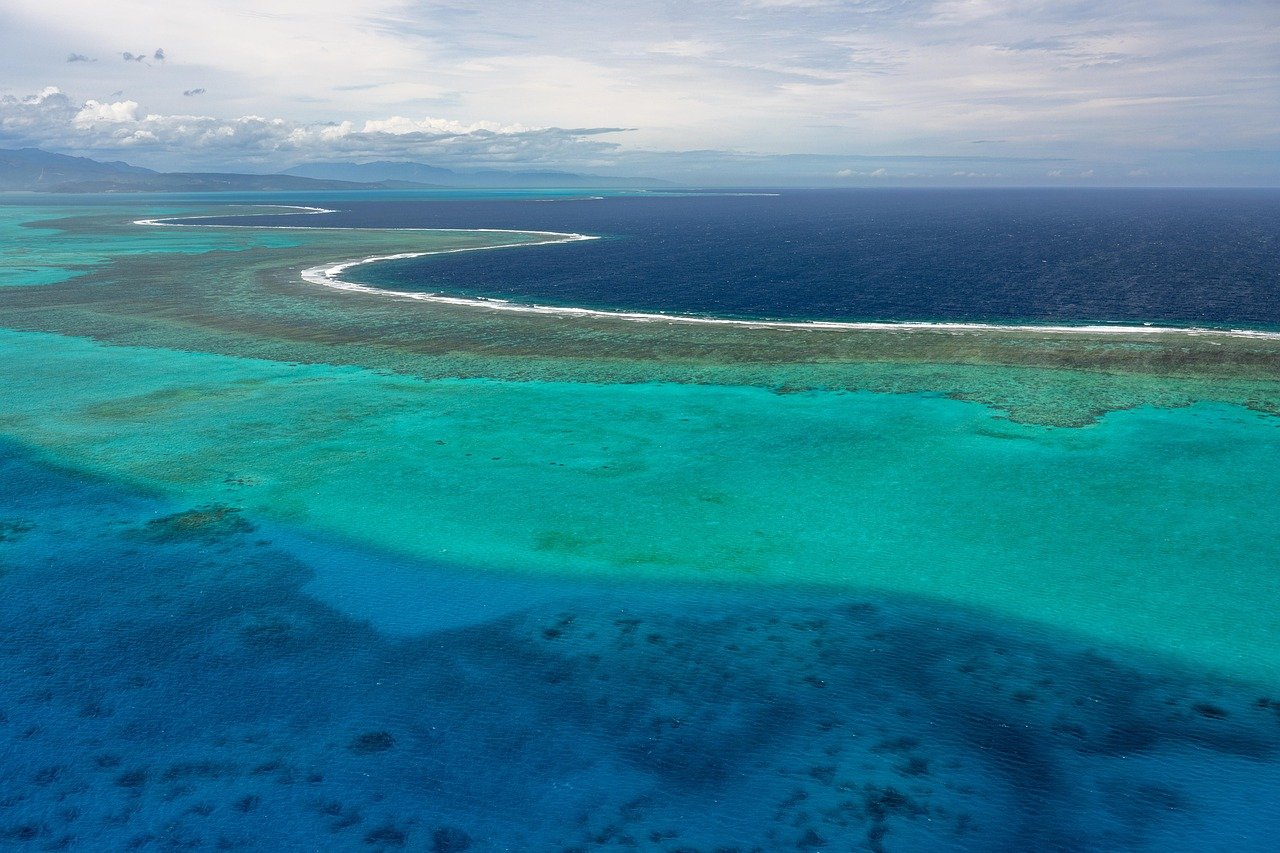
Wotho, a remote coral atoll in the Marshall Islands, is known for its clear lagoon, small traditional communities and a quiet island rhythm that feels far from the modern world. Its scattered islets and surrounding reef make it a distinctive destination for travelers seeking untouched Pacific scenery.
Utrik
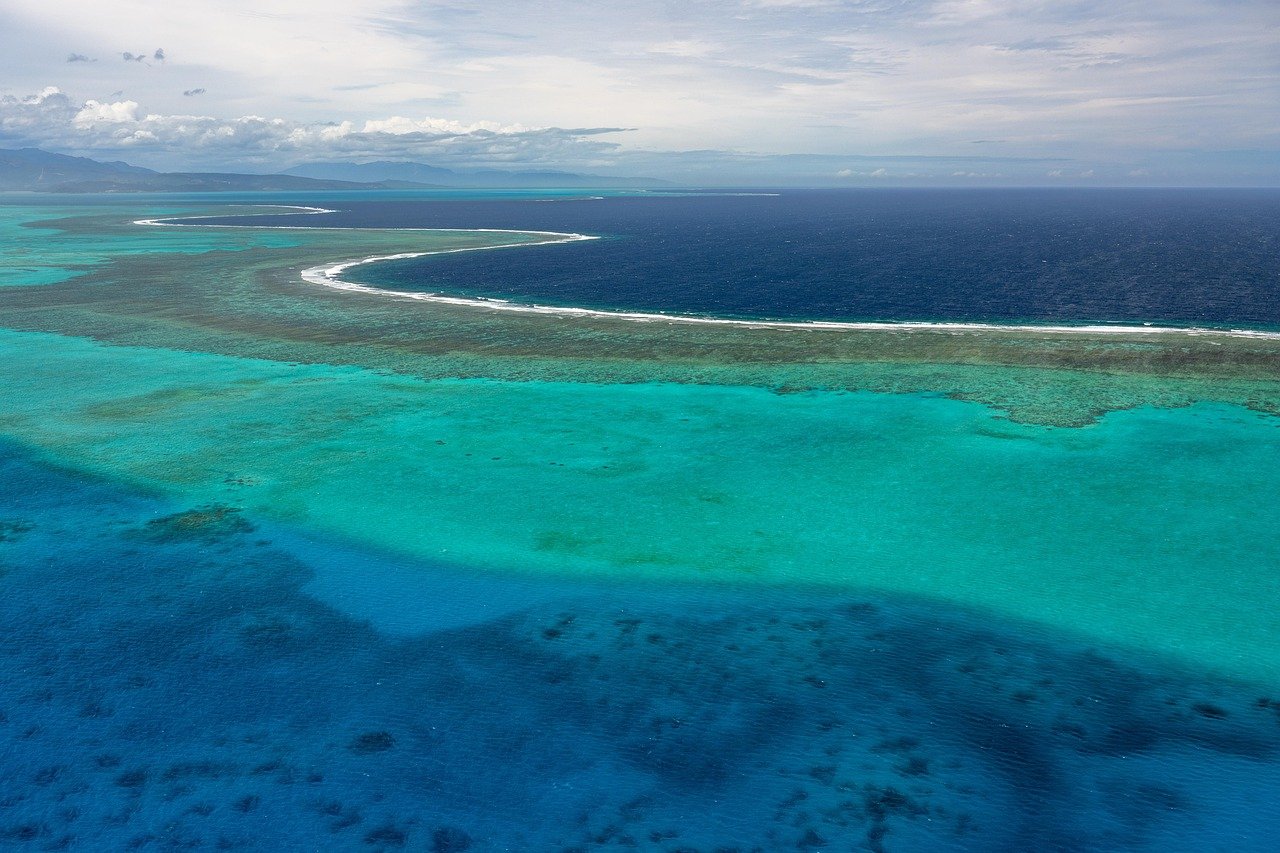
Utrik, a remote coral atoll in the Marshall Islands, offers a glimpse of traditional Marshallese life, with a quiet lagoon, subsistence fishing and a close-knit island community.