Nagasaki
Nagasaki, a historic port city on Japan's Kyushu island, blends centuries of international trade, landmark churches and lively festivals with steep hills, harbour views and a resilient local culture.
Passengers
Luggage
About Nagasaki
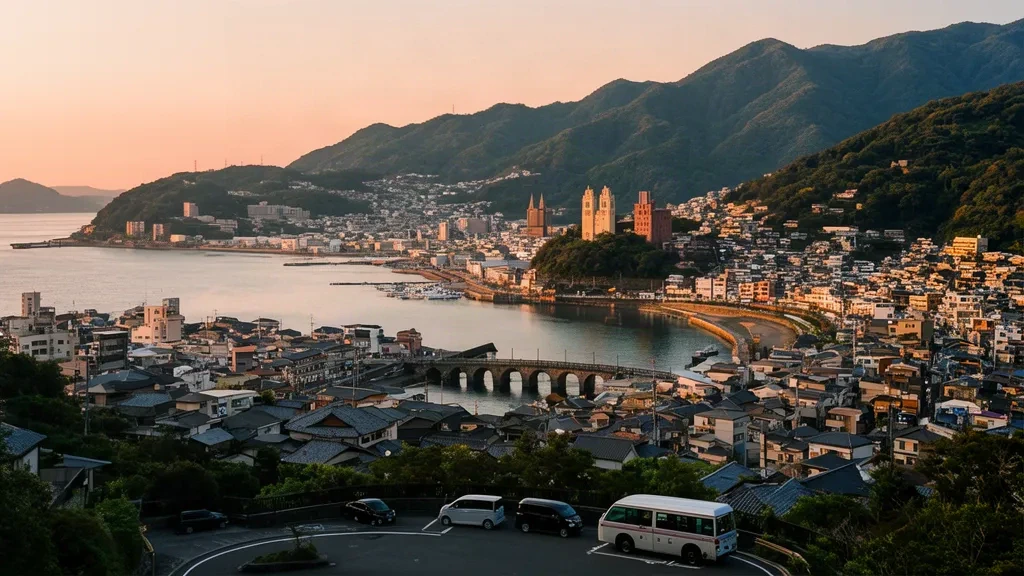
Nagasaki is a historic port city on the west coast of Kyushu, built across hills that slope down to a deep natural harbour. For centuries it was Japan's main gateway to the outside world, and its mix of Japanese, Chinese, Dutch and Portuguese influences still shapes the city's food, festivals and architecture.
Landmarks such as the Nagasaki Peace Park, Atomic Bomb Museum and Hypocenter Park tell the story of the August 1945 atomic bombing and the city's postwar commitment to peace. Nearby, Dejima's reconstructed trading post, Oura Cathedral, Glover Garden and the stone Meganebashi Bridge reflect Nagasaki's long history as an international trading centre.
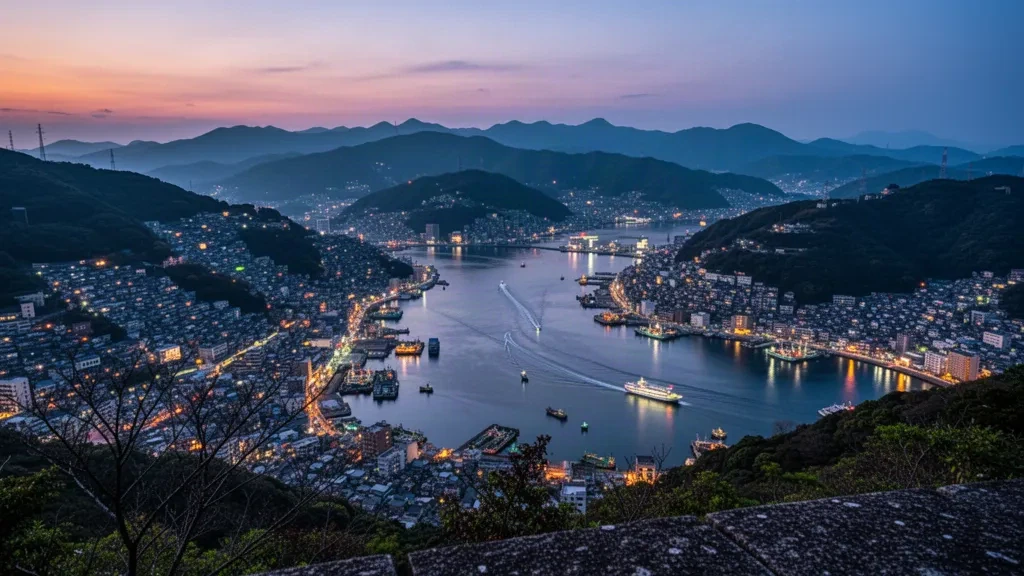
Districts such as Shinchi Chinatown, Hamanomachi and Shianbashi offer colourful streets, shopping, izakaya and late-night dining, while the Minamiyamate hillside preserves Western-style houses from the early treaty-port era. Mount Inasa's night view is one of the city's best-known panoramas.
Nagasaki remains a working port with shipbuilding, manufacturing, tourism and regional business activity, and its calendar includes the Nagasaki Lantern Festival, Kunchi festival and seasonal events. The compact centre and tram network make the main sights easy to reach.
For leisure and business travellers alike, Nagasaki combines a reflective historical identity with lively local culture, making it one of Japan's most distinctive destinations outside the main Tokyo-Osaka corridor.
Nagasaki Travel Guide
Best Time to Visit
Spring and autumn are the most comfortable seasons, with mild weather and good conditions for walking the hilly city. October brings the Nagasaki Kunchi festival, while late winter offers the colourful Nagasaki Lantern Festival around Chinese New Year.
How to Get Around
Nagasaki's electric tram network is the easiest way to reach most central sights, with buses covering hilltop and outlying areas. Taxis, rental cars and walking are also useful, although many streets are steep and parking in the centre is limited.
Where to Stay
The Nagasaki Station area is convenient for airport access and onward travel, while Shinchi Chinatown and Hamanomachi put restaurants, shopping and nightlife within walking distance. The Minamiyamate and Glover Garden area offers a quieter, more historic atmosphere.
Food & Drink
Local specialties include champon noodle soup, sara udon, castella sponge cake and kakuni manju buns, with seafood also prominent. Shinchi Chinatown, Shianbashi and the shopping arcades are good places to find restaurants, izakaya, cafés and street food.
Ground Transportation Services in Nagasaki
Airport Transfers
Travel between Nagasaki Airport and hotels, Nagasaki Station, the port area, business venues and other destinations across the city.
Hourly Chauffeur
Book a private chauffeur by the hour for business meetings, events, sightseeing and flexible travel around Nagasaki's hilly neighbourhoods.
Car Rental
Rent a car in Nagasaki for independent travel around the city and convenient day trips to Unzen, Shimabara or Huis Ten Bosch.
Bus & Group Transfers
Arrange minibuses or charter buses for cruise groups, corporate travel, events, airport transfers and sightseeing tours in Nagasaki.
Frequently Asked Questions
Related Cities in Japan
View all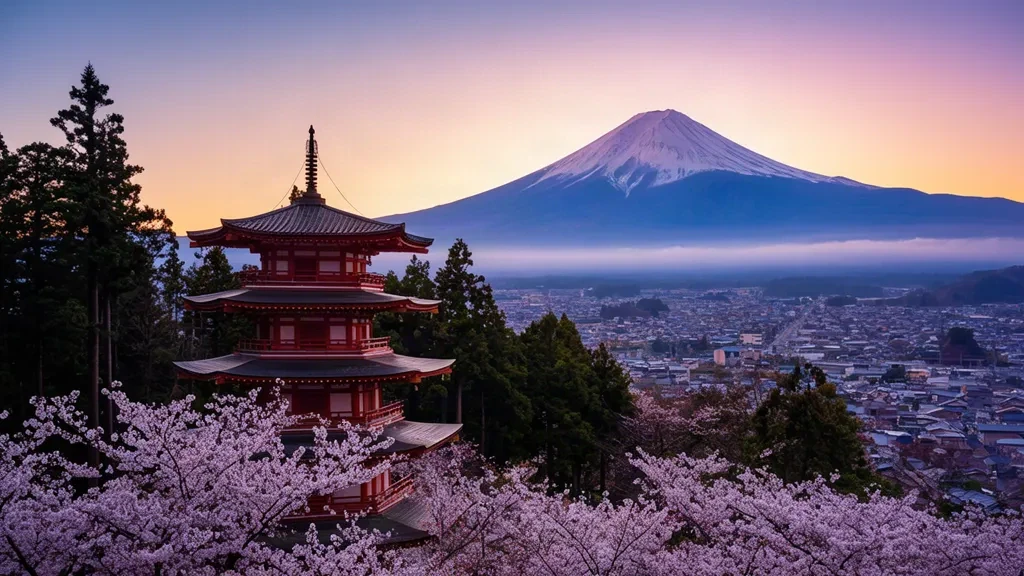
Yamanashi
Yamanashi, a quiet city in central Japan, sits in a mountain-ringed basin known for orchards, vineyards and a relaxed rural pace.

Yamaguchi
Yamaguchi, the capital of Yamaguchi Prefecture, is often called the Kyoto of the West for its samurai heritage, historic temples and tranquil gardens.
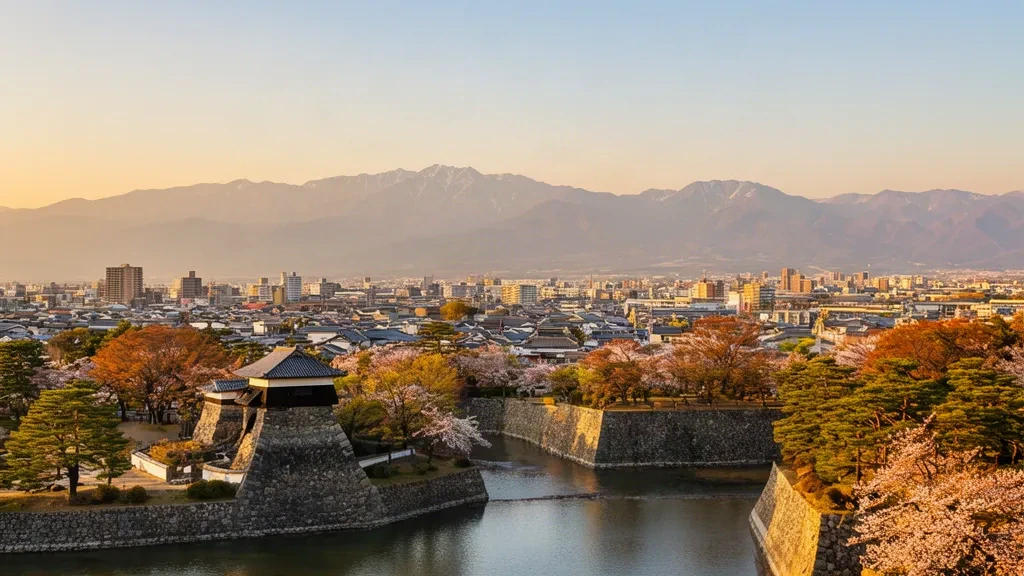
Yamagata
Yamagata is a calm city in northern Japan where castle ruins, hot springs, temple heritage and mountain scenery meet seasonal festivals and regional culture.