
Aomori
Aomori, a port city in northern Japan, is known for its vibrant Nebuta Festival, fresh seafood and apple orchards, offering a mix of rich traditions and relaxed coastal charm.
Passengers
Luggage
About Aomori
Aomori is the capital of Aomori Prefecture and sits at the northern tip of Honshu, facing Mutsu Bay. As a port city and a gateway between the Tōhoku region and Hokkaido, it is known for its apples, fresh seafood, summer Nebuta Festival and famously snowy winters.
Aomori's culture is closely tied to the sea and the harvest. The Nebuta Festival fills the city's streets with giant illuminated floats each August, while the Sannai-Maruyama archaeological site preserves one of Japan's most important Jōmon-period settlements. Modern landmarks such as the Aomori Museum of Art and the waterfront ASPAM building reflect a mix of traditional and contemporary identity.
Visitors explore the bay area around Nebuta Museum Wa Rasse and A-Factory, sample seafood at Furukawa Market, or head to Asamushi Onsen for coastal hot springs. The Hakkōda Mountains offer hiking, autumn colours and the Hakkōda Ropeway, with deep snow drawing winter sports travellers.
Aomori is a regional centre for apple growing, fishing and trade, and Shin-Aomori Station links the city to Tokyo by Tōhoku Shinkansen. The Seikan Tunnel and ferry services connect Aomori with Hakodate in Hokkaido, reinforcing its role as a transport and business hub.
For leisure travellers, the city offers festivals, food, hot springs and mountain scenery; for business travellers, it is a practical base with airport, rail and ferry connections across northern Japan.
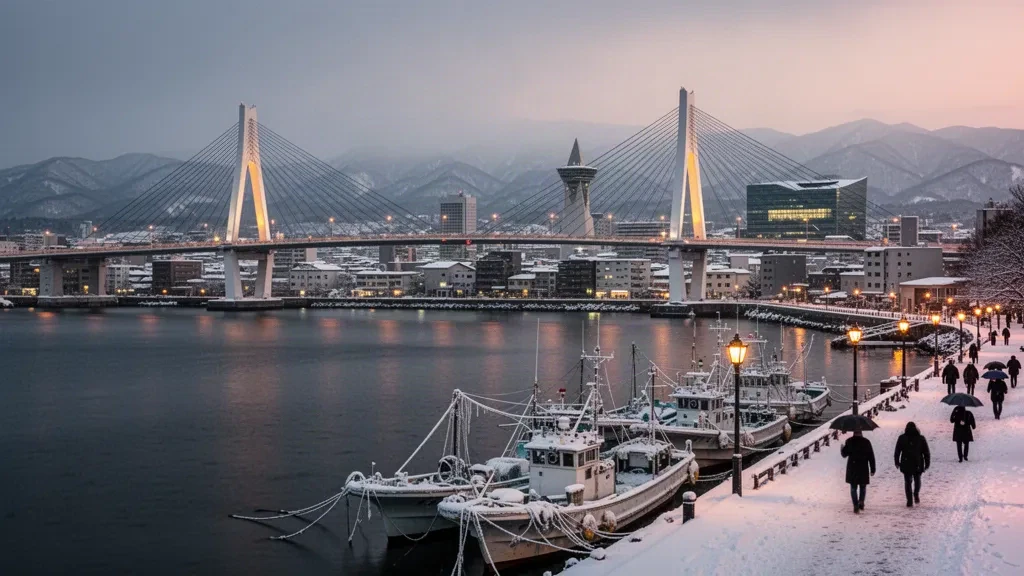
Aomori Travel Guide
Best Time to Visit
Early August brings the Nebuta Festival, the city's biggest event, while late spring and autumn offer mild weather for sightseeing. Winter is cold and snowy but ideal for the Hakkōda Ropeway and hot springs.
How to Get Around
Aomori's centre is compact and walkable, with JR and Aoimori Railway lines, city buses, taxis and rental cars for wider travel. The Tōhoku Shinkansen serves Shin-Aomori Station for connections to Tokyo and elsewhere.
Where to Stay
Staying near Aomori Station or the bay puts restaurants, museums and festival venues within easy reach. Asamushi Onsen offers seaside hot-spring hotels, while Hakkōda-area lodgings suit nature and winter sports visitors.
Food & Drink
Aomori is known for apples, apple cider and fresh seafood such as scallops and squid. Visitors can build nokke-don rice bowls at Furukawa Market, try local sake and explore cafés and restaurants around the bay area.
Ground Transportation Services in Aomori
Airport Transfers
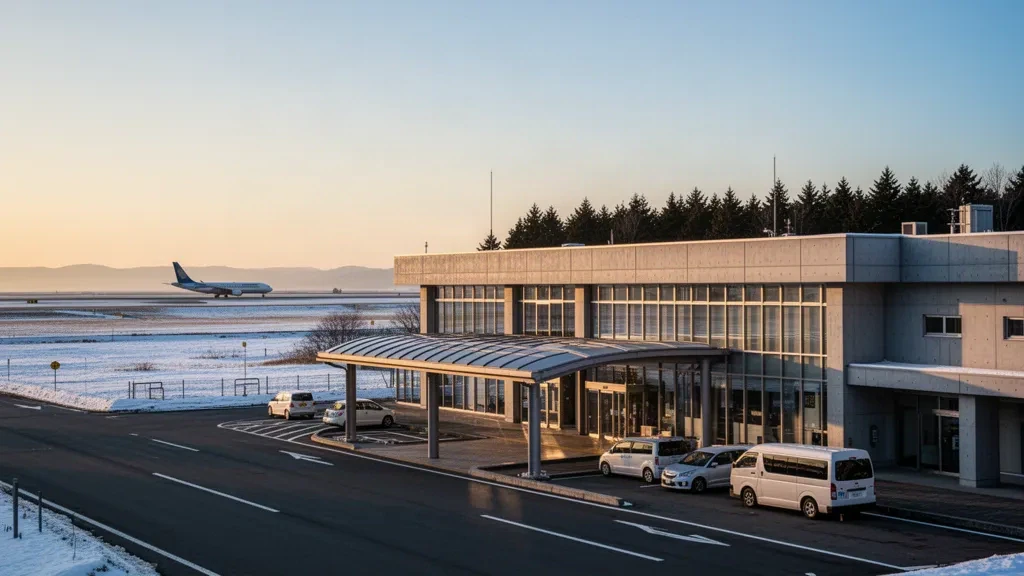
Travel between Aomori Airport and central Aomori, Asamushi Onsen, the Hakkōda area and hotels or business destinations across the city.
Hourly Chauffeur
Book a private chauffeur by the hour for business meetings, Nebuta Festival evenings, Hakkōda sightseeing and flexible travel around Aomori.
Car Rental
Rent a car in Aomori for independent travel to the Hakkōda Mountains, apple orchards, Lake Towada, the Tsugaru Peninsula and other nearby destinations.
Bus & Group Transfers
Arrange minibuses or charter buses for groups attending the Nebuta Festival, corporate events, airport transfers and sightseeing tours in and around Aomori.
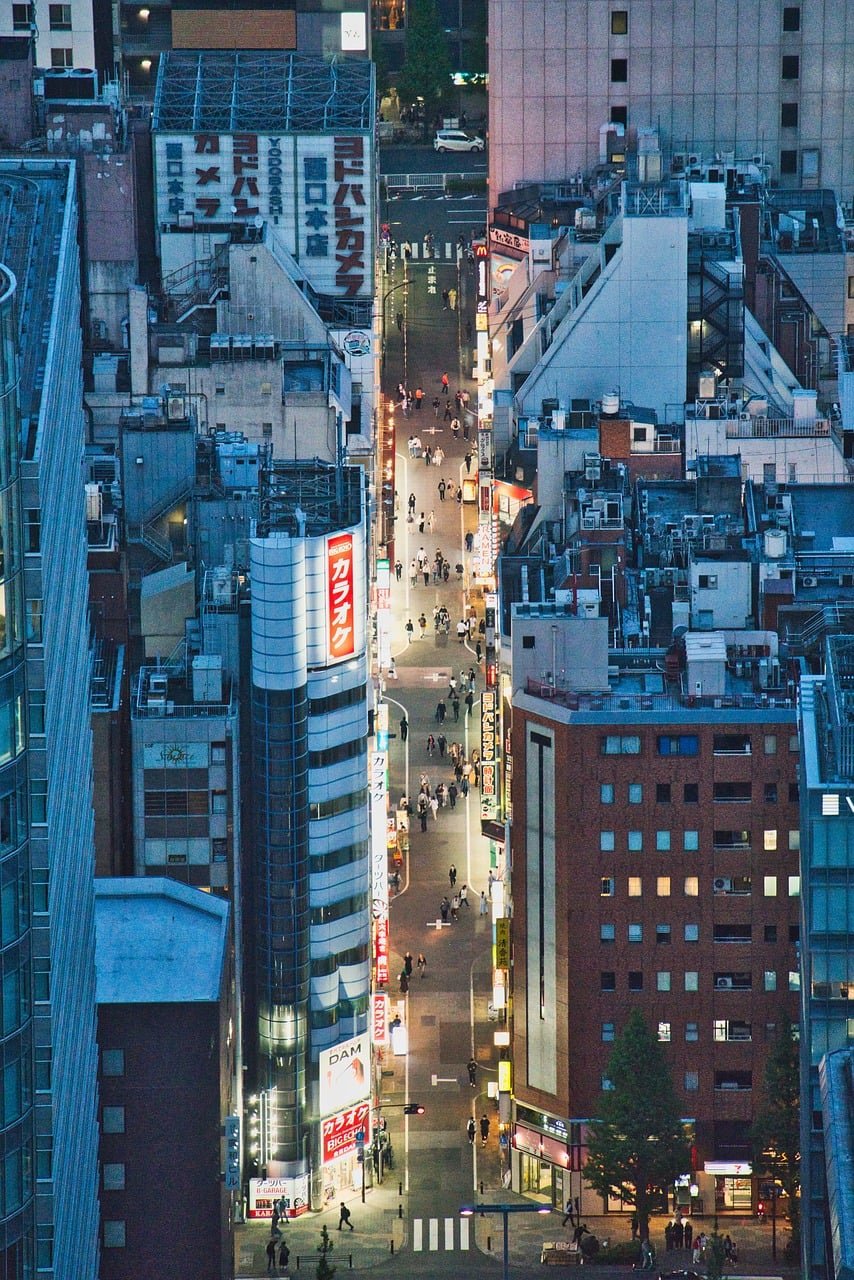
Frequently Asked Questions
Related Cities in Japan
View all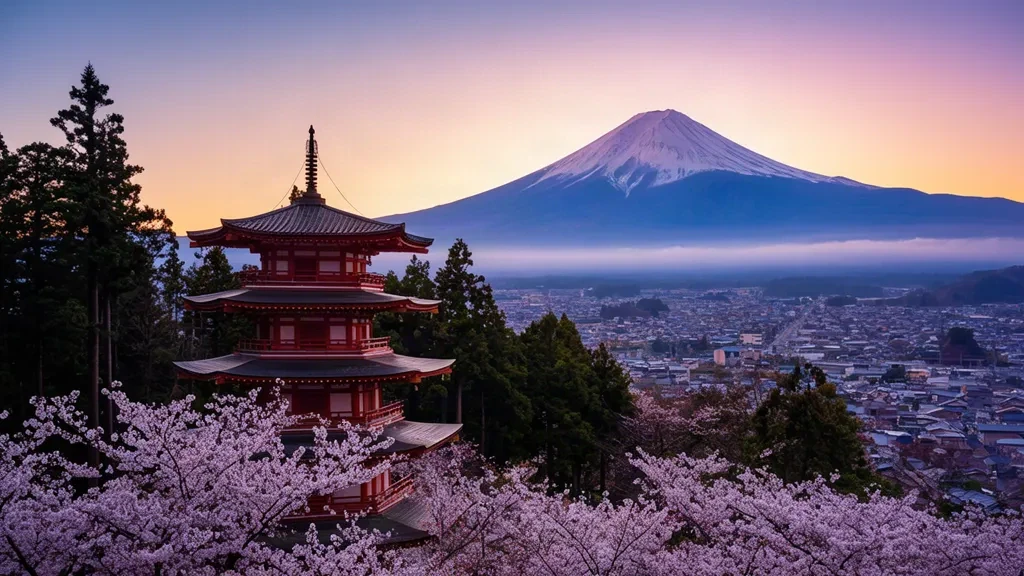
Yamanashi
Yamanashi, a quiet city in central Japan, sits in a mountain-ringed basin known for orchards, vineyards and a relaxed rural pace.

Yamaguchi
Yamaguchi, the capital of Yamaguchi Prefecture, is often called the Kyoto of the West for its samurai heritage, historic temples and tranquil gardens.
Yamagata
Yamagata is a calm city in northern Japan where castle ruins, hot springs, temple heritage and mountain scenery meet seasonal festivals and regional culture.