Perugia
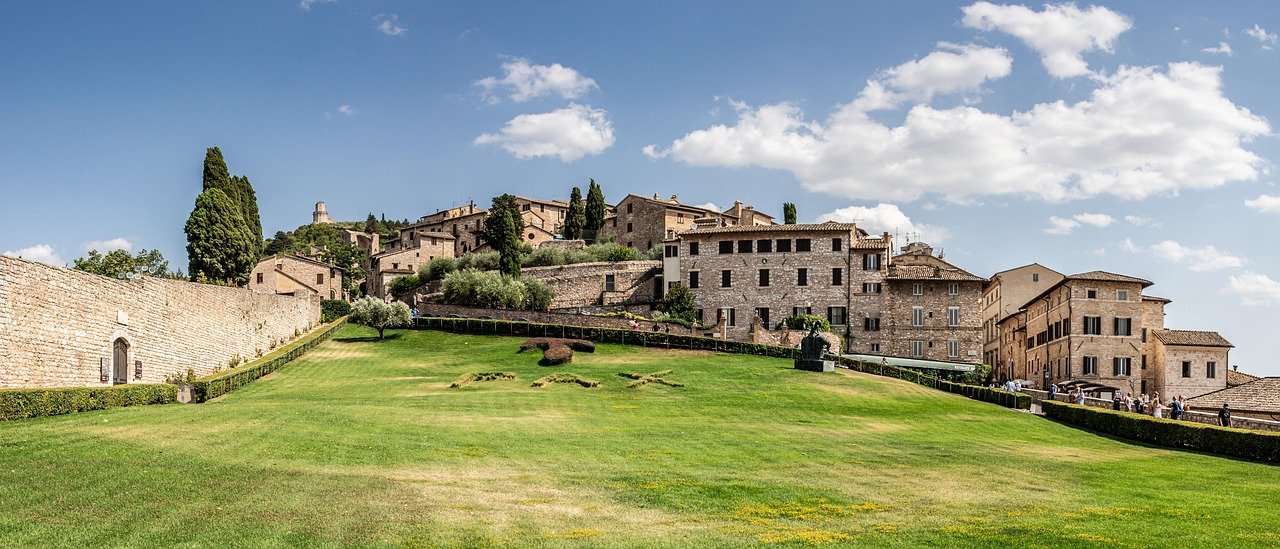
Perugia, the hilltop capital of Umbria, is known for its Etruscan roots, medieval lanes, historic piazzas and lively cultural calendar, including Umbria Jazz.
Passengers
Luggage
About Umbria
Perugia is the capital of Umbria and one of central Italy's most distinctive hill cities, built on a high ridge above the Tiber Valley. Its medieval and Etruscan roots remain visible in the stone streets, defensive walls and layered architecture of the historic centre, while a large student population and active festival calendar give the city a lively, contemporary edge.
The heart of Perugia is Piazza IV Novembre, framed by the Gothic Palazzo dei Priori and the Cathedral of San Lorenzo and centred on the 13th-century Fontana Maggiore. Nearby, the Etruscan Arch, Rocca Paolina fortress and the underground remains of the old city recall more than two thousand years of Etruscan, Roman and papal history.
The city's main cultural landmarks include the Galleria Nazionale dell'Umbria, housed in the Palazzo dei Priori, and the medieval Corso Vannucci, Perugia's principal pedestrian avenue. The annual Umbria Jazz festival draws international musicians each July, while October's Eurochocolate celebrates the city's long chocolate-making tradition, connected to the local Perugina brand and its Baci chocolates.
Perugia is also a university city, home to the University of Perugia and the University for Foreigners, which attract students from across Italy and abroad. Restaurants, wine bars, cafés and independent shops are concentrated in the historic centre, while neighbourhoods further down the hill provide a more local, everyday atmosphere.
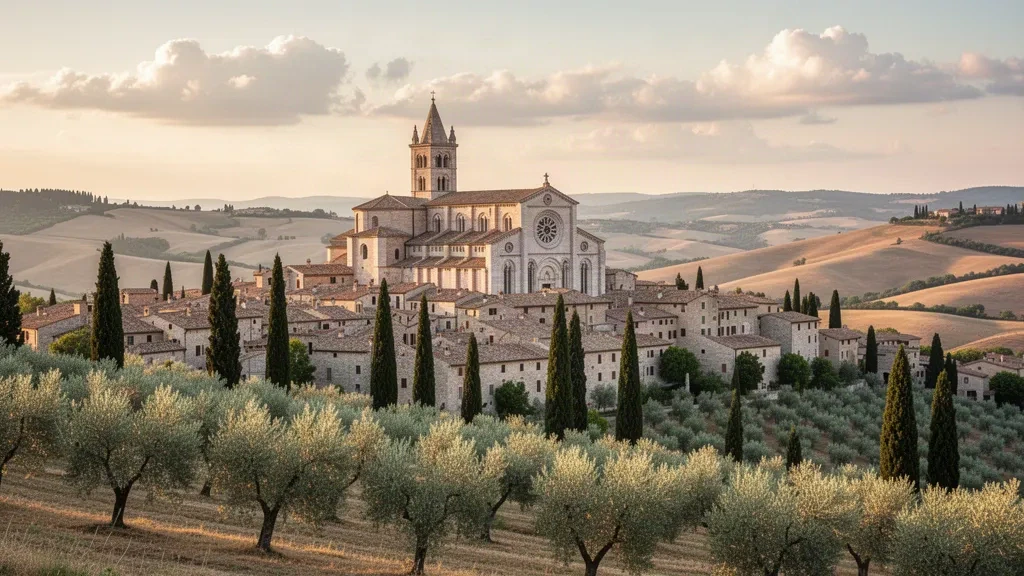
For travellers, Perugia works as both a destination in its own right and a practical base for exploring Umbrian towns such as Assisi, Gubbio, Spoleto and Lake Trasimeno. Business visitors benefit from the city's role as a regional administrative and cultural centre, with conference venues, museums and good road and rail links to Rome and Florence.
Umbria Travel Guide
Best Time to Visit
Spring and early autumn offer mild weather and quieter sightseeing in Perugia's hilltop centre. July brings the Umbria Jazz festival, while October's Eurochocolate fills the city with chocolate-themed events; summer can be warm but lively.
How to Get Around
Perugia's historic centre is largely pedestrian and best explored on foot, with the Minimetrò automated light rail, local buses and public escalators linking the centre with lower districts, the train station and parking areas. Taxis and private drivers are also available for journeys beyond the hilltop.
Where to Stay
Staying in the historic centre around Corso Vannucci puts major sights, restaurants and festival venues within walking distance. Hotels near the train station or in lower districts offer easier access to regional rail links, while agriturismi in the surrounding countryside suit visitors exploring Umbria by car.
Food & Drink
Perugia's food scene centres on Umbrian ingredients such as truffles, olive oil, lentils, wild boar and porchetta, alongside the city's famous chocolate heritage. Local restaurants, wine bars and cafés serve regional dishes, and nearby wine areas produce Sagrantino di Montefalco and other Umbrian wines.
Ground Transportation Services in Umbria
Airport Transfers
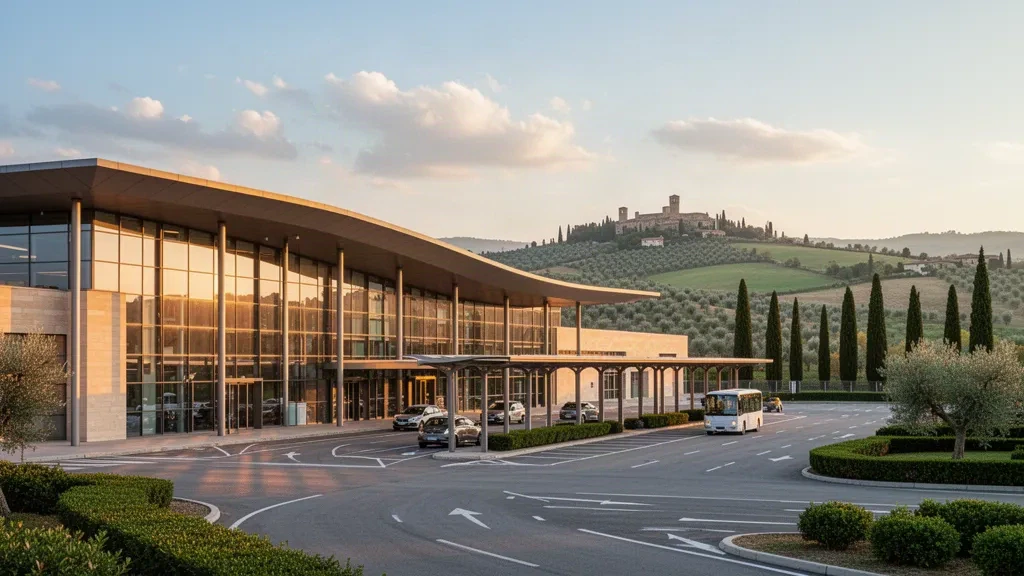
Private airport transfers connect Perugia San Francesco d'Assisi – Umbria International Airport with hotels, the historic centre, Assisi and other destinations across Umbria.
Hourly Chauffeur
Book a private chauffeur by the hour for flexible travel around Perugia, including hilltown visits, business meetings, events and sightseeing in central Italy.
Car Rental
Rent a car in Perugia for independent travel around the city and convenient access to Assisi, Gubbio, Spoleto, Lake Trasimeno and the wider Umbrian countryside.
Bus & Group Transfers
Arrange minibuses or charter buses for group travel, corporate events, wedding transfers and tours between Perugia, the airport and Umbrian destinations.
Frequently Asked Questions
Related Cities in Italy
View all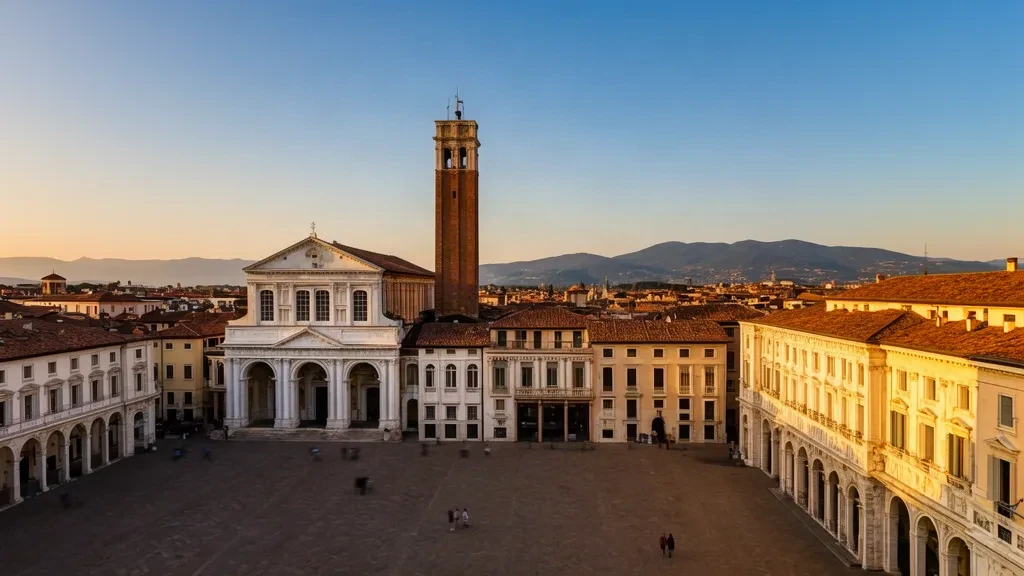
Vicenza
Vicenza, a city in Italy's Veneto region, is celebrated for its Palladian architecture, historic centre and lively cultural calendar, blending Renaissance heritage with contemporary charm.
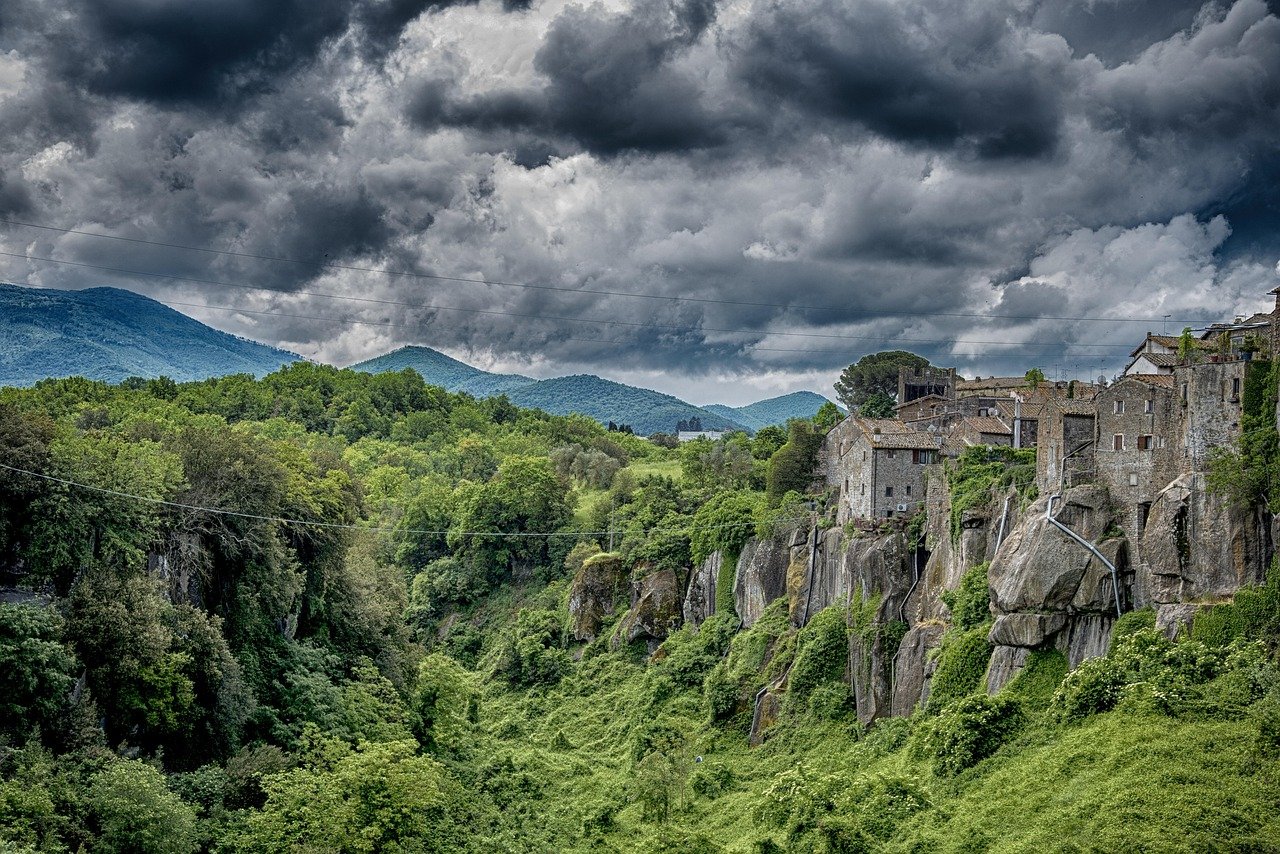
Viterbo
Viterbo, a medieval city in central Italy, is known for its well-preserved historic center, papal palaces, and thermal springs. Its quiet streets and rich heritage offer a genuine taste of Lazio's past.
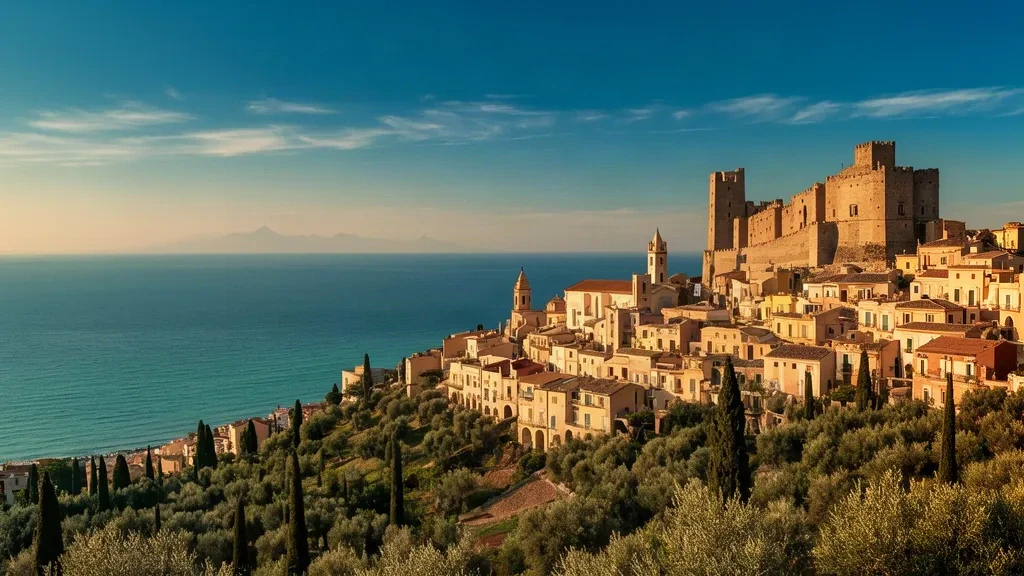
Vibo Valentia
Vibo Valentia is a historic Calabrian city set on a hill above the Tyrrhenian coast, known for its medieval castle, archaeological heritage and sweeping sea views.