Jambi
Jambi, a historic port city on Sumatra's Batang Hari River, blends Malay heritage with riverside markets, ancient temples and a growing business scene.
Passengers
Luggage
About Jambi
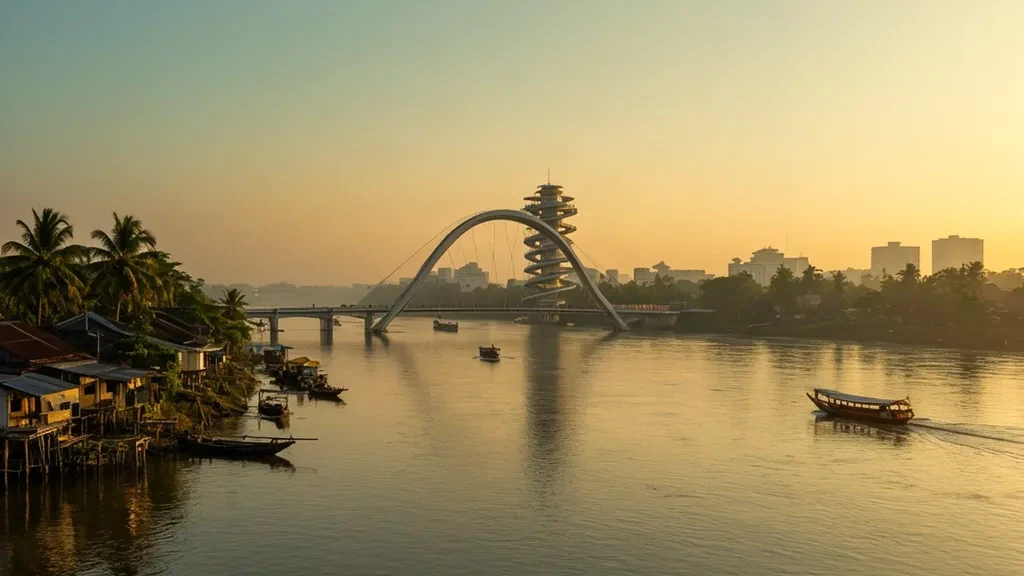
Jambi is the capital of Jambi Province on the Indonesian island of Sumatra, set along the broad Batanghari River. As a historic river-trading centre and modern provincial capital, it mixes Malay cultural heritage with the steady pace of a growing Indonesian regional city.
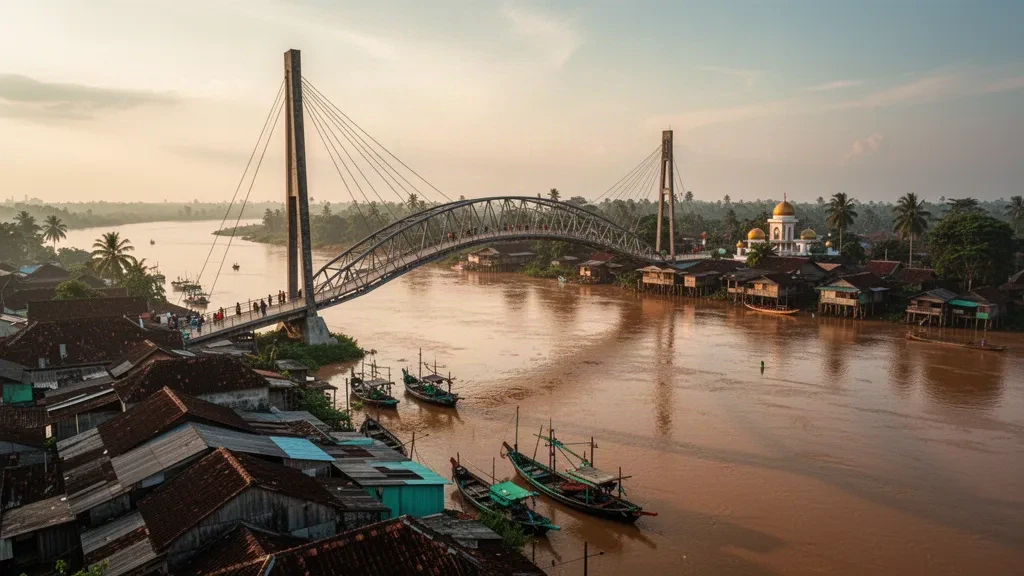
The area has deep roots in the ancient Melayu Kingdom and the later Jambi Sultanate, with Srivijaya-era influence still visible at the Muaro Jambi Temple Compounds just outside the city. Local landmarks include the curved Gentala Arasy pedestrian bridge and its museum, the Al Falah Grand Mosque, often called the Thousand Pillars Mosque, and the Keris Siginjai monument.
Neighbourhoods give Jambi a clear sense of structure: the riverside Pasar Jambi area holds much of the old commercial core, Telanaipura is known for government offices and administrative life, while Jelutung and Kota Baru offer markets, cafés and everyday urban energy along the river.
Jambi is a centre for regional trade, public administration and services, with palm oil, rubber and river commerce shaping its economy. The food scene centres on river fish, especially pindang patin, alongside nasi gemuk, tempoyak-based dishes and traditional Malay-style cakes, while street food gathers along busy central roads.
For leisure travellers, Jambi offers a compact introduction to Sumatran Malay culture and nearby archaeological heritage. Business visitors can move easily between the airport, government district and central hotels, making the city a practical base for work and short side trips.
Jambi Travel Guide
Best Time to Visit
The drier months from May to September are generally the most comfortable for sightseeing, though Jambi stays hot and humid all year. Heavy rain is more common between October and April, when outdoor plans may need flexibility.
How to Get Around
Within Jambi, angkot minivans, ojek motorcycle taxis, regular taxis and ride-hailing services such as Grab and Gojek cover most trips. The electric Trans Bahagia bus serves key corridors, while the central riverside area can be explored on foot.
Where to Stay
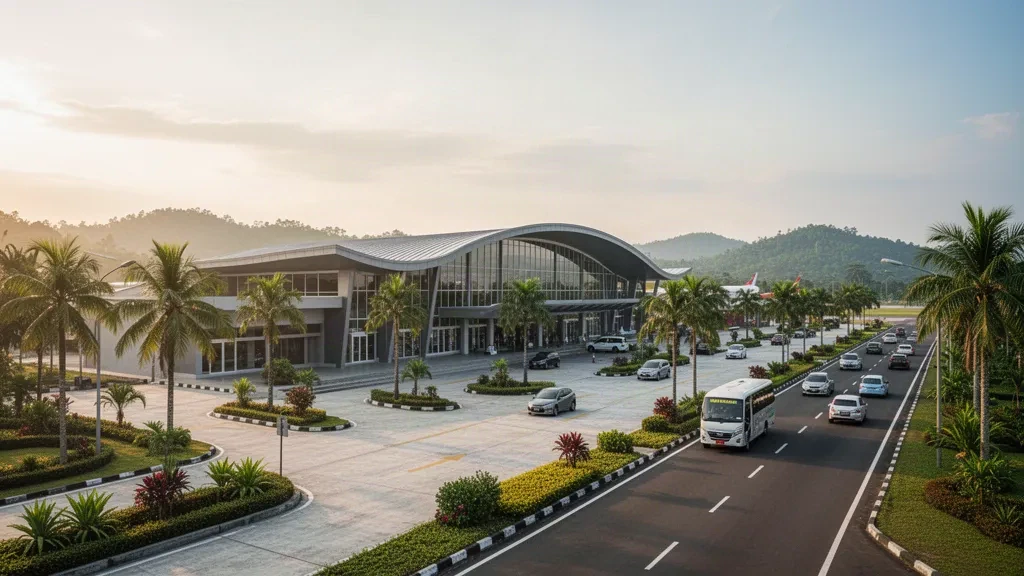
The Pasar Jambi area suits visitors who want markets, food and riverside landmarks nearby, while Telanaipura is convenient for government and business appointments. Hotels near Sultan Thaha Airport offer quick access for short stays and early flights.
Food & Drink
Jambi specialities include pindang patin, a sour fish soup, and nasi gemuk, coconut-milk rice often eaten for breakfast. Try tempoyak, grilled river fish, sate and traditional cakes such as maksuba, or browse street food along central roads and kopitiam-style cafés.
Ground Transportation Services in Jambi
Airport Transfers
Travel between Sultan Thaha Airport and hotels, business areas and other destinations across Jambi city with a pre-arranged private transfer.
Hourly Chauffeur
Book a private chauffeur by the hour for business meetings, government visits, events and flexible sightseeing around Jambi.
Car Rental
Rent a car in Jambi for independent travel around the city and convenient trips to Muaro Jambi Temple Compounds and nearby areas.
Bus & Group Transfers
Arrange minibuses or charter buses for groups, corporate travel, events, airport transfers and tours around Jambi.

Frequently Asked Questions
Related Cities in Indonesia
View all
Medan
Medan, North Sumatra's bustling capital, blends colonial architecture, vibrant street food and diverse cultural influences with easy access to Lake Toba and the highlands. Its markets, historic districts and lively neighbourhoods give the city a character all its own.
Palembang
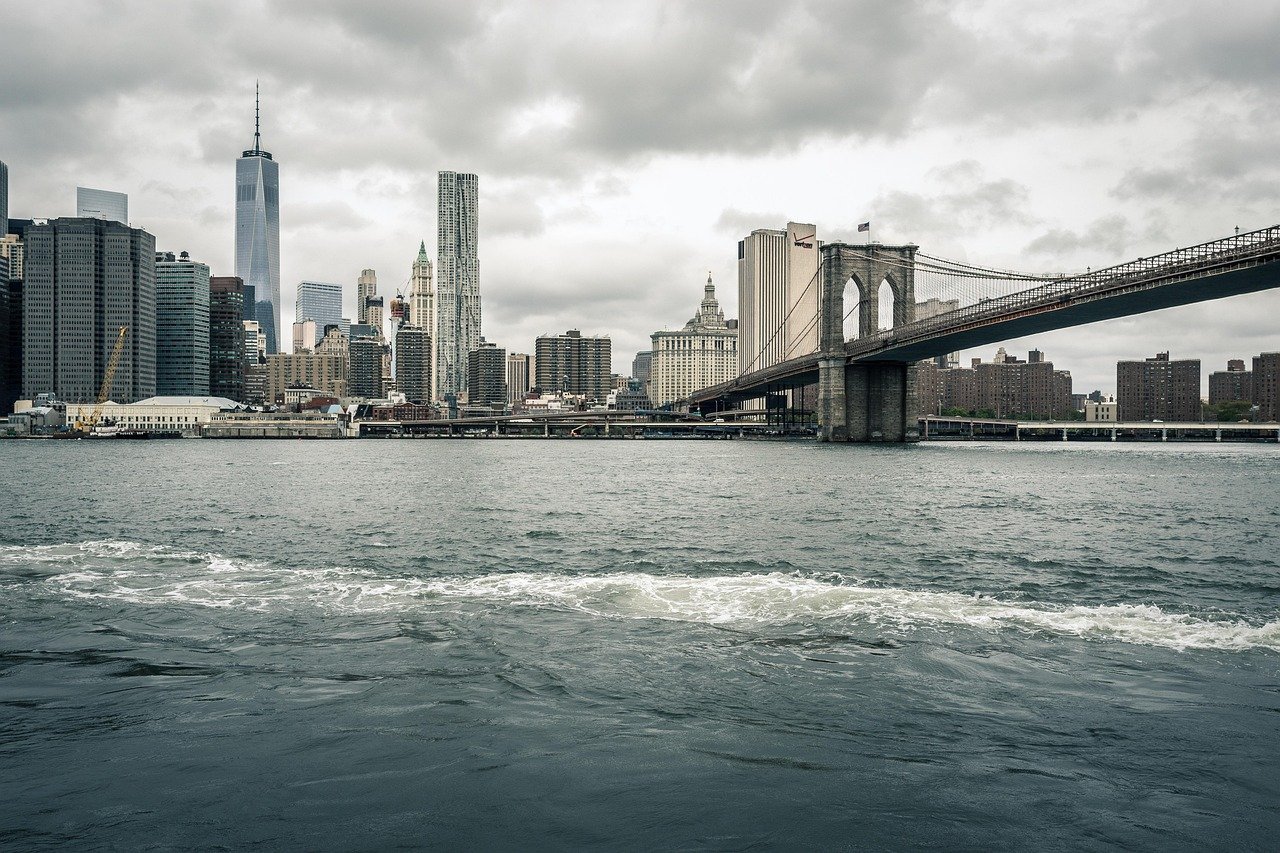
Palembang, capital of South Sumatra, is a historic river city on the Musi, known for the Ampera Bridge, Srivijaya heritage, lively culinary traditions and bustling riverside life.
Padang
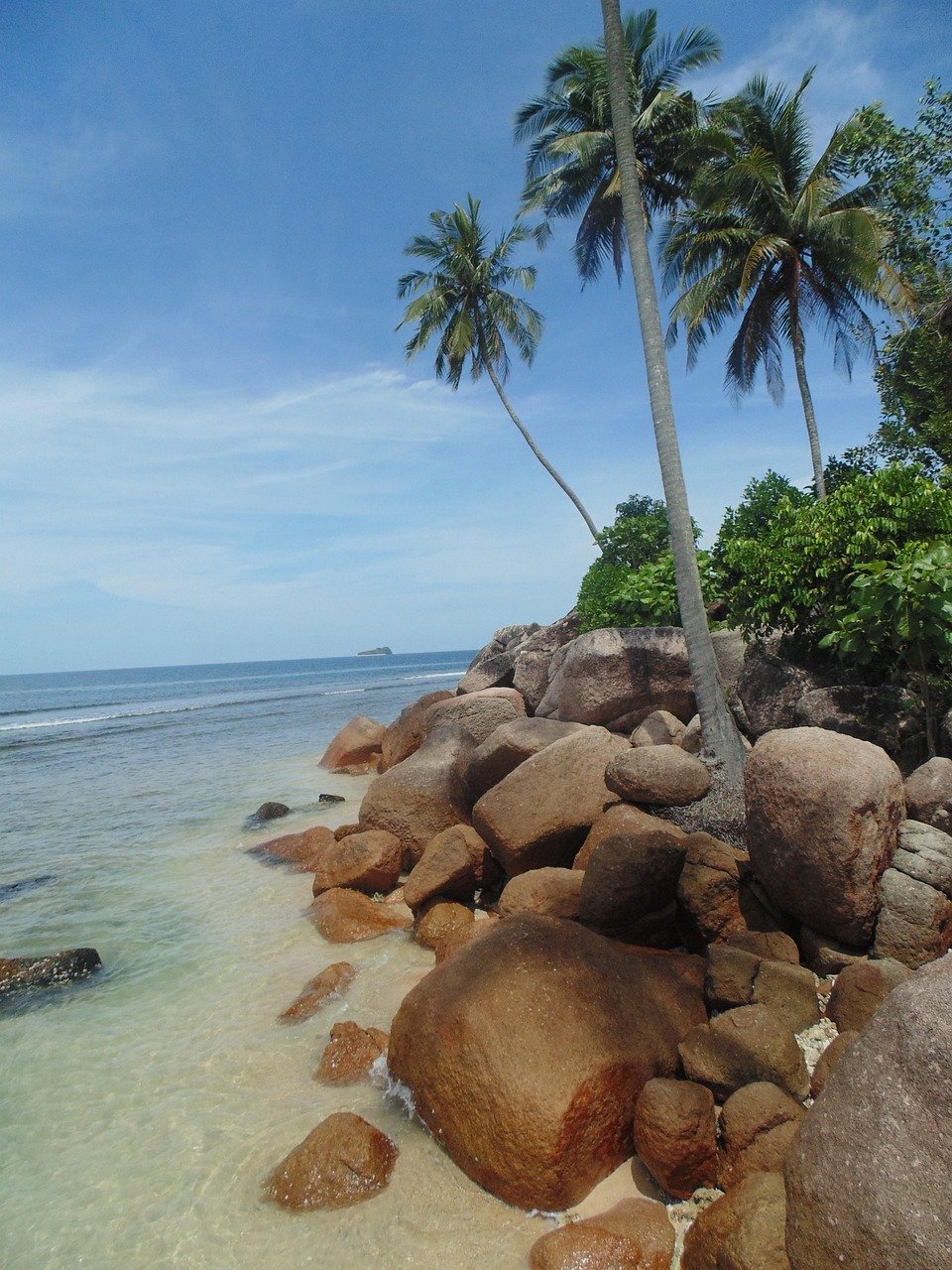
Padang, West Sumatra's capital, blends Minangkabau heritage, colonial-era architecture and a lively coastal food scene with easy access to nearby highland escapes.