Tuamotu-Gambier
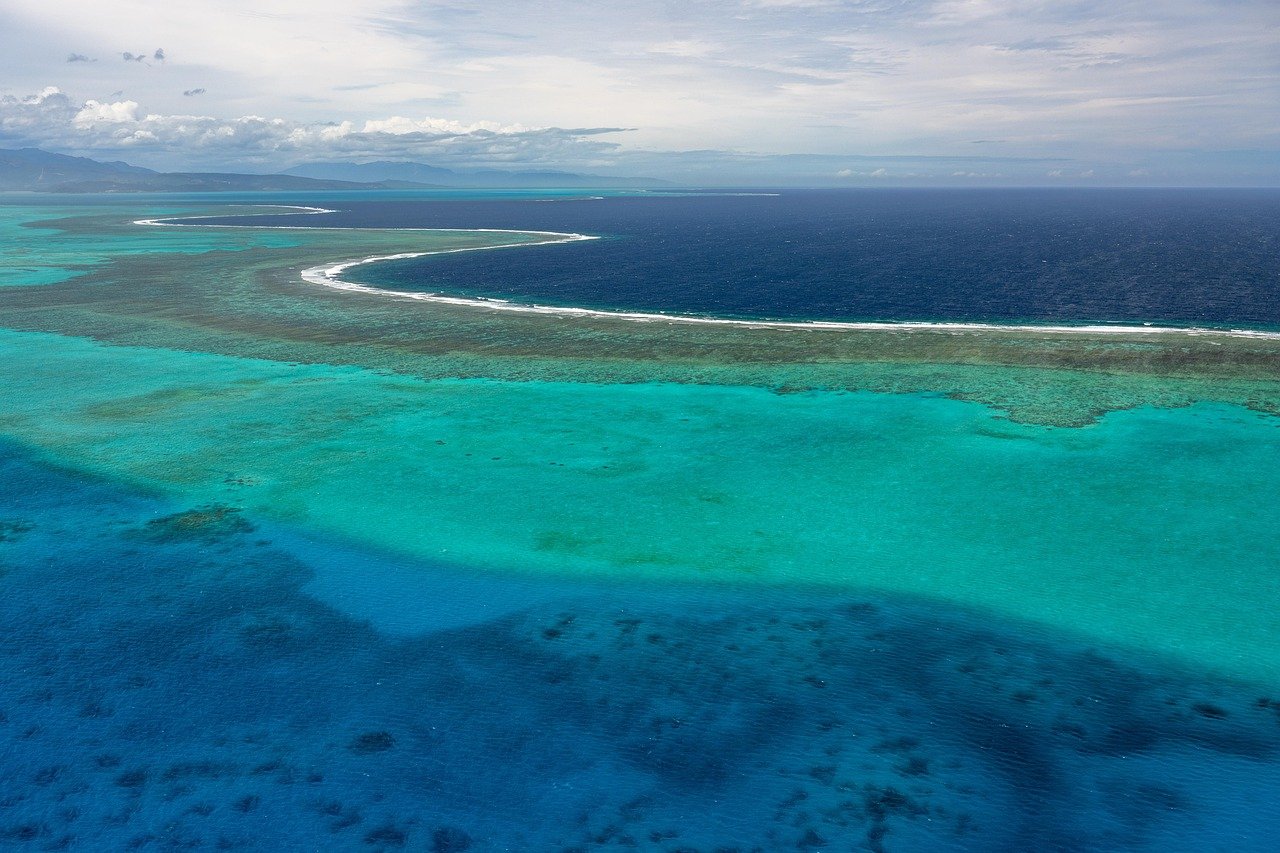
Tuamotu-Gambier, a vast archipelago in French Polynesia, is known for its coral atolls, turquoise lagoons and remote island way of life.
Passengers
Luggage
About Tuamotu-Gambier
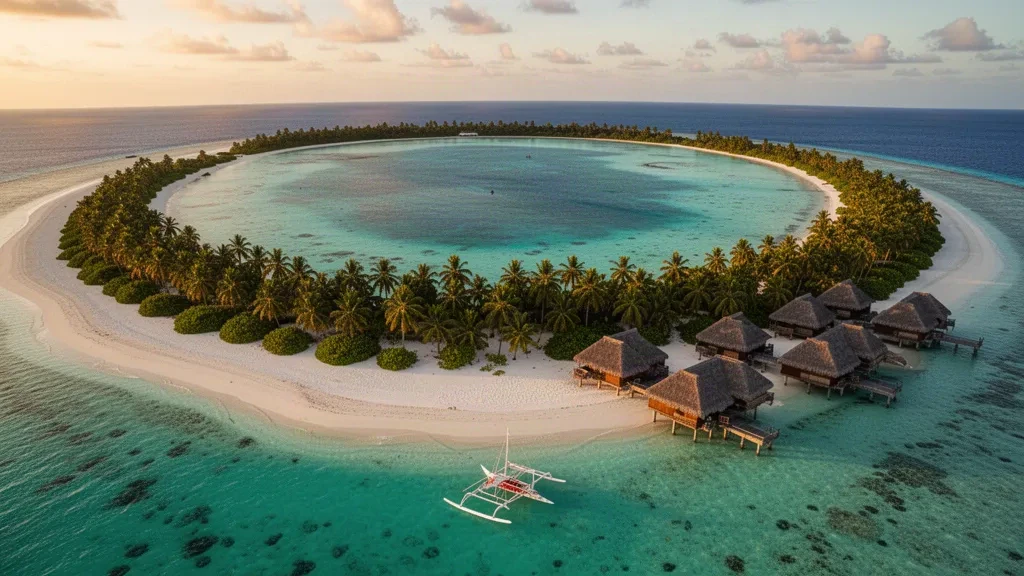
Rangiroa is one of the largest coral atolls in the world and the main gateway to the Tuamotu-Gambier islands of French Polynesia. Stretching around a vast lagoon, the atoll is known for clear water, long low-lying motu, and a relaxed island pace centred on the villages of Avatoru and Tiputa.
The lagoon shapes life in Rangiroa. The Tiputa and Avatoru passes bring ocean water into the lagoon and are famous for dolphin sightings, drift snorkelling, and dives where reef sharks, manta rays and schooling fish move with the current. The Blue Lagoon, Reef Island and pink sand beaches are among the most visited day-trip destinations.
Rangiroa has a small but distinctive local economy built around fishing, tourism and black pearl farming. Pearl farms and the island winery welcome visitors, while dive centres, guesthouses and boat excursions connect travellers with the atoll's marine environment.
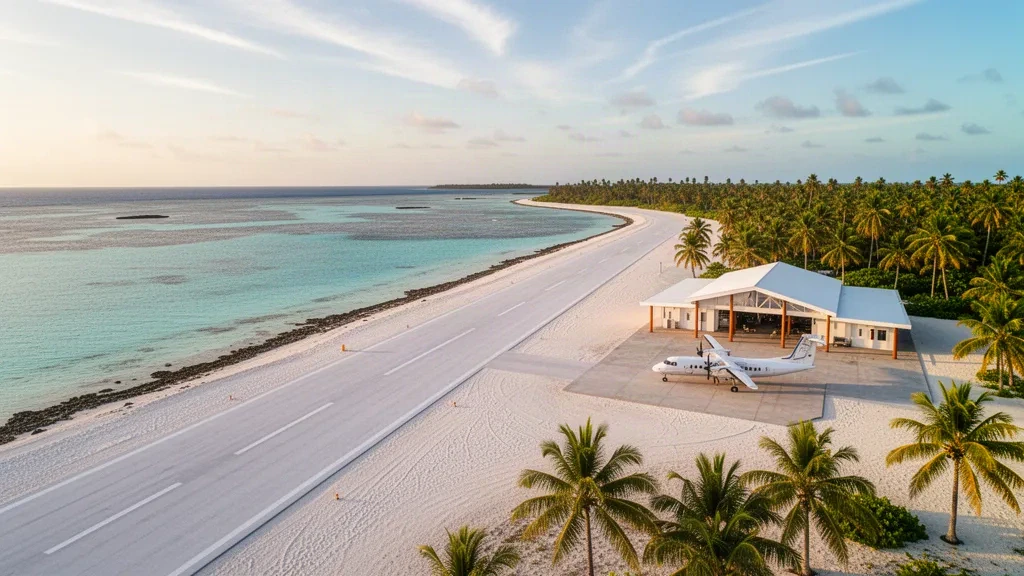
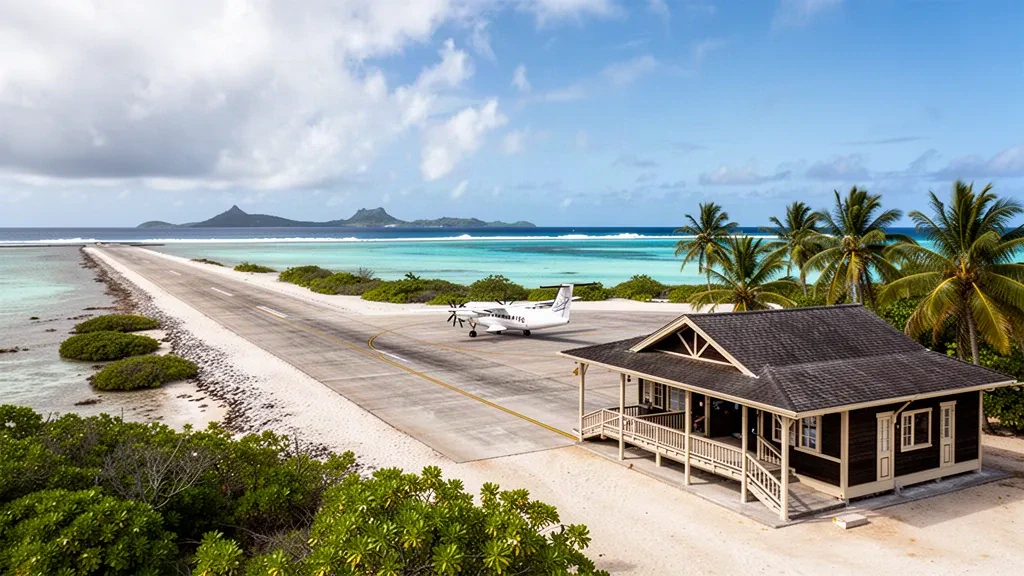
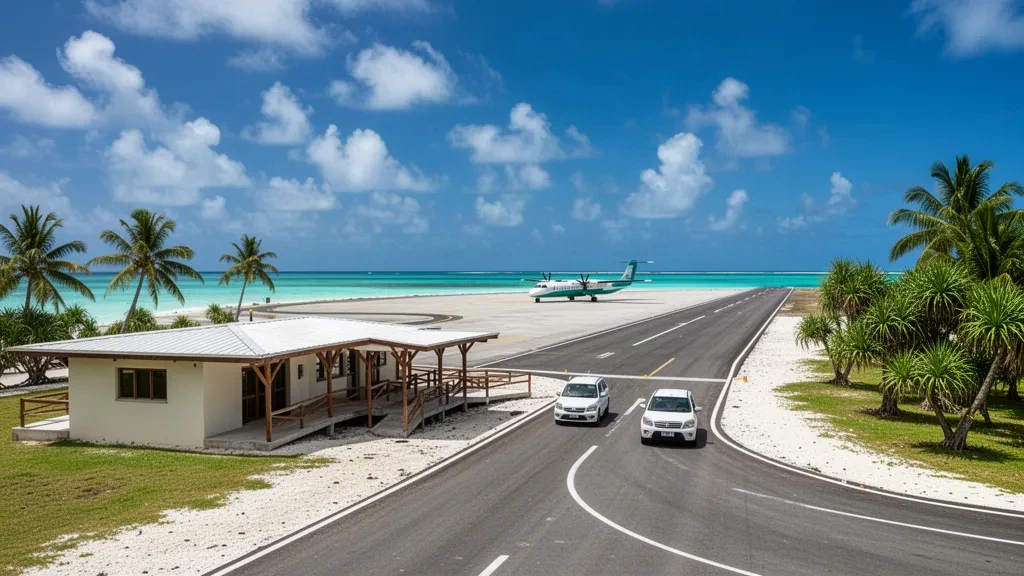
Most accommodation and services are concentrated in Avatoru and Tiputa, linked by a flat road that is easy to explore by bicycle. The atoll is reached by air from Tahiti, with Rangiroa Airport serving regular domestic flights.
Rangiroa is relevant for both leisure travellers and a smaller number of business visitors working in hospitality, fisheries or lagoon-related projects. It offers a quieter, nature-focused alternative to Tahiti, with diving, lagoon tours and cultural encounters as the main reasons to visit.
Tuamotu-Gambier Travel Guide
Best Time to Visit
The dry season from May to October is the best time to visit Rangiroa, with more sunshine, lower humidity and calmer conditions for diving and lagoon excursions. The warmer, wetter months from November to April are more humid and can bring heavier rain.
How to Get Around
Rangiroa's main road connects the villages of Avatoru and Tiputa and is easily explored by bicycle or scooter. Boats and water taxis are essential for reaching outer motu, dive sites, the Blue Lagoon and Reef Island, and most guesthouses arrange transfers.
Where to Stay
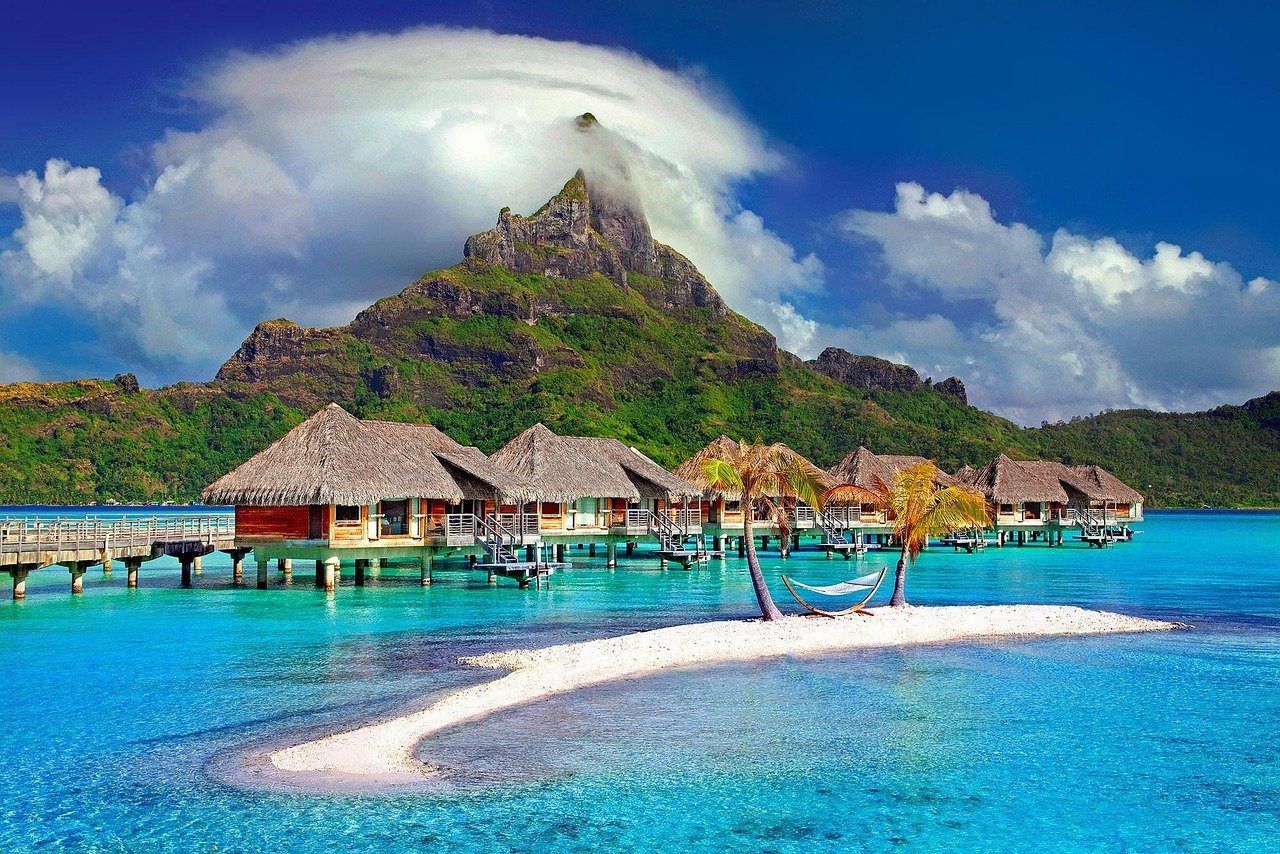
Most visitors stay in guesthouses, pensions and small resorts near Avatoru and Tiputa, where restaurants, dive centres and services are close by. More remote motu lodges offer a quieter lagoon setting but rely on boat transfers.
Food & Drink
Local meals in Rangiroa centre on fresh lagoon fish, poisson cru marinated in lime and coconut milk, grilled seafood and coconut bread. Small restaurants, snacks and guesthouse tables serve a mix of Polynesian and French-influenced dishes, with limited but characterful options.
Ground Transportation Services in Tuamotu-Gambier
Airport Transfers
Travel between Rangiroa Airport and guesthouses, hotels, dive centres and villages such as Avatoru and Tiputa with pre-arranged car or boat transfers.
Hourly Chauffeur
Book a private driver by the hour for airport pickups, village transfers, sightseeing and flexible travel around Rangiroa's main road.
Car Rental
Rent a car or scooter in Rangiroa for independent travel along the atoll's main road between Avatoru, Tiputa and nearby motu access points.
Bus & Group Transfers
Arrange minibuses, vans or charter boats for groups arriving at Rangiroa Airport, attending events, joining lagoon tours or moving between guesthouses and dive sites.
Airports in Tuamotu-Gambier
Frequently Asked Questions
Related Cities in French Polynesia
View all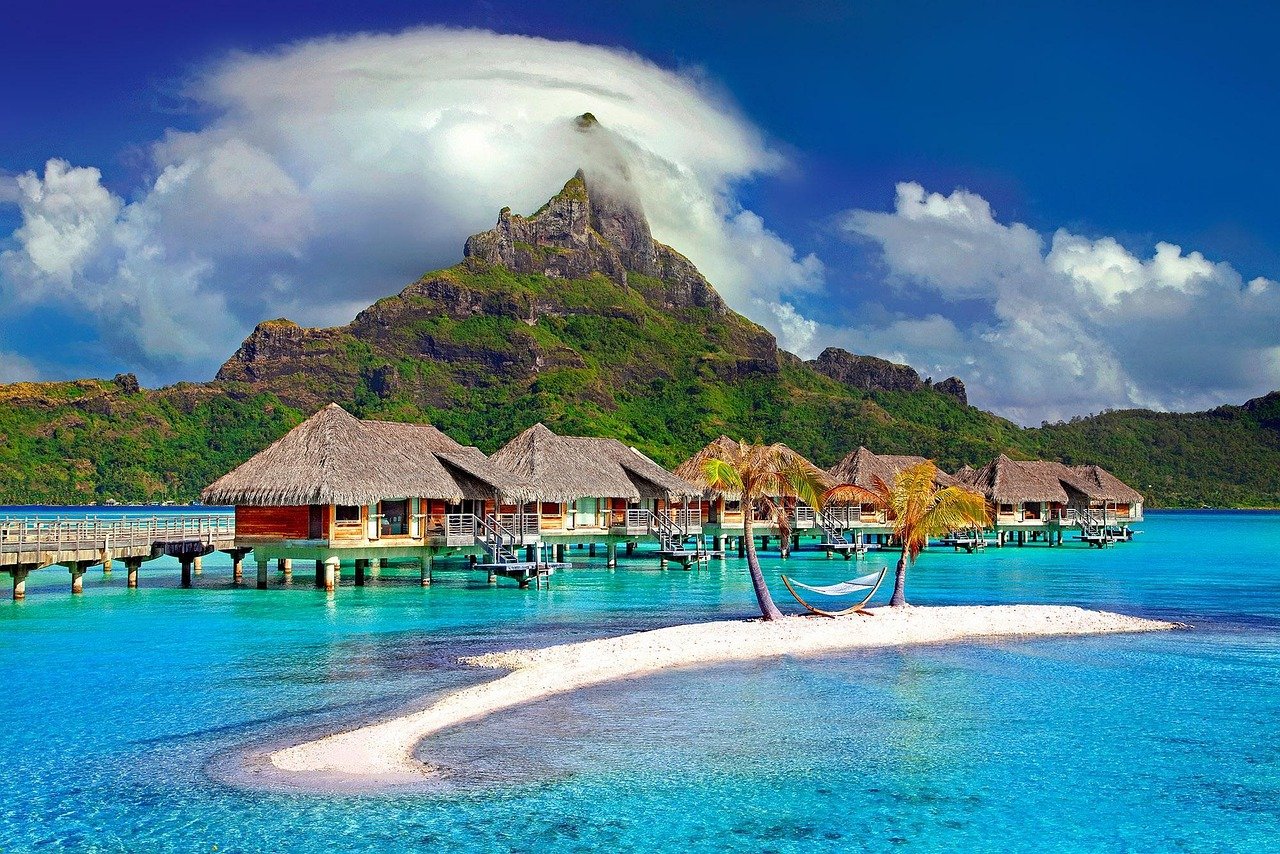
Papeete
Papeete, French Polynesia's capital on Tahiti's northwest coast, blends a busy harbour and market scene with French and Polynesian culture, serving as the gateway to the Windward Islands.
Marquesas Islands
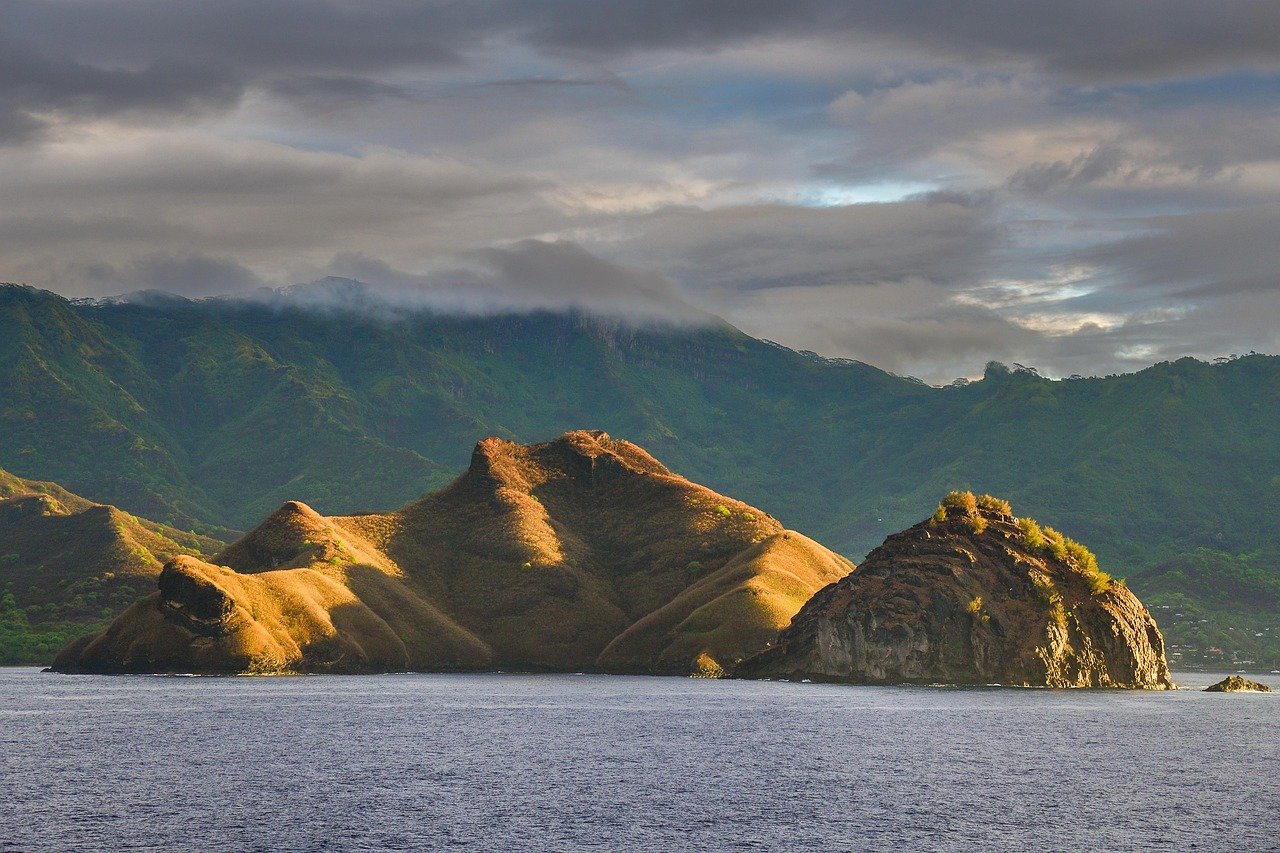
The Marquesas Islands, a remote archipelago in French Polynesia, are known for dramatic volcanic landscapes, rich Polynesian culture and archaeological sites.
Uturoa
Uturoa, the main town of Raiatea and administrative center of French Polynesia's Leeward Islands, sits on a sheltered harbor with views toward Tahaa and a relaxed Polynesian pace. Its waterfront market, lagoon views, and surrounding vanilla farms and archaeological sites reflect the island's deep Polynesian heritage.