Rotuma
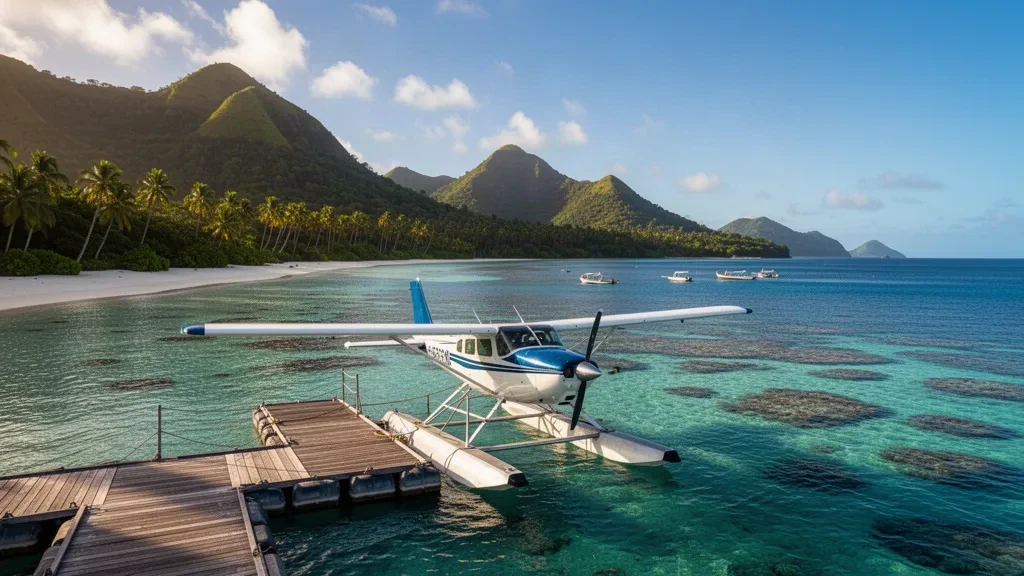
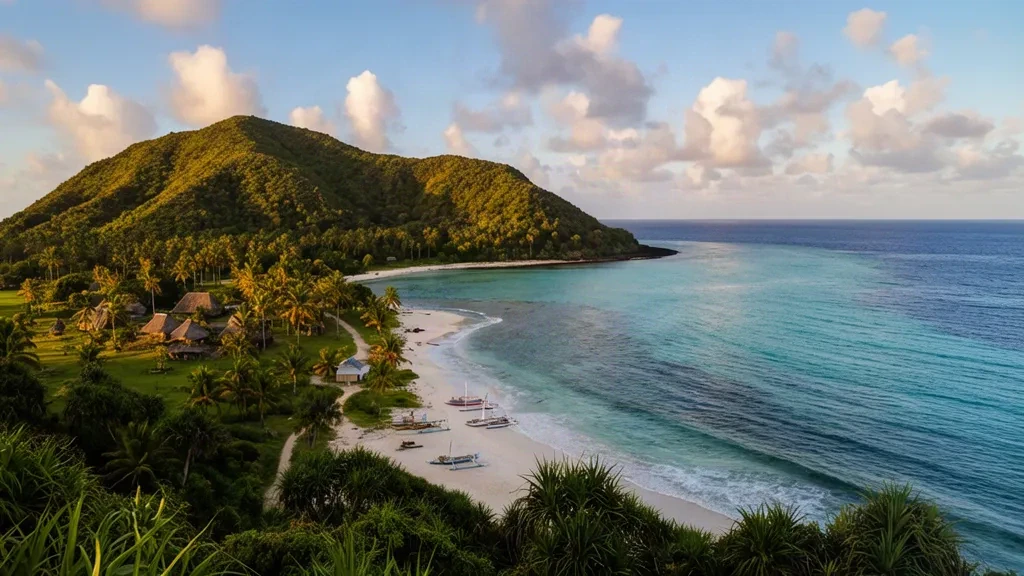
Rotuma, a remote Fijian island north of Viti Levu, is known for its distinctive Polynesian culture, volcanic hills, lush rainforests and coral-fringed shores.
Passengers
Luggage
About Rotuma
Rotuma is a remote volcanic island group and a self-governing dependency of Fiji, lying about 646 kilometres north of Suva. Rather than a city, it is a small island territory with quiet coastal villages, a Polynesian-influenced culture and an unhurried pace of life, centred on the administrative settlement of Ahau.
The island became part of the British-administered Colony of Fiji after being ceded in 1881, an anniversary still marked each 13 May as Rotuma Day. Seven districts — Noa'tau, Oinafa, Itu'ti'u, Itu'muta, Juju, Pepjei and Malhaha — each keep their own chiefs, and Rotuma maintains a distinct Rotuman language and customs alongside English.
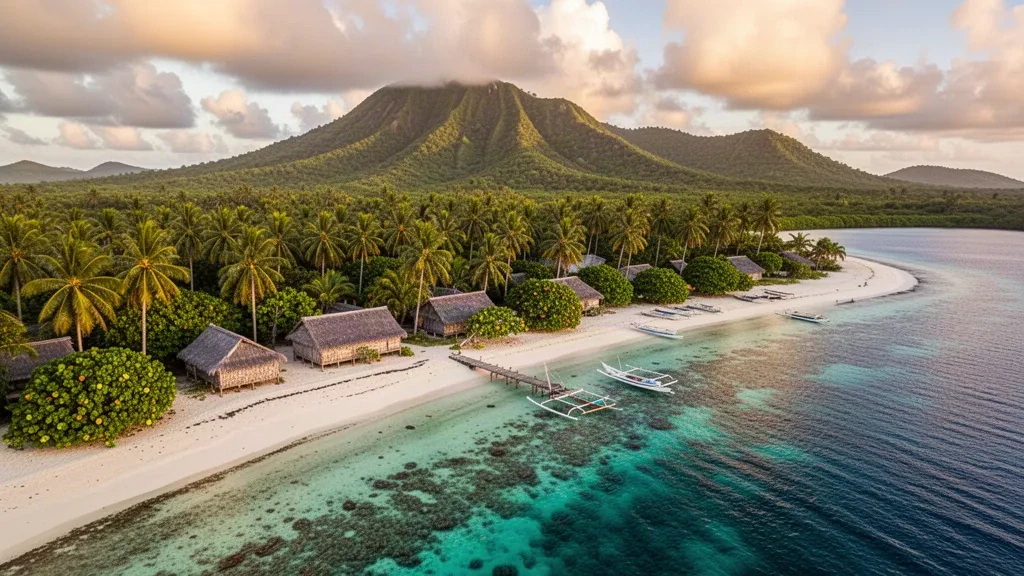
Rotuma Island is a volcanic landmass about 13 kilometres long and 4 kilometres wide, with around 47 square kilometres of land and Mount Suelhof rising 256 metres near its centre. A narrow isthmus at Motusa separates the larger eastern side from a western peninsula, while the coast alternates between rocky cliffs, sandy beaches and fringing reef.
For visitors, the appeal is low-key and nature-led: Maka Bay, the Motusa isthmus, Solroroa Bluff, Mount Suelhof and beaches such as Solkope and Hapmafau, plus snorkelling and diving along the reef. Access is deliberately limited, with a small weekly flight from Nausori near Suva to Rotuma Airport and occasional shipping, and most stays are in guesthouses or village homestays rather than hotels.
Business travel is modest, focused on government administration, education, copra, subsistence farming and development work, but Rotuma offers researchers, cultural travellers and off-grid visitors a rare Polynesian destination. Its unspoiled coastline, reefs and strong community traditions make it distinctive among Fiji's islands.
Rotuma Travel Guide
Best Time to Visit
The drier, cooler months from May to October are the most comfortable time to visit Rotuma. The cyclone season, roughly November to April, brings hotter, wetter weather and can disrupt the limited flights and shipping that connect the island.
How to Get Around
Rotuma has no public bus or taxi network, so getting around usually means walking, borrowing a bicycle, or arranging a local 4WD or vehicle through a guesthouse. The island is small, but inland tracks to coastal villages, beaches and reef access points can be rough and slow.
Where to Stay
Accommodation is limited to guesthouses, simple lodges and village homestays, mainly around Ahau and the Motusa area. Staying with local families is common and gives visitors practical access to meals, village life and transport around the island.
Food & Drink
Traditional Rotuman food centres on fekei, a sweet starchy pudding made with coconut cream and sugar, along with taro, breadfruit, cassava, fresh seafood and tropical fruit. Meals are often prepared in earth ovens, and kava drinking remains part of village ceremonies and social gatherings.
Ground Transportation Services in Rotuma
Airport Transfers
Arrange transport between Rotuma Airport and guesthouses, village homestays and coastal settlements around the island.
Hourly Chauffeur
Book a local driver by the hour for village visits, beach and reef access, district tours and flexible travel around Rotuma.
Car Rental
Rent a 4WD or local vehicle for independent travel across Rotuma's rough inland tracks and coastal roads.
Bus & Group Transfers
Arrange charter vehicles for groups, village events, airport collections, community travel and island tours in Rotuma.
Frequently Asked Questions
Related Cities in Fiji Islands
View all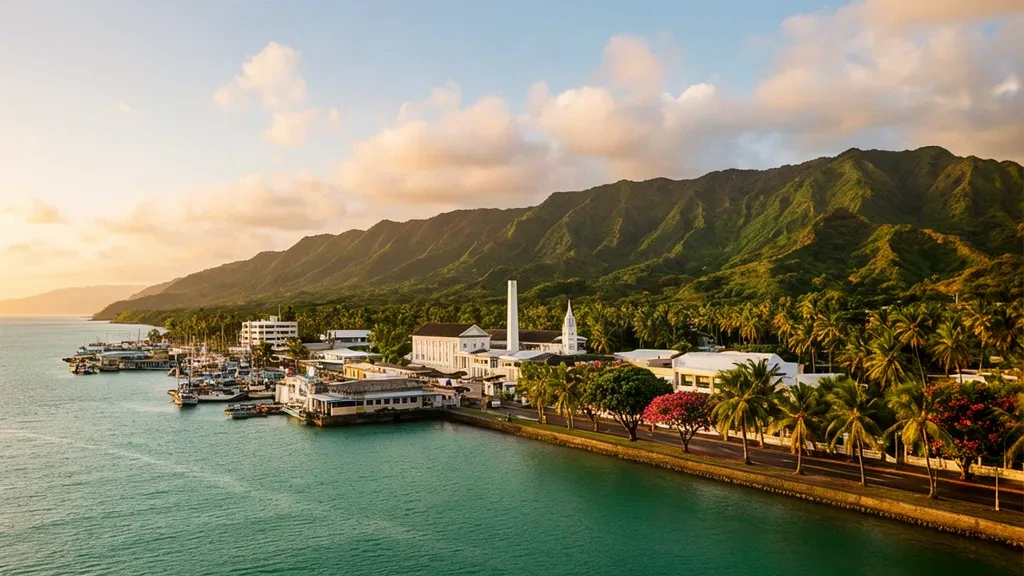
Nadi
Nadi, on Fiji's western coast, is a multicultural hub where Indo-Fijian temples, produce markets and colonial-era buildings sit close to the launch points for the Mamanuca and Yasawa islands.
Tailevu
Tailevu, on Fiji's main island of Viti Levu, is a quiet province of sugar cane fields, winding rivers and traditional villages that reflect the rhythms of rural Fijian life.
Serua
Serua, a province in Fiji, is known for its lush rainforests, river valleys, and traditional villages, offering a serene escape into nature and Fijian culture.